Making banana bread with self-rising flour is a quick and easy way to enjoy a tasty snack or breakfast. With one bowl, a whisk, and fewer than 10 ingredients, you can bake it without special equipment. Self-rising flour already contains leavening agents, which makes the process simple and saves time.
This banana bread is full of rich banana flavor and tastes great with a little butter. Its moist, soft crumb and crumbly texture make every bite irresistible. It’s a perfect way to use ripe bananas and can be ready in under an hour, with options like chocolate chips or chopped nuts for extra indulgence.
Banana Bread Recipe with Self Rising Flour-The Short Answer
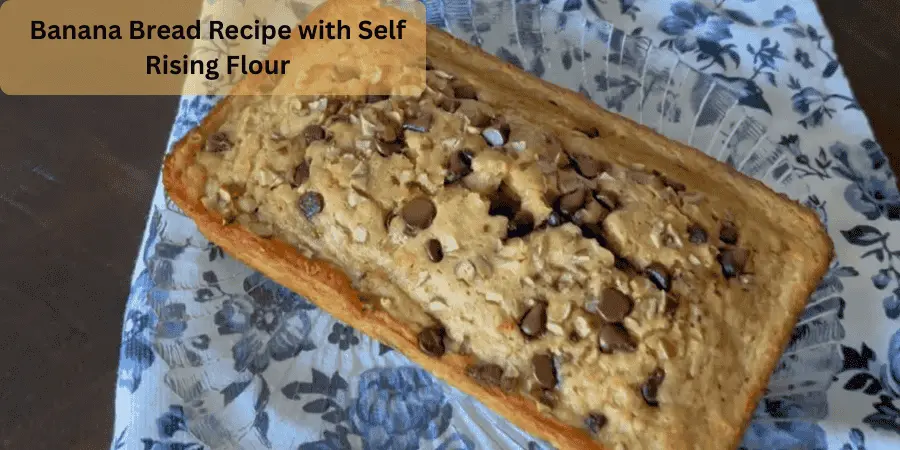
Before you start, skim through the ingredients and steps below — I’ve kept everything super simple! And once you’re ready, there’s a quick video at the end to see exactly how it’s done.
Why You Will Love This Recipe
Making banana bread with self-rising flour is an easy way to bake a delicious loaf with minimal effort. If you don’t have it, you can mix regular flour with baking powder and salt. With simple pantry ingredients and tools like a fork, whisk, or spatula, you can make it easily—no electric mixer needed.
This banana bread is irresistible from the first bite. Ripe brown bananas give it rich banana flavor, while cinnamon and vanilla extract add a cozy touch. The loaf is moist, soft, fluffy, and firm with a light caramel sweetness from brown sugar. It’s perfect as a quick snack or dessert, and it tastes even better the next day.
Can I Make Banana Bread with Self Rising Flour?
Yes, you can make banana bread with self-rising flour. It already contains baking powder and salt, so you don’t need extra leavening like baking soda. Just replace all-purpose flour with self-rising flour, and you’ll still get soft, fluffy banana bread with less effort.
Ingredients for Banana Bread with Self-Rising Flour
To make banana bread, start with 3 large overripe bananas (about 450 g) that are brown and spotty for natural sweetness. Add ½ cup brown sugar (or white sugar if preferred) and 2 eggs at room temperature to help bind the batter and create the right texture.
Use 1¾ cup self-rising flour for the best rise. If you don’t have it, mix 2 cups (250 g) all-purpose flour with 3 tsp baking powder and ½ tsp salt. Add 1 tsp vanilla extract and about ¾ tsp cinnamon for flavor. For richness, use melted butter, vegetable oil, or avocado oil, and you can also add Greek yogurt or sour cream for extra moisture.
For extra flavor, add 150 g (¾ cup) light or dark brown sugar, or use white sugar if preferred. Include about 50 g (3½ tbsp) unsalted butter and around 4 tbsp neutral cooking oil for a soft texture. A little cinnamon powder is optional but adds great flavor.
How to Make the Best Self-Rising Flour Banana Bread
If you’re craving warm, moist banana bread that’s easy to make, this self-rising flour recipe is a must-try. You can skip adding baking powder and salt—just preheat the oven to 350°F (177°C), grease a loaf pan with cooking spray or melted butter, and you’re ready to bake.
Start by peeling ripe bananas—the more spotty, squishy, and brown they are, the better.
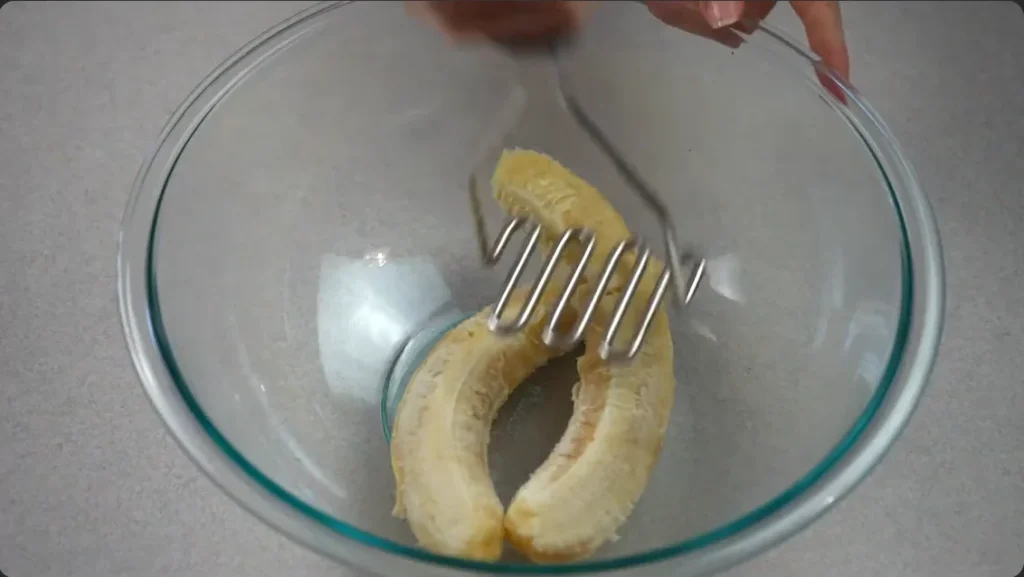
Mash them in a large mixing bowl with a fork, or use a food processor for a smoother texture. Then add vanilla extract, brown sugar, eggs, and yogurt, and whisk until everything is combined.
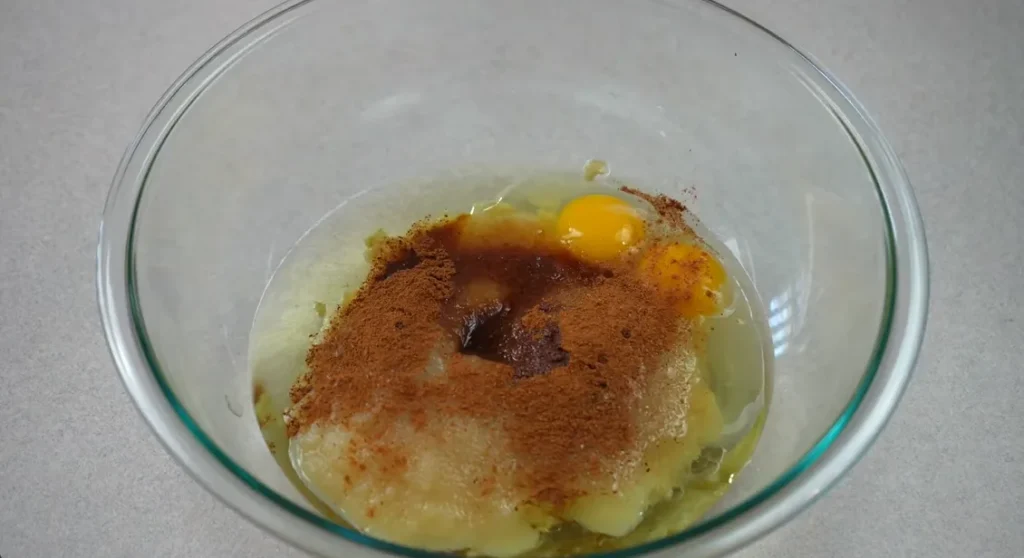
Next, add self-rising flour to the wet mixture and sprinkle in a little cinnamon powder for extra flavor.
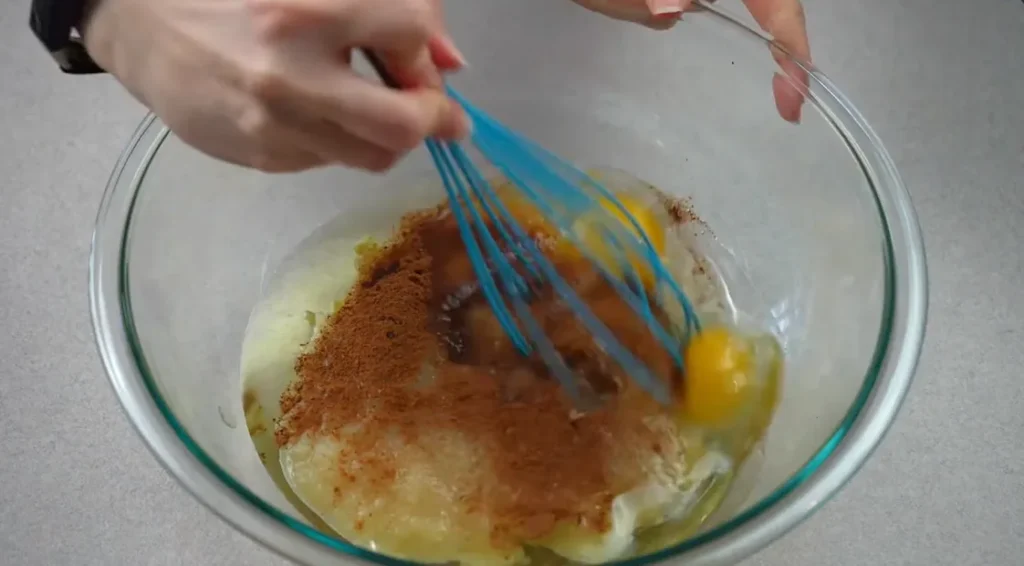
Gently fold everything with a spatula, avoiding overmixing—small pockets of flour are fine and help keep the banana bread soft.
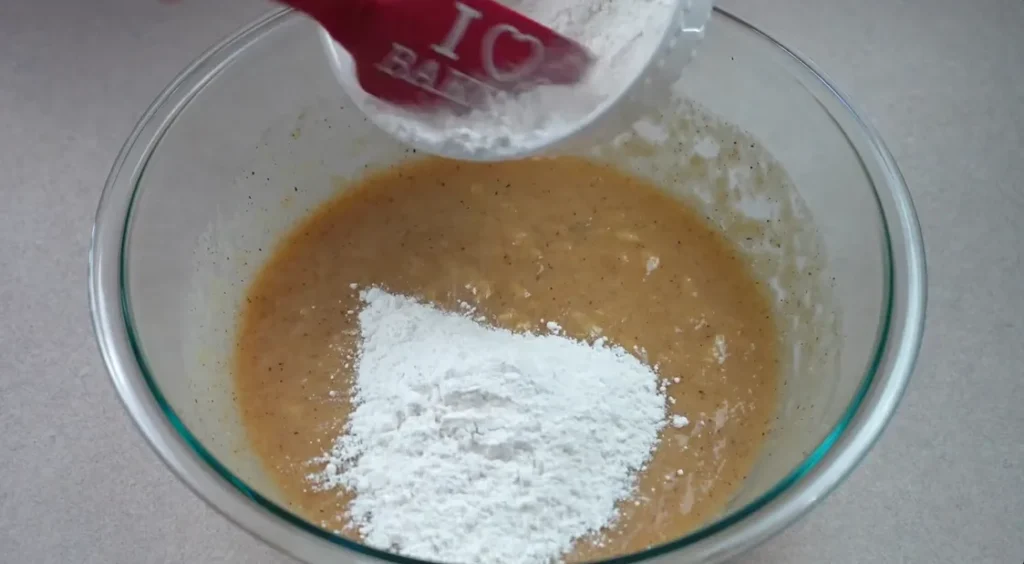
Pour the batter into a greased loaf pan, leaving about 1–1½ inches of space at the top for rising.
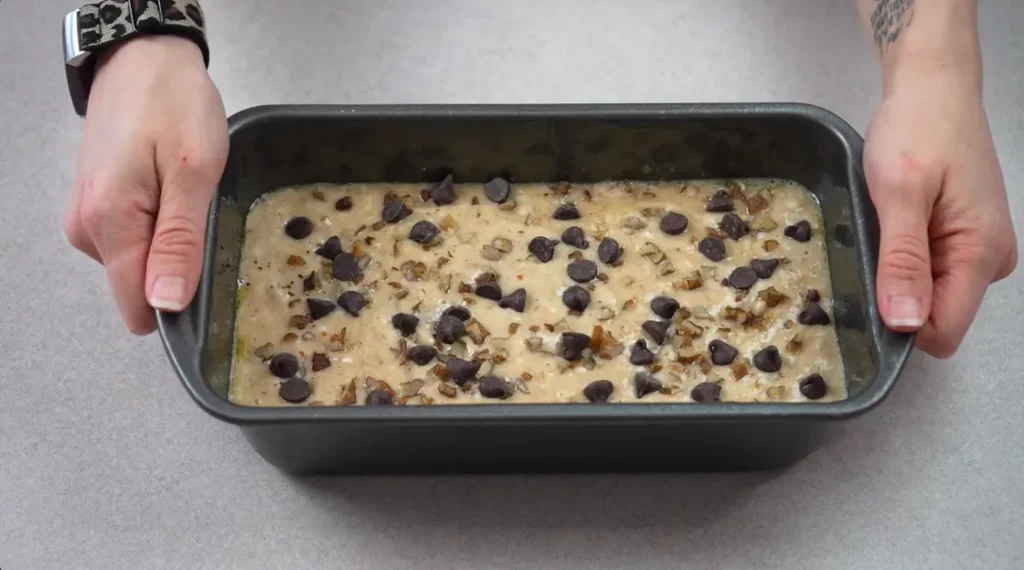
You can lightly score the batter with a knife for a bakery-style crack before baking, though this step is optional.
Bake the bread at 350°F (177°C) for about 50 minutes, checking with a toothpick until it comes out clean. Let it cool on a wire rack, and cover with aluminum foil to keep it moist. Enjoy your homemade banana bread, and add nuts or chocolate chips if you like.
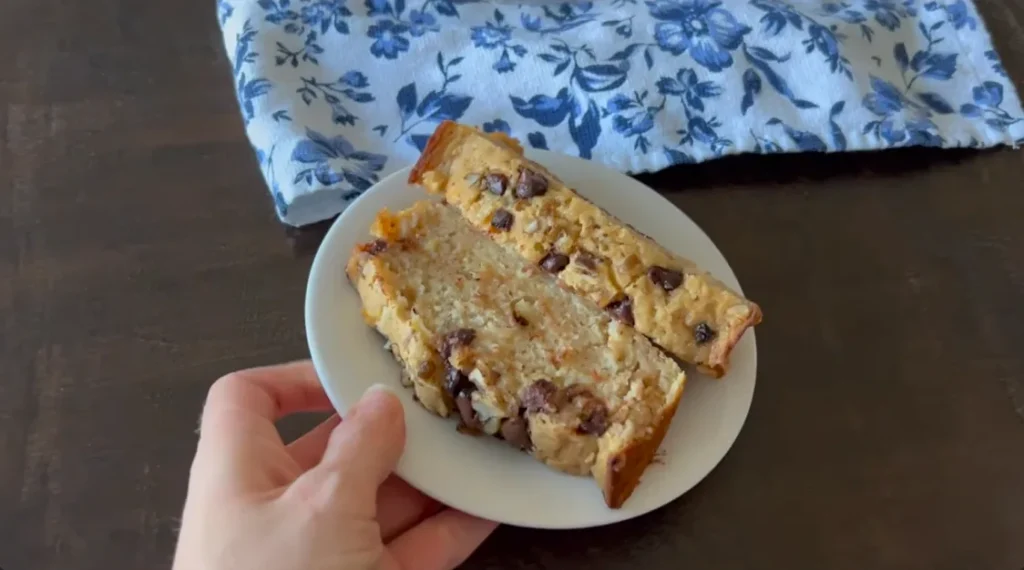
Key Tips for a Perfect Banana Bread
For banana bread with self-rising flour, prepare the loaf pan with butter for easy release and preheat the oven to 300°F. If your bananas aren’t ripe, bake them on a baking sheet for about 15 minutes until the skins turn black, then cool and peel for extra sweetness.
Measuring and Preparing the Batter
Measure ingredients carefully—use a kitchen scale for self-rising flour, or the spoon-and-level method with a measuring cup. Mix wet and dry ingredients gently, then pour the batter into the loaf pan leaving about 1 inch at the top. You can also make mini loaves or muffins—bake for 18–20 minutes and check with a toothpick, tenting with aluminum foil if the top browns too quickly.
Baking and Storing
Once the banana bread is done, let it cool briefly, then transfer it to a cooling rack. To keep it moist, cover with plastic wrap or store in an airtight container, or wrap it in parchment paper for a soft, bakery-style texture. Let it cool completely before storing.
Now that you know the recipe, watch it come together in action!
Fun serving Suggestions
As an food explorer, I am trying my best to tell you all homemade recipes that you can enjoy at minimum cost and hygienic. I am giving you my other recipes which are related to Sweet Crawings. Some other recipes are giving below:
No Eggs, No Fuss: Perfect Peanut Butter Cookies in 3 Steps
No Milk? No Worries! The Best Pancakes You’ll Ever Taste
Secret Banana Bread Recipe with 2 Bananas Revealed
Fail-Proof Waffle Recipe Without Milk for Beginners
Making Cookies Without Butter That Melt in Your Mouth
Frequently Asked Questions (FAQs)
Can Unripe Bananas Work for Banana Bread?
Unripe bananas aren’t ideal for banana bread because they lack sweetness and softness. Overripe bananas give the best moisture, flavor, and natural sweetness—the more brown and spotted, the better for a delicious banana dessert.
What is the difference between self-rising flour and all-purpose flour for banana bread?
When making banana bread with self-rising flour, the main difference from all-purpose or plain flour is that it already contains a leavener. This means you don’t need to add baking powder, baking soda, or salt.
Substituting Self-Rising Flour with All-Purpose Flour in Banana Bread
Yes, you can use all-purpose flour instead of self-rising flour, but you’ll need to add baking powder, baking soda, and salt for proper rise. You can also make self-rising flour at home by mixing all-purpose flour with baking powder and salt.
Can Frozen Bananas Be Used in Banana Bread?
Yes, you can use frozen bananas for banana bread. Just thaw them first and drain any extra liquid so the bread doesn’t become too moist, then follow the recipe as usual.
Can I add extra ingredients like nuts or chocolate chips when using self-rising flour in banana bread?
Yes, you can add nuts or chocolate chips to banana bread made with self-rising flour. Just gently fold them into the batter before baking.
The Number One Mistake in Making Banana Bread
The biggest mistake in banana bread is overmixing the batter. Gently fold the dry ingredients into the wet ingredients until just combined—overmixing develops too much gluten and can make the loaf tough and dense.
How to Check if Banana Bread is Done Without a Toothpick
Check banana bread after about 45 minutes. Insert a toothpick, thin knife, or wooden skewer into the center—if it comes out clean or with a few moist crumbs, it’s done. If wet batter appears, bake a little longer.
Should I Wrap Banana Bread in Plastic Wrap?
After baking banana bread with self-rising flour, wrap it in plastic wrap while slightly warm to keep it moist. Store it in an airtight container in the fridge or at room temperature until ready to enjoy.
How to Tell if a Banana is Too Rotten for Banana Bread?
If a banana smells odd, is completely dark inside, or has mold, it’s too rotten for banana bread. A few brown spots are fine, but always check before using it in your recipe.
How to Store Banana Bread?
Wrap leftover banana bread in plastic wrap and store it in an airtight container. It lasts 5–7 days in the fridge or 3–4 days at room temperature.







One Comment