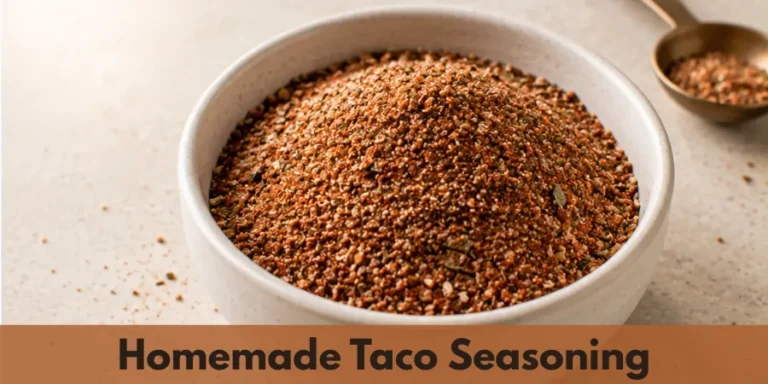
I was after the perfect chili seasoning mix and found store-bought packets full of additives, preservatives, and gluten—a no-go for my gluten-free diet. So, I made my own with pantry ingredients, and it was easy and cheap compared to pricey packets.
After a few tweaks, I perfected my own blend. Using simple ingredients from my spice rack, I found that homemade chili was not only more affordable but also much more flavorful. Whether for chili, taco night, or roasted veggies, this chili seasoning mix adds the perfect touch.
Chili Seasoning Recipe-The Short Answer
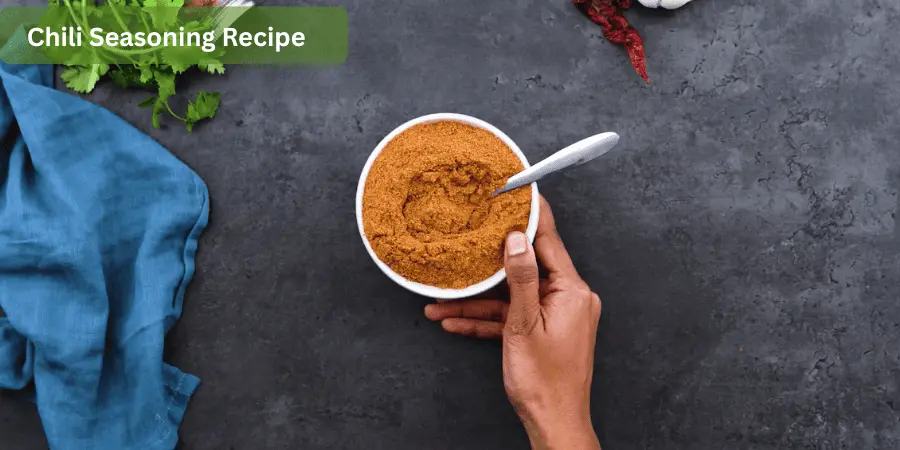
Before you start, skim through the ingredients and steps below — I’ve kept everything super simple! And once you’re ready, there’s a quick video at the end to see exactly how it’s done.
The best part? It’s handy, and the ratios can be adjusted to your taste. It works for all types of chili, from basic ground beef to leaner ground turkey. This recipe is a game-changer, making every meal feel like a cozy treat with friends. Why pay extra for something so simple when you can have a superior home version at a fraction of the cost?
How to Make Homemade Chili Seasoning
Making your own chili seasoning is simple and cost-effective. Measure your ingredients, whisk them together in a bowl, and store in an airtight container like a mason jar. Shake before use to ensure even mixing. This recipe makes ½ cup, enough for 6 servings of chili, whether with ground beef or turkey.
Prep in advance for a cozy, budget-friendly meal. Ensure the spice container is large enough for proper mixing.
Ingredients
Coriander powder: Adds a mild citrusy depth to the seasoning.
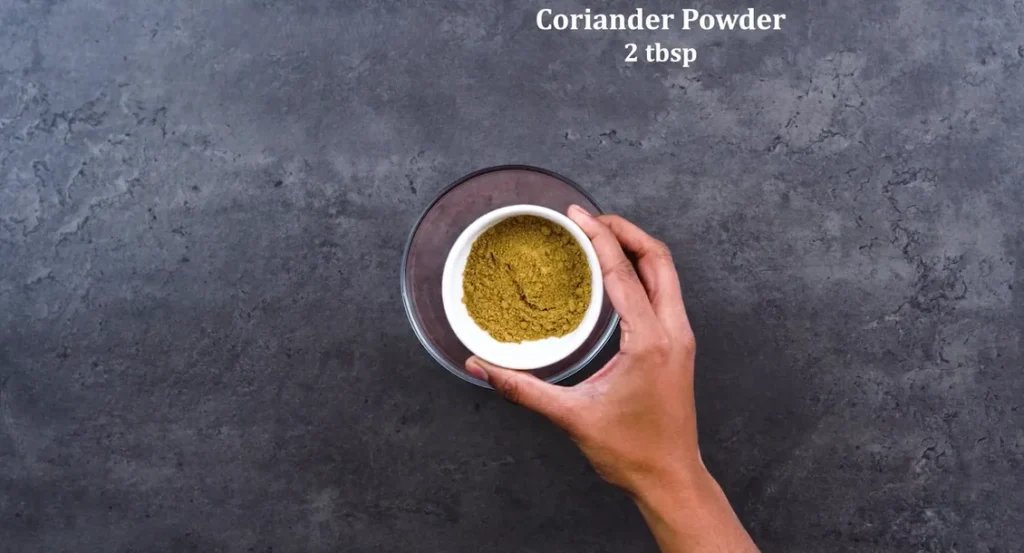
When crafting a chili seasoning, each ingredient plays an important role in creating the perfect balance of flavors. Here’s a breakdown of the key ingredients I always use:
- Chili powder: The base of the mix, providing a rich, earthy flavor essential for chili.
- Paprika: Adds mild smokiness and color, complementing the chili powder and deepening the flavor.
- Cumin: Brings a warm, nutty depth to the seasoning; a must-have for chili.
- Garlic powder: Enhances the savory flavor, working with onion powder to form the mix’s backbone.
- Cayenne powder: Adds heat. I typically use 1 teaspoon for the right amount of kick.
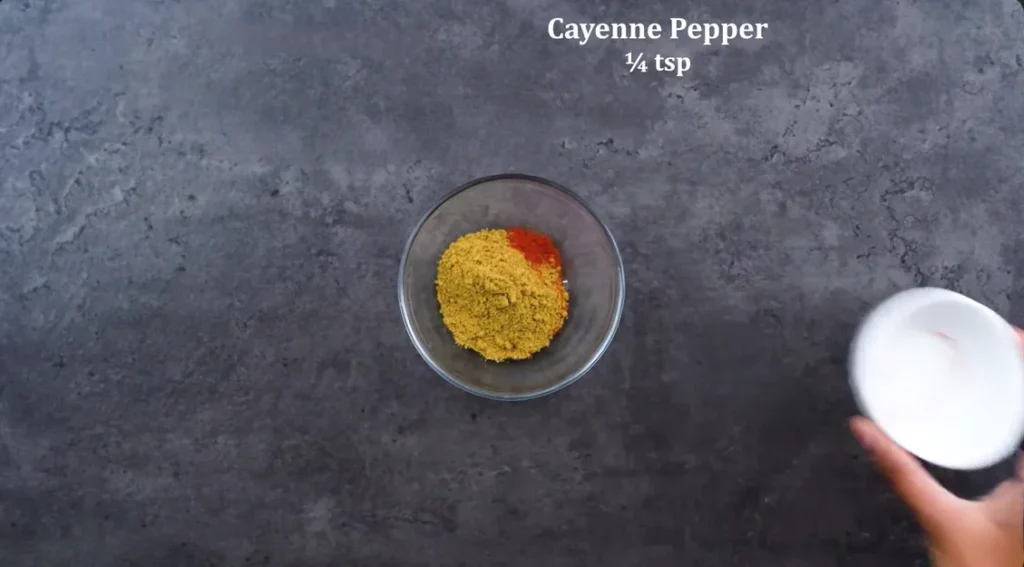
- Sea salt: Enhances the spices with a clean, mineral flavor, balancing the mix.
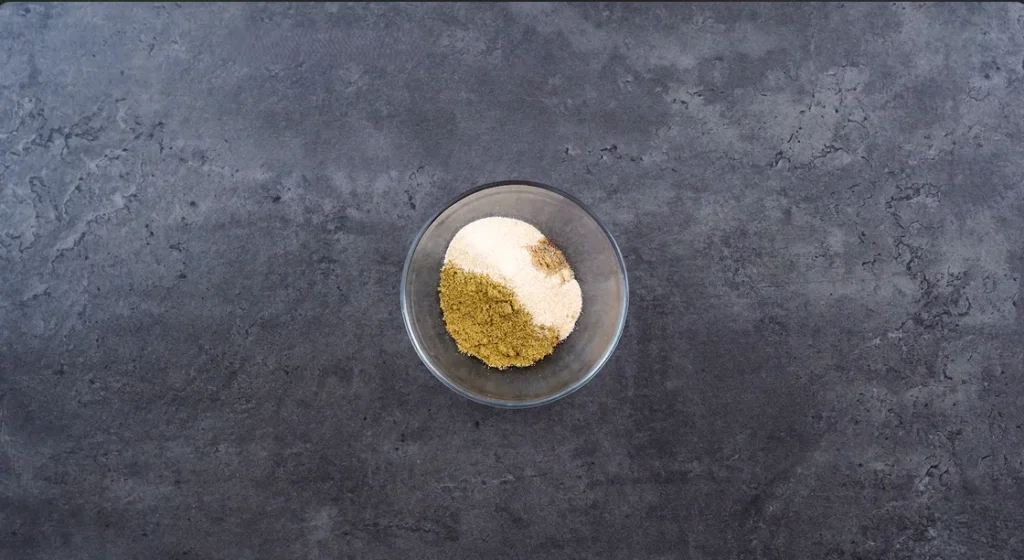
- Onion powder: Adds a savory, slightly sweet element, balancing the chili seasoning.
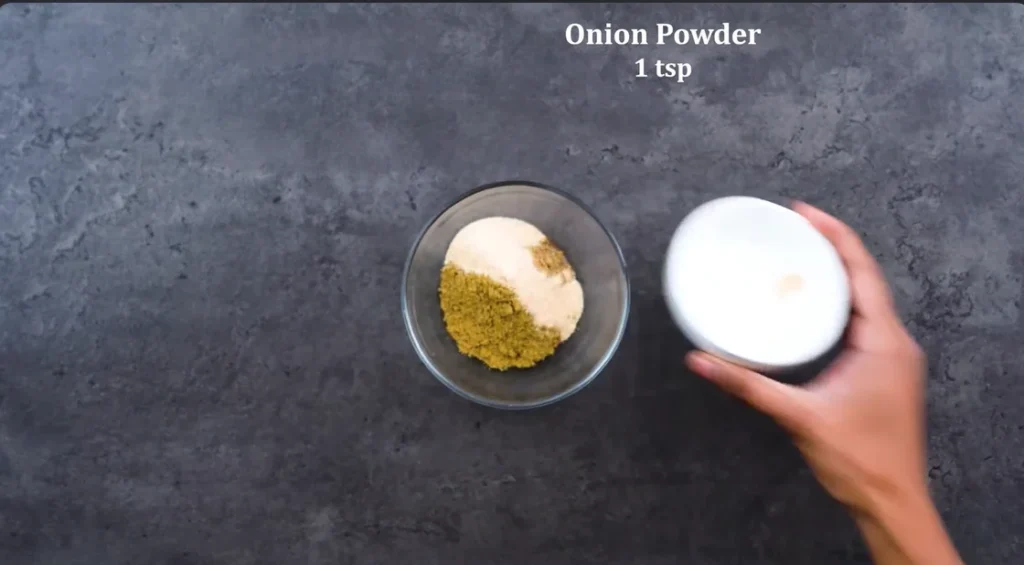
- Ground black pepper: Adds subtle heat, complementing the cayenne and other spices.
- Oregano (optional): I skip it, but if you enjoy it, oregano adds a fragrant herbal note.
Customizing Your Chili Seasoning
To make the seasoning mix, I typically use the following measurements for a standard batch:
- ¼ cup chili powder
- 1 tablespoon paprika
- 1 tablespoon ground cumin
- 2 teaspoons onion powder
- 1 teaspoon garlic powder
- 1 teaspoon cayenne powder
- 4 teaspoons sea salt
- 2 teaspoons ground black pepper
If you prefer a larger batch, you can easily scale up the ingredients. For example, you can use 2 tablespoons chili powder and adjust the other spices accordingly.
For extra flavor, I add a little smoked paprika for smokiness and sometimes a pinch of sea salt to round things off. If you want something different, try increasing the oregano to 1 teaspoon to bring out its herbaceous flavor.
Note: Adjust the cayenne powder to your spice preference. For milder heat, reduce or skip it. The beauty of homemade chili seasoning is its customizability!
How Much Seasoning Should You Use?
For a chili seasoning recipe, use 2 tablespoons of seasoning for 1 lb of ground beef serving 6-8 people. For 1 lb of ground meat, use 3-4 tablespoons. Adjust based on your spice preference. This recipe works for chicken, beef, or turkey chili. Store-bought packets usually contain 5 tablespoons, but homemade is more potent and has no fillers.
Instructions
To make your perfect chili seasoning, gather all ingredients and mix them in a bowl.
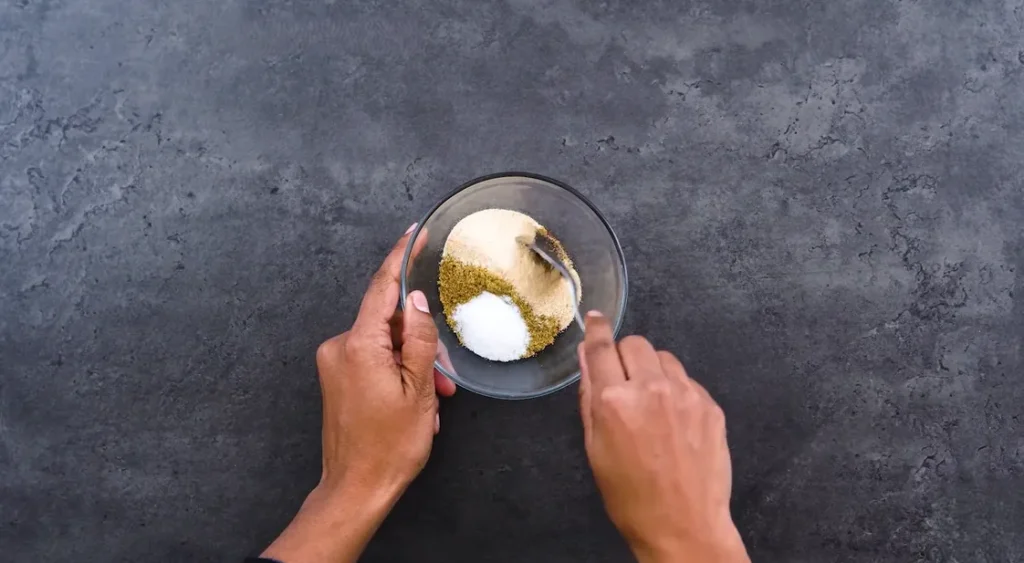
Store in an airtight container, keeping it away from heat and moisture to maintain freshness. When stored properly, this seasoning lasts up to six months, giving you plenty of time to enjoy it in your favorite chili dishes.
Storing Spices for Optimal Freshness
To keep your homemade spice mixes fresh and flavorful, store them in a sealed container in a cool, dark place like a pantry. Ground spices like chili powder can deteriorate over time if exposed to heat, light, or moisture, losing taste and color. Avoid sunlight to maintain their potency.
Buying spices in bulk is cost-effective, but use them within a few months for fresh flavor. Store in mason jars or an airtight container for up to 6-8 months. Sauté spices with ground beef or turkey for a minute to enhance flavor before adding tomatoes and beans.
Notes & Nutrition
Chili Seasoning Overview
- This chili seasoning recipe makes enough for one pot of chili, which typically yields about 6 servings.
- The chili powder used can vary in spiciness, and if it’s too hot, feel free to reduce or eliminate the cayenne pepper.
- If you’re using a US-style chili powder, it may already have a savory blend with varying degrees of heat, so adjust accordingly to your preference.
Nutritional Information
- Serving Size: Each serving contains approximately 18.1 kcal.
- Carbohydrates: 2.9g per serving.
- Protein: 0.3g per serving.
- Fat: 0.1g per serving.
- Sodium: A notable 2841.5 mg per serving, so keep that in mind if you need to limit your salt intake.
- Fiber: 0.4g per serving, which is typical for a seasoning mix.
Versatility and Usage
- This seasoning is perfect for seasoning meats or vegetables, especially if you’re grilling or roasting them.
- The spice mix can add flavor without contributing many calories to the dish, making it a great choice for light yet flavorful meals.
- If you’re preparing a dish using about 3 ½ tablespoons of the seasoning, it will be enough for 1 lb of ground meat.
Detailed Nutritional Breakdown
Homemade Chili Seasoning (per tablespoon):
- 9 calories
- 1035 mg sodium
- 48 mg potassium
- 485 IU Vitamin A
- 0.2 mg Vitamin C
- 12 mg calcium
- 0.6 mg iron
For 3 ½ tablespoons (for 1 lb of ground meat):
- 66 kcal
- 12g carbohydrates
- 3g protein
This simple, flavorful chili seasoning is perfect for your cooking, with the flexibility to adjust for personal heat preferences and nutritional needs.
Chili Seasoning Recipe: Other Uses for This Homemade Chili Seasoning Mix
This homemade chili seasoning is perfect for more than just chili—it can enhance many meals. Here are some great ideas:
- Add it to chicken, peppers, and onions for a tasty homemade fajitas filling.
- Use it as a rub on ribs, pork, or steak for incredible flavors.
- Toss it into a corn and bean salad to complement summertime meals.
- Dust it over grilled corn with butter and lime for a fresh taste.
- Mix it into a watermelon salad with Feta, lime zest, and cilantro for a refreshing twist.
This chili seasoning brings bold flavors that work wonders across a variety of dishes!
Now that you know the recipe, watch it come together in action!
Variations You Can Try
As a food explorer, I am trying my best to tell you all homemade recipes that you can enjoy at minimum cost and hygienic. I am giving you my other recipes which are related to Spice & Seasoning. Some other recipes are giving below:
Homemade Spaghetti Seasoning Recipe That Beats Store-Bought
Pasta with Bechamel Sauce Recipe That Broke the Internet
How to Heat Up Alfredo Sauce Like a Pro Chef
Sweet and Sour Sauce Recipe Everyone Is Copying
I hope you will visit all these recipes and enjoy my recipes because it will boosts your craze for homemade products. I also bet that when you try first time it will boost your taste and you will become addictive to these recipes.
Frequently Asked Questions
What is chili seasoning made of?
Chili seasoning is made of chili powder, paprika, cumin, onion, and garlic powder, along with salt, pepper, and sometimes cayenne powder for added heat and flavor.
What spice gives chili flavor?
The main spice in chili is chili powder, made from ground dried chili peppers. It provides heat and flavor, enhanced by paprika and cumin.
What is the main spice in chili powder?
The main spice in chili powder is ground dried chili peppers, providing heat and flavor. Paprika and cumin complete the mix.
What is the formula of chili powder?
Chili powder is a blend of ground dried chili peppers, paprika, cumin, onion, garlic powder, salt, and pepper, with optional cayenne powder for extra heat.
Can chili seasoning substitute taco seasoning?
Yes, chili seasoning can replace taco seasoning. Both have similar ingredients like chili powder, cumin, and savory spices. Use 2 tablespoons of homemade mix to replace one packet, adjusting for heat and taste.