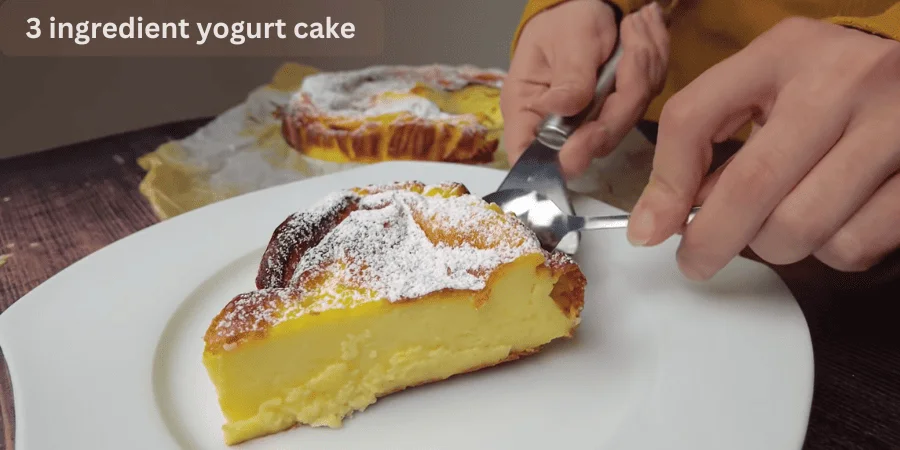
This 3 ingredient yogurt cake is made with vanilla yogurt, eggs, and cornstarch. It requires no flour, butter, or oil and comes together in just a few minutes without an electric mixer.
Although it may look similar to cheesecake, the texture is different. The center is soft, creamy, and custard-like, with a light tangy flavor and gentle sweetness from the vanilla yogurt.
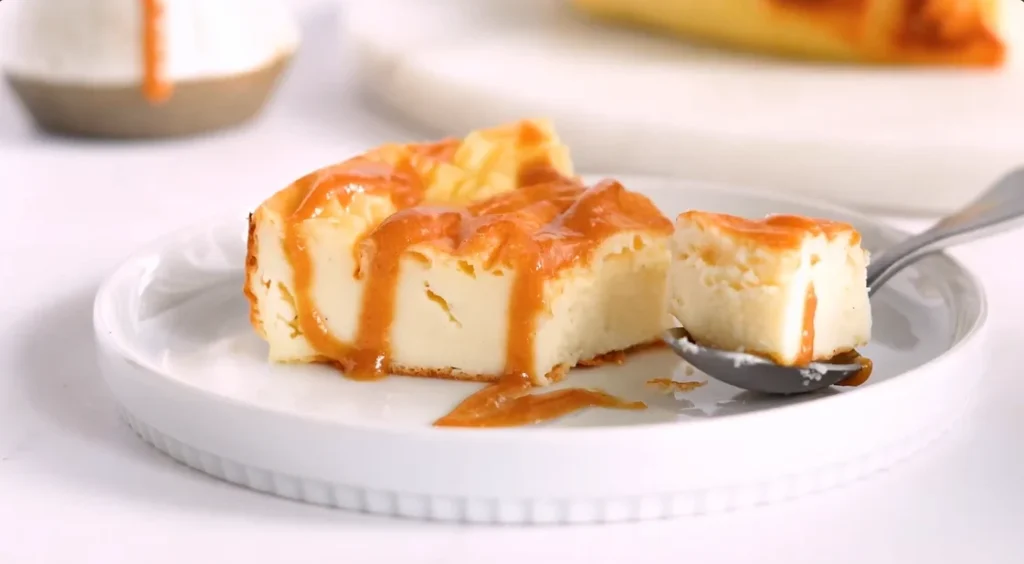
The cake naturally puffs while baking, then settles and wrinkles slightly as it cools. After chilling, it becomes firmer and easier to slice, making it a simple dessert or lightly sweet treat to prepare ahead.
3 ingredient yogurt cake-The Short Answer
Why You’ll Love This Recipe
- Easy to customize: Serve it plain or add fresh berries, fruit, honey, maple syrup, or powdered sugar.
- Only 3 ingredients: Vanilla yogurt, eggs, and cornstarch create a simple cake without a long ingredient list.
- No flour, butter, or oil: The yogurt provides moisture and creaminess, while the eggs and cornstarch help the cake set.
- No electric mixer needed: The batter can be prepared with a bowl and a hand whisk.
- Quick to prepare: Mixing the batter takes about 5 minutes before it goes into the oven.
- Soft and creamy texture: The chilled cake has a smooth, custard-like center with a light tangy flavor.
Ingredients
This simple yogurt cake needs only three ingredients. Each one plays an important role in creating the creamy texture and helping the cake hold its shape after baking and chilling.
Main Ingredients
- 1½ cups sweetened vanilla yogurt: Adds moisture, creaminess, vanilla flavor, and gentle sweetness.
- 4 large eggs: Bind the ingredients together and provide the structure needed for the cake to set.
- 4 tablespoons cornstarch: Thickens the batter and helps create a soft but sliceable custard-like texture without flour.
Ingredient Notes and Substitutions
Eggs
Eggs are essential in this recipe because they bind the ingredients and provide most of the cake’s structure.
As the cake bakes, the eggs help the soft yogurt mixture set into a creamy, custard-like texture. The cake may not hold its shape properly if the eggs are removed.

I have not tested an egg substitute in this recipe, so I cannot recommend a reliable egg-free replacement.
Use large eggs for consistent results. Whisk them with the yogurt until fully combined, but avoid beating the mixture excessively because too much incorporated air may cause the cake to puff and collapse more dramatically.
Vanilla Yogurt
Sweetened vanilla yogurt provides most of the flavor and sweetness in this recipe. Use a yogurt that you already enjoy eating because its sweetness and tanginess will affect the flavor of the finished cake.
Regular whole-milk vanilla yogurt creates a soft and creamy texture. Low-fat vanilla yogurt can also work, although the final texture may be slightly lighter.
Greek vanilla yogurt produces a thicker batter and may give the cake a firmer, tangier texture. Since yogurt consistency varies by brand, the final result may not be exactly the same with every type.
I have used regular yogurt, Greek yogurt, whole-milk yogurt, low-fat yogurt, and flavored yogurt with good results. Yoplait Original Low Fat Vanilla Yogurt is one option that provides sweetness and vanilla flavor without requiring additional sugar.
Avoid using very low-sugar or unsweetened yogurt unless you prefer a noticeably tangier and less-sweet cake. If using plain unsweetened yogurt, additional sweetener may be needed according to your taste.
Other yogurt flavors can be used, but they may change the color and flavor of the finished cake. Coconut, strawberry, or other fruit-flavored yogurts can create different variations
Cornstarch
Cornstarch thickens the yogurt and egg mixture while helping the cake become firm enough to slice after chilling.
It replaces the need for flour in this recipe, but the finished cake will not have the fluffy crumb of a traditional flour cake. Its texture is smoother, creamier, and more similar to a baked custard.
Sift the cornstarch before mixing to remove any lumps. Whisk until the batter is smooth and no dry pockets remain.
I have not tested another starch or flour as a direct replacement, so I cannot guarantee the same texture with substitutions.
Optional Toppings
The cake can be served plain or finished with a simple topping after it has cooled and chilled.
- Fresh strawberries, blueberries, raspberries, or sliced apricots
- A light drizzle of honey or maple syrup
- A spoonful of vanilla yogurt
- A small amount of powdered sugar
- Whipped cream for a richer dessert
- Chocolate sauce for extra sweetness
Add toppings shortly before serving so the surface of the cake remains fresh and does not become overly moist.
How to Make It
This yogurt cake requires only a few minutes of preparation. Mix the ingredients until smooth, pour the batter into a lined pan, and bake until the center is set.
Step 1: Preheat the Oven
Preheat the oven to 350°F (175°C).
Allow the oven to heat fully before placing the cake inside. Starting with a properly preheated oven helps the cake bake more evenly from the edges toward the center.
Place an oven rack in the middle position so the cake receives even heat.
Step 2: Mix the Yogurt and Eggs
Add the vanilla yogurt and eggs to a large mixing bowl.
Whisk until the mixture is smooth and evenly combined. Make sure no visible streaks of egg remain.
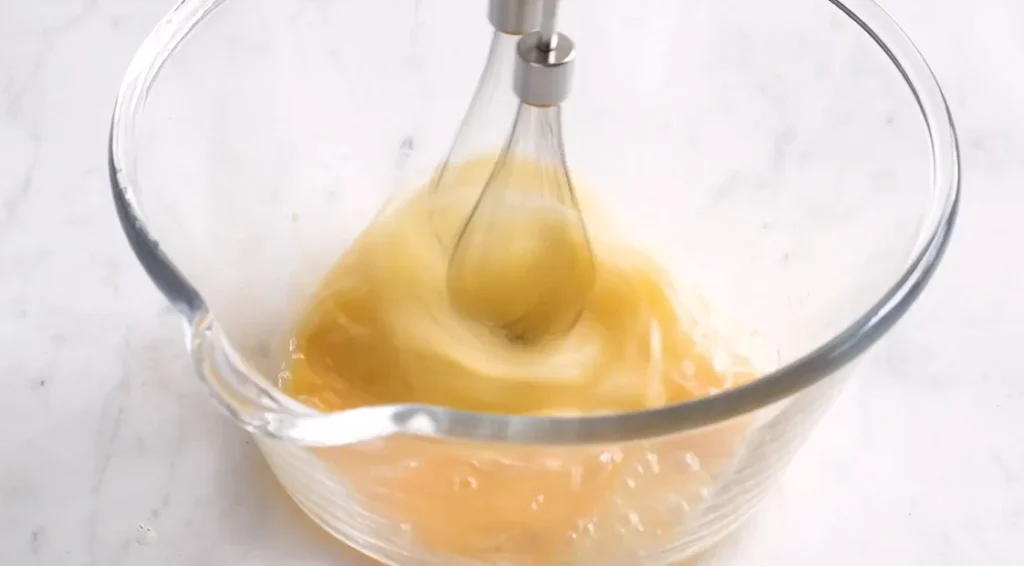
Avoid whisking too vigorously or for longer than needed. Too much air can cause the cake to rise quickly and collapse more noticeably as it cools.
Step 3: Add the Cornstarch
Sift the cornstarch through a fine-mesh strainer directly into the yogurt and egg mixture.
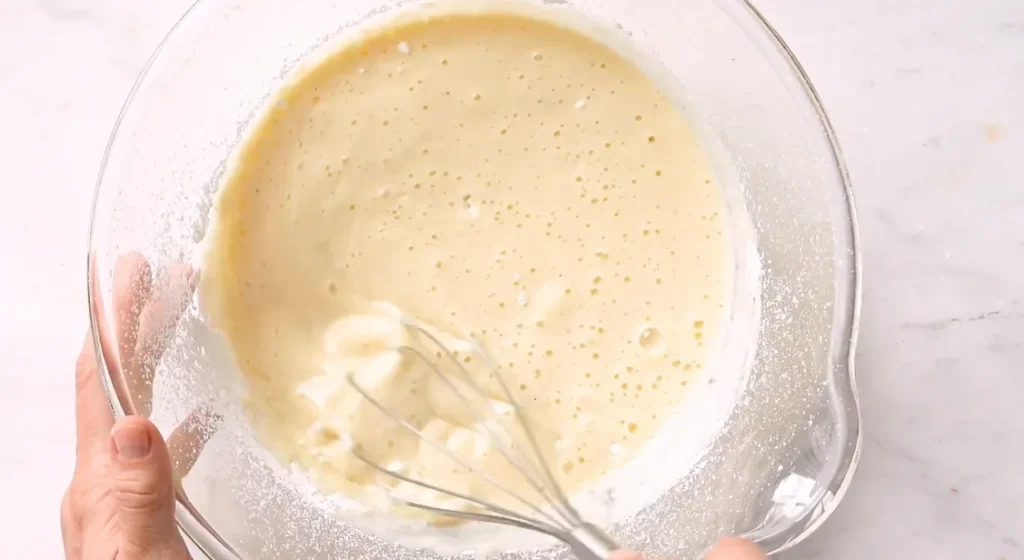
Whisk gently until the batter becomes smooth
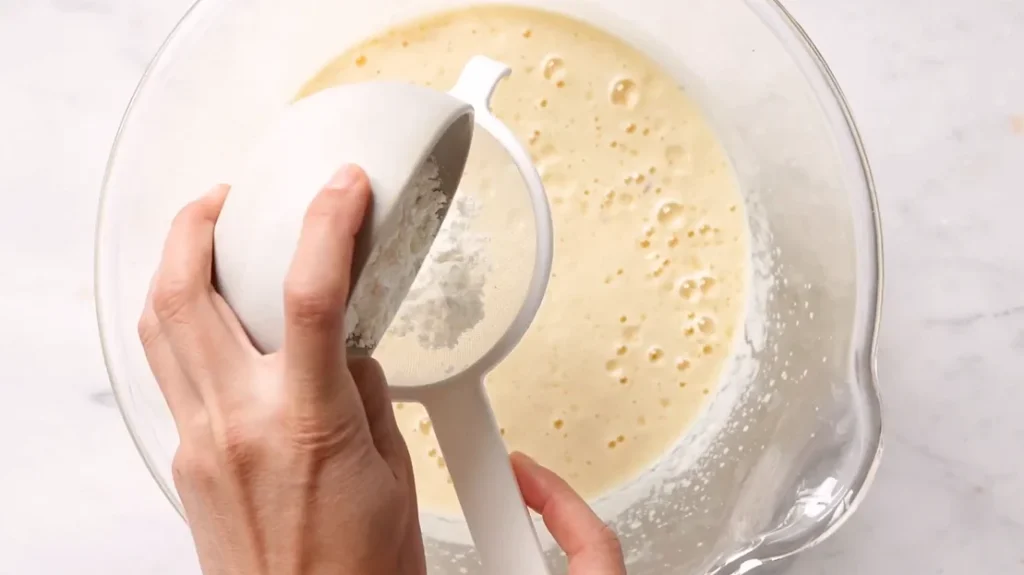
and no dry pockets or cornstarch lumps remain. Scrape the sides and bottom of the bowl to make sure everything is evenly combined.
The finished batter will be thin and pourable. This is normal because the cake develops its creamy, custard-like texture while baking and chilling.
How to Prepare the Baking Pan
Line a loaf pan or round springform pan with one large sheet of parchment paper.
Lightly grease the inside of the pan before adding the parchment. This helps hold the paper in place while you pour in the batter.
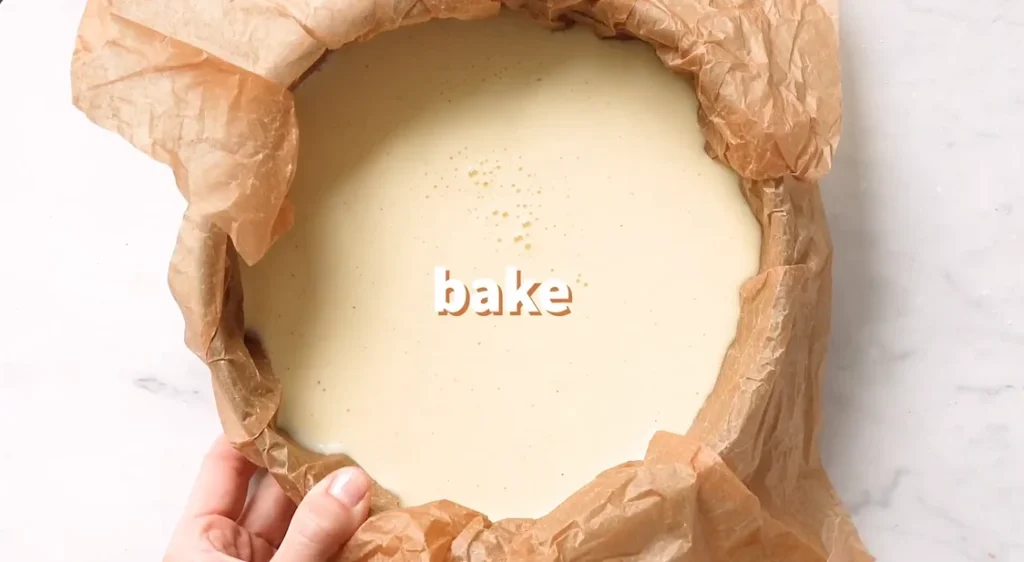
Press the parchment into the bottom and sides of the pan. Some folds and wrinkles are normal and may give the finished cake a rustic appearance.
Using one large sheet of parchment is especially helpful with a springform pan because it reduces the chance of the thin batter leaking through gaps between separate pieces of paper.
Leave enough parchment extending above the sides so the chilled cake is easier to lift from the pan.
Pour the prepared batter into the lined pan. Gently tap the pan once or twice on the counter to release large air bubbles, but avoid tapping too firmly.
Baking Time and Doneness
Place the pan on the center rack of the preheated oven and bake at 350°F (175°C) for approximately 50–60 minutes.
The exact baking time may vary depending on the size and depth of the pan. A wider pan creates a thinner cake that may bake more quickly, while a smaller or deeper pan may require additional time.
The cake is ready when the top is lightly golden, the edges appear set, and the center no longer looks wet. The middle may still have a slight gentle wobble, but it should not move like liquid.
Insert a toothpick into the center to check the texture. It should come out mostly clean without wet batter. A little moisture is normal because this cake has a soft, custard-like center.
Avoid baking until the cake becomes completely dry or firm. Overbaking can reduce its creamy texture and may make the edges rubbery.
Cooling and Chilling the Cake
Remove the cake from the oven and place the pan on a heat-safe surface or wire rack.
Allow it to cool in the pan at room temperature for about 30 minutes. The cake will begin to deflate, and the top may wrinkle or sink slightly as it cools.
This change is normal. The cake rises from the eggs during baking and naturally settles as the steam escapes and the center cools.
Once the pan is no longer hot, cover it and transfer the cake to the refrigerator. Chill for at least 2 hours before removing it from the pan and slicing.
Chilling gives the soft center time to become firmer and helps the cake hold its shape. For an even more set texture, you can chill it overnight.
Lift the cake carefully using the parchment paper. Remove the paper gently, then transfer the cake to a serving plate.
For a slightly softer and creamier texture, let the chilled cake sit at room temperature for about 10–15 minutes before serving.
Sugar, Measurements, and Adjustments
- I keep in mind that adding granulated sugar before baking—around 1/4 cup or 1/2 cup if unsweetened—lets me taste and adjust, but increases calorie count.
- The original recipe circulating used measurements in grams, specifically 400 yogurt, 4 eggs, and 40 cornstarch.
- To simplify conversion, I avoid exact metric conversions, skip extra measuring spoons, tweak it for US kitchens, making it easier to enjoy as dessert or breakfast—Bon Appétit, enjoy.
Expert Tips
- Use sweetened vanilla yogurt that you enjoy eating because its sweetness and tanginess determine much of the cake’s final flavor.
- Bring the yogurt and eggs closer to room temperature before mixing. Ingredients at a similar temperature combine more smoothly.
- Sift the cornstarch before adding it to prevent dry lumps in the batter.
- Whisk only until the ingredients are smooth and combined. Excessive whisking can add too much air to the batter.
- Use one large sheet of parchment paper, especially in a springform pan, to help prevent the thin batter from leaking.
- Expect the cake to puff during baking and settle as it cools. Wrinkles and a slightly sunken center are normal.
- Check the cake near the end of the baking time because different pan sizes can affect how quickly it cooks.
- Allow enough chilling time. The cake will be very soft while warm and becomes firmer and easier to slice after refrigeration.
- Use a clean, sharp knife for slicing. Wipe the blade between cuts for neater pieces.
Common Mistakes to Avoid
Do not use unsweetened yogurt while expecting the same sweetness as vanilla yogurt. If using plain yogurt, taste it first and add sweetener only if needed.
Avoid adding the cornstarch without sifting if it contains visible lumps. Cornstarch pockets may remain in the batter and affect the finished texture.
Do not overmix the batter. Whisk only until the eggs, yogurt, and cornstarch are evenly combined.
Avoid using separate small pieces of parchment in a springform pan. The thin batter may find gaps and leak through the bottom.
Do not remove the cake from the pan while it is hot. The center remains delicate until it cools and chills.
Avoid skipping the refrigeration time. Cooling at room temperature is not enough for the cake to develop its firmer, sliceable texture.
Do not expect the cake to remain tall after baking. Some deflating, shrinking, and wrinkling are natural for this custard-like yogurt cake.
Topping and Serving Ideas
This 3 ingredient yogurt cake can be served plain or finished with simple toppings. Its mild vanilla flavor and creamy, custard-like texture pair well with fresh fruit and lightly sweet additions.
Serve the cake chilled for a firmer texture and cleaner slices. For a softer and creamier texture, remove it from the refrigerator about 10–15 minutes before serving.
Top each slice with fresh strawberries, blueberries, raspberries, sliced peaches, or apricots. A small spoonful of vanilla yogurt can add extra creaminess without making the dessert too heavy.
For additional sweetness, drizzle a small amount of honey or maple syrup over each slice. You can also add powdered sugar, whipped cream, or chocolate sauce for a richer dessert.
Recipe Variations
This simple yogurt cake can be adjusted with different yogurt flavors and toppings. Keep the amounts of yogurt, eggs, and cornstarch the same so the batter maintains a similar consistency.
- Use coconut-flavored yogurt for a mild tropical flavor.
- Try strawberry, blueberry, peach, or another fruit-flavored yogurt to change the flavor and color of the cake.
- Add a small amount of cinnamon, nutmeg, or cardamom for a warm, lightly spiced flavor.
- Add fresh lemon or orange zest for a brighter citrus flavor without adding extra liquid.
- Use plain yogurt for a tangier and less-sweet cake. If needed, add sugar gradually according to your taste.
- Top the chilled cake with fresh berries, sliced fruit, honey, maple syrup, powdered sugar, whipped cream, or chocolate sauce.
Different yogurt brands vary in thickness, sweetness, and fat content, so the final flavor and texture may change slightly.
How to Store 3 Ingredient Yogurt Cake
Allow the cake to cool completely before covering and refrigerating it.
Store the cake in an airtight container or keep it tightly covered in the refrigerator. Because the recipe contains yogurt and eggs, it should remain refrigerated rather than being stored at room temperature.
For the best flavor and creamy texture, enjoy the cake within 2–3 days. The surface may release a small amount of moisture during storage, especially when made with thinner yogurt.
Keep fresh fruit, whipped cream, yogurt, and other moist toppings separate until serving. This helps prevent the surface of the cake from becoming watery.
Freezing is not recommended because the creamy, custard-like texture may become grainy or release moisture after thawing.
Nutrition Insight
One slice of this 3 ingredient yogurt cake contains approximately:
- Calories: 80–82 kcal
- Carbohydrates: 7–11g
- Protein: 4g
- Fat: 2g
- Saturated Fat: 2g
- Polyunsaturated Fat: 0.5g
- Monounsaturated Fat: 1g
- Trans Fat: 0.01g
- Cholesterol: 88mg
- Sodium: 49–53mg
- Potassium: 102mg
- Fiber: 0.04g
- Vitamin A: 164 IU
- Vitamin C: 0.2mg
- Calcium: 68mg
- Iron: 0.4mg
Nutrition values are estimates and may vary depending on the yogurt brand, sweetness level, fat content, serving size, and any toppings used.
If you use additional sugar, honey, maple syrup, whipped cream, or chocolate sauce, the nutrition values will change. For specific dietary or medical guidance, consult a qualified healthcare professional or registered dietitian.
More Easy Baking Recipes to Try
If you love easy baking hacks, don’t miss our guide on Making Cookies Without Butter That Melt in Your Mouth, a must-try for soft and rich treats without dairy. Beginners will also appreciate the Fail-Proof Waffle Recipe Without Milk for Beginners, which guarantees crisp, fluffy waffles every time. For quick loaf lovers, Fast & Fluffy Banana Bread with Self Rising Flour is ideal when you want results without extra steps, while the Secret Banana Bread Recipe with 2 Bananas Revealed proves you don’t need a full bunch to bake something amazing. And if your fridge is empty, No Milk? No Worries! The Best Pancakes You’ll Ever Taste has you covered with a breakfast recipe that never disappoints.
Frequently Asked Questions
How Do I Know When the Yogurt Cake Is Ready?
After about 50–60 minutes of baking, the top should be lightly golden and the edges should appear set. The center may have a gentle wobble, but it should not look wet or move like liquid.
Insert a toothpick into the center. It should come out mostly clean without wet batter, although a little moisture is normal because the cake has a creamy, custard-like texture.
What Should I Expect After Baking the Cake?
The cake will puff while baking, then begin to deflate as it cools. The top may wrinkle, the edges may shrink slightly, and the center may settle.
These changes are normal for this type of yogurt and egg-based cake. Chilling helps the center become firmer and easier to slice.
How Long Should I Let the Cake Cool?
Allow the cake to cool in the pan at room temperature for about 30 minutes.
Once the pan is no longer hot, cover and refrigerate the cake for at least 2 hours. Chilling overnight can create an even firmer texture.
Can I Use Dairy-Free Yogurt?
I have not tested this recipe with dairy-free yogurt, so I cannot guarantee the same result.
Different dairy-free yogurts vary in thickness, protein, fat, and stabilizers, which may affect how the cake sets. If you try one, choose a thick, sweetened vanilla yogurt and expect that the texture may differ.
Can I Use Greek Yogurt?
Yes. Greek vanilla yogurt can be used, but it may create a thicker batter and a firmer, tangier cake.
Because Greek yogurt brands vary in thickness and sweetness, you may need to adjust the sweetness according to your taste.
Can I Use Plain Yogurt?
Yes, but plain yogurt will create a tangier and less-sweet cake.
If using unsweetened yogurt, add sugar according to your preferred sweetness. Keep in mind that additional sugar changes the nutrition values.
What Does Yogurt Do in This Cake?
Yogurt provides moisture, creaminess, tangy flavor, and most of the sweetness when sweetened vanilla yogurt is used.
Together with the eggs and cornstarch, it creates a soft, custard-like texture without requiring flour, butter, or oil.
What Does Greek Yogurt Replace in This Recipe?
In this recipe, yogurt provides moisture and creaminess, so no butter or oil is needed.
However, this cake is different from a traditional flour-based cake. It has a creamy, custard-like texture rather than a light and fluffy cake crumb.
Can I Make This Cake Without Eggs?
I have not tested an egg-free version and cannot recommend a reliable substitute.
Eggs provide most of the structure and help the yogurt mixture set during baking. Removing them may prevent the cake from holding its shape.
Can I Replace the Cornstarch?
I have not tested flour, tapioca starch, potato starch, or another thickener as a direct replacement.
Cornstarch helps thicken the batter and gives the chilled cake a soft but sliceable texture. A substitution may change the baking time and final consistency.
Why Does My Yogurt Cake Taste Eggy?
An eggy flavor may be more noticeable when using plain or very low-sugar yogurt.
Use a sweetened vanilla yogurt with a flavor you enjoy, and whisk the eggs thoroughly into the yogurt. Chilling the cake before serving may also help the flavors become more balanced.
Why Is My Yogurt Cake Too Soft?
The cake may need more baking or chilling time.
Make sure the center no longer looks wet before removing it from the oven. Allow the cake to cool, then refrigerate it for at least 2 hours before slicing.
Final Thoughts
This easy 3 ingredient yogurt cake combines vanilla yogurt, eggs, and cornstarch to create a soft, creamy, custard-like dessert without flour, butter, or oil.
The batter takes only a few minutes to prepare and does not require an electric mixer. Allow the cake to cool and chill before slicing because refrigeration helps the center become firmer and improves the final texture.
Serve it plain or add fresh fruit, honey, maple syrup, powdered sugar, yogurt, or another favorite topping.