If you’re looking to make egg-free cookies, options like Aquafaba, tofu, flaxseed, and chia provide the right moisture, texture, and binding. These egg replacers are great for vegan and allergy-friendly treats. They make baking easier and healthier.
These alternatives ensure your cookies have the perfect fluffiness and creamy flavor while being dairy-free or eggless. You can still safely indulge in your favorite baked goods without compromising taste.
Egg Substitute For Cookies-The Short Answer
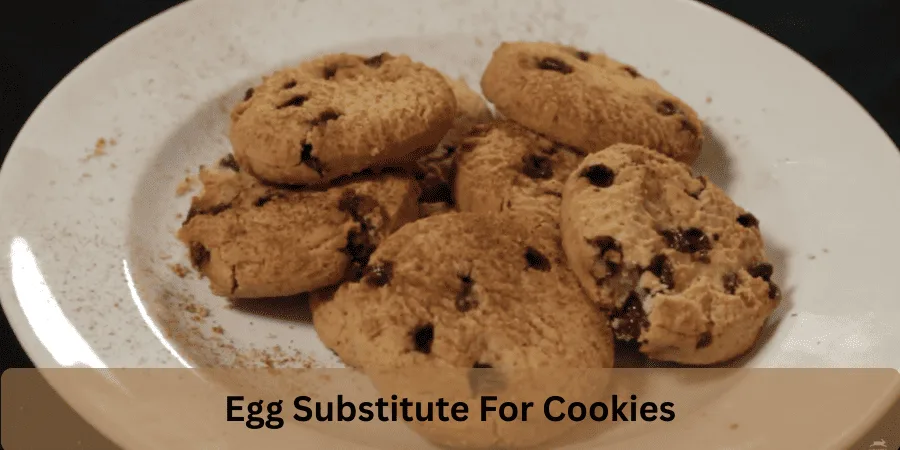
Before you start, skim through the ingredients and steps below — I’ve kept everything super simple! And once you’re ready, there’s a quick video at the end to see exactly how it’s done.
Why You’ll Love These Soft & Chewy Cookies
These cookies bring back memories of those classic $1 school cookies from elementary and high school. They stay soft for days after being baked, whether under-baked or crispy, making them an irresistible treat.
Once you take a bite, you’ll fall in love and trust me when I say you’ll want to make cookies asap. Turn them into ice cream cookie sandwiches for your next birthday bash or fancy schmancy gathering, and don’t forget to save this recipe on Pinterest to come back for more!
Why Eggs are Necessary in Old Style Cookies
- Eggs are essential in traditional baked goods, acting as a binder to hold everything together.
- They assist with leavening, helping baked goods rise; without them, treats like cupcakes and brownies can become sunk or dense.
- To compensate, adding baking soda (1/4 teaspoon) or baking powder (1/2 teaspoon) can help the dough rise even when making cookies without eggs.
What Quantity of Egg Substitute Should I Use Per Egg?
When using an egg substitute for cookies, the quantity varies by type. For flaxseed, use 1 tablespoon of flax meal and 3 tablespoons of water per egg. If using aquafaba (the liquid from chickpeas), you’ll need 3 tablespoons for each egg replacement.
What’s the recipe for a flaxseed egg substitute?
- To make a flax egg, mix 1 tablespoon of flax meal with 3 tablespoons of water.
- Let the mixture sit for 5 minutes to gel.
- This mixture acts as a good binder and is ready to use in baked goods.
- It works best in recipes with strong flavors like brownies, but may leave a slight aftertaste.
What is the method for making a chia egg substitute?
- To make a chia egg, mix 1 tablespoon of milled chia seed with 3 tablespoons of water.
- Let the mixture sit for about 5 minutes to form a gel-like substance.
- Works best in cookies, bars, and brownies due to its great binding capacity.
- It may affect the color, texture, and taste in more delicate baked goods.
- If you don’t have milled chia seed, you can grind whole chia seeds using a coffee grinder or blender.
How can applesauce replace eggs in baking?
- Applesauce is a great egg replacer for cookies, cakes, and muffins due to its ability to add moisture and tenderness.
- Use 1 egg = 1/4 cup applesauce in your recipe as a simple substitution.
- Works well in lightly-flavored treats like vanilla cupcakes, where the apple flavor enhances the taste.
- Because applesauce has the highest moisture content, reduce the liquid by a tablespoon or two to avoid a wet batter.
How does Bob’s Red Mill Egg Replacer work in recipes?
- Bob’s Red Mill Egg Replacer is a pre-packaged egg substitute made from a combination of starches, baking soda, and psyllium husk.
- To replace 1 egg, mix 1 tablespoon of egg replacer with 2 tablespoons of water, let it sit for a minute, and use it in your baked goods.
- It provides the perfect moisture for cookies, brownies, and cake, resulting in a flavorless but chewy texture.
- A reliable egg substitute to keep on hand for all your baked goods needs!
How do you substitute aquafaba for eggs in baking?
- If you’re looking for a vegan alternative to eggs in baking, aquafaba is a great choice.
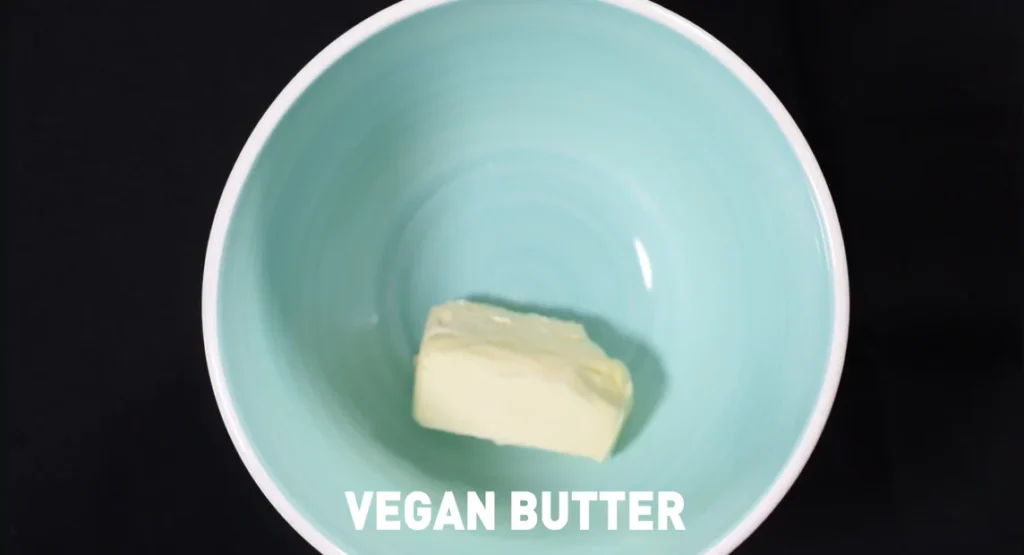
- This liquid from canned chickpeas has natural binding properties, making it a perfect egg replacer.

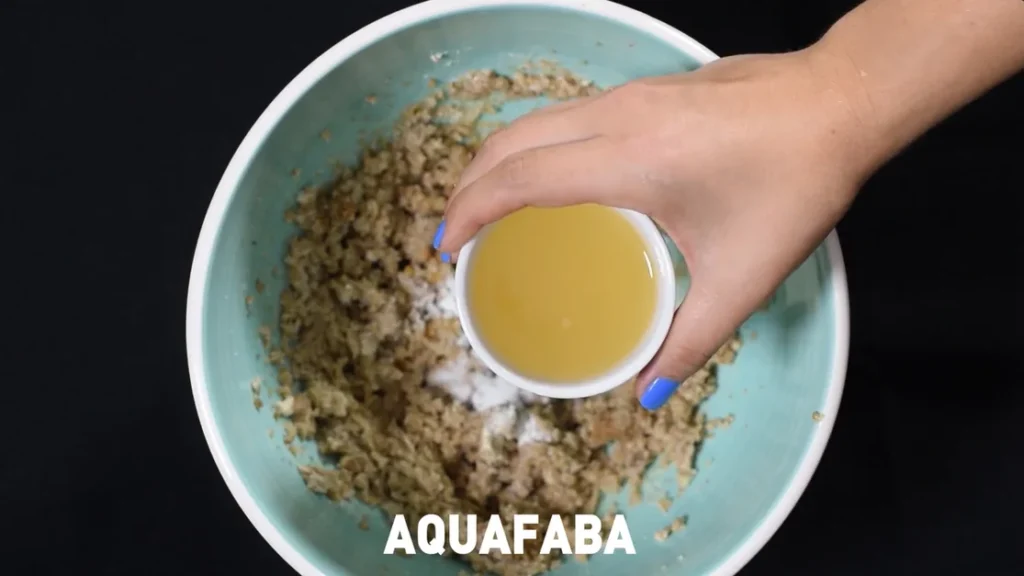
- To replace 1 egg, use 3 tablespoons of aquafaba.
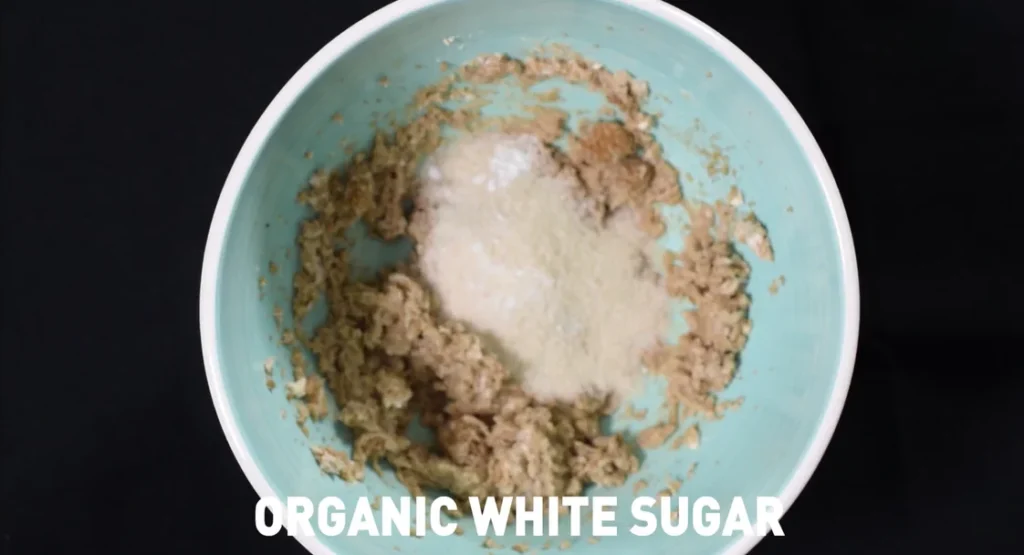
- You can also whip it to mimic egg whites for baked goods or mayo.

- Remember to reduce the liquid by 1 or 2 tablespoons in your recipe to avoid excess moisture and get a crunchy exterior.
How to Use Yogurt as an Egg Replacer
- Yogurt is an excellent egg replacer. Its lactic acid helps with baking soda or baking powder to make the dough rise and create a fluffy texture in baked goods.
- Use 1/4 cup of plain yogurt or Greek yogurt for each egg. I prefer Greek yogurt for its lower moisture content, but plain yogurt works fine too.
- Both options add a rich, creamy texture without changing the flavor, making cookies tender and delicious.
- Replacing eggs with yogurt is easy—no prep needed. Just swap out the egg for the yogurt.
- This works best in recipes like muffins, cupcakes, brownies, and bars, adding moisture and creaminess.
- Avoid sweetened yogurt or flavored yogurt as they can affect the richness and taste.
- Greek yogurt or plain yogurt gives a successful replacement that adds moisture and creamy texture to your baked products.
What’s the correct ratio of vinegar to baking soda for replacing an egg?
- I once tried using vinegar and baking soda as an egg replacer in cupcakes and brownies but ran into trouble.
- Instead of helping the rise, it had the opposite effect, creating a sunken and crunchy brownie.
- To replace 1 egg, use 1 teaspoon baking soda and 1 tablespoon vinegar (either apple cider or white vinegar).
- Simply mix them and use as you would an egg in your recipe, but be aware of the risk of unexpected results.
Our Chocolate Chip Cookie Recipe
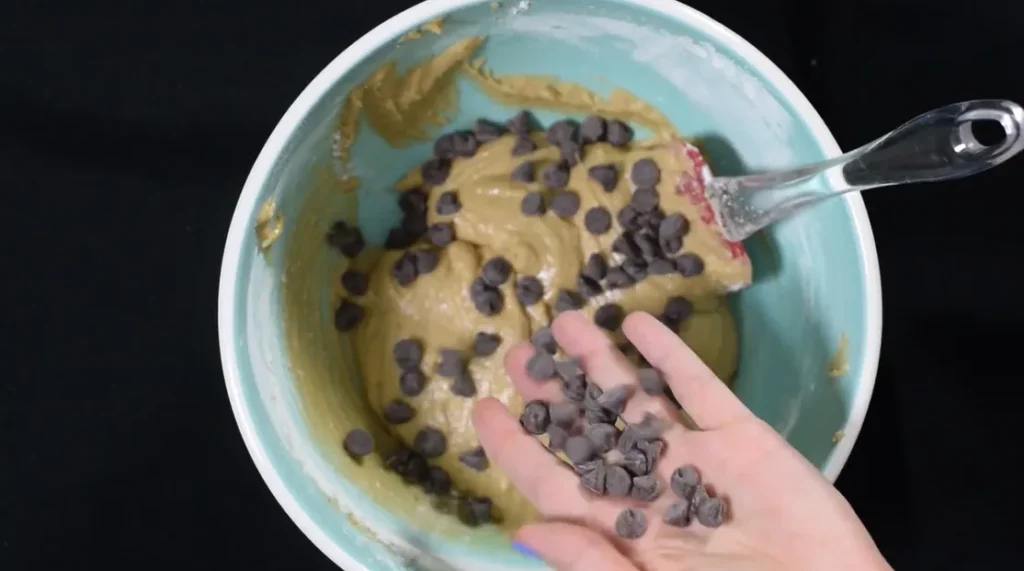
I used our classic chocolate chip cookie recipe as the base. It makes chewy, fluffy cookies with a soft interior that holds its shape, serving as the control for comparing egg substitutes while maintaining a crisp exterior.

Egg Substitute Results
Here’s a quick rundown of each egg substitute:
- Bob’s Red Mill Egg Replacer: The best, making chewy cookies with a perfect crunch and almost candy-like flavor.
- Chia Egg Substitute: Made the thickest, smallest cookies with a slight chia flavor, still chewy.
- Applesauce Egg Substitute: The softest cookies, soft-baked, crumbly, and pleasantly flavored.
- Aquafaba Egg Substitute: Produced thin, large, crunchy cookies with a slight chewiness.
- Flaxseed Egg Substitute: Firm outside, soft inside, not very chewy, with a slight aftertaste.
Experimenting with egg substitutes offers creative options, with Bob’s Red Mill Egg Replacer being the top choice for chewy cookies, while chia and applesauce offer unique alternatives.

The Best Egg Replacement for Brownies and Bars
For the best egg substitute in brownies and bars, the goal is to balance texture and taste:
- Chia + Greek Yogurt: Offers binding and leavening, resulting in moist, soft, and fudgy brownies with a crispy edge and a rich chocolate flavor.
- Flaxseed: Creates chewy, dense brownies with crispy edges, though it has a slight aftertaste.
- Applesauce: Produces moist, soft, cake-like brownies, but lacks chewiness.
- Bob’s Red Mill Egg Replacer: Makes chewy, dense brownies with a slight crisp, letting the chocolate flavor shine.
- Aquafaba: Results in moist, chewy brownies, though they lack crisp edges and are denser.
- Apple Cider Vinegar + Baking Soda: Creates dense, crunchy brownies, but with a burnt, undercooked taste.
Chia + Greek Yogurt provides the best texture and chocolatey flavor, while Bob’s Red Mill Egg Replacer and flaxseed are good alternatives for denser brownies.
Best Egg Substitute for Cakes and Muffins (Easy & Tested)
Choosing the right egg replacer can make a big difference in your cakes and muffins, helping to achieve a fluffy, moist texture and great flavor. Here are the best substitutes to try:
- Cupcake recipe with a classic style, ensuring a fluffy, moist texture and great flavors, with no odd or off tastes.
- Greek Yogurt gives a fluffy, moist inside, and slightly crisp outside texture, holding muffins together perfectly.
- Applesauce provides a crispy edge and a soft inside, giving a really delicious flavor to your muffins.
- Bob’s Red Mill egg replacer results in dense, moist muffins with a crispy exterior and a slightly undercooked texture.
- Flaxseed adds a slight flax flavor, a chewy and doughy texture, with a darker color and great density.
- Aquafaba makes super soft muffins with a crispy outside and a moist inside, though the center can feel raw.
- Chia seeds create a darker, doughy muffin with a chewy texture and pound cake resemblance.
Other Recipes You Must Try
If you’re looking to make your cookies egg-free, there are many great substitutes. Mashed bananas or applesauce can add moisture, while aquafaba works wonderfully in recipes like Classic Chocolate Chip Cookie Sticks Recipe. You can also use a flaxseed meal and water mix for a binding option.
For more delicious treats, try Caramel-Style Apple Cinnamon Empanadas (Baked or Fried) for a sweet and savory twist. Cheese Babka Recipe with Rich, Creamy Filling offers a rich, indulgent experience. You can also try Mini Churros Recipe: Easy, Crispy Churro Bites for a crunchy snack, or enjoy Soft & Chewy Cookies Rolled in Cinnamon Sugar for a cinnamon-infused delight.
FAQ’S
How does baking a cake without eggs affect the result?
Baking a cake without eggs may cause it to sink and not rise properly, with trouble cooking all the way through and a different texture than expected in an eggless cake.
H3: What should you know about using vegan egg replacements?
Using vegan egg substitutes in cookies might not give you the exactly same result as with an actual egg, but with experimenting, you can find an ideal texture that’s still delicious and works well for eggless baking.