Heating up Alfredo sauce without ruining its creamy texture can be tricky, but with the right methods, it stays delicious. Whether you’re reheating leftovers from a night of fettuccine Alfredo or enjoying a comforting meal the next day, following the best guide and instructions using gentle heat and stirring in a bit of butter or heavy cream keeps the sauce smooth and glossy and prevents it from separating.
Adding parmesan cheese or fresh herbs like garlic, onions, or black pepper boosts the flavor of reheated Alfredo sauce, just like a fresh serving. This Italian sauce has evolved into variations like chicken Alfredo or shrimp Alfredo, making it a filling meal. These tips ensure your reheated sauce stays smooth and tasty.
How to Heat Up Alfredo Sauce-The Short Answer
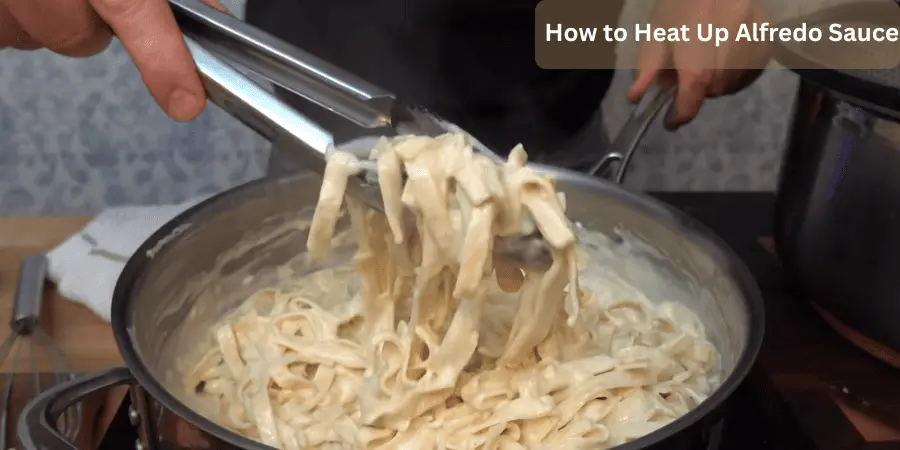
Why Does Alfredo Sauce Break When Reheated?
Reheating Alfredo sauce can break its emulsion of butter, milk fats, and heavy cream, causing clumps and grease. Use a heavy-bottomed pan over low heat, stirring regularly, and add a bit of milk or water if it thickens to stay silky smooth and delicious. Avoid microwaving, which can heat unevenly and break the sauce.
How to Reheat Alfredo Sauce Without Separation
When reheating Alfredo sauce, avoid separation, which occurs when the fat and water don’t mix properly. To prevent this:
- Use medium heat to prevent the fat from breaking from the sauce.
- Too much added liquid can make the sauce thin or watery.
- Stir constantly to keep the ingredients combined.
If the sauce starts to separate, you can try a few tricks to salvage it:
- Add cornstarch, which acts as a thickener, helping to bind the fat and water together.
- Use a small amount of egg yolk, which works as an emulsifier to keep the sauce smooth.
- Add a splash of milk or cream to make the sauce more creamy and smooth.
- A bit of Parmesan cheese can also add a flavorful touch while masking any slight separation.
By following these steps, you can keep your Alfredo sauce from becoming thin or unappetizing.
Best Methods for Reheating Alfredo Sauce
Reheating alfredo sauce without it breaking or becoming too thick requires careful attention. Here are the best methods to ensure your sauce remains creamy and smooth.
1. Stovetop Method
One of the most reliable methods is reheating your alfredo sauce on the stovetop. The key is to heat it slowly, avoiding high heat which can cause the sauce to separate. Follow these steps:
- Use a skillet or saucepan and set it to medium-low heat.
- Add a splash of water or milk to loosen the sauce if it’s too thick.
- Stir continuously to maintain the emulsion and prevent it from breaking.
- If you’re reheating with pasta, be gentle when breaking up the noodles to avoid them tearing.
2. Microwave Method
For a quicker approach, the microwave-safe method is a great option. However, it’s important to reheat at the right temperature and time to prevent a splattery mess.
- Place the alfredo sauce in a dish and add a little milk or water.
- Set your microwave to medium-low power (about 30%).
- Heat in 30-second increments, stirring after each interval until it’s heated through.
- If the sauce gets too thick, add more milk or water to rehydrate it.
3. Slow Cooker Method
The slow cooker is perfect for reheating large batches of alfredo sauce while keeping it warm and creamy. Here’s how to do it:
- Add your alfredo sauce into the slow cooker.
- Stir in some milk or cream if needed.
- Set the cooker to low heat and cover with a lid.
- Stir every 30 minutes to ensure even heating and to prevent it from sticking.
4. Air Fryer Method
If you’re in a hurry, the air fryer can also work to reheat small amounts of alfredo sauce quickly.
- Place the sauce in an air fryer-safe dish and cover with a damp paper towel.
- Set the air fryer to 350°F and heat for 3-5 minutes.
- Stir the sauce every minute to make sure it heats evenly and doesn’t become too thick or drying.
Quick tips for reheating Alfredo sauce
- Reheat Alfredo sauce on low or medium heat to keep it smooth and creamy; avoid high heat.
- Add a bit of water, milk, or cream if it dries out to re-emulsify and restore silky texture.
- Stir consistently for even heating.
- Store sauce separately from pasta when possible.
- If reheating with pasta, use a wooden spoon to break up clumps.
- Gentle heating on the stove, oven, or slow cooker keeps leftovers delicious, just like freshly made.
Variations You Can Try
As a food explorer, I am trying my best to tell you all homemade recipes that you can enjoy at minimum cost and hygienic. I am giving you my other recipes which are related to Spice & Seasoning. Some other recipes are giving below:
Homemade Spaghetti Seasoning Recipe That Beats Store-Bought
Bold & Smoky Chili Seasoning Recipe From Scratch
Pasta with Bechamel Sauce Recipe That Broke the Internet
Sweet and Sour Sauce Recipe Everyone Is Copying
I hope you will visit all these recipes and enjoy my recipes because it will boosts your craze for homemade products. I also bet that when you try first time it will boost your taste and you will become addictive to these recipes.
Frequently Asked Questions
What’s the best way to store leftover alfredo sauce?
Store leftover sauce in an airtight container in the refrigerator for 2–3 days to make reheating much easier.
Can you refrigerate and reheat Alfredo sauce?
Yes, you can refrigerate and reheat Alfredo sauce using low and slow heat, adding a splash of liquid, and whisking to prevent breaking. Store the sauce separately from the pasta.
How to prevent Alfredo sauce from separating when reheating?
The best way to reheat Alfredo sauce without separating is to heat it slowly, add a bit of water or milk to keep it smooth, and stir frequently to maintain its creamy texture.
Can you freeze Alfredo sauce?
I don’t recommend freezing alfredo sauce as it may separate and become grainy after defrosting.
How long does alfredo sauce last in the refrigerator?
Homemade alfredo sauce will last up to 3 days in the refrigerator, while store-bought sauces have a longer shelf life, but should be eaten within a week of the jar being opened.
How long does alfredo sauce last in the refrigerator?
The best way to reheat Alfredo sauce from a jar is using a double boiler. Place the jar in a heat-safe bowl over simmering water, reduce to low, and stir occasionally for 10–15 minutes. Carefully remove with oven mitts, which helps maintain texture and flavor while preventing scorching and uneven heating.