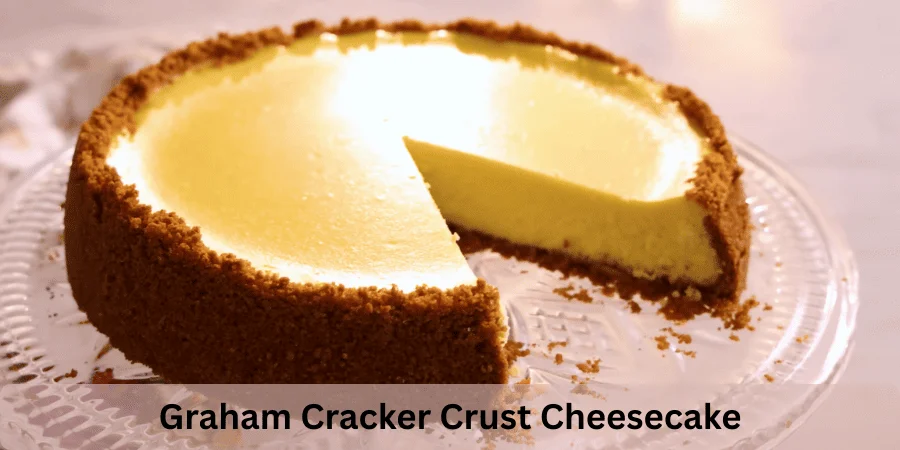
I love this creamy classic cheesecake because it’s easy to serve plain or with cherry pie filling, caramel, or any favorite topping. Since it doesn’t require an electric mixer, I whisk everything by hand for a quick, smooth batter with less cleanup.
I like topping mine with cherries or swirling Lotus spread, chocolate, or Nutella into the batter before baking. Blueberry is another favorite, and I often bake two graham cracker crust cheesecakes so guests can enjoy different topping options.
Graham Cracker Crust Cheesecake-The Short Answer
Before you start, skim through the ingredients and steps below — I’ve kept everything super simple! And once you’re ready, there’s a quick video at the end to see exactly how it’s done.
This NY-style cheesecake is made with cream cheese, sugar, eggs, sour cream, and vanilla for a rich, creamy filling that stays true to the classic. Careful ingredient ratios create a delicate texture while keeping the sweetness balanced. It bakes on a buttery, slightly salty graham cracker crust that perfectly complements the thick, creamy filling.
After testing several methods and answering countless questions, I found that this recipe delivers the best balance of simplicity and reliability without using a water bath. Baking it low and slow helps it cook evenly from edge to center, reducing the risk of cracks caused by sudden temperature changes.
The only catch is making it a day in advance so it has enough time to fully chill and set. Cheesecake tastes even better the next day, making it ideal for parties and special occasions. Wrap it tightly in the pan before refrigerating to keep it fresh and prevent it from absorbing refrigerator odors.
I rely on a buttery homemade crust that’s easy to make with just three ingredients and always skip the store-bought version. When graham crackers aren’t available, I’ve also tested a digestive biscuit version that works just as well.
Which Graham Cracker Brand Really Makes the Best Cheesecake Crust?
- After testing several brands, my very scientific conclusion (LOL) is simple: Nabisco Honey Maid graham crackers make the best crumb crust.
- The store-brand graham crackers I tested were lighter in color, and their texture wasn’t quite as crisp.
- When I pressed the store-brand crumbs into the pan, the mixture felt softer and slightly mushier.
- That makes sense because Honey Maid graham crackers are firmer and crispier, almost as if they’ve been baked a little longer.
- Even after adding melted butter, the store-brand crumbs stayed softer than the Honey Maid version.
- That said, you can make a great crust with any graham crackers you have on hand. I’m not sponsored by Nabisco—I simply prefer Honey Maid because they’ve consistently given me the best results.
Ingredients
Building the Crust
- I always start with quality ingredients because a great graham cracker crust cheesecake begins with a solid foundation.
- Original graham crackers, preferably Nabisco Honey Maid, are crushed into fine crumbs (about 180 g from one package).
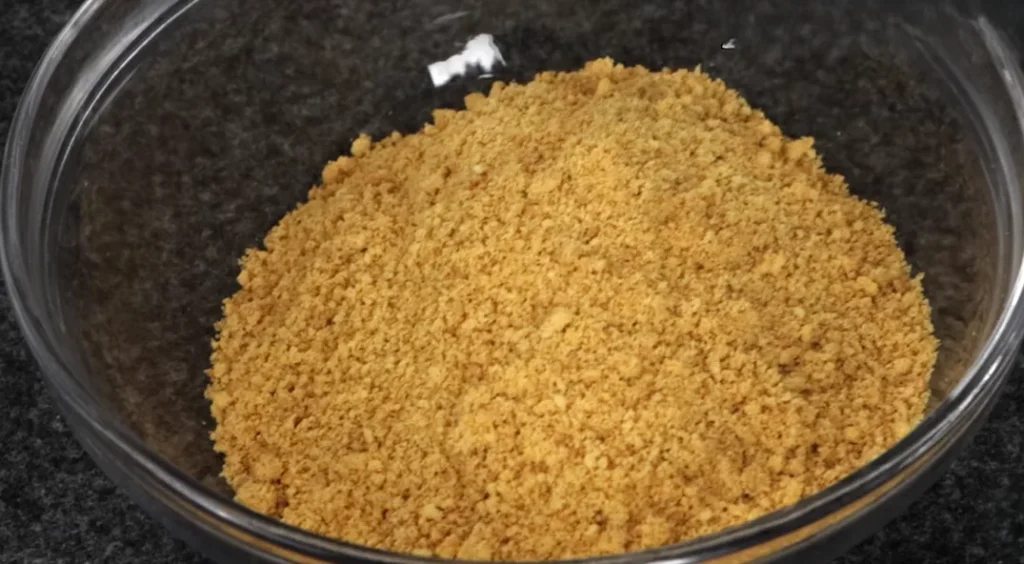
- Brown sugar, a pinch of salt, and melted butter help bind the crumbs while adding flavor.
- I always pre-bake the crust to deepen its buttery, honey flavor and keep the base crisp instead of soggy.
Making the Filling
- The filling starts with full-fat cream cheese as the main ingredient, usually 904 g (four 8-ounce packages).
- I let the cream cheese, eggs, and sour cream come to room temperature (65–70°F / 18–21°C) so they blend into a smooth batter.
- White sugar sweetens the filling, while the eggs provide structure and create the classic creamy, custard-like texture as the cheesecake bakes.
Flavor and Personal Touch
- I always add sour cream because it gives the cheesecake a subtle tang and extra moisture, making the filling even creamier.
- Vanilla extract or vanilla bean paste adds delicate flavor, and the tiny vanilla specks make the finished cheesecake look even more inviting.
- The balance of richness, sweetness, and tang is what keeps everyone coming back for another slice.
Optional Toppings
- The toppings are completely up to you.
- Fresh berries or cherry pie filling add bright, fruity flavor, while whipped cream creates a light contrast to the rich cheesecake.
- Chocolate, caramel, cinnamon, Lotus spread, or crushed graham crackers are all delicious finishing touches, making it easy to customize every cheesecake for any occasion.
Instructions
Preparing the Crust
- I start by grinding the graham crackers into fine crumbs using a food processor or blender. If I don’t have one, I place the crackers in a zip-top bag and crush them with a rolling pin.
- In a bowl, I combine the crumbs with the brown sugar,
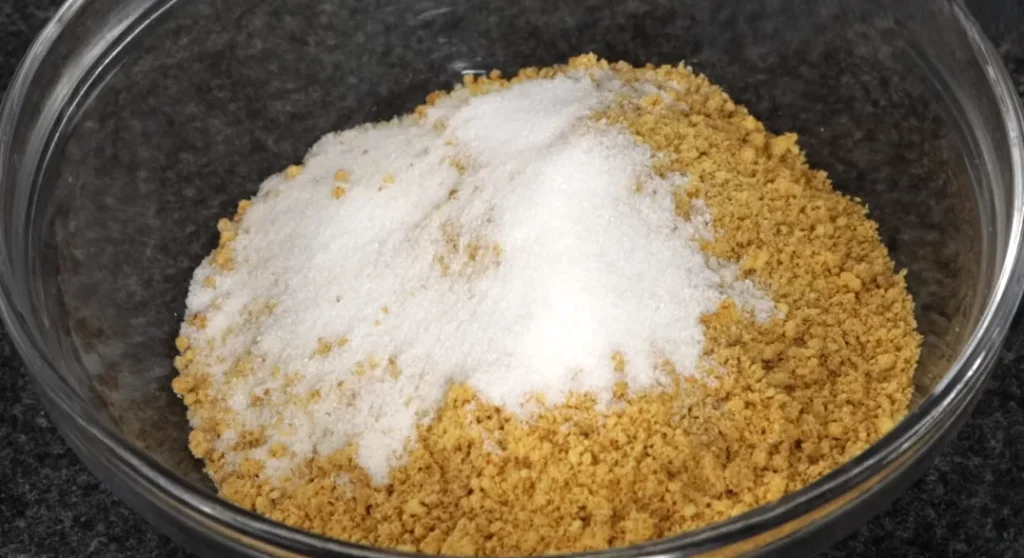
melted butter, and a pinch of salt until the mixture resembles wet sand. Keeping this simple ratio helps the crust hold together and produce clean slices.
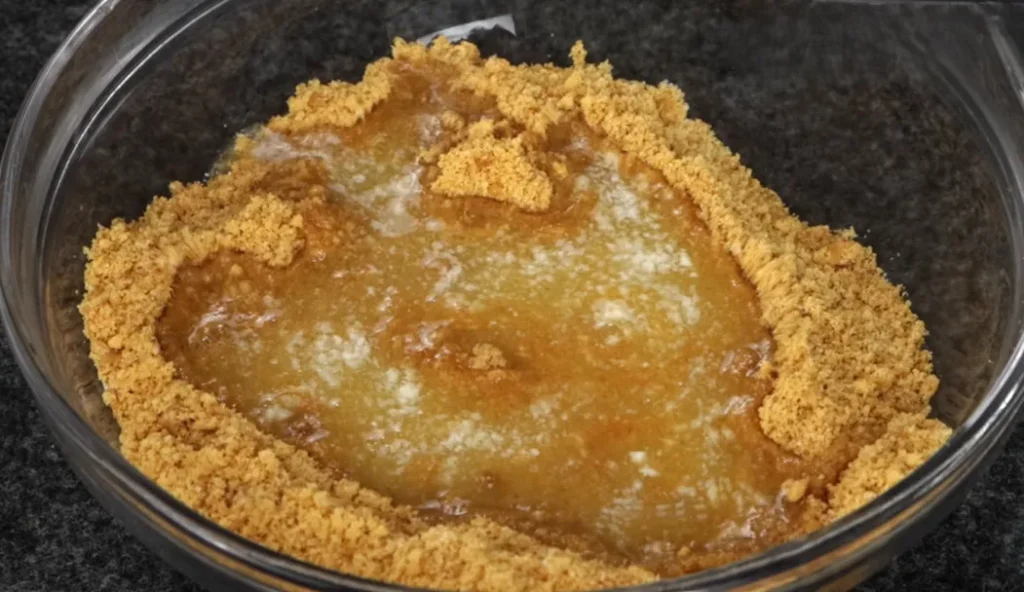
Pressing and Baking the Base
- Preheat the oven to 350°F (175°C) and position the rack in the center.
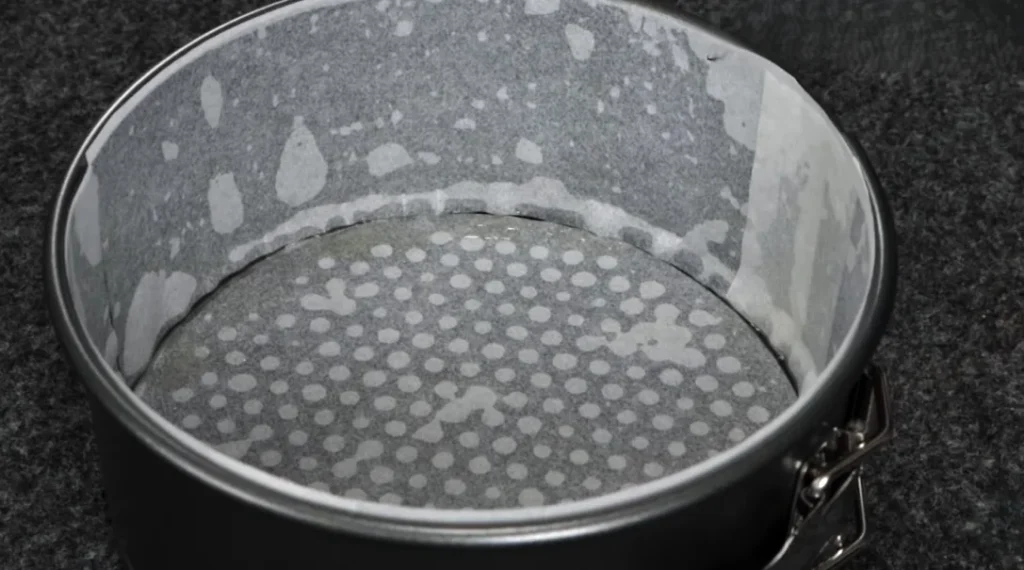
- Lightly grease an 10-inch springform pan, then press the crumb mixture evenly across the bottom.
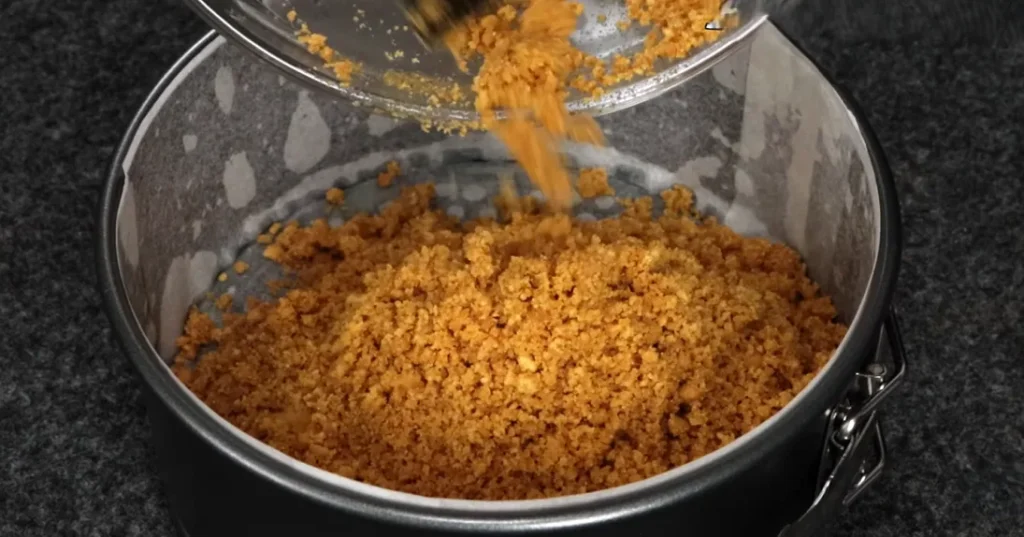
- I start with my hands, then use the bottom of a flat glass to firmly compact the crumbs so the crust stays even and doesn’t crumble after baking.
- Pre-bake the crust until lightly set, then let it cool slightly while preparing the filling.
Mixing the Filling
- Place the cream cheese, sugar, vanilla, and eggs in a large mixing bowl.
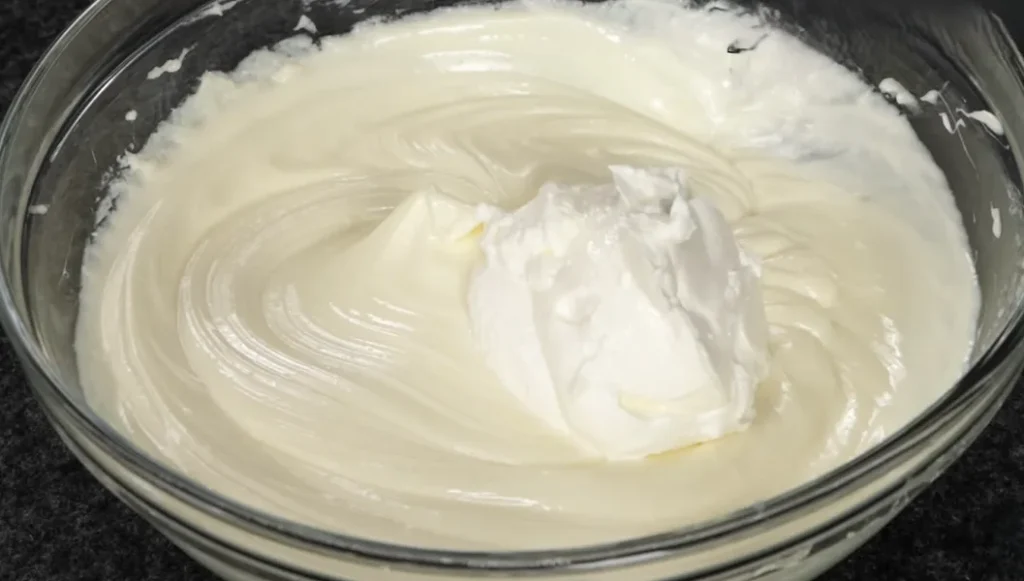
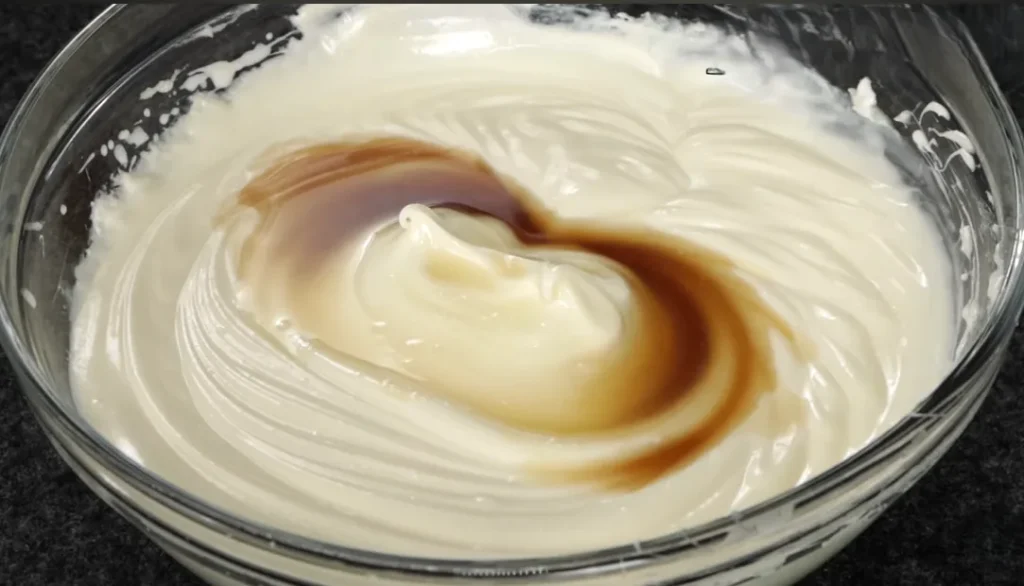
- Whisk gently by hand until the mixture is smooth and fully combined, being careful not to incorporate too much air.
- Add the sour cream and stir just until the filling is smooth and creamy.
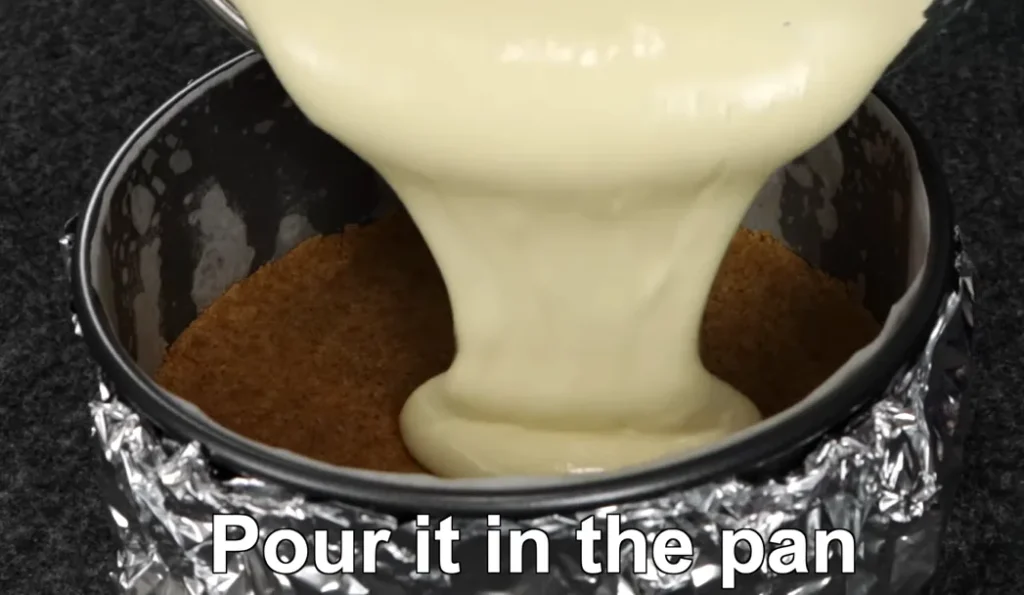
- Pour the batter into the prepared graham cracker crust and place the pan on a baking sheet.
Baking with Control
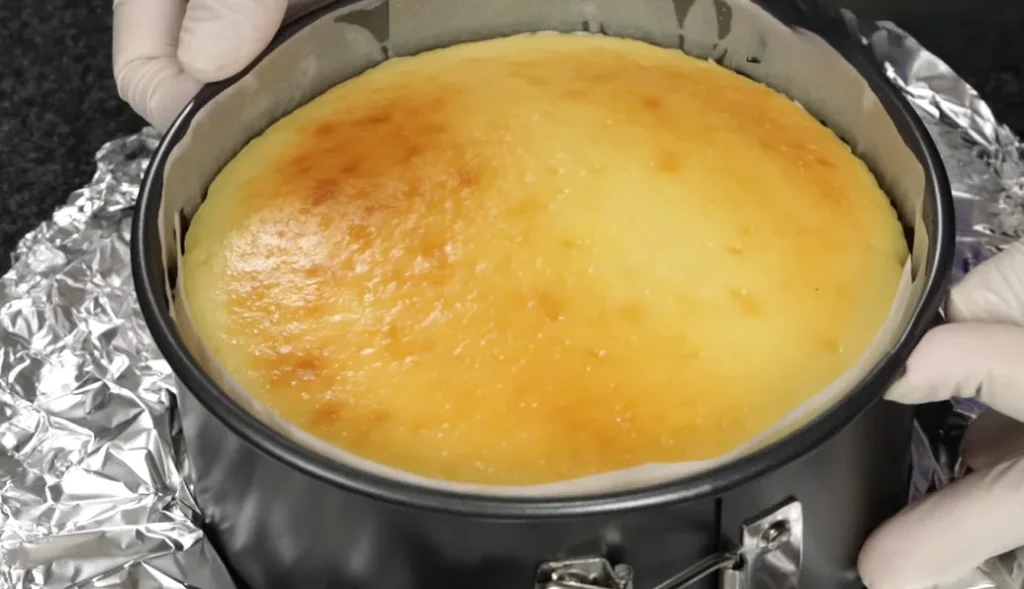
- Bake until the edges are set while the center still has a slight wobble.
- A low, steady baking temperature allows the cheesecake to cook evenly from edge to center, helping prevent cracks.
- Once baked, turn off the oven, crack the door open a few inches, and let the cheesecake cool inside for 1 hour.
Cooling and Serving
- Let the cheesecake cool completely at room temperature, then cover and refrigerate for at least 6 hours, preferably overnight, so it fully sets.
- Before serving, top with cherry pie filling or fresh berries if desired.
- For an extra-special presentation, serve with freshly whipped cream and the berry juices spooned over each slice.
Notes
Prep That Makes a Real Difference
- This recipe works best in an 8-inch springform pan, but you can also use a 9-inch pan with the same ingredients for a slightly shorter cheesecake. Since a thinner cheesecake bakes faster, start checking for doneness a little earlier.
- I don’t use a thermometer to warm my ingredients. Instead, I microwave the cream cheese for 15–20 seconds, place the eggs in warm water for a few minutes, and let the sour cream sit at room temperature. This simple step helps create a smooth, lump-free batter.
Make-Ahead, Storage, and Pan Logic
- The crust is freezer-friendly for up to 3 months. Thaw it before using, or refrigerate it for a few days if you’re making it ahead.
- This recipe fits an 8-inch, 9-inch, or 10-inch pan. For a 9×13-inch pan, increase the recipe by about 1½ times.
- A food processor makes preparing the crust much faster, but a mixing bowl and rolling pin work just as well.
Crust Ingredients That Actually Work
- I usually make this crust with Honey Maid graham crackers, but honey or cinnamon graham crackers also work well.
- If graham crackers aren’t available, vanilla wafers, Ritz crackers, or an Oreo crust are great alternatives.
- For readers outside the United States, 200 g digestive biscuit crumbs (about 13–14 biscuits) mixed with 67 g sugar and 85 g melted butter make an excellent substitute. Since digestive biscuits are slightly softer, bake the crust a few extra minutes before adding the filling.
Variations I Keep Coming Back To
- If cherries aren’t your favorite, try topping the cheesecake with Lotus spread, caramel, crumbled Oreos, blueberry pie filling, or chocolate sauce.
- I also like swirling some of the topping into the batter before baking. It’s a simple way to give every cheesecake its own flavor while keeping the recipe just as easy to make.
My Best Homemade Recipes
The magic of this cheesecake is all about balance — rich, creamy filling with a buttery crust that feels comforting and familiar, much like Brown Butter Sweet Potato Pie (Deep South Heirloom) with its deep, caramelized flavor. If you’re into easy desserts that still taste luxurious, you’ll also love No Bake Peanut Butter Fudge with Condensed Milk (So Creamy!), where smooth texture does all the talking without extra effort.
Perfect texture is the reason this cheesecake stays crack-free, and that same care is what makes Easy Apple Hand Pies With Flaky Butter Crust & Caramel so satisfying to bite into. Whether you’re craving chewy fun like Crunchy-Chewy Caramel Marshmallow Rice Krispie Balls or a quick sweet fix such as Caramel Apple Grapes Made Easy in 20 Minutes, simple techniques really do make the biggest difference. Authentic Mexican Flan Recipe From My Durango Mother-in-Law is also my best sweet.
FAQ’s
Is a Store-Bought Graham Cracker Crust Actually Worth It?
Yes, you can absolutely use a store-bought graham cracker crust if you’re short on time. However, I find that a homemade crust is just as easy to make and has a fresher flavor with a better texture. In my experience, pre-made crusts often taste slightly stale, which becomes noticeable in a baked cheesecake.
Which Pan Size Works Best for a Graham Cracker Crust Cheesecake?
This recipe works well in an 8-inch, 9-inch, or 10-inch springform pan, cake pan, or pie dish. If you’re making a 9×13-inch cheesecake, increase the recipe by about 1½ times to maintain the proper thickness.
Do You Really Need to Bake a Graham Cracker Crust Before Filling?
Yes, in most cases it’s best to pre-bake the crust before adding the filling. The exact baking time depends on whether you’re making a baked or no-bake cheesecake, but I typically bake the crust for about 10 minutes at 350°F (177°C). This helps it set properly and keeps it crisp after the filling is added.