I was given this Mexican flan recipe by my mother in law who is from Durango, Mexico. I had to beg her for years, and she finally gave it to me one Christmas. This original dessert custard recipe calls for pure vanilla, but I like to add orange zest, a small change I learned to appreciate through my own hands-on cooking experience.
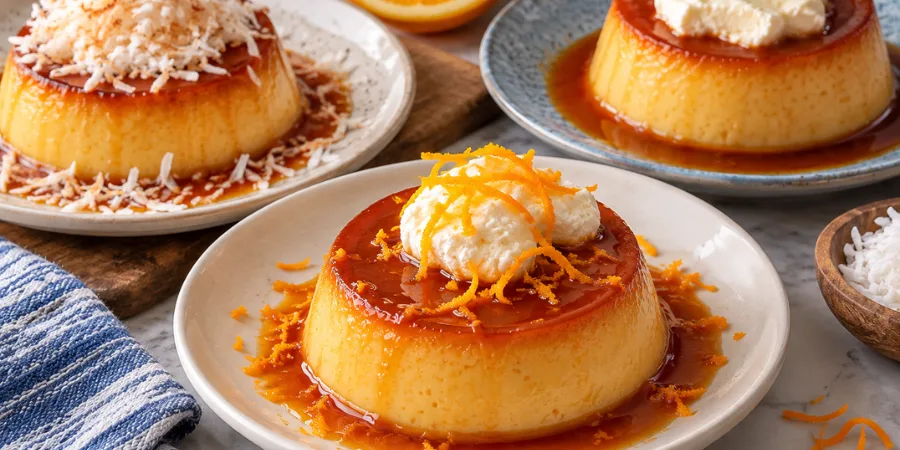
The flan is made using whole eggs, condensed milk, and evaporated milk, then covered with simple light sugar syrup. It is also made using cream cheese or coconut for a different taste and texture, while staying true to Receta de Flan Mexicano.
Mexican Flan Recipe-The Short Answer
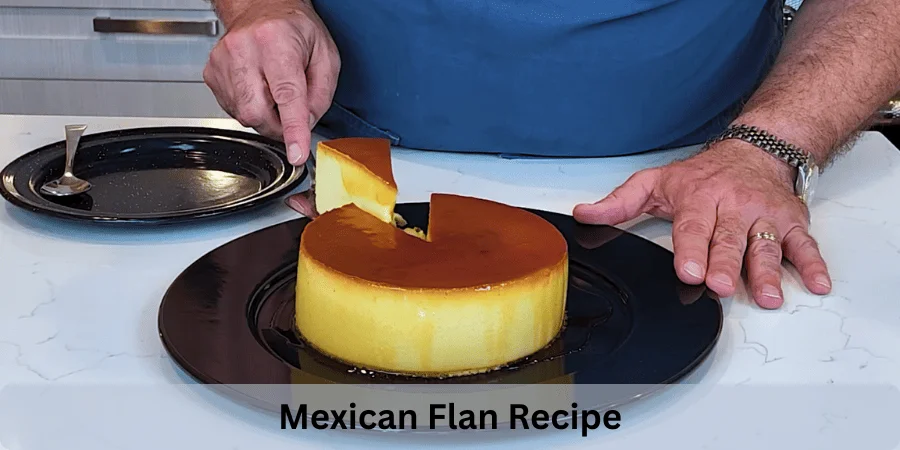
Before you start, skim through the ingredients and steps below — I’ve kept everything super simple! And once you’re ready, there’s a quick video to see exactly how it’s done.
Why You’ll Love Making This at Home
From my experience making this recipe for family gatherings, this flan delivers a rich, silky custard with a perfectly smooth texture using sweetened condensed milk, evaporated milk, and whole eggs.
Home cooks also love how the homemade caramel sauce balances the sweetness while fresh orange zest adds a light citrus flavor without overpowering the traditional taste.
After serving this recipe many times, my family agreed it was far better than any boxed mix. It has become our favorite dessert because it is simple to prepare, dependable, and always impresses guests.
Mexican Flan vs. Spanish Flan
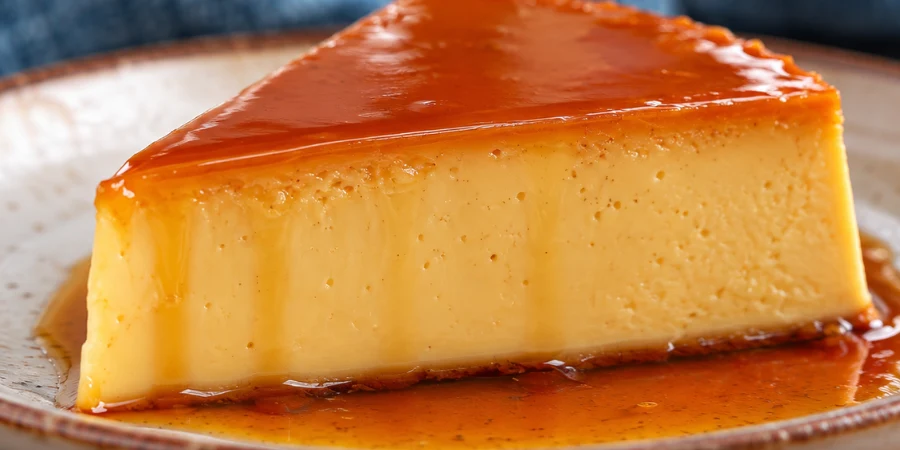
Mexican flan and Spanish flan share a similar custard-and-caramel foundation, but the ingredients and preparation can vary. Spanish-style flan may use eggs, milk, and sugar for a delicate custard, while Mexican flan commonly uses whole eggs with sweetened condensed milk and evaporated milk.
These ingredients give the Mexican version its characteristic rich, creamy texture and balanced sweetness.
In my family, this Mexican flan comes from my mother-in-law, who is from Durango, Mexico. Her original recipe uses pure vanilla, while I add fresh orange zest as a small personal variation.
The result keeps the familiar caramel custard base while adding a light citrus note that complements the creamy flan.
From Crème Caramel to Mexican Flan
Crème caramel and flan share the same basic idea: a baked custard made with eggs, milk, and sugar, cooked gently in a bain-marie or water bath for a smooth, creamy texture. Once the custard is chilled and turned out, the caramel melts into a rich sauce that coats the surface. As this style of custard spread across different regions, local ingredients and traditions shaped the versions we know today.
Across Latin America, the dessert has different names and variations. In Venezuela, it is known as quesillo, while Ecuador has queso de leche. Puerto Rico has versions known as natilla de huevo, and Peru is known for crema volteada.
In Mexico, it is simply called flan and is commonly prepared with eggs, sweetened condensed milk, evaporated milk, and vanilla. Some Mexican versions also include cream cheese, creating a richer flan de queso, while coconut and citrus can add their own regional or family-style twist.
Evaporated Milk
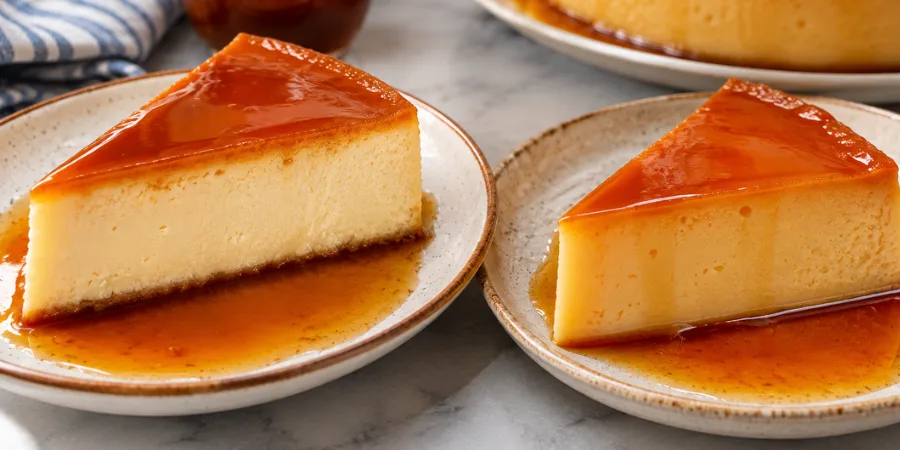
I use evaporated milk along with whole milk to give this Mexican flan a rich, creamy custard without making it feel overly heavy. Its concentrated dairy flavor works especially well with the sweetened condensed milk, eggs, and vanilla in the recipe. Keeping a can of evaporated milk on hand also makes it a convenient ingredient for desserts like flan.
For a gentle flavor variation, you can add ½ teaspoon of ground cinnamon to the custard mixture before baking. The cinnamon brings a subtle warmth that pairs naturally with the caramel and creamy custard. It is completely optional and is not needed for the classic version of this recipe.
What’s a Flanera?
A flanera is a pan designed specifically for making flan. If you have one, it can make preparing and unmolding the custard more convenient.
If you do not have a flanera, you can use a round baking dish or flan mold instead. The important part is to place the pan in a larger roasting pan and bake the custard gently in a water bath, which helps the flan develop its smooth, silky texture.
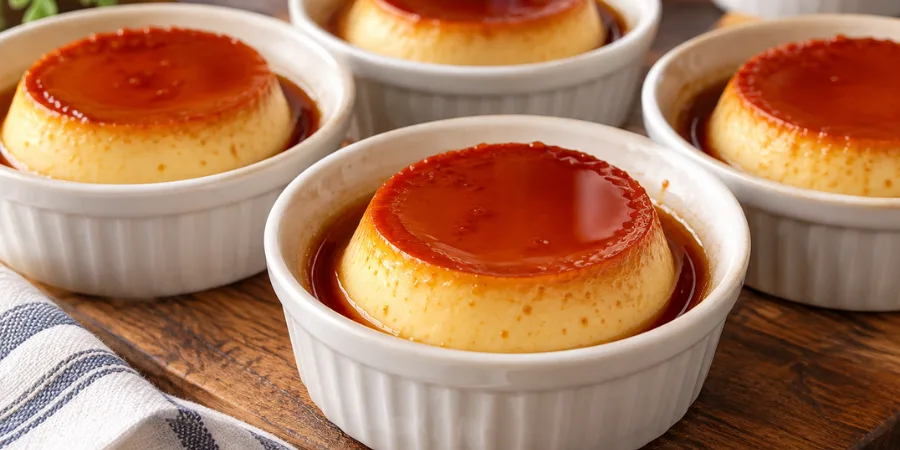
Can I Make Flan in Individual Ramekins?
Yes, you can prepare flan in individual ramekins. Because the caramel is extremely hot when it is prepared, use extra care when pouring it into the ramekins. Divide the caramel evenly between the ramekins, then pour the custard over it.
If needed, have an adult handle the hot caramel while you prepare the cooler ingredients. Place the filled ramekins in a roasting pan and carefully add hot water around them to create a water bath. Since individual portions can cook differently from one larger flan, begin checking them for doneness before the full baking time has passed.
Look for set edges with a slight jiggle in the center. Once baked, let the ramekins cool completely, refrigerate the flan, and loosen the edges with a thin knife before serving.
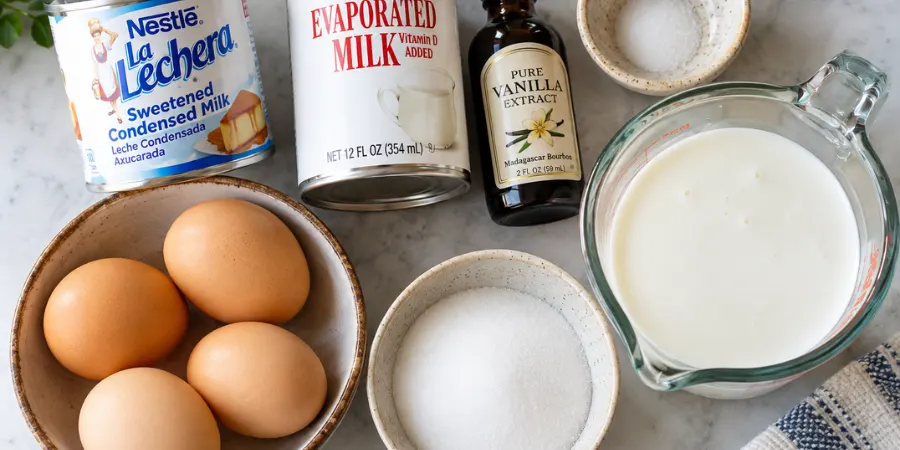
Ingredients
I always gather and measure every ingredient before I begin because it makes the process much easier and helps the custard blend smoothly.
For the Flan
- 1 (14-ounce/396 g) can sweetened condensed milk
- 1 (12-fluid-ounce/354 ml) can evaporated milk
- 1 cup whole milk
- 4 large eggs
- 2 extra egg yolks (optional, for a richer custard)
- 2 teaspoons pure vanilla extract
- 1 tablespoon fresh orange zest
- 2 tablespoons freshly squeezed orange juice
- 1 tablespoon water
- 1 teaspoon cornstarch (optional, for extra stability)
Optional Additions
- 1 (8-ounce) package cream cheese for a richer, creamier flan
- ½ cup shredded coconut for a traditional variation enjoyed in some families
For the Caramel
- ½ cup (100 g) white granulated sugar
For Serving
- Whipped cream or whipped topping
- Fresh berries
- Mint leaves
Instructions
Preparing the Caramel Base
- I always begin with the caramel because it needs time to cool before adding the custard.
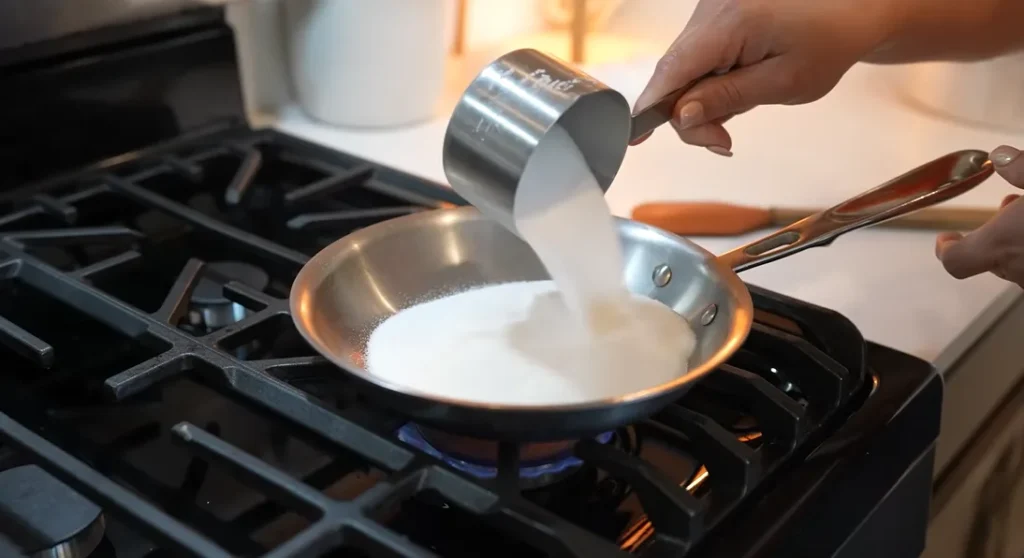
In a heavy-bottomed saucepan over medium heat, melt ½ cup (100 g) white granulated sugar, stirring gently until it turns a deep golden amber color, about 8–10 minutes.
- Watch it closely once the sugar begins to caramelize, as it can burn quickly.
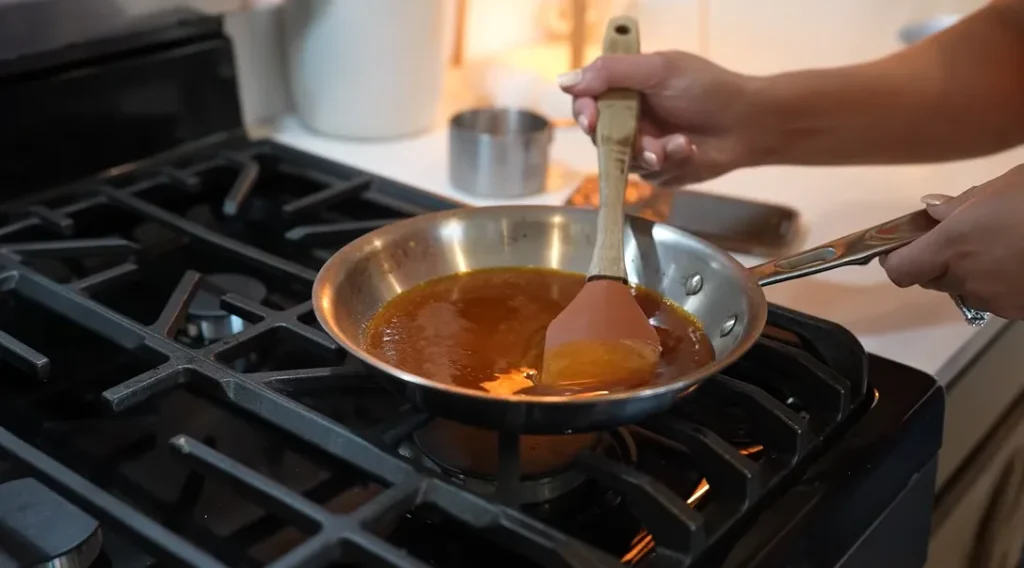
- Carefully pour the hot caramel into a flan mold or round baking dish, tilting the pan to coat the bottom evenly. Set it aside to cool while you prepare the custard. Meanwhile, preheat the oven to 350°F (175°C) and position the oven rack in the center.
Mixing the Custard
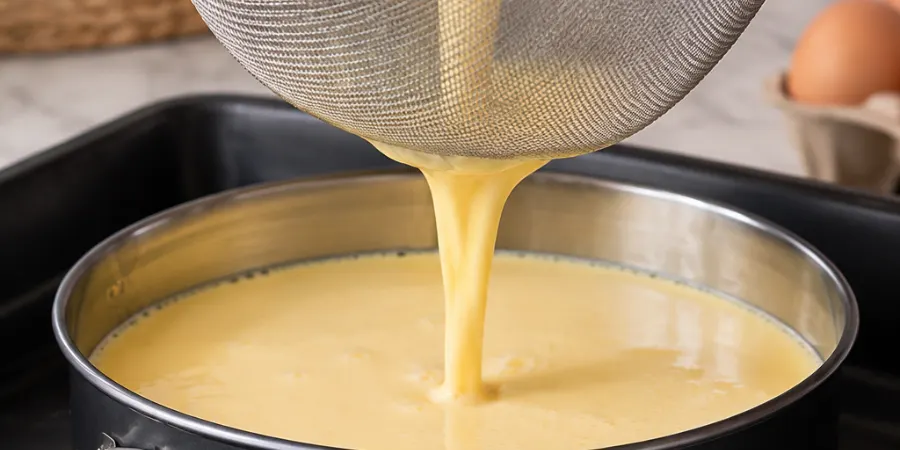
- In a blender, combine the sweetened condensed milk, evaporated milk, whole milk, eggs, optional egg yolks, vanilla extract, orange zest, orange juice, water, and cornstarch if using.
- Blend for about 1 minute, just until the mixture is smooth.
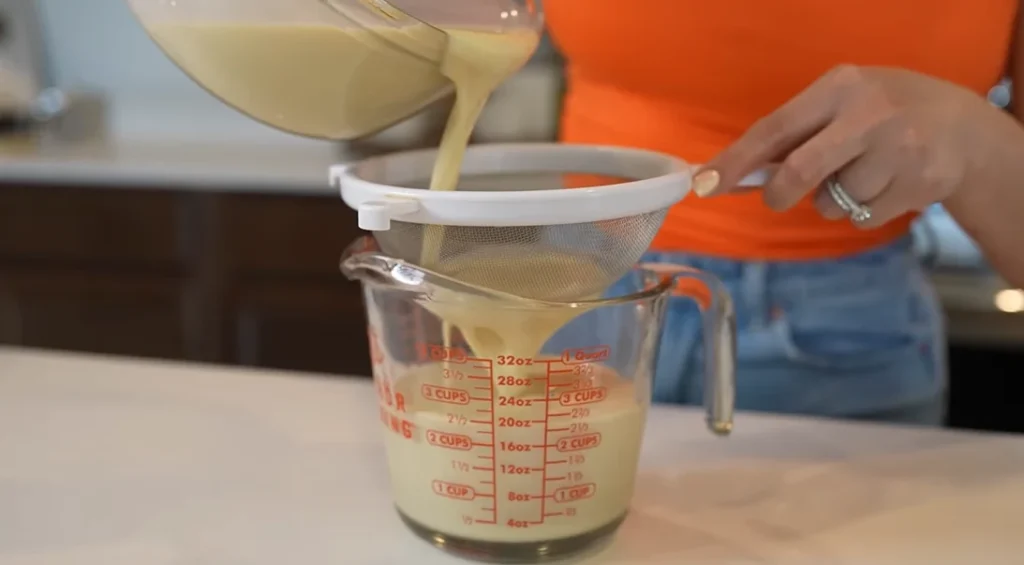
- Avoid over blending, as too much air can create bubbles in the finished flan.
- If you’re making the cream cheese variation, blend in the softened 8-ounce cream cheese until completely smooth.
- Slowly pour the custard over the cooled caramel.
- Place the flan mold inside a large roasting pan
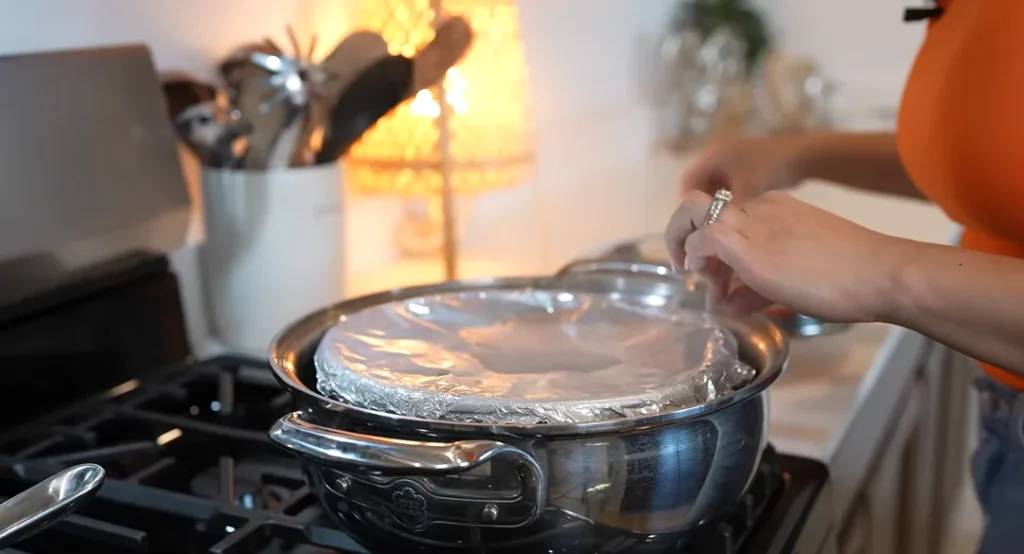
- lined with a folded kitchen towel. Carefully pour boiling water into the roasting pan until it reaches about halfway up the sides of the mold. This water bath (bain-marie) helps the custard bake gently and creates its signature silky texture.
Baking and Chilling
- Bake for 45–60 minutes,
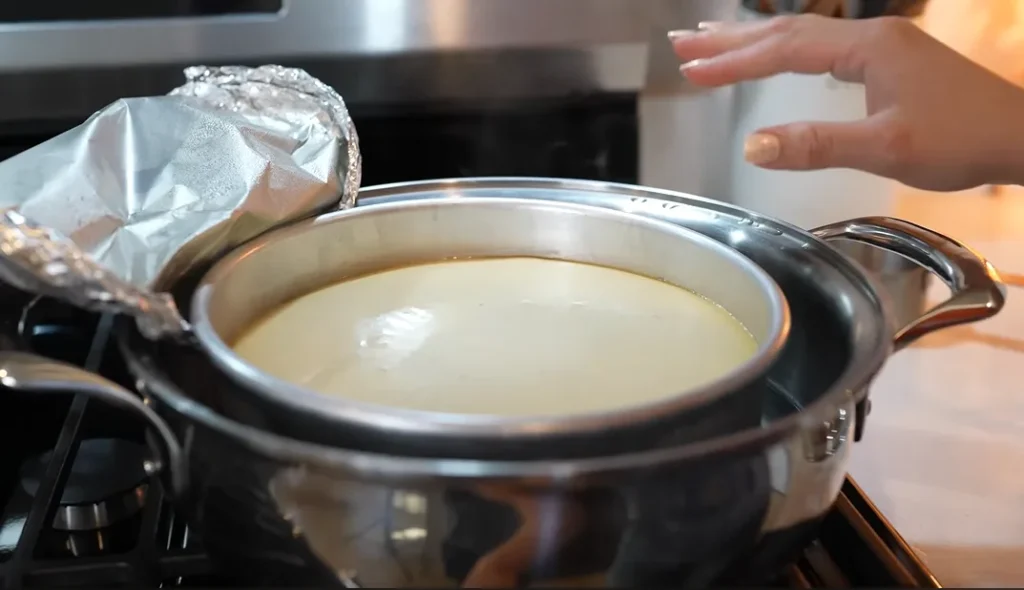
- or until the edges are set and the center still has a slight jiggle when gently shaken. A knife inserted near the center should come out mostly clean.
- Remove the flan from the water bath and let it cool completely at room temperature.
- Refrigerate for at least 4 hours, although I usually chill it overnight because the texture becomes even smoother and the caramel develops a richer flavor.
Serving the Flan
- Run a thin paring knife around the inside edge of the mold to loosen the flan.
- Place a serving plate with a raised edge over the mold, then carefully invert it in one confident motion. Lift the mold slowly, allowing the golden caramel sauce to flow naturally over the custard.
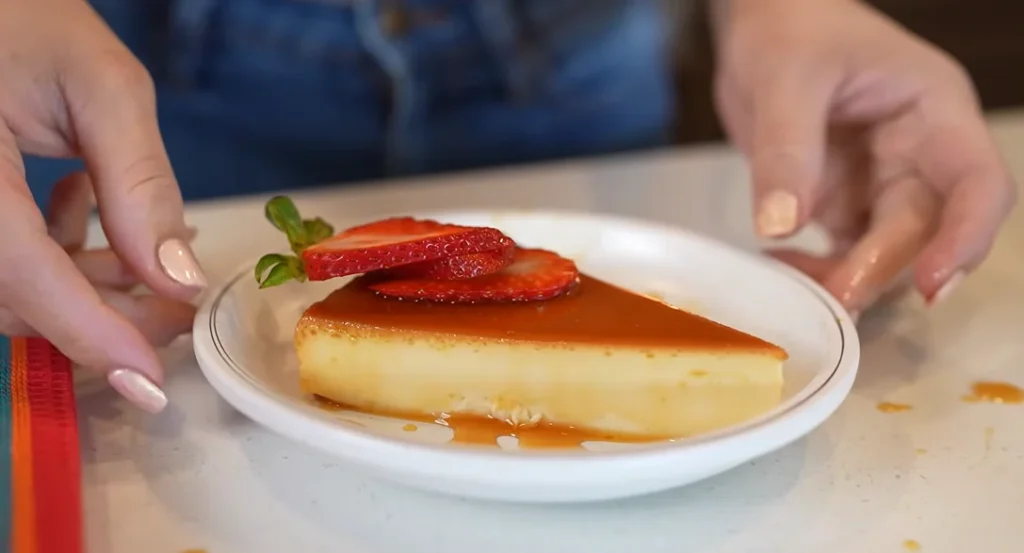
- Serve chilled with whipped cream, fresh berries, or mint leaves if desired. I almost always add a little orange zest on top because it gives the finished dessert a fresh, homemade touch that my family loves.
Expert Tips
When making flan, watch the caramel closely as it cooks because sugar can quickly go from golden amber to burnt and bitter. Carefully pour the hot caramel into the mold and avoid touching it, as melted sugar can cause serious burns.
For the smoothest custard, blend the ingredients only until they are combined and smooth. Avoid over-blending because extra air can create bubbles in the finished flan.
Use a water bath to help the custard cook gently and evenly. When checking for doneness, look for set edges with a slight jiggle in the center. Do not overbake the flan, as the custard can become too firm and lose its smooth texture.
After baking, let the flan cool completely before refrigerating it. Chill it for at least 4 hours, or overnight if you prefer a firmer, smoother texture. Before unmolding, run a thin knife around the edge of the mold to loosen the custard. Invert the flan onto a plate with a raised edge so the caramel can flow over the top.
Variations to Try
There are several simple variations you can try with this authentic Mexican flan recipe. For a fresh citrus flavor, add a little extra orange zest to the custard mixture.
You can also try lemon zest as an alternative if you prefer a slightly different citrus note. For a richer version, blend in one 8-ounce package of softened cream cheese to make a creamy flan de queso.
For another family-style variation, add ½ cup of shredded coconut to the custard mixture. I like these simple changes because they give the flan a different flavor and texture while keeping the same basic custard and caramel foundation.
Can I Make Flan Ahead of Time?
Yes, you can make flan ahead of time, and I usually prefer chilling it overnight for the best texture. The extra chilling time allows the custard to fully set while the caramel develops a richer flavor. This also makes flan convenient for holidays, dinner parties, and family gatherings because you can prepare it in advance and serve it chilled when needed.
What to Serve With Mexican Flan
Mexican flan is delicious on its own, but I like adding a few simple toppings when I serve it to family or guests. The caramel sauce that naturally pools around the custard is usually all it needs, especially when the flan is served cold and the custard has had enough time to set.
A small spoonful of whipped cream can add a light, creamy contrast without taking away from the caramel flavor.
For a fresher presentation, I like serving individual slices with a few fresh berries and a small mint leaf. You can also add a little fresh orange zest over the top, which brings out the citrus note in this version of the flan. I keep the toppings simple because the smooth custard and golden caramel should remain the main focus.
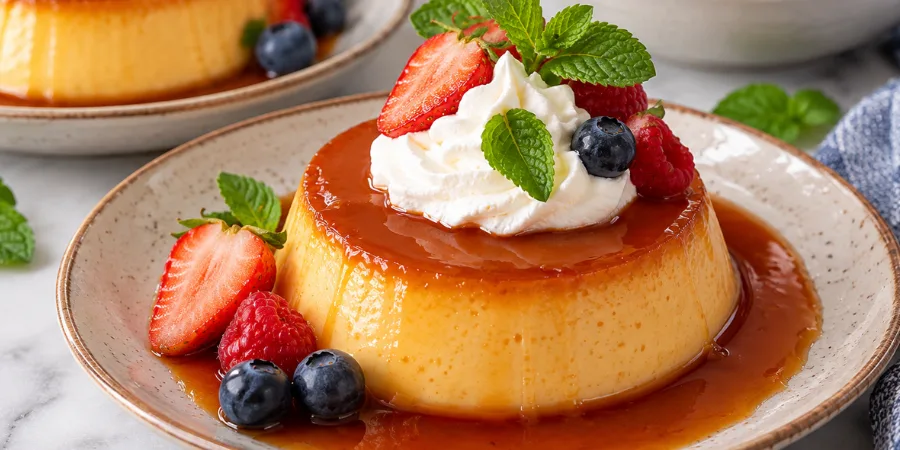
This flan works especially well as a make-ahead dessert for family dinners, holidays, and gatherings. Prepare it in advance, chill it well, then unmold it just before serving so the caramel can flow over the custard.
Notes & Nutrition
Nutrition at a Glance
This recipe makes 8 servings. One serving contains approximately:
- Calories: 434
- Fat: 20 g
- Saturated Fat: 11 g
- Trans Fat: 1 g
- Carbohydrates: 57 g
- Dietary Fiber: 0 g
- Sugar: 54 g
- Protein: 9 g
- Cholesterol: 207 mg
- Sodium: 255 mg
- Potassium: 410 mg
- Calcium: 305 mg
- Iron: 1 mg
- Vitamin A: 821 IU
- Vitamin C: 6 mg
Daily Values & Health Notes
- Percent Daily Values are based on a 2,000-calorie diet, so your daily needs may vary depending on your age, activity level, and dietary requirements.
- Nutrition information is an estimate and may vary depending on the specific ingredients and brands you use. Some values may not be available for every ingredient.
- If you follow a medically restrictive diet or have specific health concerns, consult your doctor or a registered dietitian before preparing this recipe.
Ingredient Measurements I Use
- For this recipe, I use one 14-ounce (396 g) can of sweetened condensed milk.
- I also use one 12-fluid-ounce (354 ml) can of evaporated milk along with 1 cup of whole milk to create a rich, creamy custard.
- Cream cheese is completely optional. I usually keep it on hand, but when I leave it out, the flan still turns out silky, smooth, and absolutely delicious.
My Best Homemade Recipes
This Authentic Mexican Flan Recipe From My Durango Mother-in-Law is pure comfort for me — that silky texture and golden caramel always steal the show. If you love creamy desserts too, Why This Graham Cracker Crust Cheesecake Never Cracks is another smooth, stress-free favorite. And for caramel lovers like us, Crunchy-Chewy Caramel Marshmallow Rice Krispie Balls bring that same sweet magic with a fun, chewy twist.
When I serve flan to guests, I like pairing it with other cozy classics. Brown Butter Sweet Potato Pie (Deep South Heirloom) adds a deep, buttery warmth, while Easy Apple Hand Pies With Flaky Butter Crust & Caramel are perfect for handheld indulgence. Short on time? No Bake Peanut Butter Fudge with Condensed Milk (So Creamy!) is my quick, crowd-pleasing backup that still feels homemade and special.
FAQ’s
Is flan Spanish or Mexican?
Flan originated in ancient Rome before becoming popular in Spain. Spanish settlers later introduced it to Mexico, where it evolved into one of the country’s most beloved desserts. Today, Mexican flan is known for its rich custard made with eggs, sweetened condensed milk, and evaporated milk, while many families also prepare delicious variations with coconut, cream cheese, or citrus flavors.
What is flan?
Flan, also known as Flan Napolitano, is a baked custard dessert topped with a layer of golden caramel sauce. It is popular throughout Mexico, Spain, Puerto Rico, Venezuela, and many other Latin American countries. The classic version combines eggs, sweetened condensed milk, evaporated milk, and vanilla to create its signature smooth and creamy texture.
Is it easy to make Mexican flan recipe at home?
Yes. Mexican flan is surprisingly easy to make with a few simple ingredients and a water bath. My teenage son even made it successfully on his first try after asking me for days if it was really that simple. Watching him proudly unmold his first homemade flan reminded me that this recipe is beginner-friendly when you follow each step carefully.
Can I make different flavors of flan recipe?
Absolutely. While I love the traditional version, I’ve also made flan with cream cheese, fresh orange zest, coconut, coffee, and chocolate. Adding an 8-ounce package of cream cheese creates a richer custard often called flan de queso, while the other flavors offer delicious ways to customize this classic dessert.
What if I don’t have an oven to make the flan recipe?
You can still make flan without an oven by cooking it in a covered pot using a gentle water bath on the stovetop. I’ve also had excellent results using an Instant Pot on the insert rack, pressure cooking for about 15 minutes before allowing the pressure to release naturally.
How to store your Mexican flan recipe?
Store leftover flan in an airtight container in the refrigerator for up to 3 days. Keep it chilled until you’re ready to serve because the milk and eggs make it a perishable dessert. I also recommend storing it with the caramel sauce to help keep the custard moist and flavorful.
Why Do You Bake Flan in a Water Bath?
A water bath gives the custard a gentle and steady baking environment. I use one to help the flan cook evenly and develop its smooth, creamy texture. It also helps prevent the custard from becoming too firm around the edges while the center finishes setting.
How Do I Know When Flan Is Done Baking?
The flan is ready when the edges are set and the center still has a slight jiggle when the pan is gently shaken. You can also insert a knife near the center; it should come out mostly clean. Avoid waiting for the center to become completely firm in the oven because the custard will continue to set as it cools.
Why Didn’t My Caramel Stay Liquid?
It is normal for the caramel to become firm as it cools in the pan. This does not mean anything went wrong. Once the chilled flan is inverted onto a serving plate, the caramel releases from the bottom and flows over the custard as a sauce.
Why Does My Flan Have Bubbles?
Flan can develop bubbles when the custard mixture is blended too much or too vigorously. Extra air becomes trapped in the mixture and can affect the smooth surface of the finished custard. Blend the ingredients only until smooth and avoid over-blending.
Authentic Mexican Flan
Ingredients
Equipment
Method
- Place the sugar in a heavy-bottomed saucepan over medium heat. Stir gently until it melts and turns a deep golden amber color, about 8 to 10 minutes. Carefully pour the hot caramel into a flan mold or round baking dish, tilting to coat the bottom evenly. Set aside to cool while you prepare the custard. Preheat the oven to 350°F (175°C).
- Add the sweetened condensed milk, evaporated milk, whole milk, eggs, optional egg yolks, vanilla extract, orange zest, orange juice, water, and cornstarch to a blender. Blend for about 1 minute until smooth, avoiding overblending. If using cream cheese, blend it in until completely smooth.
- Slowly pour the custard mixture over the cooled caramel. Place the flan mold inside a large roasting pan lined with a folded kitchen towel. Carefully pour boiling water into the roasting pan until it reaches halfway up the sides of the flan mold.
- Bake for 45 to 60 minutes, or until the edges are set and the center still has a slight jiggle. A knife inserted near the center should come out mostly clean.
- Remove the flan from the water bath and allow it to cool completely at room temperature. Refrigerate for at least 4 hours, or overnight for the smoothest texture and richest caramel flavor.
- Run a thin knife around the edge of the mold to loosen the flan. Place a serving plate over the mold and carefully invert it. Let the caramel sauce flow over the custard, then serve chilled with whipped cream, fresh berries, mint leaves, or extra orange zest if desired.
Notes
Watch a similar technique