Few years ago, a friend and I did a short stint at a café in Auroville; that café experience shaped how I see a drink made with wholesome food, local ingredients, and seasonal ingredients.
The menu featured fruit concentrates and flower concentrates with plain water or soda water—sarsaparilla, hibiscus, kumquat, ginger, and butterfly pea flower called Radha Consciousness.
I later had the plant growing in my balcony garden, which pushed me to make my own.
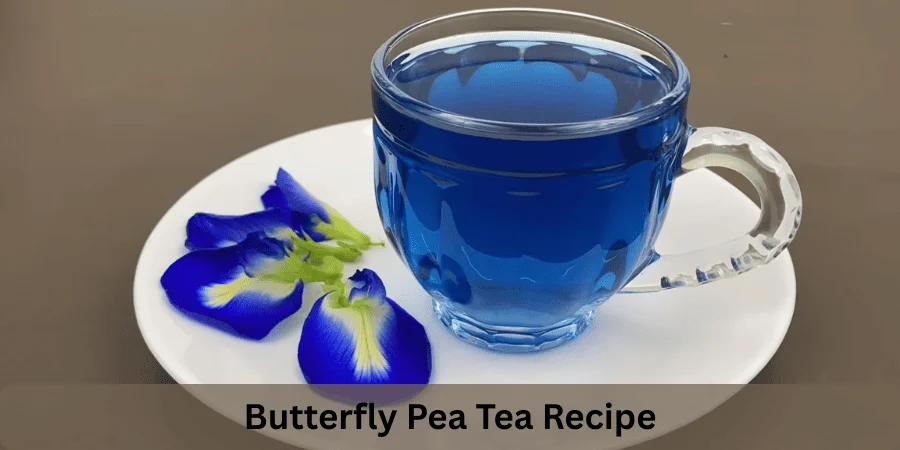
Butterfly Pea Tea Recipe-(Short Answer)
- I love this drink because it’s extremely easy to make. You need only two ingredients: boiling water and blue pea flowers. This blue flower tea takes less than 10 minutes to make, yet it feels special every time.
- It’s one of the most common Thai herbal drinks, and people call it nam anchan (น้ำอัญชัน) in Thai, with nam meaning water and anchan meaning butterfly pea.
- I keep coming back to butterfly pea tea because this calming tea come with various health benefits. I usually suggest friends read more in the FAQS section below before choosing other drinks.
From Skeptic to Believer
- I distrusted anything blue—not blueberry blue, but neon, fluorescent, technicolour blue like blue curaçao or an insipid drink from Café Coffee Day (Cool Blue) that felt like trauma.
- Names like Blue Lagoon and Blue Hawaiian sounded like deodorants and felt unsettling—until this purple tea.
- Clitoria Ternatea, from the Asian tropics and Ayurveda, supports stress, anxiety, and offers antioxidants, medicinal properties, and herbal properties.
Culture, Color, and Health
- Butterfly pea tea (or blue tea) is an herbal drink, popular in Thailand, enjoyed hot or cold.
- Add honey and a squeeze of lime or lemon; the acid shifts pH levels, turning deep indigo blue into vibrant purple—pure magic.
- As a natural food dye, it colors Nasi Kerabu/blue rice in Malaysia with fried meat and salad, appears in bubble teas, dumplings, sweet rice cakes, and in Burma it’s batter fried as a snack—and it’s good for you, unlike food dye, colors, or chemicals from a jar.
Simple and Modern
- Now available worldwide on amazon, this popular drink shows up in smoothie bowls, cakes, popsicles, even fried chicken and potato mash—that allure isn’t mine.
- I prefer a simple, delicious lemonade with butterfly pea flower tea and sparkling water, or a sparkling butterfly pea flower tea lemonade, lightly topped—perfect for summer.
- This recipe takes minutes, often under 10 minutes; this tea, butterfly pea, herbal ingredient delivers real flavor and lasting happiness.
Ingredients, Short & Practical
- In my humble opinion, I make blue tea using butterfly pea flower or flowers, either fresh or dried; they don’t really provide much taste on their own, but look pretty, so I decide what I want with just a few or a lot, since more is better for benefits and helps achieve a lighter shade that’s usually enough.
- I usually measure ¼ cup or 2 tablespoons with cups of hot water, sometimes 1 litre, and steep gently.
- To have it cold without dilution, I let the tea cool, chill it in the fridge for hours, or pour over ice in glasses, even crushed.
- Sweetness is optional: sugar, simple syrup, or honey are the easiest way; I like adding milk, any kind, especially sweetened, for a smooth drink.
- For balance, I add lemon juice or lime juice, sometimes ½ of one, mix lemonade per serving, stir in 2-3 elderflower syrup, top with club soda, adjust to ⅓ cup, and finish with wedges as garnish.
Step By Step Instructions
Preparing the Base
- This butterfly pea tea recipe starts with a quick tip from my own experience: for strong color, let the flowers steep in hot water for a few minutes, then use the back of a spoon to press them against the cup to extract more blue.
- In step 1, boil 2 cups of water in a kettle, transfer it to a medium or large Pyrex measuring cup, and add dried or fresh flowers.
- If fresh, remove green stalks and stems by pinching them away with your fingers—note this process dyes fingertips slightly; it goes after washes, but wear gloves if you’d prefer.
Steeping for Depth
- In step 2, stir and press the flowers against the cup, then continue to step 3 until the tea is dark enough.
- I often heat water in a small pot, turn it off just before it starts to boil, clamp a lid, and wait 3-5 minutes.
- Over time, the deep shade gets darker the longer you let it steep; always rinse thoroughly a few times to remove any dirt.
Straining and Flavoring
- For step 4, strain through a mesh strainer and discard the flowers, then decant into a glass jar or serve right away.
- Sweeten with sugar, syrup, honey, and or lemon or lime juice, if using, and squeeze to taste.
- I often make a concentrate with part tea to 5 parts cold water; the same ratio works when served hot too or over ice.
Serving with Style
- In step 5, fill two glasses with ice, then pour in step 6.
- For layered drinks, use a tall glass, add elderflower syrup to the bottom, then about 1/2 to 3/4 cup ice until it’s higher.
- When the flower tea hits the ice, it creates a layered effect; top with club soda, crushed ice, garnish with sparkling lemonade wedges if desired, stir before drinking, serve cold, and enjoy.
Notes & Nutrition, From My Kitchen
- From my own making and make habit, I often prepare a large amount of simple blue tea or a lightly sweetened version to keep in the fridge for 2-3 days.
- When I want to have guests and serve it fresh, I add lemon or lime juice when I’m ready to drink.
- I use either fresh or dried butterfly pea flowers; for a strong color, I let them steep in hot water for a few minutes, then press with the back of a spoon against the cup to extract more color.
- From experience, don’t boil the flowers, as it turns the tea chalky and bitter.
Storage, Servings & Nutrition Insight
- A homemade concentrate stays good refrigerated for up to 10 days, which really helps with planning.
- The tea usually yields more servings, while a lemonade style makes one serving, but it’s easily doubled or tripled.
- Each serving contains Sodium 24mg and Calcium 14mg, a small nutritional bonus I personally enjoy.
My Best Homemade Recipes
This butterfly pea tea recipe reminds me of my café days—simple, thoughtful drinks made with care—much like Royal Milk Tea Recipe: Japan’s Creamiest 3-Ingredient Drink and Oreo Iced Coffee: The Naughty Upgrade Your Mornings Need, both of which turn everyday ingredients into something quietly special.
If, like me, you enjoy experimenting beyond the usual cup, you’ll appreciate Maple Syrup with Coffee (Hot & Iced, Unexpectedly Good), Largest Starbucks Size: Myth vs Reality, and Oat Milk with Coffee (Easy Barista-Style Drink)—drinks and ideas that feel modern, curious, and café-inspired, just like this tea.
FAQ’s
What Are Some of the Butterfly Pea Tea Health Benefits?
From my own routine with this butterfly pea tea recipe, I’ve seen how the flowers contain a lot of bioflavonoids that reduce hair fall, stimulate growth, and prevent greying. It’s a fact that this drink has a calming effect on the human body, helping you cope with stress, while being rich in antioxidants that protect from free radicals which cause aging, making overall health feel amazing and promotes aging gracefully with real benefits.
What’s So Magical About Butterfly Pea Tea?
The deep blue color was the first magic moment for me, but when you add lime or lemon juice, the tea becomes purple and I still guess in awe because the surprise doesn’t stop—this butterfly pea reaction feels special every time.
How Many Colors of Butterfly Pea Flowers Are There?
From my experience in Thailand, I’ve seen four colors of butterfly pea flowers: lavender, royal blue, violet, and white, with violet and royal blue being the most common for daily tea use.
Does Butterfly Pea Have Other Names?
According to Wikipedia, yes, the butterfly pea is known by other names like clitoria ternatea, Asian pigeonwings, Aparajita, Vishnukanta, bluebellvine, blue pea, cordofan pea, and Darwin pea, which I often notice when checking ingredient labels or faqs.