I truly adore this Japanese Royal Milk Tea recipe, and I still feel excited to share it because this popular drink from Japan is creamy, rich, lush, and sooo good. It’s a delicious tea with an exotic, divine feel, made with ONLY 3 ingredients, and it’s ready in less than 5 minutes, which makes it easy to make at home. The gorgeous name alone makes me want to introduce my taste buds to something new every time.
From my own experience, using Assam or Darjeeling black leaves with milk creates a smooth, comforting beverage. I usually add sugar or honey to suit my mood, then serve it hot or iced, and sometimes even use it as a base for boba when I want a twist.
Royal Milk Tea Recipe-The Short Answer
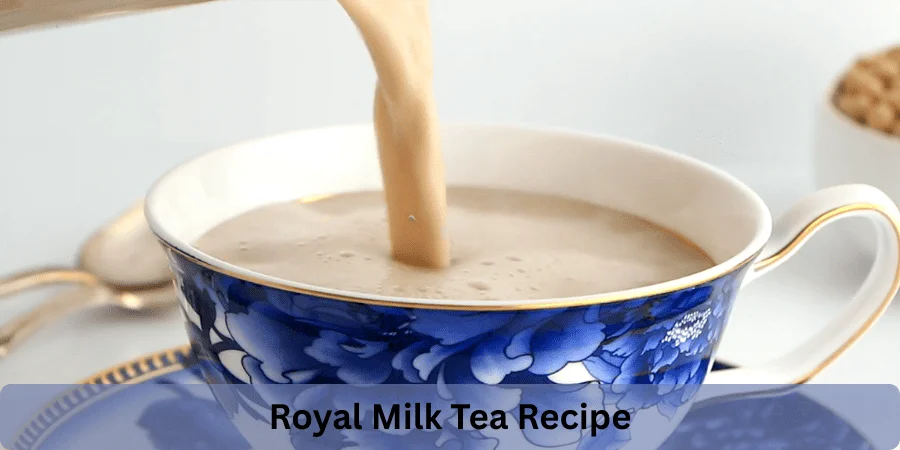
Why You’ll Love This So Much
- I’m excited because this drink is truly delicious and it actually exists, which still makes me excited every time I share this recipe from my own kitchen.
- The creamy, rich, and luscious texture with a delicate flavor of tea and a gentle touch of sweetness gives this Japanese, royal, milk tea recipe a feeling of pure happiness in a cup.
- It’s one of the most popular teas in Japan, stays consistently delicious, feels incredibly easy, and the recipe needs only three ingredients — yes THREE.
- All you need is milk, black tea of your choice (I prefer Assam tea), and white sugar, which makes it perfect for everyday cravings.
- I simply grab a small pot or saucepan, throw the ingredients together, and it’s ready in less than 5 minutes.
- When a craving hits for a cup of warm tea, it honestly can’t get better — no wait, just a gorgeous, nice, hot drink in my hands in 5 minutes, right at tea time.
Ingredients, From My Kitchen
- I begin Japanese royal milk tea with water, even good old water, because the tea base matters when tea isn’t cooked long.
- I rely on black tea using black tea leaves, mainly Assam tea and Darjeeling tea, both popular choices for a good quality black tea that gives a strong tea, rich flavor, deep goodness, and a unique tea flavor.
- I often blend black teas, especially a blend of Darjeeling and Assam tea, which turns this sweet milky drink into what I honestly feel is the best Japanese royal milk tea ever, served as a soothing hot drink with a gentle tea finish.
- For milk, the type of milk is the best choice decision: I stick to whole milk because fresh milk, thick milk, and creamy milk that’s filled with fat or fattier milk delivers true creaminess, a smooth creamy texture, a richer creamier texture, and a thick milky creamy base.
- I sometimes add half and half, but avoid skim milk and low-fat milk since they lead to a not really creamy milk tea that feels less creamy.
- If I substitute milk, I use any milk you prefer like oat milk, cashew milk, or soymilk from plant-based substitutes, though the taste might vary; I skip almond milk and coconut milk because they overwhelm the flavor.
- For sweetness, sugar matters since the drink stays on the sweeter side; I use a sweetener like white sugar, organic cane sugar, brown sugar, coconut sugar, caramel syrup, honey, or sweetened condensed milk. You can substitute sweetener and add as much sweetener as you like, but it will influence the flavor, shaping a wonderful mix of different flavors into a truly gorgeous drink, whether you choose dairy, regular milk, lactose-free milk, or something on the creamier side.
How I Make It at Home (Simple Method)
Starting with the Right Mindset
- I treat royal milk tea, especially the Japanese style, as homemade, easy, and comforting.
- This recipe comes from experience—small details, practical tips and tricks, and what’s truly important when making this particular drink the BEST way.
- Good cooking is about time, flavor, and the process, so I begin with step 1 and put everything together calmly.
Step 1: Bringing Everything Together
- Use a small saucepan for one teacup of Japanese royal milk tea (a bigger saucepan for more cups).
- Add milk and water first, then sugar and black tea like Assam.
- My usual measurement: 120 ml (½ cup) whole milk + 60 ml (¼ cup) water (this can vary).
- I prefer a steady pot and give a gentle stir before moving on.
Step 2: Cooking with Care
- Cook on the stove over medium-low heat—do NOT boil (total no-no).
- Look for a light bubble or gentle bubble, then switch the heat off instantly.
- Even one extra second of boiling can make the tea flavor too strong and hurt the creaminess.
- I wait about 3½ minutes, check halfway, break any surface layer, and never raise the heat—patience matters.
Straining and Serving
- Remove from heat, cover with a lid or plate, and rest 1 minute.
- On an electric cooktop, move the pot away since it stays hot.
- For Japanese royal iced milk tea, rest longer because ice will melt and dilute—starting stronger helps.
- Strain through a fine mesh strainer into a warm mug or beautiful cup—always feels special, gorgeous, delicious, creamy, milky, and a joy to enjoy.
My Measured Method Every Time
- Follow the instructions: gather ingredients, measure carefully (300 ml water, 200 ml milk, 6–8 g tea leaves, about 1 gram per 50 ml, brewed 30–90 seconds).
- Keep the ratio 1:1 or 2:1, simmer slowly until warm (never boiling).
- Lower heat from medium-high to medium or low, strain, dissolve honey or another favorite sweetener (optional), and serve heated.
- With the right tools, even a simple pot delivers a heavenly, tasty cup that’s café-quality yet personal.
Notes & Nutrition
Notes on Brewing
- From my own routine, royal milk tea and Japanese royal milk tea work best when the recipe is super easy and the process follows a delicate cooking process.
- This popular drink needs calm cooking, controlled heat, and patience; stopping at a gentle bubble instead of boiling keeps the tea from letting harsh notes dominate.
Tea, Flavor & Choice
- The base black tea (or other black tea) must hold its own with milk; the type really matters.
- Commonly used options like Assam tea, Darjeeling tea, Ceylon tea, and Oolong tea bring different flavors, opinions, and preference levels—I still switch based on mood.
- I suggest you try a custom black tea blend by experimenting with tea leaves, black tea leaves, whole black tea leaves, loose tea leaves, loose leaf tea, or even CTC tea, tea powder, tea dust, and tea bags.
- Both disposable tea bags and reusable tea bags work if the quality is good; finding the perfect flavor is personal.
Cooking, Sweetness & Serving
- Timing matters: minutes, longer time, or lesser time change the result; keeping it just heated through avoids overcook or boil over.
- Balance milk, cold milk, water, cold water, sugar, and sweeteners by amount and preference.
- I always stir so sugar can dissolve, let it rest, cover, and serve immediately.
- Using a teacup or pre-warmed cup helps maintain temperature, and I still measure with the same cup to skip extra washing of a measuring cup.
Iced, Storage & Everyday Use
- For iced royal milk tea, ice or ice cubes can dilute flavor, so I keep it slightly stronger to avoid a watery cup.
- If I make a big batch and have leftovers, I store it in the fridge for a day in an airtight container to protect freshness.
- You can reheat gently in a saucepan, on the stove, an electric cooktop after you switch off, or even the microwave.
- When done right, this rich, creamy, milky, delicious tea always tastes fresh, incredible, and stays popular to serve again.
My Best Homemade Recipes
When I’m in the mood for cozy drinks like royal milk tea, I also love switching things up with coffee treats such as Oreo Iced Coffee: The Naughty Upgrade Your Mornings Need or the surprisingly comforting Maple Syrup with Coffee (Hot & Iced, Unexpectedly Good) when I want something sweet but different.
On days I feel more curious, I enjoy learning fun facts from Largest Starbucks Size: Myth vs Reality, then making something simple like Oat Milk with Coffee (Easy Barista-Style Drink), or going all in with The Ultimate Guide to Cold Brew Coffee with Foamy Bubbles for a smooth café-style experience at home.
FAQ’s
How Did Royal Milk Tea First Become Popular?
Royal milk tea is from Japan, and its existence began when it came in 1965, thanks to the tea company Lipton. They first introduced and created it as part of the Royal Tea Recipe Series in Japan at that time. Knowing this history makes every cup feel a bit more special to me.
What Ingredients Define an Authentic Royal Milk Tea?
A classic royal milk tea uses water, black tea, milk, usually whole milk, and a sweetener like sugar. It’s a simple recipe with no difficult to find ingredients. I love that most are already at home, or you can easily find them at a local grocery store.
How Would You Describe the Taste of Royal Milk Tea?
It tastes creamy, sweet, and has a gentle flavor of tea. The whole milk and sugar make it slightly sweet, while the creaminess and sweetness stay in balance with the delicate flavor of black tea. By not letting it cook too much, you get a milk tea that’s sooo creamy, super gentle, and so good you’ll want to try it again. The flavors feel similar to Indian chai, but more mild and without spices.
How Sweet Is Royal Milk Tea in Reality?
Yes, it’s on the sweeter side, but softly so. This gentle milk tea has delicate flavors of black tea, rich fatty milk, and natural sweetness from sugar. The balance makes the creamy, delicious drink comforting rather than heavy.
Does Drinking Royal Milk Tea Mean Consuming Caffeine?
Yes, Japanese royal milk tea contains caffeine because black tea contains caffeine and that’s where it comes from. The amount can vary by type of black tea, its age, and how long you cook it, which I notice clearly when I brew it myself.
What Sets Royal Milk Tea Apart From Regular Milk Tea?
The main difference is how it’s made. Royal milk tea uses whole milk with more milk than water, unlike regular milk tea. Everything is cooked together in a saucepan on the stove for a short time, using water, milk, and tea. Regular milk tea is often left to steep in a small pot, then poured into cups with milk added separately. Since milk tea is an umbrella term with different types around the world, from country to country and region to region, and even family to family, this commonly known, widely known version makes it easier to understand that royal milk tea is still a type of milk tea.
Can Royal Milk Tea Offer Any Health Benefits?
Japanese royal milk tea is an indulgent drink due to fatty milk and sugar, but it has real health benefits. Along with milk benefits, black tea offers antioxidants that may help cholesterol, blood pressure, blood sugar levels, and reduce risks of heart attack, heart disease, stroke, and some cancers. With caffeine and the amino acid L-theanine, it helps improve focus, boost energy, and keeps me calm and relaxed, which I truly find amazing.
How Should Royal Milk Tea Be Stored After Making It?
Yes, you can refrigerate royal milk tea for later. You can heat it again, or enjoy it cold as iced royal milk tea with ice cubes. This popular drink doesn’t always need to be reheated and keeps well in the fridge for 3 days.
Why Is Royal Milk Tea Often Confused With Brown Sugar Milk Tea?
There’s often confusion because both are sweet, milky, drinks and may include boba pearls. The differences come from origin: royal milk tea is from Japan, while brown sugar milk tea comes from Taiwan, China, and usually has no tea or black tea.
How Does Royal Milk Tea Compare to Pearl Milk Tea?
Royal milk tea is a type of milk tea with more milk than regular milk tea, using whole milk for a rich, creamy feel. Water and black tea are cooked together for a short time, creating a sweet creamy milk tea with a delicate flavor. Pearl milk tea, also called bubble tea or boba tea, has different flavors across the world, and an iced version with boba pearls can turn royal milk tea into a smooth milk bubble tea.
Why Isn’t Japanese Royal Milk Tea the Same as Indian Chai?
Japanese royal milk tea is often compared to Indian chai, but I disagree. The difference isn’t just added spices. They taste different, are cooked differently, and royal milk tea stays delicate, creamy, on the sweeter side, with more milk, a smooth creamy texture, not very strong tea notes, and a touch of extra sugar.