For months, my girls were obsessed with smoothies, and our kitchen felt overtaken by blenders, frozen fruit, and yogurt. It was a huge mess, with kids milling around, noisy machines, and hours of chaos.
Still, they were eating healthy and happy, so it was hard to complain. The thing is, I always thought I didn’t like smoothies because I love to crunch my food. I’m not much of an ice cream person. I’d rather eat something loaded with crunchy granola. The truth is, I’m a salty girl who reaches for chips and popcorn faster than chocolate.
How My Habit Changed
- Watching them make one smoothie after another, I finally grabbed a spoon and tasted one. It was surprisingly good.
- Every time they made another batch, I’d sneak a sip until my daughter finally told me to make my own. Those little tastes slowly changed my habit.
- I started having one for breakfast, genuinely enjoyed it, and realized it wasn’t a big deal to care for myself, even though it felt monumental.
- For years, I skipped every smoothie recipe I saw in magazines, cookbooks, and social media posts. Then, almost without realizing it, I discovered what I had been missing.
Yogurt Fruit Smoothies-The Short Answer
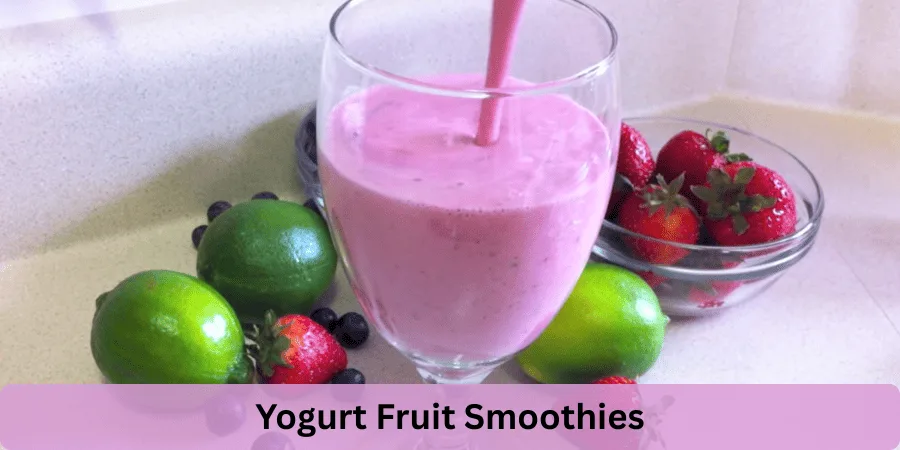
Before you start, skim through the ingredients and steps below — I’ve kept everything super simple! And once you’re ready, there’s a quick video at the end to see exactly how it’s done.
Why This Combo Works
- What I love most is how Greek yogurt turned into the base of my favorite fruit smoothie. It pairs perfectly with strawberries and banana while adding protein to every serving.
- Peanut butter and oatmeal make it even more filling, giving the smoothie extra protein, fiber, and healthy fats. The result is a thick, creamy, and fruity drink that keeps me satisfied for hours.
- It may be a classic combination, but that’s exactly why it works. In the pursuit of unusual smoothie flavors, this simple blend is a refreshing reminder of why strawberries and bananas have always been such a perfect match.
- Many smoothie recipes leave me hungry within an hour or two. This one focuses on what matters most to me—protein, fiber, bananas, and healthy fats—making it a satisfying breakfast or snack that easily carries me to my next meal.
Ingredients
- When you make smoothies, start here: I chose Greek yogurt because, yes, it is my favorite type—plain or vanilla, and nonfat or whole. It’s rich, tangy, creamy, naturally high in protein, and a good source of calcium and probiotics with little added sugar. I usually use 1 cup, which makes 2 servings and creates a creamy, satisfying base.
- For fruit, I keep it simple. I add 1 medium ripe banana, peeled and cut into chunks, along with 1 cup frozen strawberries. If I want a different flavor, I substitute the strawberries with 1 cup of blueberries, mixed berries, mango, or pineapple, depending on what I have on hand. Using one fruit at a time keeps the flavor balanced while creating the same thick, creamy texture.
- To help everything blend smoothly, I add ¼ cup skim milk. If the mixture is too thick, I gradually add up to another ¼ cup until it reaches the consistency I like.
- For extra nutrition, I sometimes mix in 2 tablespoons of rolled oats for fiber or 1 tablespoon of peanut butter, almond butter, or sun butter for added richness. Both are completely optional.
- If the fruit is already sweet, I skip the sweetener. Otherwise, I stir in 1–2 teaspoons of honey to taste. It’s easy to adjust the sweetness while keeping the fresh fruit flavor front and center.
Instructions
Step 1
Gather all of your ingredients before you begin. Add the Greek yogurt, banana, frozen strawberries, and ¼ cup skim milk to a blender. If you’re using rolled oats, peanut butter, almond butter, sun butter, or honey, add them now.
Step 2
Blend on high until the mixture is completely smooth and creamy. If it’s thicker than I’d like, gradually add the remaining milk, a little at a time, until it reaches your preferred consistency.
Step 3
If you prefer a colder, thicker smoothie, add ½ cup of ice cubes and blend again until smooth. If you’re making a different fruit variation, simply replace the strawberries with the same amount of blueberries, mixed berries, mango, or pineapple.
Step 4
Pour the smoothie into two glasses and serve immediately. It tastes best when enjoyed fresh, while the texture is thick, creamy, and naturally refreshing.
Notes & Nutrition
- When I make this smoothie, I count one serving as one glass, and this recipe makes 2 servings.
- Each serving contains approximately 165–180 calories, making it a light yet satisfying breakfast, snack, or post-workout drink.
- Greek yogurt provides about 11–13g of protein per serving, helping keep me full and satisfied for longer. The banana and strawberries add natural sweetness, while also providing carbohydrates for energy and fiber to support digestion.
- Each serving also contains about 30g carbohydrates, 1–2g fat, 3g fiber, and 18–20g natural sugars. Because the sweetness comes mostly from fruit, I usually skip the honey unless the fruit isn’t fully ripe.
- This smoothie is naturally rich in vitamin C, calcium, and potassium, making it an easy way to enjoy a refreshing drink with wholesome ingredients. The nutrition may vary slightly depending on the yogurt, milk, fruit, and any optional add-ins you choose.
Fruits and Texture
- Using 1 medium ripe banana creates a naturally creamy texture without making the smoothie too heavy. If you use a frozen banana instead, it becomes even thicker and creamier.
- I like to add or substitute my favorite fruits, such as blueberries, mango, kiwi, or pineapple, depending on what I have on hand. For the best flavor, I replace the strawberries with one of these fruits instead of mixing them all together.
- The exact measurements don’t have to be perfect. A little more fruit creates a thicker texture, while a little more milk, water, or unsweetened almond milk makes it lighter and easier to blend.
- Frozen fruit creates a thicker, colder smoothie, while fresh fruit makes it lighter and easier to drink. Both work well, so I simply use whatever I have available.
Make-Ahead
- I blend the smoothie and store it in an airtight jar or container in the refrigerator for up to 24 hours. A quick stir or shake before drinking helps bring the ingredients back together because natural separation is normal.
- For longer storage, I freeze it for up to 3 months. Ice cube trays, mason jars, or freezer-safe containers all work well. If I use a mason jar, I leave a little space at the top to allow the smoothie to expand as it freezes.
- When I’m ready to enjoy it, I thaw it overnight in the refrigerator or blend it again with a splash of milk, water, or unsweetened almond milk until it’s smooth and creamy.
- This make-ahead method is perfect for busy mornings, quick snacks, or an easy grab-and-go breakfast.
Expert Tips
- Use frozen strawberries for the thickest, creamiest texture without adding too much ice.
- Start with ¼ cup of milk and add more only if needed. It’s much easier to thin the smoothie than to make it thicker again.
- Blend the milk and yogurt first, then add the frozen fruit for a smoother consistency.
- Taste the smoothie before adding honey. If your banana is fully ripe, you may not need any extra sweetener.
- If you’re using rolled oats, let the smoothie rest for 2–3 minutes before drinking. This gives the oats time to soften and creates a creamier texture.
- Enjoy the smoothie immediately for the freshest flavor, or refrigerate it in an airtight container for up to 24 hours.
Common Mistakes to Avoid
- Adding too much liquid at the beginning, which can make the smoothie watery.
- Combining too many fruits in a single batch, as it can overpower the fresh strawberry and banana flavor.
- Using unripe bananas, which makes the smoothie less sweet and less creamy.
- Adding honey before tasting the smoothie, since ripe fruit often provides enough natural sweetness.
- Forgetting to re-shake or re-blend a stored smoothie before serving.
My Favourite Recipes
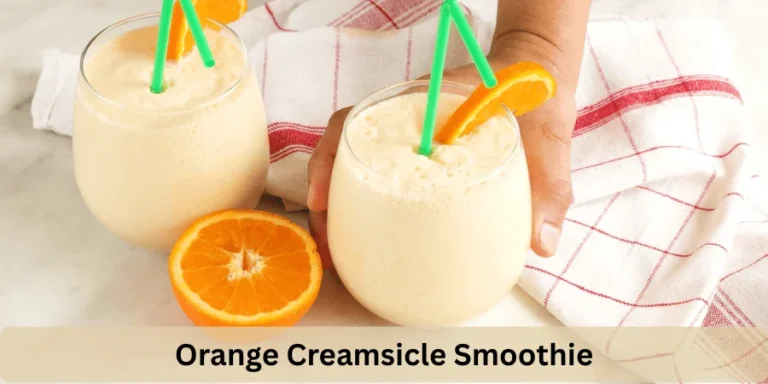
If you liked my Yogurt Fruit Smoothies Weight Loss Recipe That Works, you’ll probably enjoy the same easy, real-life approach in Easy Mango Almond Milk Smoothie with Everyday Ingredients, Strawberry and Spinach Smoothie Even Spinach Haters Love, and Layered Orange Creamsicle Smoothie (No Ice Needed)—all simple, flexible blends I reach for when the kitchen is busy and cravings hit.
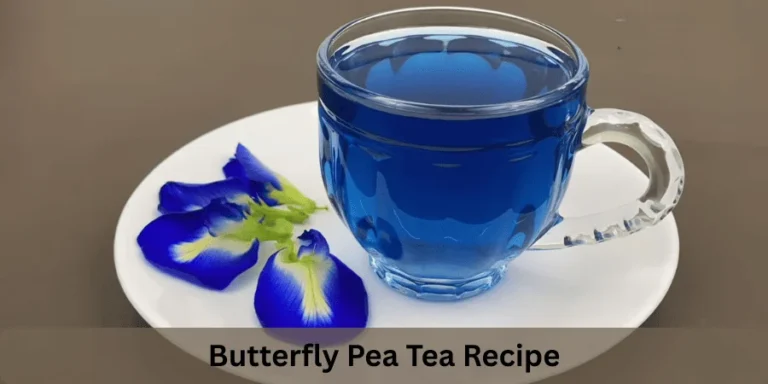
On days I want something different from smoothies but still comforting and fun, I switch it up with Butterfly Pea Tea Recipe Inspired by a Café Secret or wind down with Royal Milk Tea Recipe: Japan’s Creamiest 3-Ingredient Drink—both are just as easy to make and feel special without extra effort, just like the recipes I actually stick with.
Frequently Asked Questions
Can I use regular yogurt instead of Greek yogurt?
Yes. Regular yogurt works well if that’s what you have on hand. Greek yogurt makes the smoothie thicker and higher in protein, while regular yogurt creates a lighter consistency.
Can I use fresh strawberries instead of frozen?
Absolutely. Fresh strawberries make a lighter smoothie, while frozen strawberries create a thicker, colder texture. If you use fresh fruit, you can add a few ice cubes to achieve a similar consistency.
Can I make this smoothie without a banana?
Yes. The banana adds natural sweetness and a creamy texture, but you can replace it with mango, extra strawberries, or another favorite fruit. The flavor and texture will be slightly different.
Can I make this smoothie dairy-free?
Yes. Replace the Greek yogurt with your favorite dairy-free yogurt and use unsweetened almond milk or another plant-based milk. The smoothie will still be creamy and refreshing.
Can I prepare this smoothie the night before?
Yes. Store it in an airtight jar or container in the refrigerator for up to 24 hours. Give it a good shake or stir before serving because natural separation may occur.
Can I freeze this yogurt fruit smoothie?
Yes. Freeze the smoothie in ice cube trays, mason jars, or freezer-safe containers for up to 3 months. Thaw it overnight in the refrigerator or blend it again with a splash of milk before serving.
How can I make my smoothie thicker?
Use frozen fruit, reduce the amount of liquid, or add rolled oats. You can also blend in a few ice cubes for a thicker, frostier texture.
Can I add more protein?
Yes. Greek yogurt already provides plenty of protein, but you can add peanut butter, almond butter, or your favorite protein powder if you’d like an extra protein boost.