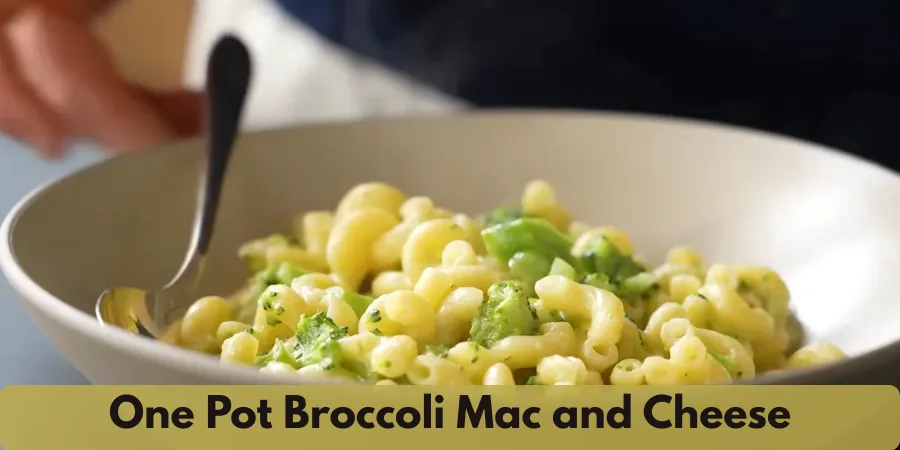
One-pot broccoli mac and cheese is an easy and flavorful meal that is perfect for busy nights. Sautéed onion, garlic, and mushrooms create a rich flavor base, while the pasta cooks in chicken broth to build even more flavor. As the pasta cooks, its starch helps the creamy sauce cling to every bite of broccoli and cheese. That one-pot cooking method also means fewer dishes to wash while creating a rich, creamy sauce that coats every bite.
After testing different versions of this recipe, I found that it adapts well to a variety of ingredients without losing its creamy texture. Different cheeses, vegetables, pasta shapes, and proteins can all work successfully in this dish. Add-ins such as chicken, bacon, or shrimp provide extra protein, while the vegetarian version remains hearty and satisfying.
One Pot Broccoli Mac and Cheese-The Short Answer
Before you start, skim through the ingredients and steps below — I’ve kept everything super simple! And once you’re ready, there’s a quick video at the end to see exactly how it’s done.
What I like most is how everything cooks in a single pot without sacrificing flavor or texture. The combination of broth, milk, cream cheese, and a light roux creates a smooth sauce, while sharp cheddar, Parmesan, and Dijon mustard add depth of flavor. It comes together in about 20–30 minutes, making it practical for busy weeknights.
With a few simple tips, this one-pot pasta turns out creamy and flavorful every time. It reheats well and works with either fresh or frozen broccoli, making it a reliable option for busy days. The result is a warm and comforting meal that is easy to enjoy and loved by both kids and adults.
Ingredients
- 2 tablespoons butter
- 1 small onion, thinly sliced
- 3 cloves garlic, minced
- 8 ounces baby bella mushrooms, thinly sliced
- 2 tablespoons all-purpose flour
- 4 cups chicken broth
- 2 cups whole milk
- 12 ounces uncooked pasta
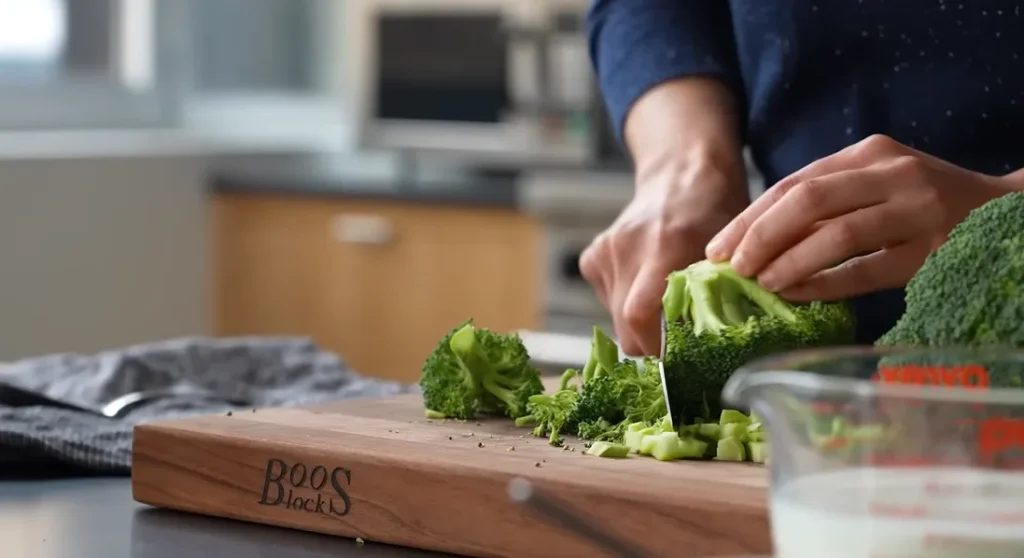
- 12 ounces broccoli florets, cut into bite-sized pieces
- 2 cups freshly-shredded sharp cheddar cheese
- 1/2 cup freshly-grated Parmesan cheese
- 2 tablespoons cream cheese (or up to 3 tablespoons for an extra creamy sauce)
- 1 teaspoon Dijon mustard
- 1/2 teaspoon fine sea salt, or to taste
- 1/4 teaspoon freshly-ground black pepper
- 1/4 teaspoon paprika or crushed red pepper flakes (optional)
How To Cook It Step By Step
Build the Flavor Base
- Melt the butter in a large pot over medium heat.
- Add the onion, garlic, and mushrooms, cook for 5–7 minutes until softened and lightly browned.
- Whisk in the flour until lightly golden.
- Slowly pour in the chicken broth and milk, whisking as you go, then bring to a gentle boil.
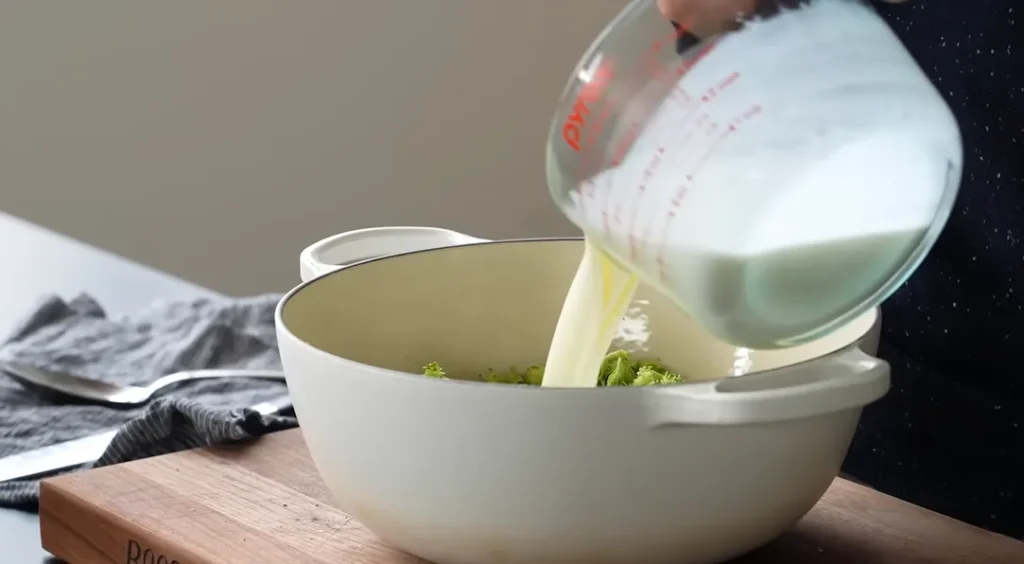
Cook the Pasta and Broccoli
- Add the pasta and cook directly in the liquid so it absorbs extra flavor.
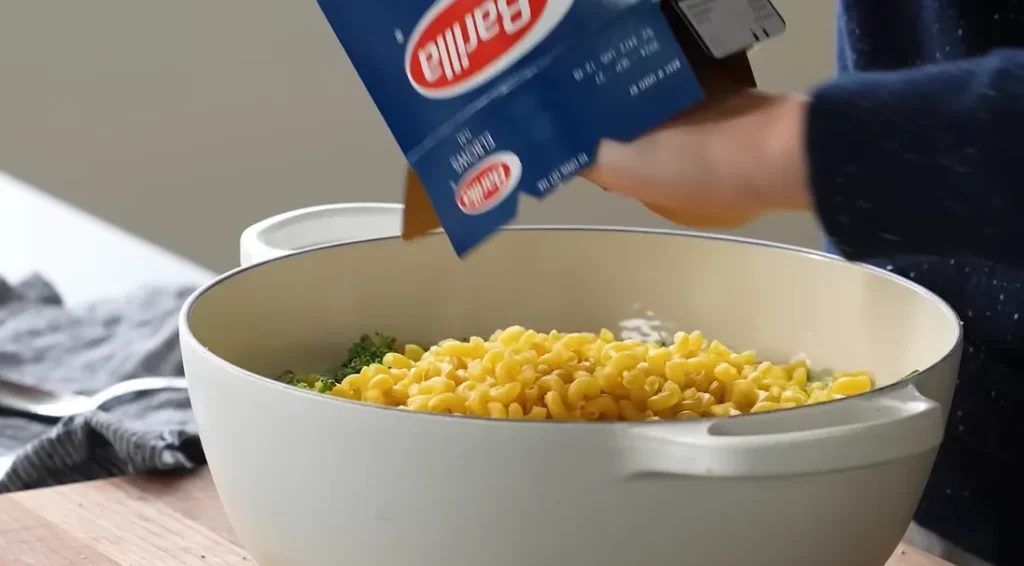
- Stir occasionally and reduce the heat to maintain a gentle simmer.
- Cook for about 8–10 minutes, or until the pasta begins to soften.
- Once the pasta starts to soften, add the broccoli.
- Cover and cook until both the pasta and broccoli are tender.
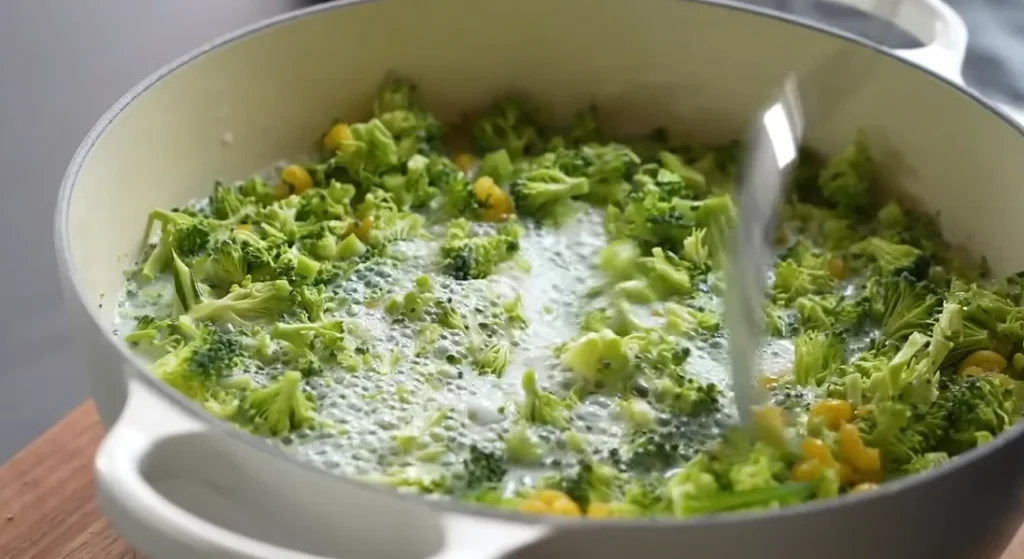
Create the Creamy Sauce
- Remove the pot from the heat and gradually stir in the sharp cheddar, Parmesan, cream cheese, and Dijon mustard.
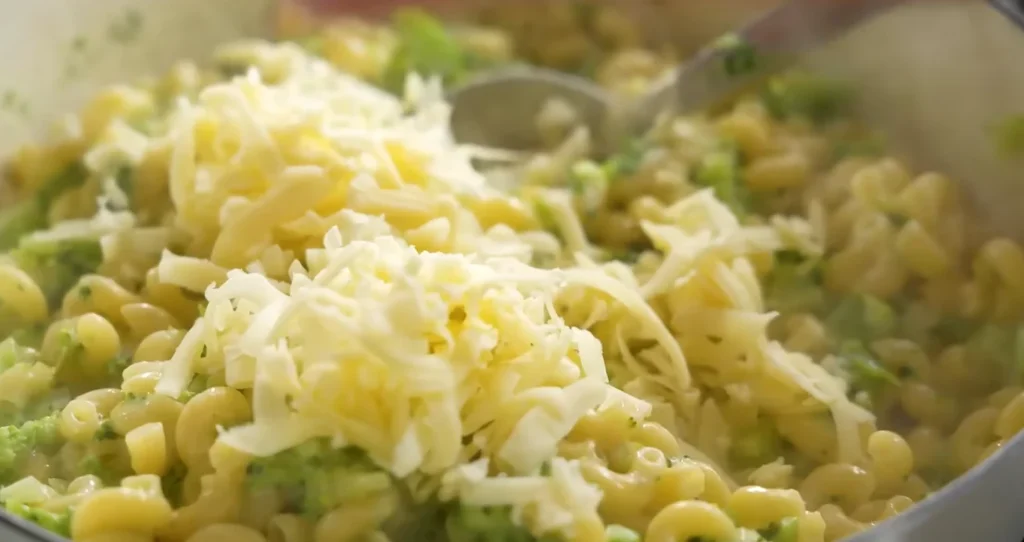
- Adding the cheese a little at a time helps create a smoother sauce.
- Use a silicone spatula to gently combine everything until creamy and evenly coated.
- Season with black pepper and optional paprika or red pepper flakes.
Finish and Serve
- Taste and adjust the seasoning if needed.
- Serve while hot and creamy.
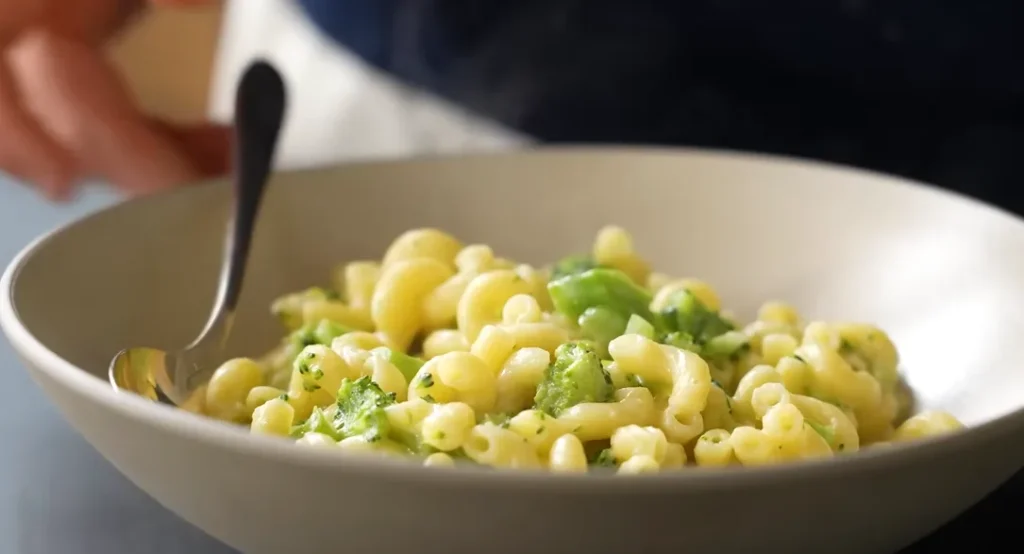
- For a make-ahead version, cool and refrigerate, then reheat gently before serving.
Expert Tips
A few small adjustments can make a big difference to the flavor, texture, and overall success of this one-pot mac and cheese. These tips will help you achieve a smoother cheese sauce, better creamy texture, and more consistent results every time.
- Always shred cheese from a block instead of using pre-shredded cheese from a bag. It melts more smoothly and creates a creamier sauce.
- Let the cheese come to room temperature before mixing it into the sauce. This helps prevent clumping and improves melting.
- Build flavor with onion, garlic, and mushrooms. Let the mushrooms brown properly before stirring for the best flavor.
- Cook the pasta in chicken broth and milk instead of water for a richer taste. A small amount of Dijon mustard adds depth without overpowering the dish.
- Use a combination of sharp cheddar and Parmesan for balanced flavor. Adding a little cream cheese creates a richer sauce, improves texture, and helps the dish reheat well.
- Pay attention to pasta shape and pasta-to-liquid ratios. Pasta that cooks quickly may leave excess liquid behind, while pasta that takes longer to cook may require additional liquid.
- Ideally, about 1/2 cup of starchy pasta liquid should remain before adding the cheese.
- Don’t forget to season. Different cheese brands vary in saltiness, so do a final taste test and adjust with salt and pepper as needed. For extra flavor, finish with black pepper and optional paprika or red pepper flakes.
- You can customize the recipe by adding cooked protein such as Italian sausage, chicken, or shrimp, or by using vegetables such as asparagus, bell peppers, Brussels sprouts, carrots, green beans, peas, squash, zucchini, spinach, or kale.
- Fresh herbs such as basil, rosemary, and thyme can add another layer of flavor, while Cajun seasoning offers a different variation.
Common Mistakes to Avoid
- Adding cheese while the sauce is still boiling can cause the texture to become grainy.
- Using pre-shredded cheese may prevent the sauce from becoming completely smooth.
- Overcooking the broccoli can make it too soft and reduce its texture.
- Choosing a pasta shape with a very different cooking time can affect the consistency of the finished dish.
- Skipping the final seasoning adjustment can leave the flavor unbalanced.
- Overcooking the pasta can make the sauce too thick after standing.
Storage
Store leftovers in an airtight container and refrigerate in the fridge for 3–5 days. For reheating, warm in the microwave for 30–60 seconds until heated through. Stir halfway through for even heating. If the pasta seems thick after refrigeration, add a splash of milk before reheating. Reheat over low heat on the stovetop for the creamiest texture.
Recipe Variations
This one-pot broccoli mac and cheese is easy to customize with ingredients you already have. Try one of these simple variations to suit your taste or make use of leftovers.
- Add cooked shredded chicken, crispy bacon, Italian sausage, or shrimp for extra protein.
- Swap sharp cheddar with white cheddar, Gouda, Gruyère, Monterey Jack, or a blend of cheeses for a different flavor.
- Stir in vegetables like spinach, peas, asparagus, bell peppers, kale, or zucchini for more color and nutrition.
- For a spicy version, mix in Cajun seasoning, smoked paprika, extra crushed red pepper flakes, or diced jalapeños.
- Replace the chicken broth with vegetable broth for a vegetarian-friendly version.
- Sprinkle toasted panko breadcrumbs over each serving for a crisp, crunchy topping.
What to Serve with Broccoli Mac and Cheese
This creamy pasta is satisfying on its own, but it also pairs well with a variety of side dishes for a complete meal.
- Garlic bread or warm dinner rolls for dipping into the creamy cheese sauce.
- A crisp green salad with a light vinaigrette to balance the richness.
- Roasted vegetables such as carrots, Brussels sprouts, or asparagus.
- Grilled or baked chicken for an easy protein boost.
- Tomato soup for a classic comfort food combination.
Nutrition Insight
Nutritional values are estimates and may vary depending on ingredient brands, preparation methods, and serving sizes.
One-pot broccoli mac and cheese is a satisfying meal that combines comfort and nutrition in a single bowl. Each serving delivers approximately 771 calories and includes:
- 57g Carbohydrates
- 33g Protein
- 46g Fat
- 28g Saturated Fat
- 137mg Cholesterol
- 905mg Sodium
- 595mg Potassium
- 3g Fiber
- 7g Sugar
- 1642IU Vitamin A
- 40mg Vitamin C
- 756mg Calcium
- 2mg Iron
While this is a rich comfort meal, it also provides protein, calcium, vitamin A, and vitamin C from the cheese and broccoli, making it more balanced than many traditional macaroni and cheese recipes.
FAQ’s
Is Frozen or Fresh Broccoli Better for This Recipe?
I tested this recipe with both fresh and frozen broccoli. Frozen broccoli saves prep time and works especially well for busy weeknights, while fresh broccoli provides a slightly firmer texture. If using frozen broccoli, steam and drain it before adding it to the pasta. Fresh broccoli can be added directly during cooking or lightly steamed beforehand.
Which Pasta Shape Gives the Best Results?
For the pasta, I prefer to use elbows or mini shells because their shape and size help everything cook evenly. Larger or smaller pasta shapes may require adjustments to the cooking time and liquid levels. While many pasta varieties work well, these shapes consistently provide reliable results and help create the best texture in the finished dish.
Does This Dish Stay Good for Meal Prep?
You can prepare this recipe ahead of time, although the sauce will naturally thicken as it cools. Store it in an airtight container in the refrigerator for up to 5 days. When reheating, add a splash of milk and warm it gently on the stovetop or in the microwave, stirring occasionally until the sauce becomes smooth and creamy again.
Can I Freeze Broccoli Mac and Cheese?
Yes, although freshly made mac and cheese has the best texture. Let it cool completely before transferring it to a freezer-safe container. Freeze for up to 2 months. Thaw overnight in the refrigerator, then reheat gently with a little milk to help restore the creamy consistency.
Why Did My Cheese Sauce Turn Grainy?
A grainy cheese sauce usually happens when the cheese is added over high heat or while the sauce is still boiling. Remove the pot from the heat before gradually stirring in the cheese, and use freshly shredded cheese whenever possible. This helps the cheese melt smoothly and creates a creamy, velvety sauce every time.