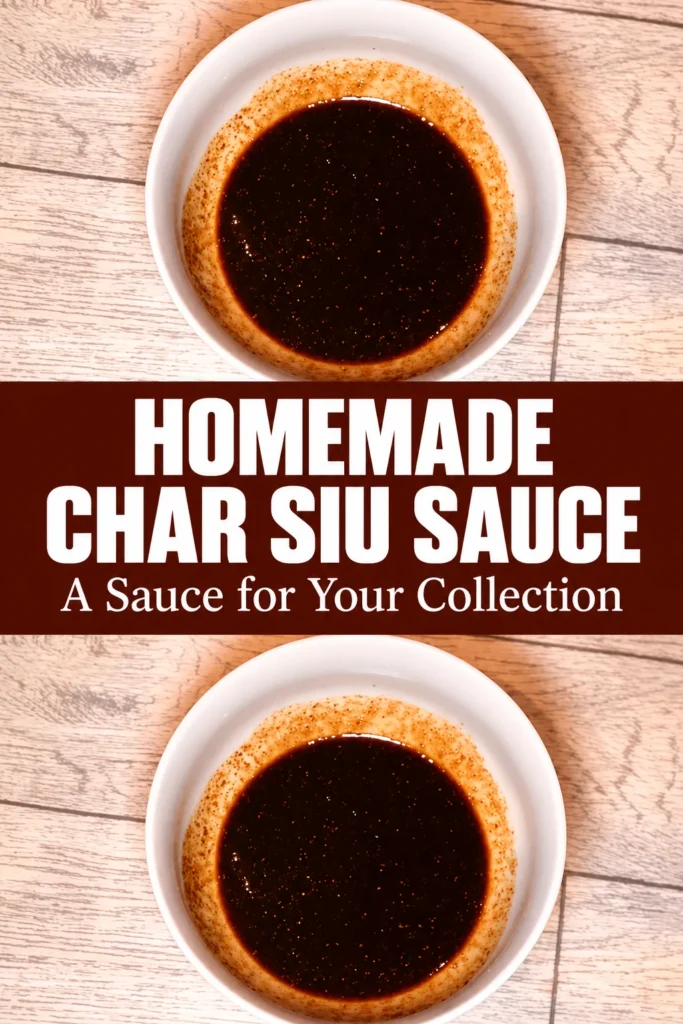
Homemade Char Siu Sauce brings classic Cantonese BBQ flavor to your kitchen. Soy sauce, oyster sauce, honey, and Chinese five-spice powder create a sweet and savory blend with a glossy finish.
Garlic, ginger, and white pepper add aromatic depth, while hoisin sauce and fermented red bean curd contribute richness and distinctive flavor.
Homemade Char Siu Sauce-The Short Answer
This sauce works especially well as a marinade for char siu pork, but it can also be used with chicken. Its balance of sweet and savory flavors helps coat the meat while adding the familiar taste of Cantonese barbecue.
Beyond marinades, use the sauce as a glaze during the final stage of cooking to give meat a glossy coating. It can also be served as a dipping sauce.
Why This Recipe Works
My homemade Char Siu Sauce combines sweet, savory, and aromatic ingredients to create a Chinese barbecue-style flavor. Making it at home gives you more control over the ingredients and sweetness.
The initial formula uses honey and does not include red food coloring or maltose. Hoisin sauce, light and dark soy sauce, oyster sauce, honey, garlic, ginger, and Chinese five-spice powder each contribute to the flavor.
Soy sauces provide savory depth and color, honey adds sweetness and gloss, and garlic and ginger bring aromatic freshness. Five-spice powder adds warmth.
Mixing the ingredients distributes the flavors, while a gentle simmer of 3–5 minutes helps them blend and creates a more cohesive texture.
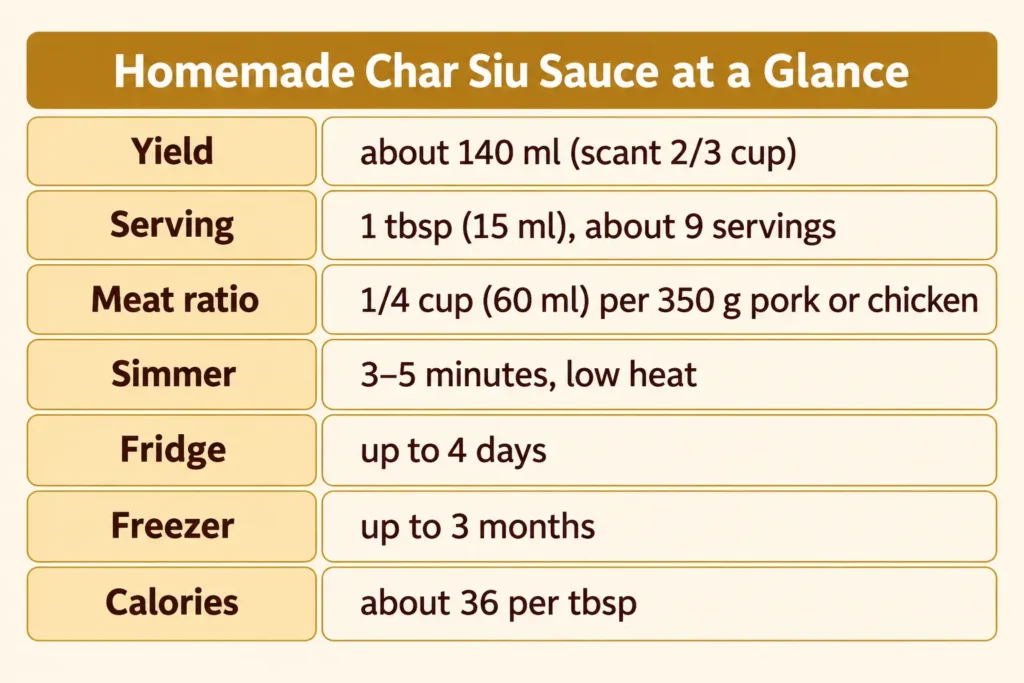
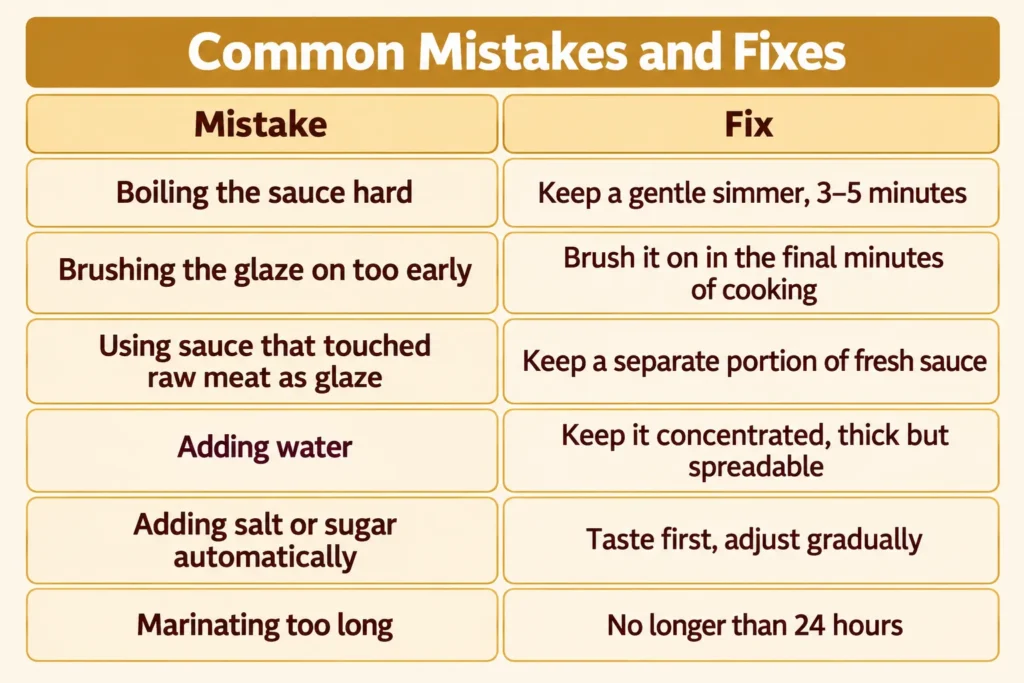
Use the sauce as a marinade for pork or chicken or as a finishing glaze for roasted meats. Keep the portion reserved for glazing separate from any sauce that touches raw meat. Brush it onto the meat during the final minutes of cooking because the sweet ingredients can burn if exposed to heat for too long.
Let the cooked sauce cool promptly before transferring it to a clean, airtight container. Refrigerate it for up to 4 days or freeze it for up to 3 months.
Homemade Char Siu Sauce
Homemade Char Siu Sauce brings Cantonese-style barbecue flavor to home cooking. Compared with bottled sauces, this version lets you adjust the sweetness, savory depth, and aroma to suit your taste.
The sauce can be used in several ways. Use it as a marinade for pork or chicken, or brush it over meat during the final minutes of cooking to create a glossy glaze.
For the best results, reserve some sauce before it comes into contact with raw meat. Brush the reserved portion onto the meat during the final minutes of cooking to help prevent the sugars from burning.
After cooking, let the sauce cool promptly and transfer it to a clean, airtight container. Refrigerate and use it within 4 days. Preparing a batch ahead of time makes meal preparation easier and gives you a convenient sauce for Chinese barbecue-inspired dishes.
Ingredients Needed
Garlic – 2 cloves
Fresh ginger – 1 teaspoon
Hoisin sauce – 2 tablespoons
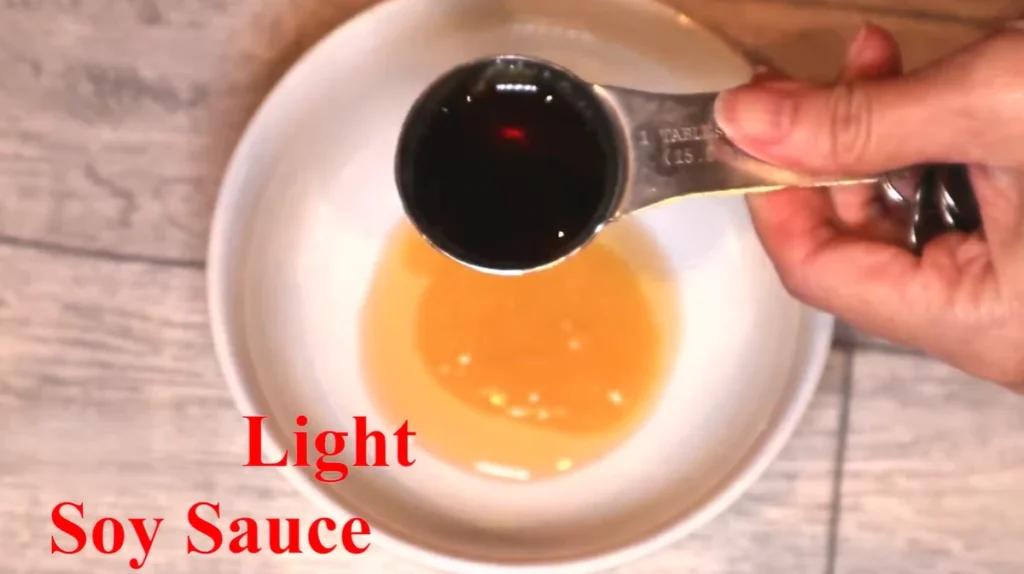
Light soy sauce – 2 tablespoons
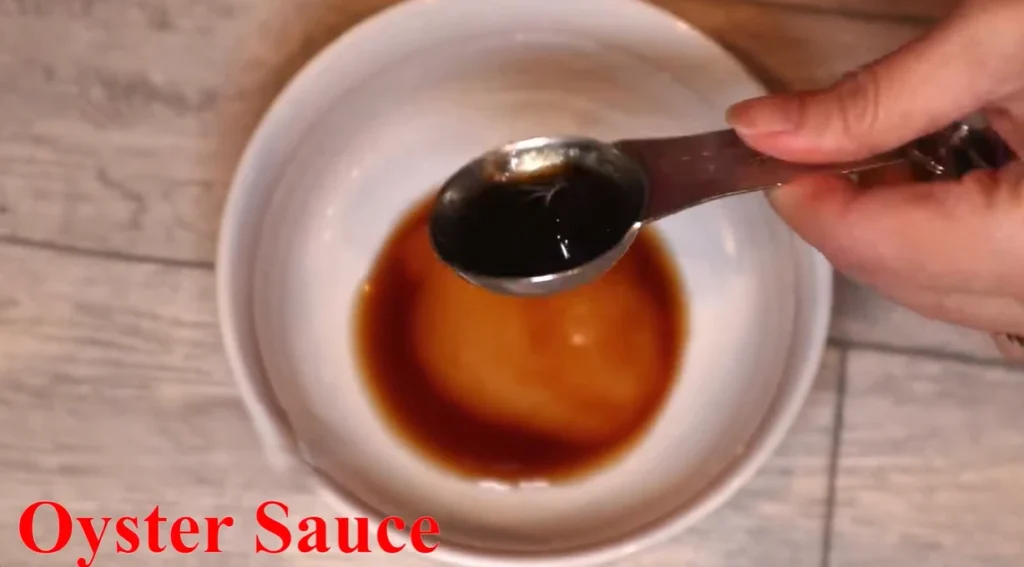
Oyster sauce – 1 tablespoon
Dark soy sauce – 1 teaspoon
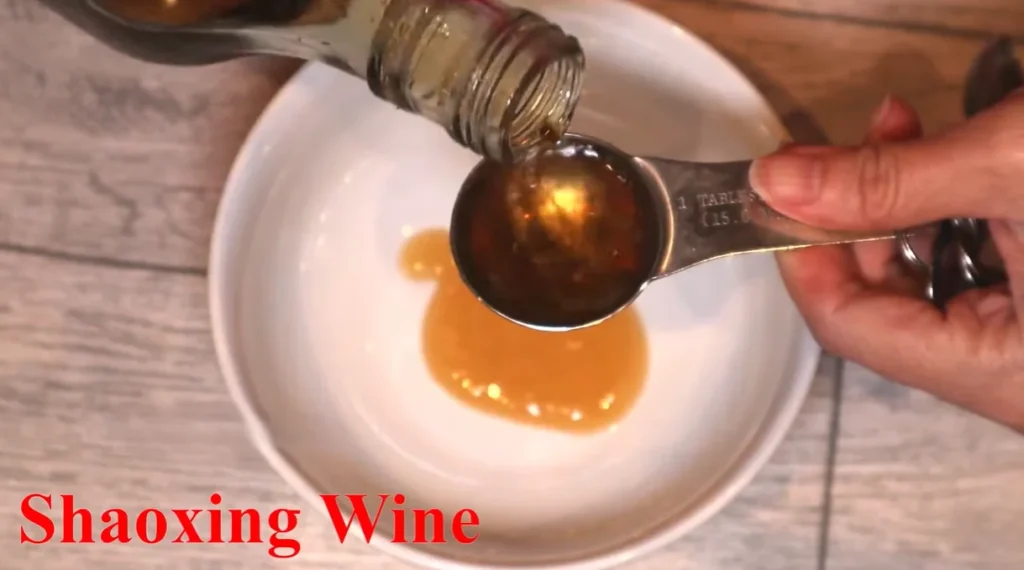
Shaoxing wine – 1 tablespoon
Honey – 2 tablespoons
Sesame oil – 1 teaspoon
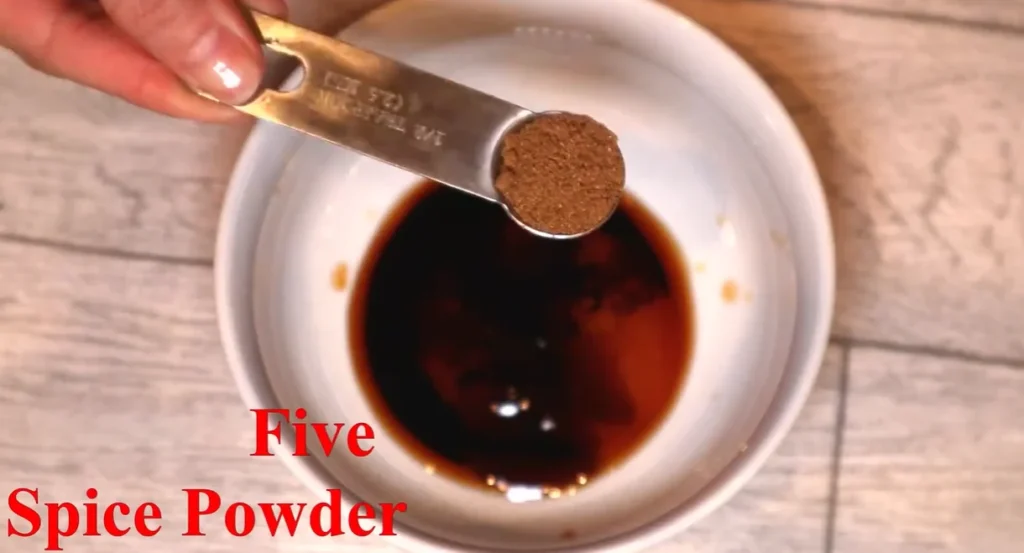
Chinese five-spice powder – ½ teaspoon
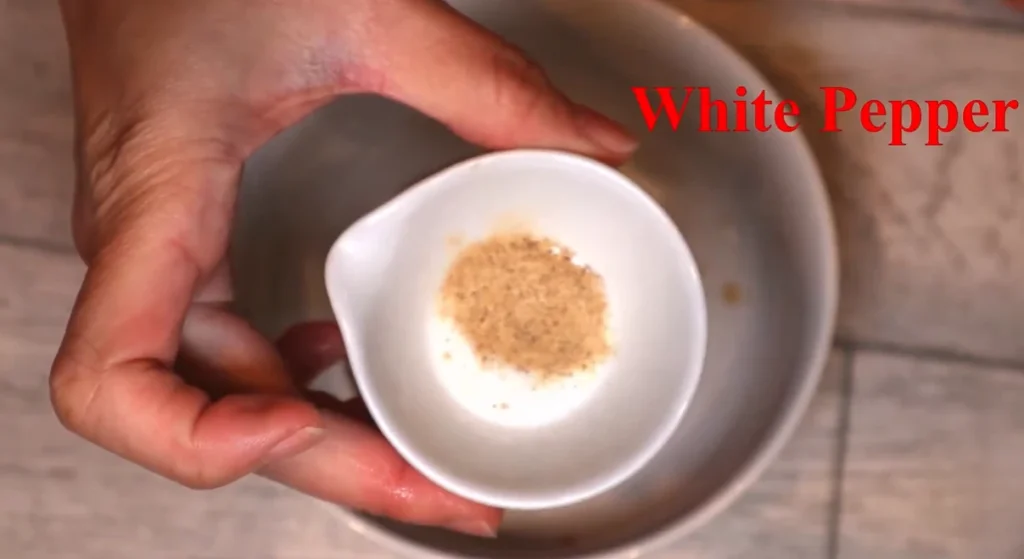
White pepper – ⅛ teaspoon
Fermented red bean curd – 1 small cube
Red bean curd brine – 1 teaspoon
Ingredients Notes
Garlic and Fresh Ginger: Finely mince the garlic and grate the fresh ginger to help distribute their aromatic flavor throughout the sauce.
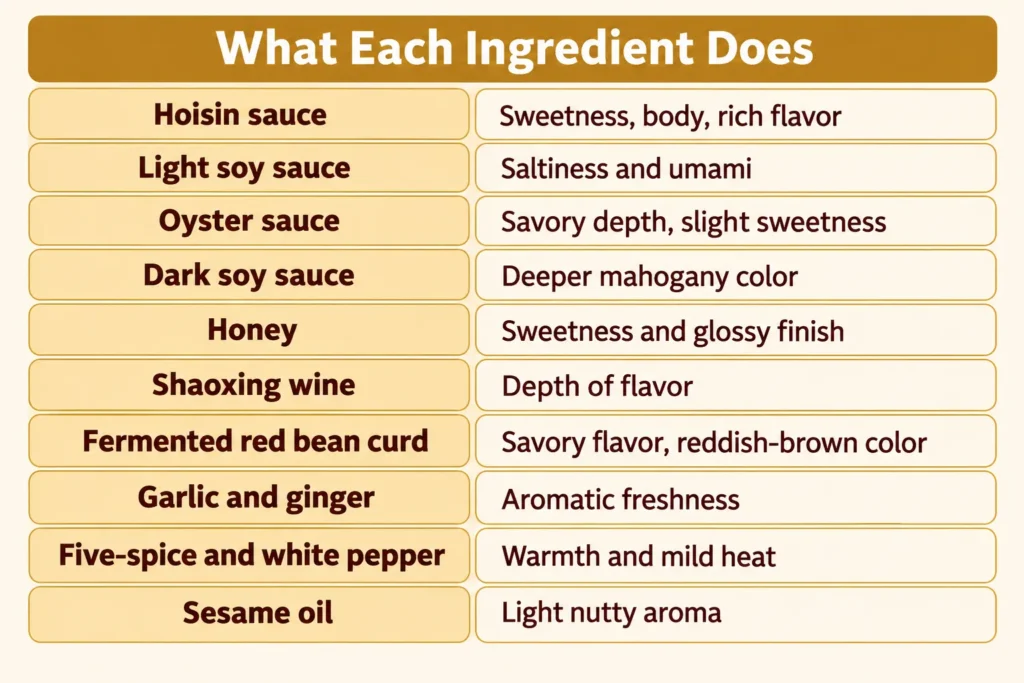
Hoisin Sauce: Adds sweetness, body, and a rich flavor to the sauce.
Light Soy Sauce: Provides saltiness and umami. Use 1 teaspoon to mash the fermented red bean curd, then add the remaining amount to the sauce. The total quantity remains 2 tablespoons.
Oyster Sauce: Adds savory depth and a slight sweetness.
Dark Soy Sauce: Gives the sauce a deeper color similar to the mahogany glaze associated with Chinese BBQ pork.
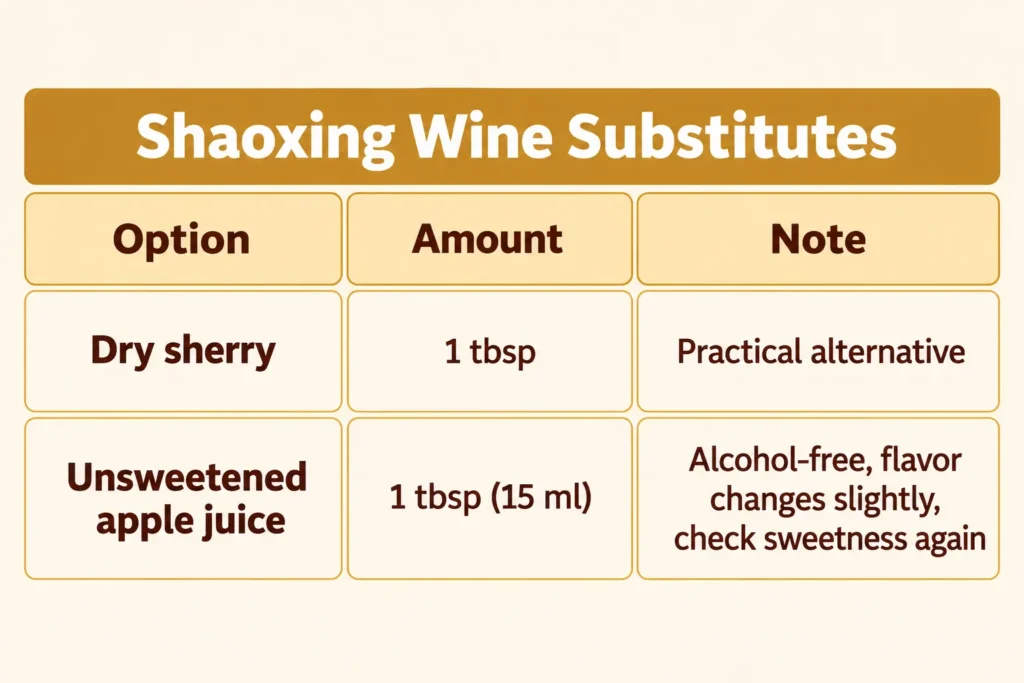
Shaoxing Wine: Adds depth to the flavor. You can substitute 1 tablespoon of dry sherry. For an alcohol-free option, use 1 tablespoon (15 ml) of unsweetened apple juice and check the sweetness again.
Honey: Sweetens the sauce and helps create a glossy finish. If you prefer a sweeter sauce, add 1 teaspoon (7 g) of extra honey, mix thoroughly, and taste again before adding more.
Sesame Oil: Adds a light, nutty aroma.
Chinese Five-Spice Powder: Provides warm, aromatic notes from spices such as star anise, cinnamon, cloves, fennel, and pepper.
White Pepper: Adds mild heat without overpowering the other flavors.
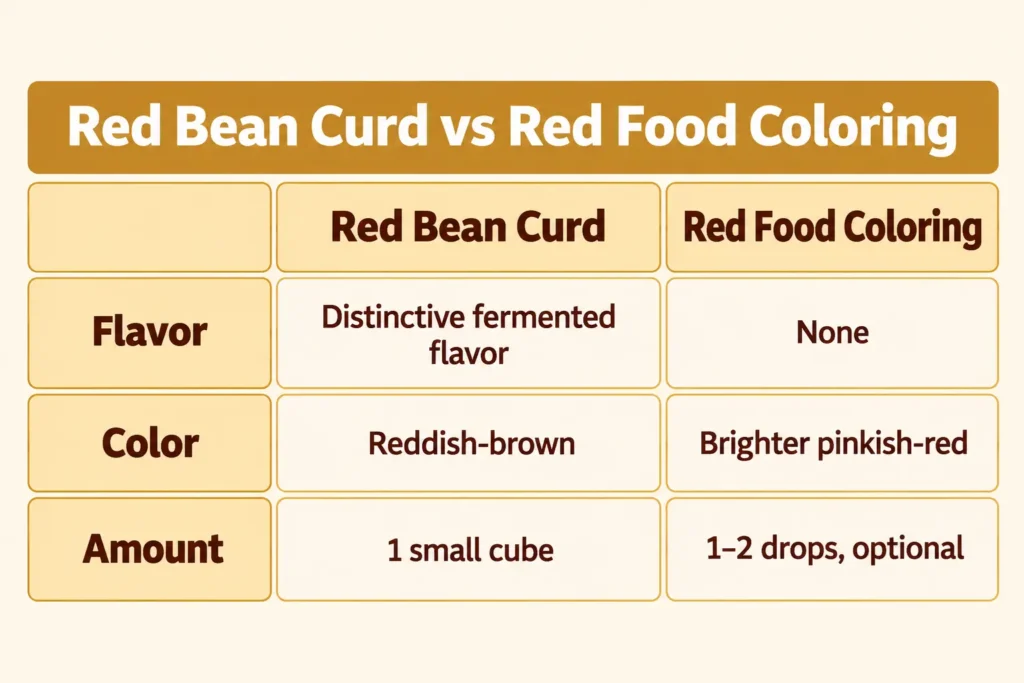
Fermented Red Bean Curd and Brine: Add a distinctive savory flavor and reddish-brown color. Use red bean curd (nam yu), not chili or white bean curd. Mash the bean curd with its brine and 1 teaspoon of the measured light soy sauce until mostly smooth before mixing it into the sauce.
Red Food Coloring: Optional if you want a brighter pinkish-red appearance. Use 1–2 drops. It changes the color but does not replace the flavor of fermented red bean curd.
Salt and Extra Sugar: Do not add them automatically. The soy sauce, oyster sauce, hoisin sauce, and fermented bean curd already contribute saltiness and sweetness. Taste the sauce first and adjust gradually.
Consistency: Keep the sauce concentrated. Water and cornstarch are not needed for this formula. The finished sauce should be thick but spreadable.
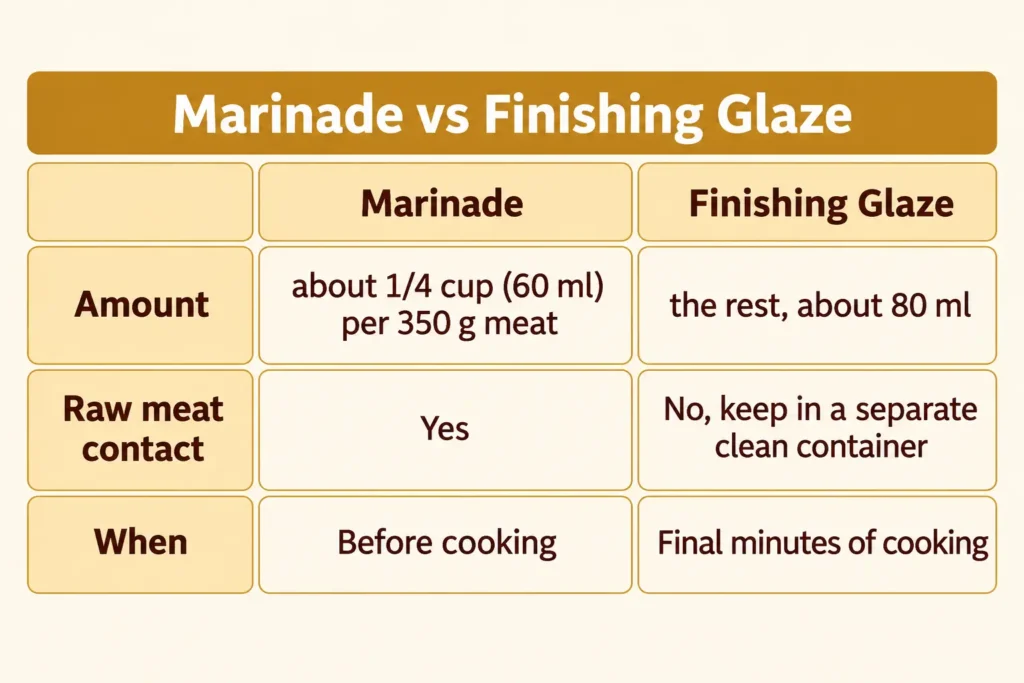
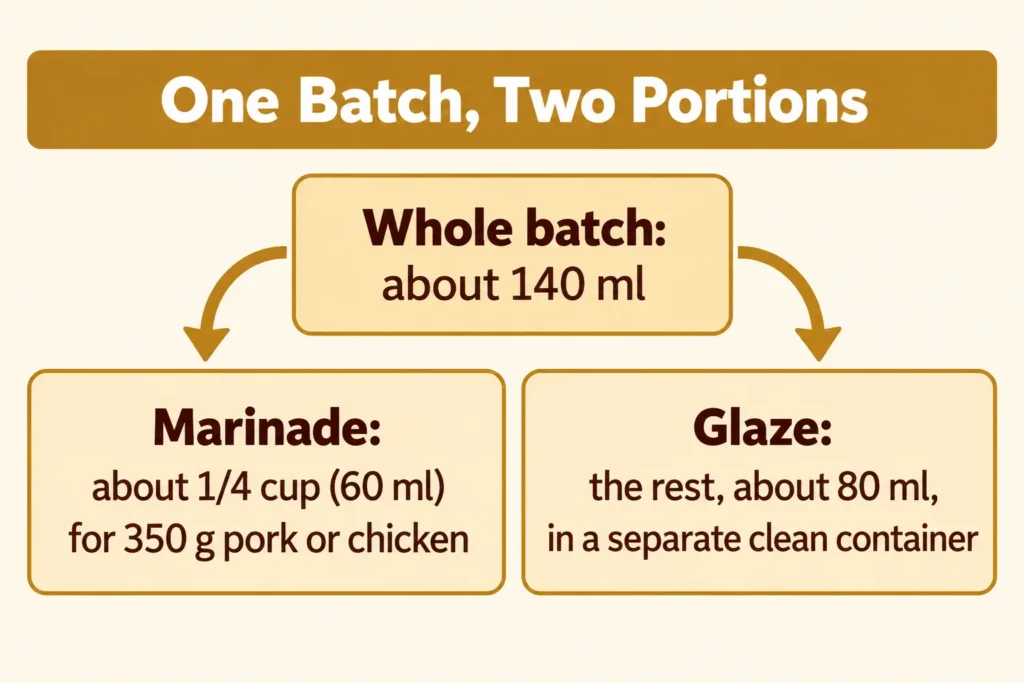
Marinade and Glaze: Reserve a separate portion for glazing before the sauce touches raw meat. Before adding the meat, divide the cooled sauce: set aside about ¼ cup (60 ml) for the marinade and keep the rest (about 80 ml) in a separate clean container for glazing.
This prevents cross-contamination and gives you sauce ready to brush onto the meat during the final minutes of cooking.
Step By Step Instructions
Step 1: Prepare the Aromatics
Finely mince 2 cloves of garlic and grate 1 teaspoon of fresh ginger. In a small bowl, mash 1 small cube of fermented red bean curd with 1 teaspoon of red bean curd brine and 1 teaspoon of the measured light soy sauce until mostly smooth. This helps distribute the fermented flavor throughout the sauce.
Step 2: Mix the Sauce Ingredients
Add 2 tablespoons of hoisin sauce, the remaining light soy sauce (1 tablespoon plus 2 teaspoons), 1 tablespoon of oyster sauce, 1 teaspoon of dark soy sauce, 1 tablespoon of Shaoxing wine, 2 tablespoons of honey, 1 teaspoon of sesame oil, ½ teaspoon of Chinese five-spice powder, ⅛ teaspoon of white pepper, and the minced garlic and grated ginger to a mixing bowl.
Add the mashed bean curd mixture and whisk until everything is evenly combined. The sauce should be thick but spreadable. Avoid adding water because the concentrated mixture works well as both a marinade and a glaze.
Step 3: Simmer the Sauce
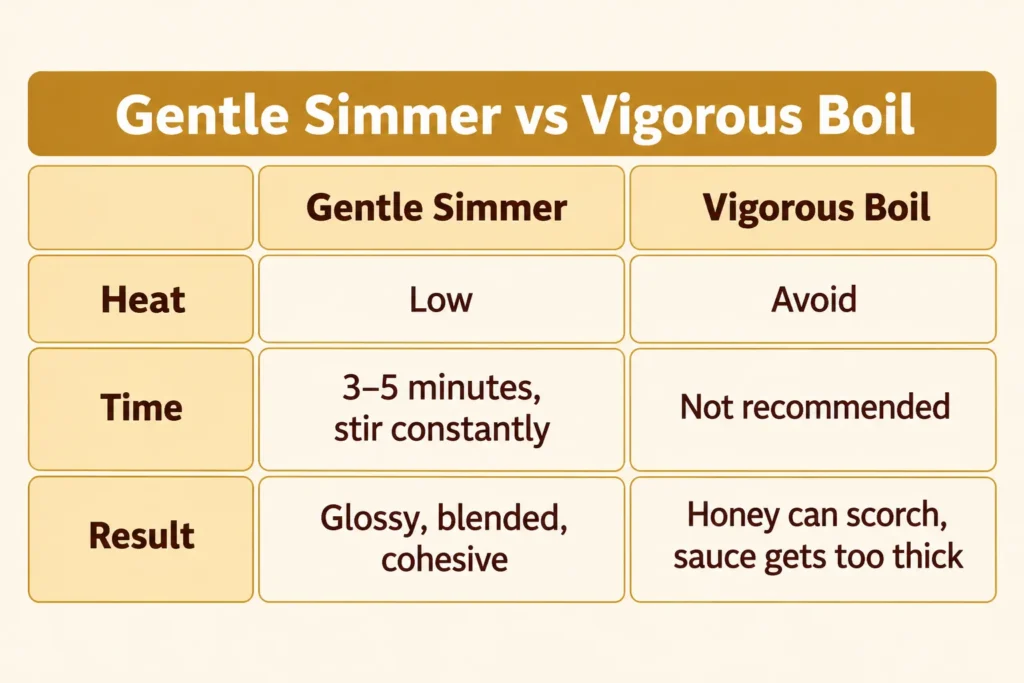
For a smoother texture and glossy finish, transfer the sauce to a small saucepan. Warm it over low heat for 3–5 minutes, stirring constantly. Keep the heat gentle rather than bringing the sauce to a vigorous boil, as the honey and other sweet ingredients can scorch.
Remove the pan from the heat and let the sauce cool before using or storing it. During my recipe comparisons, I found that fermented red bean curd adds a distinctive savory flavor and reddish-brown color. Red food coloring is optional if you prefer a brighter red appearance, but it changes the color rather than replacing the flavor of the bean curd.
Once cooled, divide the sauce before it touches any raw meat: set aside about ¼ cup (60 ml) for the marinade and keep the rest (about 80 ml) in a separate clean container for glazing. This avoids cross-contamination with raw meat.
Expert Tips for the Best Flavor and Color
Soy sauce provides the savory base and rich umami flavor. Oyster sauce adds depth and a touch of sweetness, while dark soy sauce creates a deep mahogany color similar to the glaze on Chinese BBQ pork. Honey is an accessible alternative to maltose and helps create a glossy, sticky finish.
Chinese five-spice powder gives the sauce its characteristic BBQ flavor. It combines star anise, cinnamon, cloves, fennel, and pepper for a warm, aromatic blend. Taste the sauce before adjusting the sweetness because honey and hoisin sauce already add sweetness.
Simmer the sauce over low heat for 3–5 minutes, stirring gently, whether you use it as a marinade, a glaze, or a dip. This helps the ingredients combine, dissolves the sugar, and cooks the raw ginger and garlic. Taste the sauce and adjust the sweetness or savory flavor a little at a time.
Fermented red bean curd contributes both reddish color and distinctive flavor. Red food coloring can create a brighter appearance, but it does not replace the fermented flavor.
Variations You Can Try
You can adjust the heat and flavor of this sauce to suit your taste. For a spicier version, start with ⅛ teaspoon of chili flakes, mix, and taste. Add more gradually until you reach the heat you like. These adjustments work well whether you’re using the sauce as a marinade or a finishing glaze.
If you don’t have Shaoxing wine, 1 tablespoon of dry sherry is a practical substitute. For an alcohol-free option, use 1 tablespoon (15 ml) of unsweetened apple juice instead. It will change the flavor slightly, so taste the sauce and check the sweetness again.
Fermented red bean curd adds color and a distinctive savory flavor. If you prefer a brighter red appearance, add 1–2 drops of red food coloring. Keep in mind that food coloring changes the appearance but does not replace the flavor of fermented red bean curd.
Storage and Freezing Tips
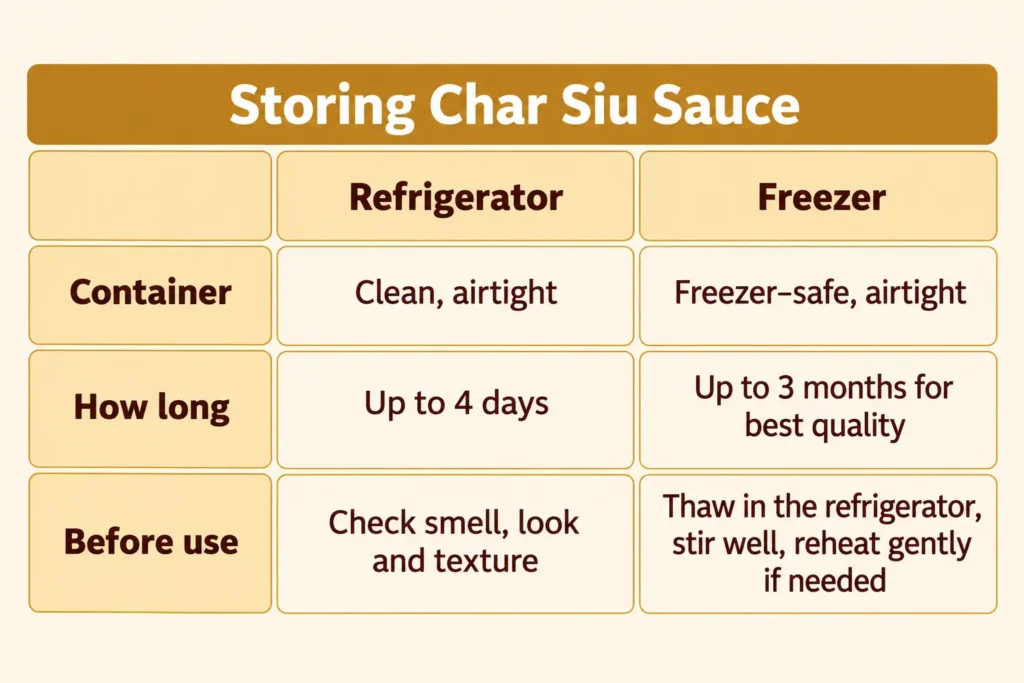
Let the cooked sauce cool promptly before transferring it to a clean, airtight container. Store it in the refrigerator for up to 4 days to maintain its quality. Keeping the container sealed helps protect the sauce and makes it convenient to use later.
For longer storage, transfer the sauce to a freezer-safe, airtight container and freeze it for up to 3 months for the best quality. When needed, thaw the sauce in the refrigerator, stir it thoroughly, and gently reheat it if necessary.
How to Use It
Homemade Char Siu Sauce adds a sweet and savory flavor to pork and chicken. For classic Chinese BBQ pork, marinate the pork in the sauce, then brush a separate portion of fresh sauce over the meat during the final minutes of cooking.
The sauce caramelizes as the meat cooks, helping create the glossy finish associated with Cantonese char siu. Brushing it on during the final minutes also helps prevent the sugars from burning.
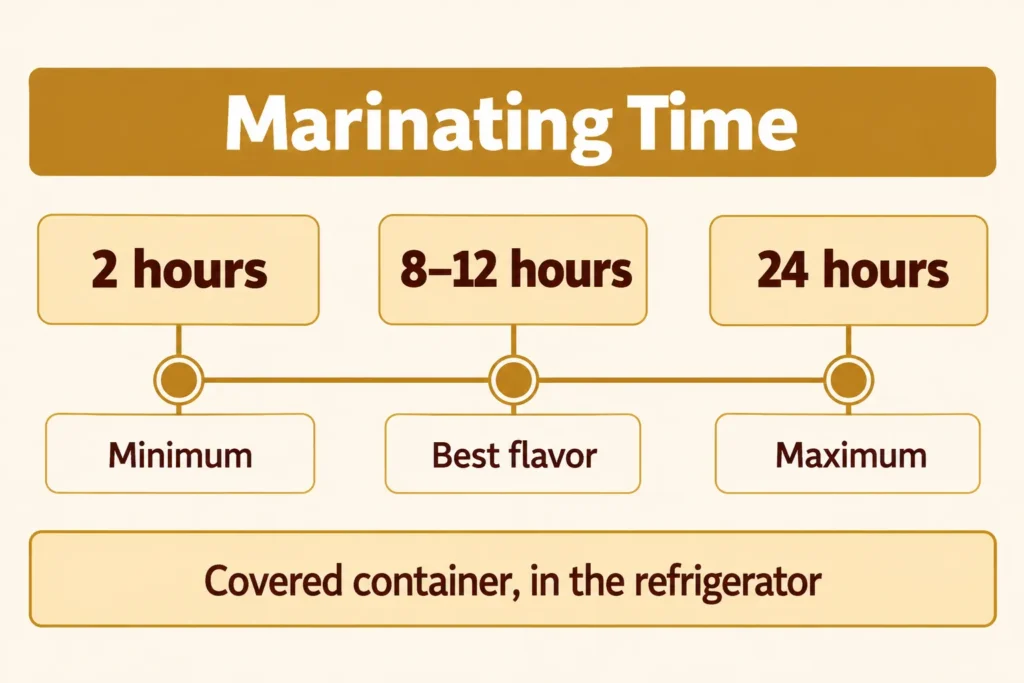
The sauce also works well as a marinade for chicken. Use about ¼ cup (60 ml) for 350 g of chicken, place it in a covered container, and refrigerate it for at least 2 hours, or preferably 8–12 hours for deeper flavor.
The same marinating times apply to pork. Do not marinate for longer than 24 hours. Brush the separate portion of fresh sauce over the chicken during the final minutes of cooking for a glossy, slightly sticky coating.
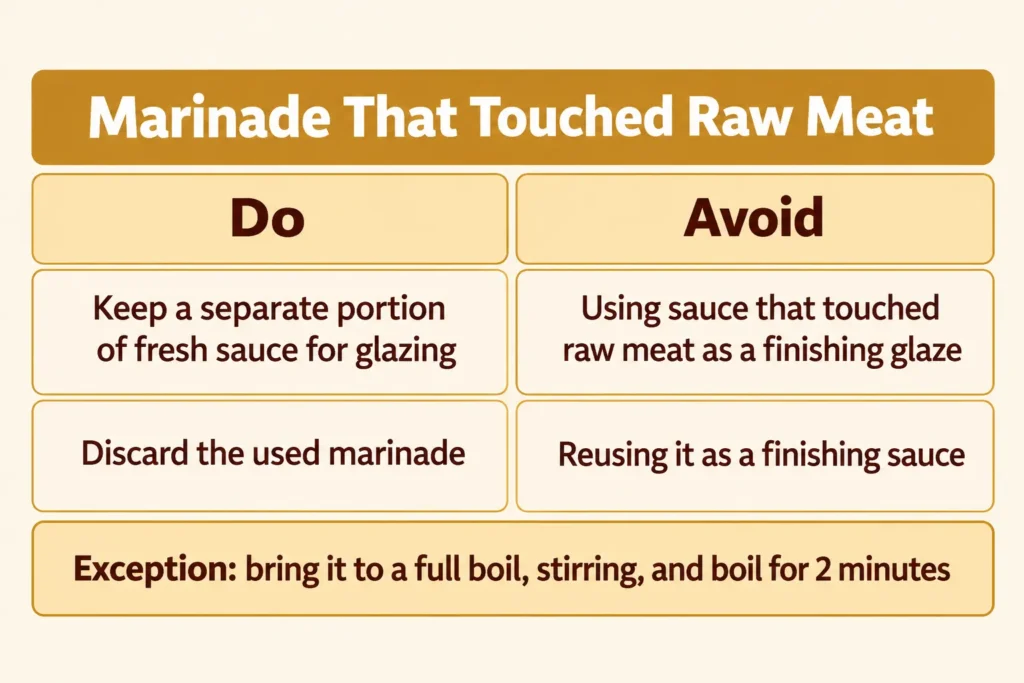
If the sauce has touched raw meat, do not use it directly as a finishing glaze. Keep a separate portion of fresh sauce for this purpose to prevent cross-contamination.
This sauce is a convenient way to add Chinese barbecue flavor to pork or chicken.
Notes
Use about ¼ cup (60 ml) of Char Siu Sauce for 350 g of pork or chicken. The recipe makes approximately 140 ml, which can be divided between the marinade and finishing glaze (about 80 ml for glazing). Place the meat in a covered container and refrigerate it for at least 2 hours, or preferably 8–12 hours. Do not marinate it for longer than 24 hours.
When preparing char siu pork, reserve some fresh sauce for glazing during the final minutes of cooking. Do not reuse marinade that has touched raw meat as a finishing sauce; discard it. If you must reuse it, treat it as the one exception to the gentle-simmer rule: bring it to a full boil, stirring, and boil it for 2 minutes.
Simmer the sauce over low heat for 3–5 minutes, stirring gently, whether you use it as a marinade, glaze, or dip. This helps cook the raw ginger and garlic while blending the ingredients and developing a richer flavor. Avoid vigorous boiling because the honey can scorch and make the sauce too thick.
For a balanced sweet and savory flavor, taste the sauce after mixing the ingredients. If you prefer it sweeter, add 1 teaspoon (7 g) of extra honey, mix thoroughly, and taste again before adding more. Make small adjustments to the savory ingredients as well, keeping the flavors balanced without overpowering one another.
Nutritional Info
The nutrition information for Homemade Char Siu Sauce is approximate because it is estimated from typical ingredient nutrition data and may vary depending on ingredient brands and the final sauce yield. One serving of 1 tablespoon (15 ml) contains an estimated 36 calories, 6 g carbohydrates, 1 g protein, 1 g fat, 0.2 g saturated fat, 5 g sugar, and 390 mg sodium.
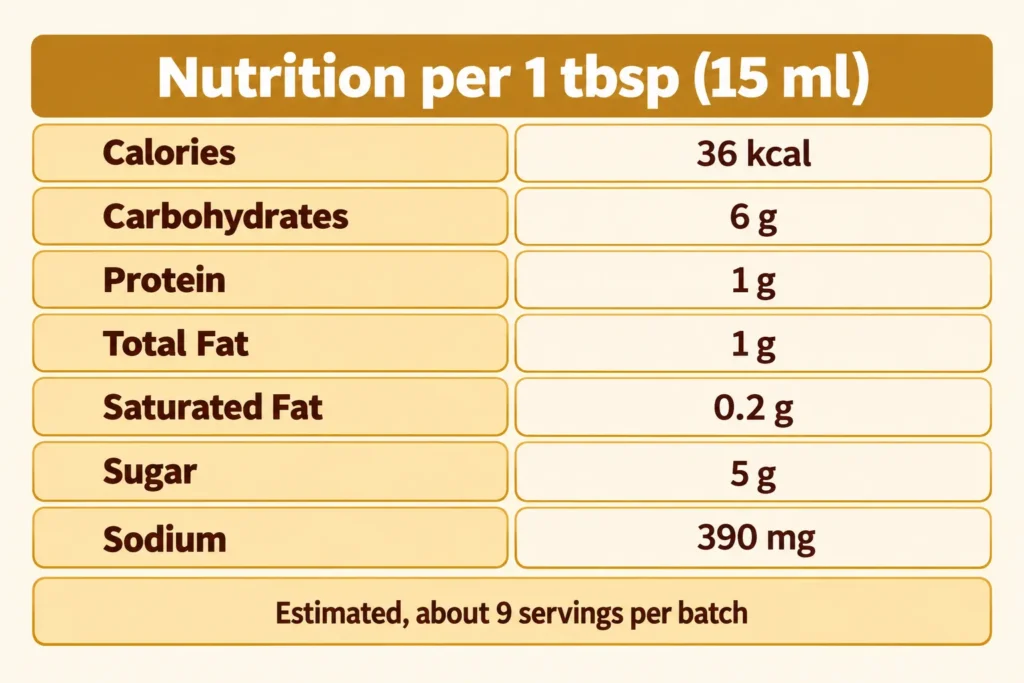
These estimates are based on a final yield of approximately 140 ml, or around 9 servings. Actual values may differ depending on the ingredients used and how much the sauce reduces during simmering. For a more accurate estimate, calculate the nutrition using your specific ingredient labels and the measured final yield.
FAQ’s
What Can You Use Instead of Shaoxing Wine?
Dry sherry (1 tablespoon) is a suitable substitute for Shaoxing wine because it helps maintain the sauce’s savory flavor. For an alcohol-free alternative, use 1 tablespoon (15 ml) of unsweetened apple juice and check the sweetness again.
Why Is It Better to Make Char Siu Sauce Ahead of Time?
Making the sauce ahead of time saves effort when preparing a meal. After preparing the sauce and letting it cool, transfer it to a sealed jar and refrigerate it.
The prepared sauce is then ready to use as a marinade or glaze whenever needed. Keep it refrigerated and use it within 4 days.
How Should You Store and Reheat the Sauce?
Let the cooked sauce cool promptly before transferring it to a clean, airtight container. Store it in the refrigerator and use it within 4 days.
When you’re ready to use it, warm it gently over low heat until smooth and glossy. Check for unusual smells or changes in appearance or texture before using stored sauce.
Can You Freeze Homemade Char Siu Sauce?
Yes, you can freeze the sauce for later use. Divide it into small freezer-safe containers so you can thaw only the amount you need. For the best quality, use it within 3 months.
Thaw the sauce in the refrigerator, then stir well and gently reheat it if needed. This makes it easier to prepare meals in advance without making a fresh batch each time.
How Many Calories Are in a Serving of Char Siu Sauce?
The recipe makes approximately 140 ml of sauce, or slightly less than ⅔ cup. Each 1-tablespoon (15 ml) serving contains an estimated 36 calories.
The actual nutritional values may vary depending on the ingredients and final yield. For the most accurate estimate, calculate the nutrition using the specific ingredient labels and measured quantity of the finished sauce.
Is Red Bean Curd Better Than Red Food Coloring?
Red bean curd and red food coloring serve different purposes in Char Siu Sauce. Red bean curd adds a distinctive fermented flavor and contributes to the sauce’s reddish color, while food coloring changes the appearance without adding flavor.
Although red bean curd may not produce the same vibrant red color, it adds more savory depth. You can use it without food coloring if you prefer a more natural appearance. The choice depends on whether you prioritize flavor, color intensity, or both.
Pinterest Pins