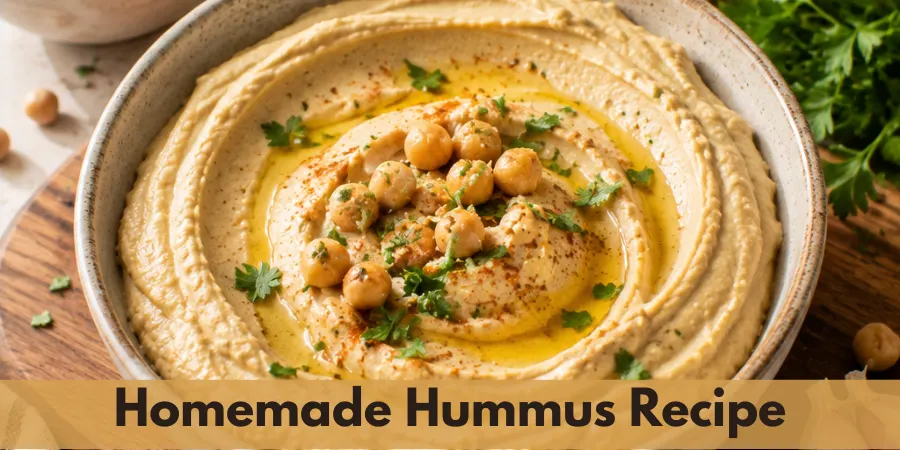
A great Homemade Hummus does not require complicated techniques or a long list of ingredients. After refining this recipe over the years, I discovered that a few simple changes can make a noticeable difference in both flavor and texture.
This easy 7-ingredient hummus recipe requires only 5 minutes of prep and comes together quickly, making it perfect for busy days. The result is a fresh, creamy hummus with balanced flavor and a silky texture that is far better than many store-bought versions.
Homemade Hummus Recipe-The Short Answer
This classic Middle Eastern and Mediterranean dip combines chickpeas (garbanzo beans), tahini, fresh lemon juice, garlic, extra-virgin olive oil, fine sea salt, and ground cumin. Together, these ingredients create a smooth, creamy dip with rich sesame flavor, bright citrus notes, and a subtle savory finish.
Simple garnishes like paprika, ground sumac, or Za’atar add color and enhance the traditional flavor without overpowering the hummus.
Over the years, I have learned that the best homemade hummus comes from using quality ingredients and following the correct blending method rather than relying on complicated techniques.
Whether you use canned chickpeas for convenience or cooked chickpeas from scratch, this recipe delivers consistently smooth and creamy results with very little effort.
Serve this Homemade Hummus with warm pita bread, pita chips, or fresh vegetables, or use it as a flavorful spread for sandwiches and wraps.
Whether enjoyed as an appetizer, snack, or part of a Mediterranean-inspired meal, this simple recipe is easy to make and delicious enough to prepare again and again.
Homemade Hummus Ingredients
You only need 7 simple ingredients to make this easy homemade hummus recipe. Each ingredient plays an important role in creating a smooth, creamy texture and balanced flavor.
Chickpeas (Garbanzo Beans)
Use:
- 1½ cups cooked chickpeas (approximately 250 grams drained)
Canned chickpeas are convenient and produce consistently creamy results. If cooking dried chickpeas from scratch, soak them in advance and cook them until they are very soft.
Softer chickpeas blend more easily and help create a smoother hummus.
Tahini
Use:
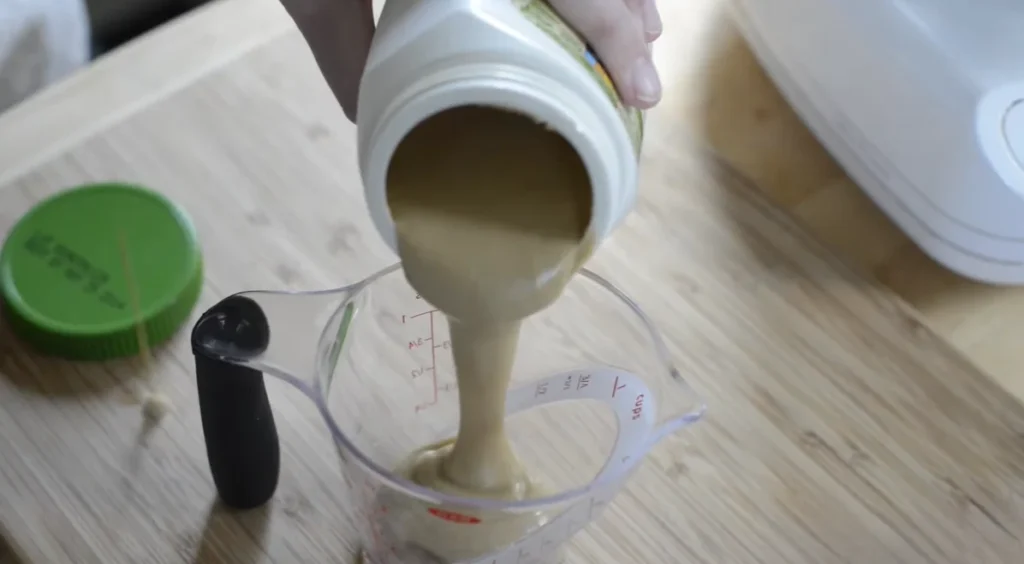
- ⅓ cup smooth tahini (approximately 80 grams)
A good-quality tahini with a mild, nutty flavor creates the rich, creamy texture that defines traditional hummus.
Stir the tahini thoroughly before measuring so the sesame oil is fully incorporated.
Extra-Virgin Olive Oil
Use:
- 2 tablespoons (30 milliliters)
Extra-virgin olive oil adds richness and helps create a silky texture.
Reserve:
- 1 tablespoon (15 milliliters)
for drizzling over the finished hummus before serving.
Fresh Lemon Juice
Use:
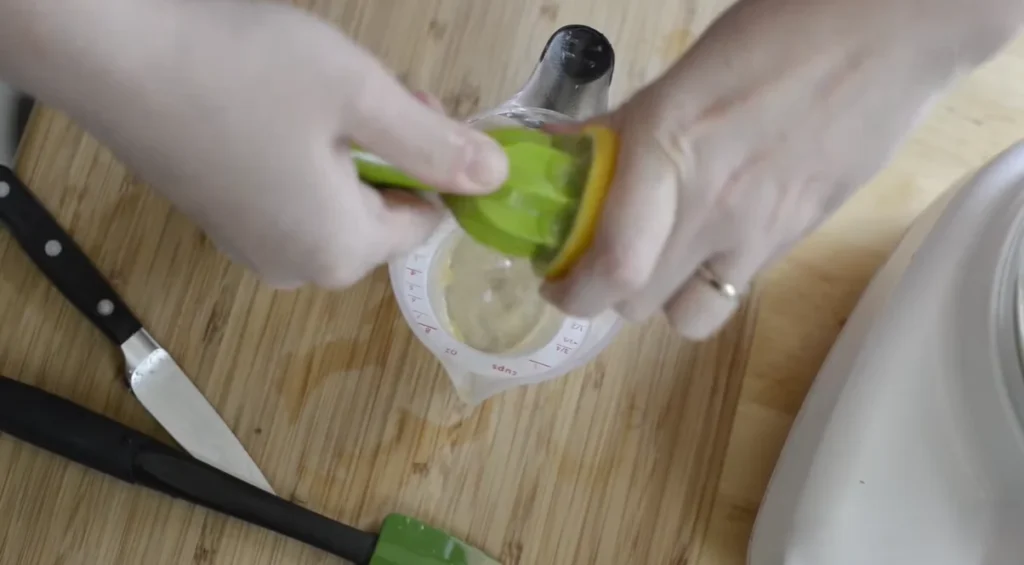
- 3 tablespoons (45 milliliters) freshly squeezed lemon juice
Fresh lemon juice provides a brighter, cleaner flavor than bottled lemon juice and balances the richness of the tahini.
Garlic
Use:
- 1 medium garlic clove (approximately 5 grams)
This amount adds savory depth without overpowering the chickpeas or tahini.
For a milder flavor, roasted garlic can be used instead.
Ice-Cold Water
Start with:
- 2 tablespoons (30 milliliters) ice-cold water
If needed, gradually add:
- An additional 2 tablespoons (30 milliliters)
until the hummus reaches a light, creamy consistency.
The total water should not exceed:
- 60 milliliters
Fine Sea Salt
Use:
- ½ teaspoon (approximately 3 grams)
Fine sea salt enhances the natural flavor of the chickpeas while balancing the tahini, lemon juice, garlic, and olive oil.
How to Make Homemade Hummus
Making homemade hummus is simple, but following the correct blending order makes a noticeable difference in achieving a smooth, creamy texture.
A food processor is the preferred choice, although a high-speed blender can also work well.
Step 1: Prepare the Chickpeas
Drain and rinse:
- 1½ cups cooked chickpeas (approximately 250 grams drained)
under cold running water for about:
- 30–60 seconds
Allow the chickpeas to drain completely for:
- 2–3 minutes
Removing excess water helps maintain the proper consistency and prevents the hummus from becoming too thin.
Step 2: Whip the Tahini and Lemon Juice
Add:
- ⅓ cup smooth tahini (approximately 80 grams)
- 3 tablespoons (45 milliliters) fresh lemon juice
to the food processor.
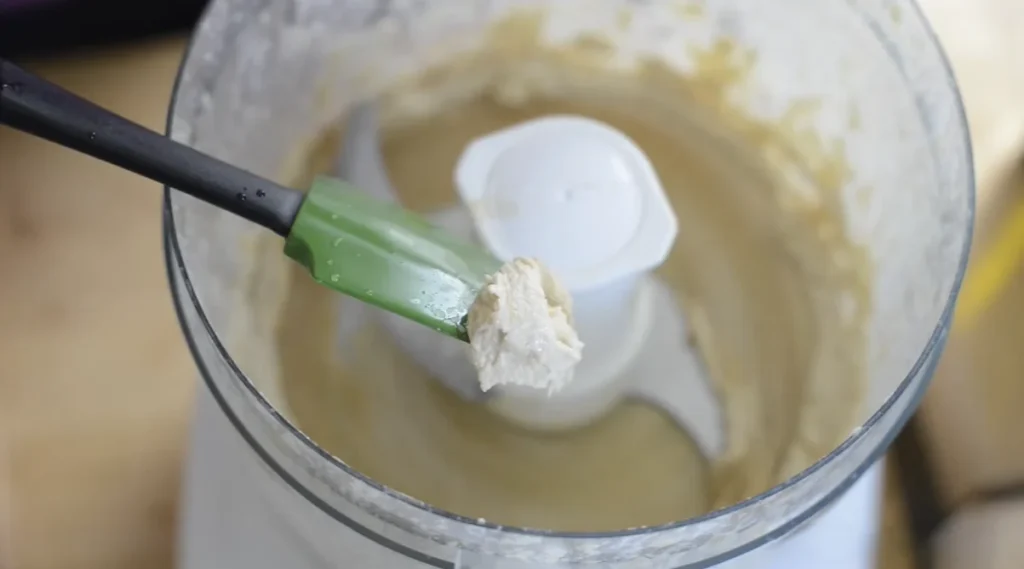
Blend for:
- 1 minute
Scrape down the sides and bottom of the bowl, then blend again for:
- 30 seconds
This step creates a lighter, creamier tahini base and helps produce extra-smooth hummus.
Step 3: Add the Remaining Ingredients
Add:
- 2 tablespoons (30 milliliters) extra-virgin olive oil
- 1 medium garlic clove (approximately 5 grams)
- ½ teaspoon (approximately 1 gram) ground cumin
- ½ teaspoon (approximately 3 grams) fine sea salt
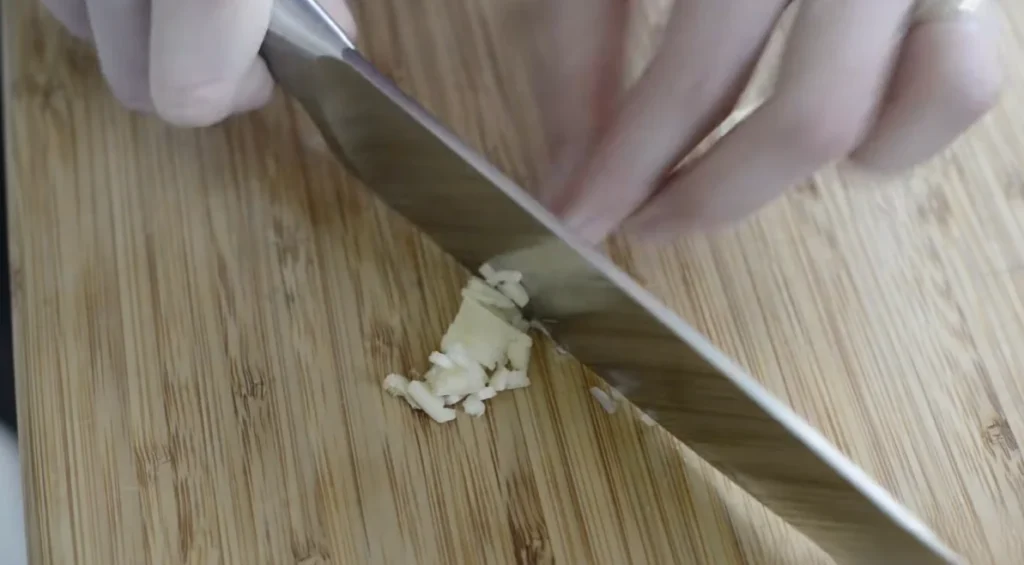
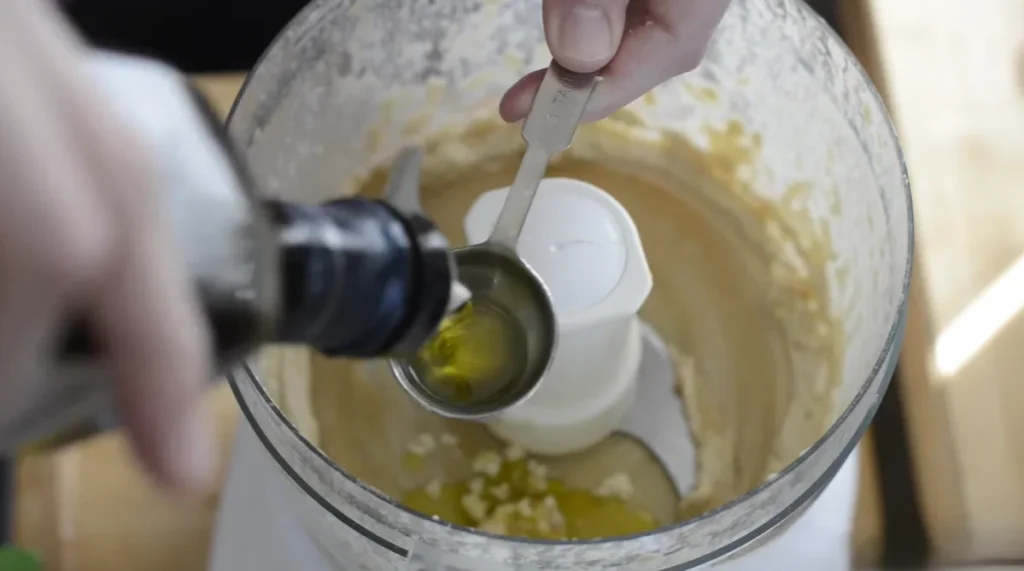
Blend for about:
- 30 seconds
Scrape the bowl again, then blend for another:
- 30 seconds
until the ingredients are fully combined.
Step 4: Blend the Chickpeas
Add:
- Half of the chickpeas (approximately 125 grams)
and blend for:
- 1 minute
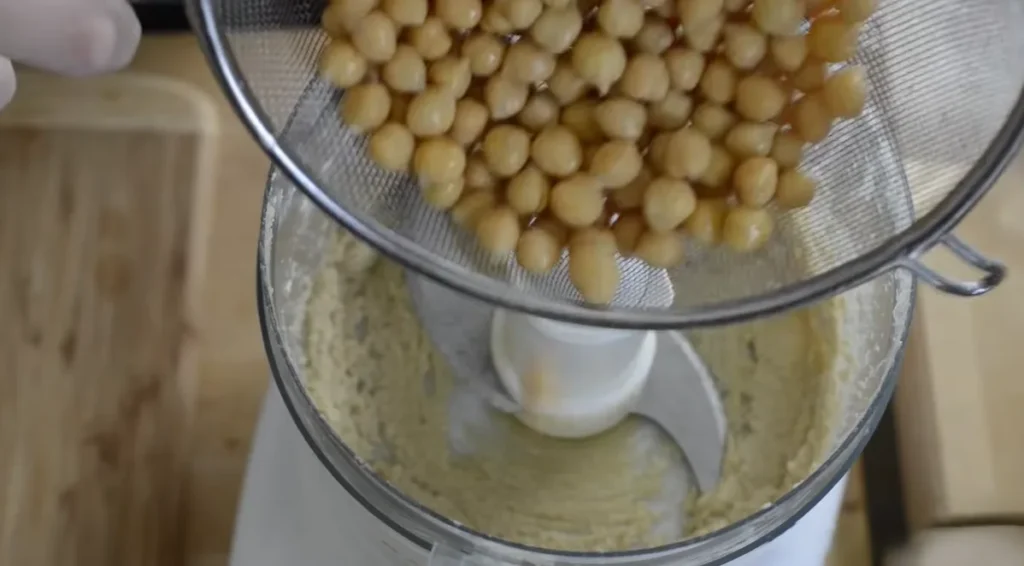
Scrape the bowl, then add the remaining:
- 125 grams chickpeas
Continue blending for:
- 2–3 minutes
or until the mixture becomes thick and mostly smooth.
Blending the chickpeas gradually helps create a more even texture and smoother hummus.
Step 5: Adjust the Consistency
With the food processor running, slowly add:
- 2 tablespoons (30 milliliters) ice-cold water
If the hummus is still thicker than desired, gradually add:
- Up to an additional 2 tablespoons (30 milliliters)
The total water should not exceed:
- 60 milliliters
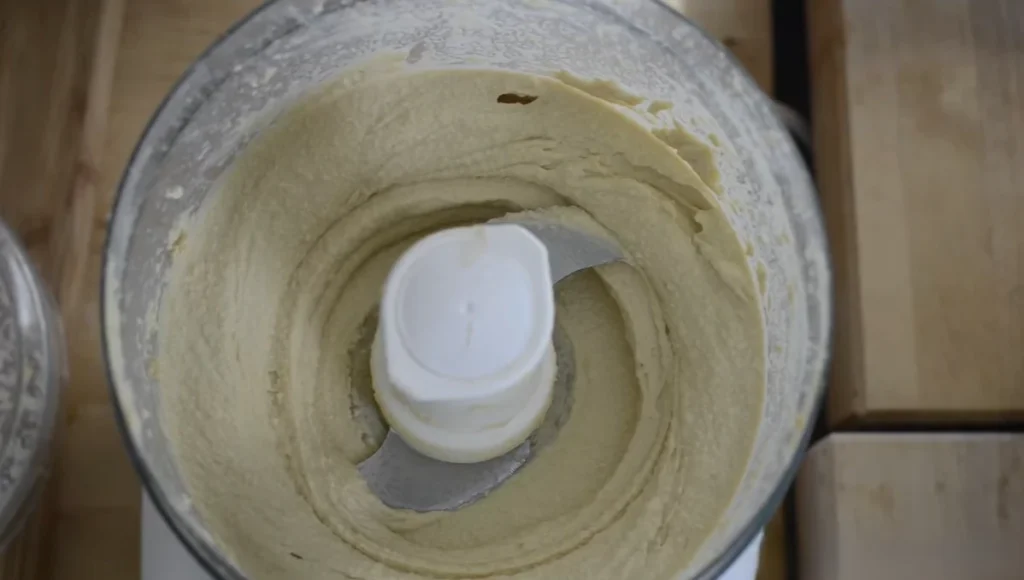
Continue blending until the hummus becomes smooth, creamy, light, and easily spreadable.
Step 6: Taste and Adjust
Taste the hummus and adjust the seasoning if needed.
For a brighter flavor, add up to:
- 1 tablespoon (15 milliliters) fresh lemon juice
If additional seasoning is needed, add up to:
- ¼ teaspoon (approximately 1.5 grams) fine sea salt
Blend for:
- 15–20 seconds
after each adjustment.
Step 7: Garnish and Serve
Transfer the hummus to a serving bowl and use the back of a spoon to create a shallow swirl on the surface.
Drizzle with:
- 1 tablespoon (15 milliliters) extra-virgin olive oil
and garnish with:
- Paprika
- Chopped parsley
- Ground sumac
- Za’atar
if desired.
Serve immediately with warm pita bread, pita chips, crackers, or fresh vegetables.
Storage
Transfer any leftover Homemade Hummus to an airtight container and refrigerate it to maintain freshness and texture.
Properly stored hummus can be kept in the refrigerator for:
- Up to 5 days
After chilling, hummus may become slightly thicker because the ingredients settle and absorb moisture.
Before serving, restore the creamy consistency by stirring in:
- 1–2 teaspoons (5–10 milliliters) ice-cold water
Mix until the hummus becomes smooth and spreadable again.
Recipe Variations
One of the best things about homemade hummus is how easy it is to customize while keeping the same smooth, creamy base.
Start with the original recipe, then try these simple variations for different flavors and textures.
Roasted Garlic Hummus
Replace:
- 1 medium garlic clove (approximately 5 grams)
with:
- 2 roasted garlic cloves (approximately 10 grams)
Roasted garlic adds a sweeter, milder flavor that creates a rich and mellow hummus without changing the creamy texture.
Roasted Red Pepper Hummus
Blend:
- 100 grams well-drained roasted red peppers
into the finished hummus base.
Because roasted peppers add extra moisture, begin with the original:
- 2 tablespoons (30 milliliters) ice-cold water
and add more only if needed.
A sprinkle of smoked paprika makes a flavorful finishing touch.
Herb Hummus
Add fresh herbs during the final:
- 30 seconds
of blending.
Choose one:
- 20 grams fresh parsley
- 20 grams fresh cilantro
- 15 grams fresh basil
Fresh herbs add color and a bright flavor while keeping the chickpeas and tahini as the main flavors.
Spicy Hummus
For extra heat, blend in:
- ½ teaspoon (approximately 1 gram) crushed red pepper flakes
or:
- ½ teaspoon (approximately 1 gram) cayenne pepper
Start with the recommended amount and increase gradually if you prefer a spicier hummus.
Smoked Paprika Hummus
Add:
- 1 teaspoon (approximately 2 grams) smoked paprika
while blending.
This creates a mild smoky flavor that pairs well with the lemon and tahini.
Lemon Herb Hummus
Blend in:
- 1 teaspoon finely grated lemon zest (approximately 2 grams)
together with:
- 1 tablespoon chopped parsley (approximately 15 grams)
The lemon zest adds extra citrus aroma without making the hummus more acidic.
Za’atar Hummus
Add:
- 1 teaspoon Za’atar (approximately 2 grams)
during the final blending stage.
Sprinkle:
- ½ teaspoon (approximately 1 gram)
over the finished hummus before serving for extra flavor.
Pine Nut Hummus
Blend in:
- 20 grams toasted pine nuts
for a richer, nuttier flavor.
Reserve:
- 10 grams
to sprinkle over the top before serving if desired.
Ingredient Substitutions
Homemade hummus is flexible and easy to adjust while keeping its smooth, creamy texture.
Small ingredient changes can work well as long as the main balance between chickpeas, tahini, lemon juice, olive oil, and water remains consistent.
Cooked Chickpeas Instead of Canned Chickpeas
Homemade cooked chickpeas can replace canned chickpeas as long as the final quantity remains:
- 1½ cups (approximately 250 grams cooked)
For the smoothest texture, cook the chickpeas until they are very soft before blending.
Aquafaba Instead of Water
For an even lighter texture, replace the initial:
- 2 tablespoons (30 milliliters) ice-cold water
with:
- 2 tablespoons (30 milliliters) aquafaba
If needed, add up to another:
- 2 tablespoons (30 milliliters)
to adjust the consistency.
Omitting Ground Cumin
If you prefer a simpler flavor, you can leave out the ground cumin without changing the remaining ingredient quantities.
The hummus will still have a creamy texture with the classic combination of chickpeas, tahini, lemon juice, garlic, and olive oil.
Expert Tips for the Best Homemade Hummus
A few simple techniques can make a noticeable difference in the flavor and texture of homemade hummus.
These tips help create a smoother, creamier dip while keeping the recipe consistent every time.
Use Soft Chickpeas
Whether using canned chickpeas or cooking them from scratch, they should be very soft before blending.
Use:
- 1½ cups cooked chickpeas (approximately 250 grams drained)
Softer chickpeas break down more easily and produce a smoother hummus.
Choose a Good-Quality Tahini
Use:
- ⅓ cup smooth tahini (approximately 80 grams)
with a mild, nutty flavor.
Stir the tahini thoroughly before measuring so the sesame oil is completely incorporated.
Smooth tahini blends more easily and helps create a creamier consistency.
Whip the Tahini First
Blend the tahini and fresh lemon juice for:
- 1 minute
Scrape the bowl, then blend for another:
- 30 seconds
before adding the remaining ingredients.
This simple step creates a lighter, smoother base and improves the final texture.
Blend the Chickpeas in Two Batches
Add:
- Approximately 125 grams chickpeas
first and blend for:
- 1 minute
Then add the remaining:
- 125 grams
Processing the chickpeas in two batches helps create a smoother, more even puree.
Add Ice-Cold Water Gradually
Start with:
- 2 tablespoons (30 milliliters) ice-cold water
If needed, gradually add:
- Up to another 2 tablespoons (30 milliliters)
The total water should not exceed:
- 60 milliliters
Adding the water slowly helps create a lighter, fluffier hummus without making it too thin.
Scrape the Bowl as You Blend
Stop the food processor several times and scrape the sides and bottom of the bowl with a silicone spatula.
This helps all ingredients blend evenly and prevents small pieces of chickpeas or garlic from remaining in the hummus.
Taste Before Serving
After blending, taste the hummus and adjust the seasoning only if needed.
For a brighter flavor, add up to:
- 1 tablespoon (15 milliliters) fresh lemon juice
For additional seasoning, add up to:
- ¼ teaspoon (approximately 1.5 grams) fine sea salt
Blend for:
- 15–20 seconds
after each adjustment to fully incorporate the added ingredients.
Serve at the Right Temperature
Homemade hummus tastes best slightly chilled or after resting at room temperature for:
- About 15 minutes
Before serving, create a shallow swirl on the surface and drizzle with:
- 1 tablespoon (15 milliliters) extra-virgin olive oil
Finish with paprika, chopped parsley, ground sumac, or Za’atar for extra flavor and a traditional presentation.
Nutrition Insight
Each serving of this Homemade Hummus provides a balanced combination of plant-based protein, healthy fats, and dietary fiber, making it a satisfying snack, appetizer, or spread.
The nutritional values below are estimates based on approximately:
- 65 grams (¼ cup) per serving
Actual values may vary slightly depending on the brand of chickpeas, tahini, olive oil, and final garnishes used.
Nutrition Per Serving (Approximately 65 grams)
- Calories: 158 kcal
- Carbohydrates: 12 grams
- Protein: 5 grams
- Total Fat: 11 grams
- Saturated Fat: 2 grams
- Monounsaturated Fat: 7 grams
- Polyunsaturated Fat: 2 grams
- Fiber: 3 grams
- Sugar: 1 gram
- Sodium: 220 milligrams
- Potassium: 165 milligrams
- Calcium: 42 milligrams
- Iron: 1.3 milligrams
- Magnesium: 36 milligrams
- Phosphorus: 82 milligrams
- Vitamin C: 3 milligrams
- Vitamin E: 1.4 milligrams
- Folate: 35 micrograms
Dietary Information
This Homemade Hummus is naturally:
- Vegan
- Vegetarian
- Dairy-free
- Egg-free
It is also gluten-free when prepared with certified gluten-free ingredients.
Thanks to the combination of chickpeas and tahini, this hummus provides plant-based protein, dietary fiber, and healthy unsaturated fats, making it a nutritious addition to a balanced diet.