After a busy day filled with work, activities, and a hungry family, having a reliable sauce recipe can make dinner much easier. This homemade orange chicken sauce is one of my favorite ways to turn simple chicken into a flavorful meal with sweet, tangy, and citrusy flavors.
The sauce pairs especially well with crispy fried chicken and brings familiar Chinese-American inspired flavors to the table without needing takeout. It uses simple ingredients, comes together quickly, and is useful to keep on hand when you need an easy dinner option.
Orange Sauce Recipe-The Short Answer
Made with fresh orange juice, orange zest, soy sauce, garlic, ginger, rice vinegar, and sugar, this sauce creates a balanced combination of sweet, savory, and bright citrus flavors. The stovetop cooking takes about 10 minutes, and the complete recipe takes approximately 20–25 minutes including preparation.
This sauce is also flexible beyond traditional orange chicken. It works well with beef, shrimp, roasted cauliflower, roasted vegetables, or as a stir fry sauce for quick weeknight meals.
You can prepare the sauce ahead of time, store it in the refrigerator, and use it throughout the week. One batch makes about 1½–1¾ cups of sauce, which is enough for approximately 1½–2 pounds of protein.
If you are cooking for a larger family or planning multiple meals, the recipe can easily be doubled. Keeping extra sauce ready makes it simple to add flavor to different proteins, vegetables, and quick meals.
The preparation is straightforward, with no complicated steps before enjoying the finished sauce. While crispy fried chicken is a classic pairing, the sauce is versatile enough for stir-fries or even creative combinations like waffles.
The goal is simple: a homemade orange sauce that adds plenty of sweet, tangy, and savory flavor without making everyday cooking feel complicated.
About This Recipe
I like making this homemade orange chicken sauce because it is clean, simple, and quick to prepare. It starts with fresh orange juice, soy sauce, unseasoned rice vinegar, garlic, ginger, and orange zest.
These ingredients create a bright citrus flavor with savory depth. Sugar balances the acidity from the orange juice and vinegar, while cornstarch or arrowroot helps create the glossy texture needed for coating chicken and other foods.
If needed, coconut aminos can replace soy sauce, which makes the recipe easier to adapt using pantry ingredients. Since coconut aminos are naturally sweeter and less salty, the sugar and seasoning may need adjustment.
The result is a fresh sauce with a balanced sweet and tangy flavor and a noticeable orange aroma. It is a useful recipe when you want something flavorful on busy nights without preparing a complicated meal.
The sauce takes about 20–25 minutes to prepare and cook, with around 10 minutes spent at the stove. It can also be made ahead and refrigerated for up to 5 days for convenient meals.
The usual method starts by gently sautéing garlic and ginger, then simmering them with orange juice, soy sauce, sugar, and vinegar. A cornstarch slurry is added near the end to create the right thickness and help the sauce coat food properly.
For extra heat, red pepper flakes can be added while keeping the orange flavor as the main focus.
Orange chicken is a familiar dish from many Chinese-American restaurants, and this homemade sauce brings those sweet, tangy, and citrusy flavors into your own kitchen.
Fresh orange zest gives the sauce a stronger citrus aroma, while the combination of savory and sweet ingredients creates a balanced flavor profile.
Although orange chicken is the most common use, this sauce works with much more than chicken. It pairs well with beef, shrimp, tofu, duck, roasted vegetables, and stir-fry meals.
It can also be served as a dipping sauce for spring rolls and chicken nuggets. Making a double batch is useful when preparing quick dinners because the extra sauce can stay refrigerated and ready whenever a meal needs more flavor.
Ingredients Needed
¾ cup fresh orange juice (180 ml)
2 teaspoons finely grated orange zest (about 4 g)
¼ cup regular soy sauce (60 ml)
¼ cup water (60 ml)
65 g packed light brown sugar (about ¼ cup + 1 tablespoon)
2 tablespoons unseasoned rice vinegar (30 ml)
2 large garlic cloves, finely minced (about 6 g)
2 teaspoons fresh ginger, finely grated (about 8 g)
1 teaspoon neutral oil (5 ml)
2 tablespoons cornstarch (about 16 g)
2 tablespoons cold water (30 ml)
Optional:
1 teaspoon toasted sesame oil (5 ml)
¼ teaspoon crushed red pepper flakes (mild heat) or ½ teaspoon (stronger heat)
Ingredients Notes
Fresh orange juice provides the main citrus flavor and liquid base for this sauce. You will need about 2–3 medium oranges to get ¾ cup of juice.
Valencia or other juicing oranges work well because they usually provide a balanced flavor when cooked. Navel oranges can sometimes develop a slightly bitter taste during cooking.
Freshly squeezed bottled orange juice can also work if it is not from concentrate and does not contain added sugar.
Orange zest adds a more concentrated citrus aroma that makes the orange flavor stand out.
Zest the orange before juicing because the fruit is easier to handle while whole. Use only the orange-colored outer peel and avoid the white pith underneath, as it can add bitterness.
If using bottled orange juice, zest one fresh orange separately to add the same fresh citrus aroma.
Tangerine or mandarin zest can also be used in the same amount if available.
Regular soy sauce creates the savory foundation of the sauce and balances the sweetness from the orange juice and brown sugar.
The recipe is based on regular soy sauce rather than low-sodium soy sauce because the salt level affects the final flavor and nutrition values.
If using coconut aminos as a substitute, remember that it is naturally sweeter and less salty. Start by reducing the brown sugar to 55 grams and add ¼–½ teaspoon fine salt gradually, tasting as you go according to taste.
Garlic and ginger create the aromatic base of the sauce.
Use 2 large garlic cloves and 2 teaspoons fresh ginger, then cook them briefly in 1 teaspoon neutral oil to release their flavor before adding the liquids.
Canola, avocado, or vegetable oil works well because it does not compete with the citrus and savory flavors.
Keep the oil amount at 1 teaspoon because garlic and ginger can burn quickly in less oil.
Brown sugar balances the natural acidity of the orange juice while adding a deeper sweetness to the sauce.
Unseasoned rice vinegar provides a bright tangy finish and helps balance the sweetness.
Avoid seasoned rice vinegar because it already contains sugar and salt, which can change the final flavor balance.
Granulated sugar can replace brown sugar, but the sauce will have slightly less depth.
Honey and maple syrup have not been tested in this recipe, so they are not recommended as direct swaps.
Cornstarch creates the glossy texture that allows the sauce to coat chicken, vegetables, and other foods.
Always mix cornstarch with cold water first to create a slurry because adding dry cornstarch directly to hot sauce can create lumps.
The slurry will look quite thick before adding it, and that is normal.
Arrowroot can be used as an alternative thickener. Start with the same amount, but remove the sauce from heat as soon as it reaches a gentle bubble because arrowroot can lose thickness if cooked too long.
Toasted sesame oil is an optional finishing ingredient that adds a subtle nutty aroma.
Add 1 teaspoon after turning off the heat rather than cooking it with the sauce, so the aroma remains noticeable.
For a spicy version, start with ¼ teaspoon crushed red pepper flakes for mild heat or increase to ½ teaspoon for a stronger kick.
Adding spice gradually keeps the orange flavor in front instead of allowing the heat to overpower the sauce.
How to Make Orange Chicken Sauce
Start by gathering and measuring all the ingredients before cooking. Zest the orange first, then juice it, and keep the zest aside because it will be added at the end to preserve its fresh citrus aroma.
Prepare the orange juice, water, soy sauce, brown sugar, rice vinegar, garlic, ginger, and red pepper flakes if using. Having everything ready before starting helps the process move smoothly and prevents the garlic from sitting in the pan too long while measuring other ingredients.
Prepare the cornstarch slurry before cooking the sauce.
Whisk 2 tablespoons cornstarch with 2 tablespoons cold water for about 20–30 seconds until completely smooth.
The slurry will be fairly thick, and that is normal. Set it aside until the sauce is ready to thicken, then whisk it again just before adding because the starch naturally settles at the bottom.
Heat a medium saucepan, about 1.5–2 quarts, over medium-low heat and add 1 teaspoon neutral oil.
Add the minced garlic and fresh ginger, then sauté for 20–30 seconds while stirring continuously.
Cook only until the garlic and ginger become fragrant without allowing the garlic to brown. If the garlic starts browning, add the liquids immediately to stop further cooking.
This short step develops the aromatic base of the sauce and creates deeper savory flavor.
Add the orange juice, water, soy sauce, brown sugar, and rice vinegar to the saucepan.
Add red pepper flakes at this stage if using them, then whisk everything together until combined.
Increase the heat to medium-high and bring the mixture to a gentle boil.
Once bubbling begins, reduce the heat to medium-low and simmer for 2–3 minutes.
During this time, the orange juice, vinegar, sugar, garlic, and ginger blend together to create the balanced sweet, tangy, and savory flavor of the sauce.
If you prefer a completely smooth sauce, turn off the heat after simmering and allow the mixture to cool for 1–2 minutes.
Blend the sauce with an immersion blender for 15–30 seconds, then return it to the heat.
This step should be done before adding the cornstarch slurry because blending after thickening can make the sauce foamy and affect the final texture.
If you prefer a naturally textured sauce, you can skip this step.
Return the sauce to a gentle bubble over medium heat.
Slowly pour in the cornstarch slurry while whisking constantly to prevent lumps from forming.
Cook for 1–2 minutes at a gentle bubble until the sauce becomes smooth, glossy, and thick enough to coat the food.
Avoid boiling the sauce for too long after adding the slurry because excessive cooking can cause a cornstarch-thickened sauce to become thin again.
The sauce is ready when it lightly coats the back of a spoon and a finger drawn across the spoon leaves a clear line.
Remember that hot sauce always looks slightly thinner than it will after cooling, so avoid adding extra cornstarch too quickly.
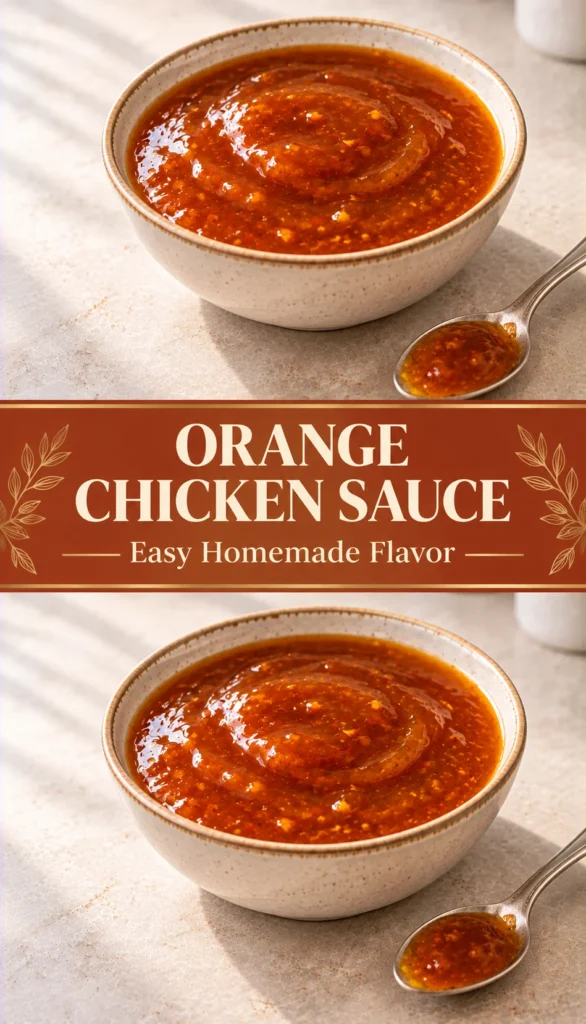
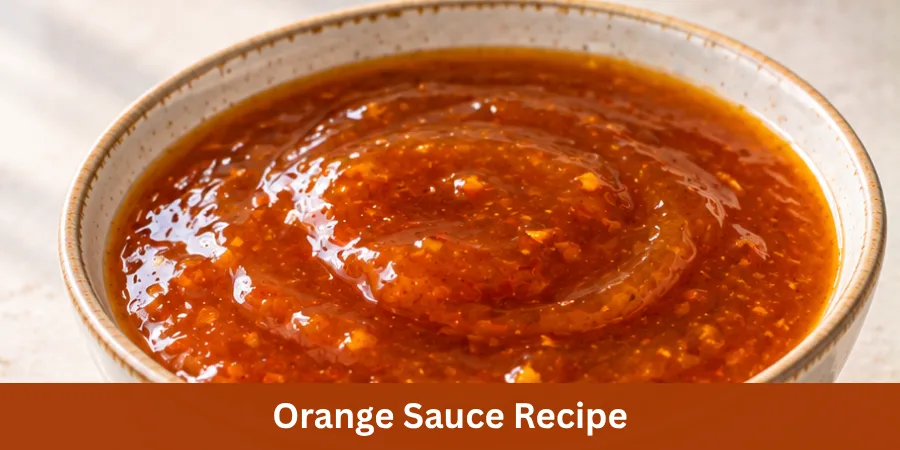
The finished sauce should have a glossy amber-brown color from the soy sauce and brown sugar rather than a bright orange appearance.
If the sauce becomes too thick, stir in 1 tablespoon of water or orange juice until the desired consistency is reached.
Turn off the heat and whisk in the 2 teaspoons (4 grams) of orange zest.
If using toasted sesame oil, add 1 teaspoon at this stage for a subtle nutty finish.
Taste the sauce and adjust if needed.
If the sauce tastes too sweet, add 1 teaspoon rice vinegar. If it tastes too tangy, add 1–2 teaspoons brown sugar.
For a sauce that tastes too salty, add 1–2 tablespoons water or orange juice, warm it for about 30 seconds, and check the thickness again.
Let the sauce cool slightly before serving or storing.
It works especially well with crispy fried chicken, but it can also be tossed with cooked chicken, beef, shrimp, roasted vegetables, or roasted cauliflower.
Transfer leftover sauce into a clean sealable glass container and refrigerate for up to 5 days.
When reheating, warm it gently and adjust the consistency with a small amount of water or orange juice if needed.
Uses of Orange Chicken Sauce
Orange chicken sauce is much more versatile than its name suggests.
The classic use is coating crispy fried chicken, but the sauce also works well with cooked chicken pieces, beef, shrimp, tofu, duck, and roasted vegetables.
For a quick meal, simply toss the cooked ingredients with the sauce until everything is evenly coated.
This sauce makes a great addition to stir-fry meals.
Use it with rice noodles, vegetables, and your choice of protein for a quick weeknight dinner.
It pairs well with vegetables such as broccoli, cauliflower, bell peppers, Brussels sprouts, asparagus, and mushrooms.
For roasted vegetables, start with about ¼ cup sauce per pound of vegetables and adjust according to taste.
Orange chicken sauce can also be used as a dipping sauce.
Serve it with spring rolls, chicken nuggets, or other appetizers when you want a sweet and tangy option.
The bright citrus flavor also allows it to work in less traditional ways.
A small amount can be drizzled over waffles, pancakes, or ice cream for a sweet-savory combination.
For a stir-fry, the sauce can be added near the end after the protein and vegetables are cooked.
This helps the sauce coat the ingredients without overcooking and keeps the texture of the vegetables intact.
Because the sauce is already balanced, it can be adjusted depending on the meal by adding more vegetables, protein, or starch alongside it.
Make Ahead
If you are preparing orange chicken sauce ahead of time, you can make a larger batch and keep it ready for future meals.
Double the recipe when you need more sauce. One batch makes about 1½–1¾ cups, while a double batch makes about 3–3½ cups.
After cooking, allow the sauce to cool completely before storing it. Cooling the sauce before refrigeration helps prevent excess moisture from building up inside the container.
Once cooled, transfer the sauce to a clean airtight glass jar or container.
Refrigerate it within 2 hours of cooking and use it within 5 days for the best quality.
When ready to use, stir the sauce gently and reheat it over low heat.
If the sauce becomes thicker after chilling, add a small amount of water or orange juice until it reaches the desired consistency.
Storage and Freezing
Orange chicken sauce is useful to keep ready for quick meals.
After cooling, store it in a clean airtight glass container in the refrigerator for up to 5 days.
Before serving, stir the sauce well because the ingredients may settle during storage.
Chilled cornstarch-thickened sauces naturally become firmer, so adding a small amount of water or orange juice can help bring back the original texture.
For longer storage, freezing works well.
Place the cooled sauce in a freezer-safe airtight container and leave a small amount of space at the top because liquids expand when frozen.
The sauce can be frozen for up to 3 months.
When ready to use, thaw it overnight in the refrigerator.
Reheat the sauce gently over low to medium-low heat while whisking until smooth.
Cornstarch sauces can sometimes become slightly thin or have a softer texture after freezing and thawing.
If this happens, whisk the sauce well and add 1–2 teaspoons of water or orange juice until the consistency improves.
Expert Tips
Start with fresh oranges for the best flavor.
Freshly squeezed orange juice provides the brightest citrus taste, but bottled orange juice can work if it is not from concentrate and does not contain added sugar.
For a stronger orange flavor, add a small amount of extra fresh orange zest to the finished sauce.
Always grate only the orange-colored outer peel because the white pith underneath can add bitterness.
Cook the garlic and ginger gently over medium-low heat.
They should become fragrant without browning.
Burned garlic can create a bitter flavor that affects the entire sauce.
For a spicy version, start with ¼ teaspoon red pepper flakes and increase gradually until the heat level matches your preference.
Use a medium 1.5–2 quart saucepan for this recipe.
A pan that is too small can make stirring difficult and increase the chance of bubbling over while the sauce simmers.
A larger batch is easy to prepare, and extra sauce can be refrigerated or frozen for future meals.
For serving, sesame seeds and thinly sliced green onion make simple garnishes that add freshness and texture.
They are optional, but they pair well with orange chicken and other dishes using this sauce.
Notes
This orange sauce works well with cooked chicken, beef, shrimp, roasted cauliflower, rice, steamed vegetables, and roasted vegetables.
Use about ¾–1 cup of sauce per pound of raw protein as a starting point, then adjust gradually depending on how much coating you prefer.
Adding the sauce slowly helps prevent overpowering the main ingredients.
For orange chicken, return about 1 pound of cooked chicken to a hot skillet with ¾–1 cup of sauce.
Toss for 1–2 minutes until evenly coated.
If the chicken is breaded or crispy, toss only for about 30–60 seconds and serve immediately so the coating stays crisp.
For a quick stir fry, heat 1 tablespoon oil in a large skillet over medium-high heat.
Add 1 pound of raw protein such as thinly sliced beef, cubed chicken breast, chicken thighs, or peeled and deveined shrimp.
Cook until browned and cooked through, then transfer the protein to a clean plate.
Add another tablespoon of oil, followed by 4–5 cups of raw vegetables.
Good options include broccoli florets, bell peppers, mushrooms, asparagus, snow peas, and diced onion.
Stir-fry until crisp-tender, about 4–5 minutes.
Return the protein to the pan, add ¾–1 cup sauce, and toss for 2–3 minutes until everything is evenly coated.
For the citrus flavor, use finely grated orange zest from the oranges used for fresh juice.
The orange size affects how much juice and zest you get, but the zest provides concentrated aroma while the juice creates the main citrus base.
Add the zest at the end, off the heat, so its fresh aroma remains noticeable.
Keep the garlic cooking temperature at medium-low and continue stirring to prevent burning.
For extra heat, start with ¼ teaspoon red pepper flakes and add more gradually if needed.
For storage, allow the sauce to cool before transferring it to a sealable glass container.
It keeps for up to 5 days in the refrigerator and can be frozen for up to 3 months.
Nutrition Insight
The nutrition details below are for the finished sauce only.
Each serving is approximately one-quarter of the recipe, or 90–105 ml of sauce.
One serving contains:
- 122 kcal
- 26.5 g carbohydrates
- 1.7 g protein
- 1.3 g fat
- 879 mg sodium
- 20.1 g sugar
These values are calculated using the main formula with regular soy sauce.
The sodium level can vary depending on the brand of soy sauce used.
The nutrition information applies only to the sauce and does not include chicken, vegetables, rice, or other foods served with it.
Optional ingredients such as sesame oil, red pepper flakes, and garnishes are not included in the calculation.
Frequently Asked Questions
What To Serve With Chinese Orange Chicken Sauce?
This sauce works with many foods beyond orange chicken.
Steamed rice and rice bowls are natural choices because they absorb the sauce well, while rice noodles provide another option.
It also pairs with roasted broccoli, cauliflower, stir-fried vegetables, tofu, beef and broccoli, orange shrimp, and other quick meals.
You can serve it as a dip with spring rolls or chicken nuggets, or use a small amount over waffles or pancakes for a sweet-savory combination.
Can I Freeze The Sauce?
Yes. Allow the orange sauce to cool completely before transferring it to a freezer-safe airtight container.
Leave a little space at the top and freeze for up to 3 months.
When ready to use, thaw overnight in the refrigerator, then gently reheat over low heat while whisking.
If the texture becomes slightly thin or spongy after thawing, add a small splash of water or orange juice and whisk until smooth.
Can I Make Orange Chicken Sauce with Cornstarch Slurry?
Yes. Cornstarch slurry is the standard method used in this recipe to create the final glossy consistency.
Mix cornstarch with cold water separately before adding it to the sauce.
This helps it dissolve evenly and reduces the chance of lumps.
Arrowroot can be used as an alternative, but cornstarch is the thickener used in the standard formula.
How is Low Carb Orange Sauce Made?
This recipe is not a low-carb orange sauce.
The orange juice and brown sugar contribute carbohydrates, with approximately 26.5 grams of carbohydrates and 20.1 grams of sugar per serving.
Changing the sweetener or thickener would affect how the sauce cooks, and those changes have not been tested in this recipe.
Is Orange Sauce Spicy?
The sauce is not naturally spicy.
Its main flavor profile is sweet, tangy, and savory with a strong citrus character.
For more heat, add red pepper flakes, starting with ¼ teaspoon and adjusting according to taste.
My Sauce Turned A Little Brown. Is That Okay?
Yes. The soy sauce and brown sugar naturally give the sauce a glossy amber-brown color.
It is not expected to look bright orange. If the sauce tastes balanced, the color is normal.
If it tastes bitter, the garlic may have browned too much during cooking.
Why Is Orange Sauce So Good?
The flavor comes from the balance of sweet, sour, and savory ingredients.
Fresh orange juice provides citrus sweetness, vinegar adds brightness, soy sauce adds depth, and orange zest brings a fresh aroma.
This balance makes the sauce versatile enough for proteins, vegetables, and different meal ideas.
Why Didn’t My Sauce Thicken?
The most common reason is that the sauce did not return to a gentle bubble after adding the slurry.
Cornstarch needs gentle bubbling for about 1–2 minutes to fully thicken.
Also make sure the cornstarch was mixed with cold water first and whisked again before adding because the starch settles quickly.
If the sauce is still thin, mix ½ teaspoon cornstarch with 1 teaspoon cold water, add it gradually, and allow the sauce to bubble for about 1 minute.
How Do You Thicken Orange Sauce?
Cornstarch is used to thicken this sauce. Always mix it with cold water first and never add dry cornstarch directly into hot sauce.
Add the slurry slowly while whisking, then allow the sauce to gently bubble for 1–2 minutes.
If the sauce remains thin, use a small rescue slurry with ½ teaspoon cornstarch and 1 teaspoon cold water.
Why Does My Sauce Taste Bitter?
Bitterness usually comes from browned garlic, orange pith, or orange juice that becomes bitter when cooked.
Cook garlic only until fragrant, use only the orange-colored zest, and choose Valencia or juicing oranges when possible.
Bottled not-from-concentrate orange juice without added sugar can also work well.
What If My Sauce Is Too Salty Or Too Sweet?
If the sauce is too salty, add 1–2 tablespoons water or orange juice. If it is too sweet, add 1 teaspoon rice vinegar and taste again.
If it is too tangy, add 1–2 teaspoons brown sugar. Warm the sauce for about 30 seconds after adjustments and check the thickness again.
Pinterest Pins