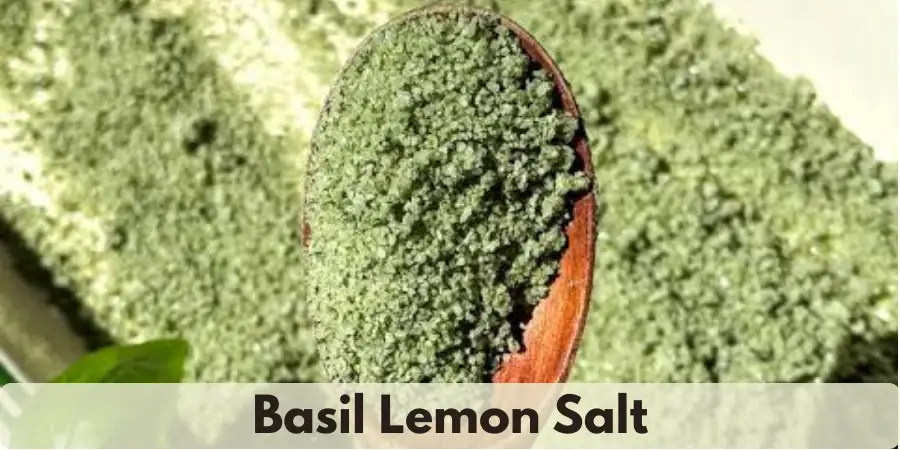
When your garden produces more basil than you can use, making Basil Lemon Herbal Salt is a simple way to preserve its fresh flavor. This homemade seasoning combines fresh basil leaves with coarse kosher salt, while optional lemon zest adds a bright citrus aroma.
I first learned a similar method while working for a caterer during the summer. Like many professional kitchen recipes, it relied more on intuition than exact measurements. Later, I weighed the ingredients to create more consistent results at home.
A food processor quickly turns the basil, salt, and lemon zest into an evenly green mixture. The seasoning is then dried at a low oven temperature, so no food dehydrator is needed.
Once completely dry, this homemade basil salt adds fresh, herbaceous flavor to pasta, tomatoes, salads, seafood, grilled vegetables, and many other dishes. Use it during cooking or sprinkle a small amount over food as a fragrant finishing salt.
Basil Lemon Herbal Salt — The Short Answer
Why You’ll Love This Recipe
This homemade herbal salt is an easy way to preserve extra fresh basil while creating a versatile seasoning for everyday meals.
- Simple ingredients: Fresh basil and coarse kosher salt create the base, while lemon zest adds optional citrus flavor.
- No dehydrator required: The basil salt dries at a low temperature in a regular oven.
- Quick preparation: A food processor blends the ingredients evenly in less than a minute.
- Fresh herbal flavor: Basil adds a fragrant, herbaceous taste without overpowering other ingredients.
- Bright citrus aroma: Lemon zest adds freshness and light citrus flavor without adding extra liquid.
- Versatile seasoning: Use it with pasta, tomatoes, salads, vegetables, seafood, steak, popcorn, and grilled dishes.
- Useful finishing salt: A small pinch adds the most noticeable basil aroma when sprinkled over food near the end of cooking or just before serving.
- Easy to customize: Use the same basic method to create rosemary, thyme, tarragon, citrus, or chili-lime variations.
Ingredients Needed
You only need two main ingredients for this homemade basil salt. Lemon zest is optional but adds a fresh citrus flavor.
- 2 packed cups fresh basil leaves
- 1 cup coarse kosher salt
- 1 tablespoon finely grated lemon zest, from approximately 1 medium lemon, optional
Ingredient Notes and Substitutions
Fresh Basil
Choose fresh, fragrant basil with bright green, tender leaves. Avoid wilted, bruised, yellow, or damaged leaves because they may affect the color and fresh herbal flavor.
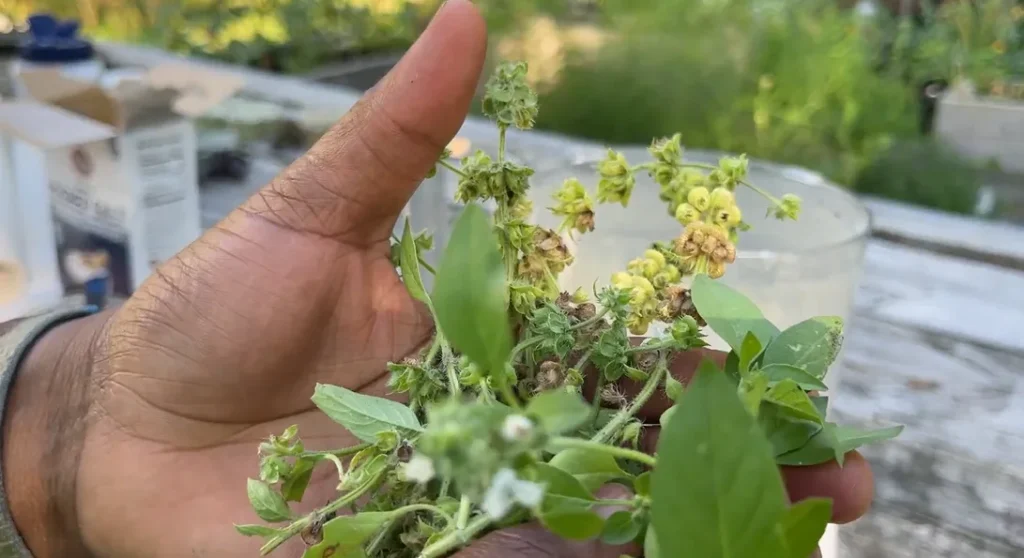
Remove the thick stems before measuring. Small, tender stems are fine, but large stems may create a fibrous texture.
Pack the basil lightly into the measuring cup without crushing it. Roughly tear very large leaves so they process more evenly.
Fresh basil works best for this recipe. Do not replace it with the same amount of dried basil because dried herbs have a more concentrated flavor and contain much less moisture.
Coarse Kosher Salt
Coarse kosher salt creates a light, granular texture and blends evenly with the fresh basil.
Coarse sea salt can also be used, although the final texture may vary depending on the size of the crystals.
Avoid replacing coarse kosher salt with an equal volume of fine table salt. Fine salt packs more tightly into a measuring cup and may make the finished seasoning taste much saltier.
Because salt brands can have different crystal sizes and weights, weighing the salt provides the most consistent result when repeating the recipe.
Lemon Zest
Lemon zest is optional, but it adds a fresh citrus aroma and light brightness that complements the herbaceous basil flavor.
Use approximately 1 tablespoon of finely grated zest from one medium lemon.
Grate only the thin yellow outer peel and avoid the bitter white pith underneath.
Wash and dry the lemon thoroughly before zesting. A clean, unwaxed lemon is preferred when the peel will be used.
The zest adds citrus flavor without adding extra liquid, making it more suitable than lemon juice for this dried seasoning.
Equipment Needed
- Food processor
- Measuring cups and spoons
- Salad spinner, optional
- Clean kitchen towels
- Fine grater or microplane
- Large baking sheet
- Parchment paper
- Silicone spatula
- Clean glass jar with an airtight lid
A food processor provides better control over the texture and helps distribute the basil evenly throughout the salt.
Use a large baking sheet so the moist basil mixture can be spread into a thin, even layer. A thinner layer dries more evenly and reduces the chance of damp areas remaining in the finished seasoning.
How to Make Basil Lemon Herbal Salt
Step 1: Prepare the Basil
Remove the basil leaves from the thick stems. Rinse them gently, then dry them thoroughly with a salad spinner and clean kitchen towels.
Make sure no visible water remains because excess moisture can increase the drying time and affect storage.
Measure 2 packed cups of fresh basil leaves. If using lemon zest, wash and dry the lemon, then finely grate only the yellow outer peel. Avoid the bitter white pith.
Step 2: Process the Ingredients
Add the fresh basil and 1 cup coarse kosher salt to a food processor.
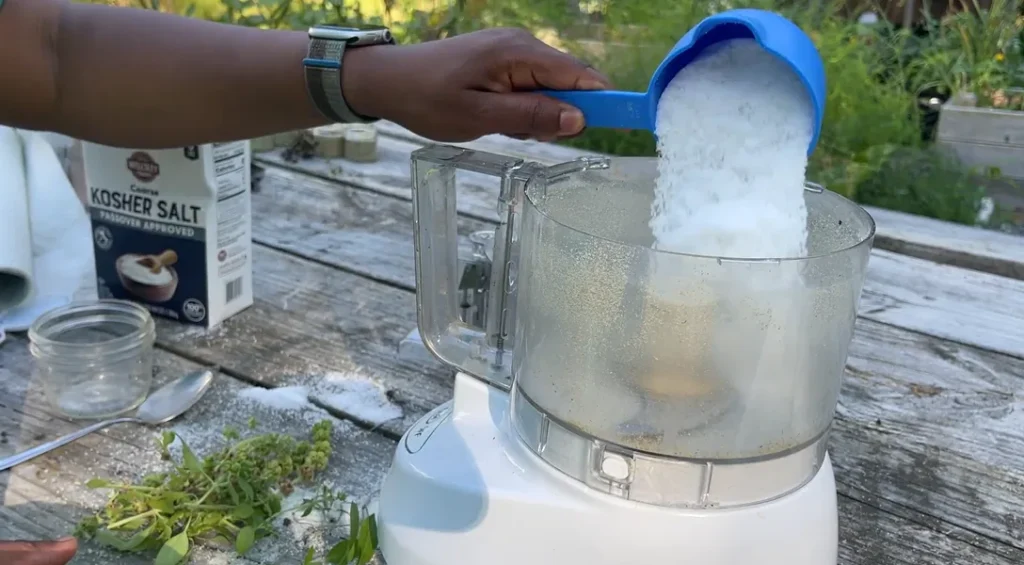
Add 1 tablespoon finely grated lemon zest if using.
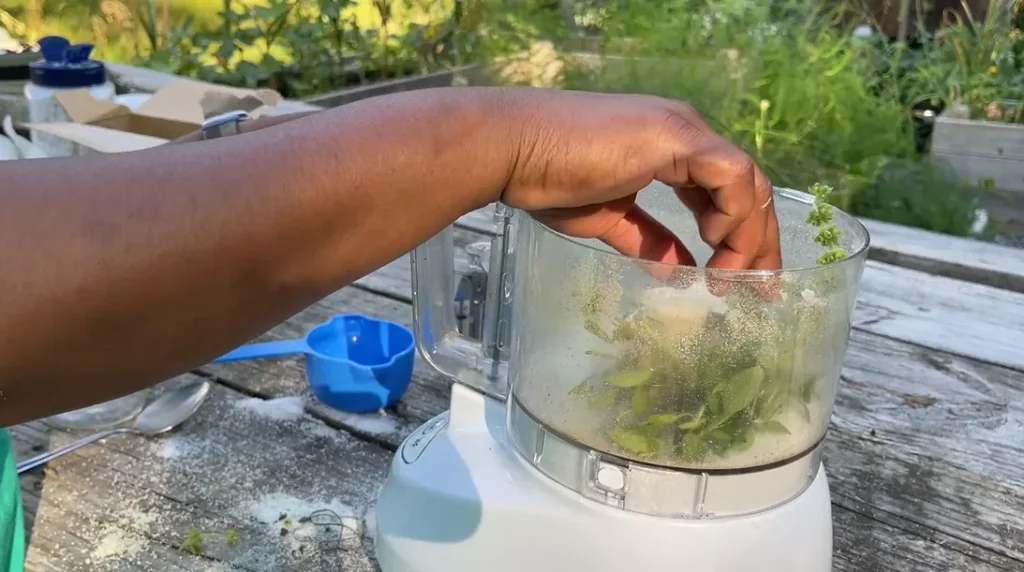
Pulse 8–10 times, then scrape down the sides of the bowl. Process for another 10–20 seconds until the basil is evenly distributed throughout the salt.
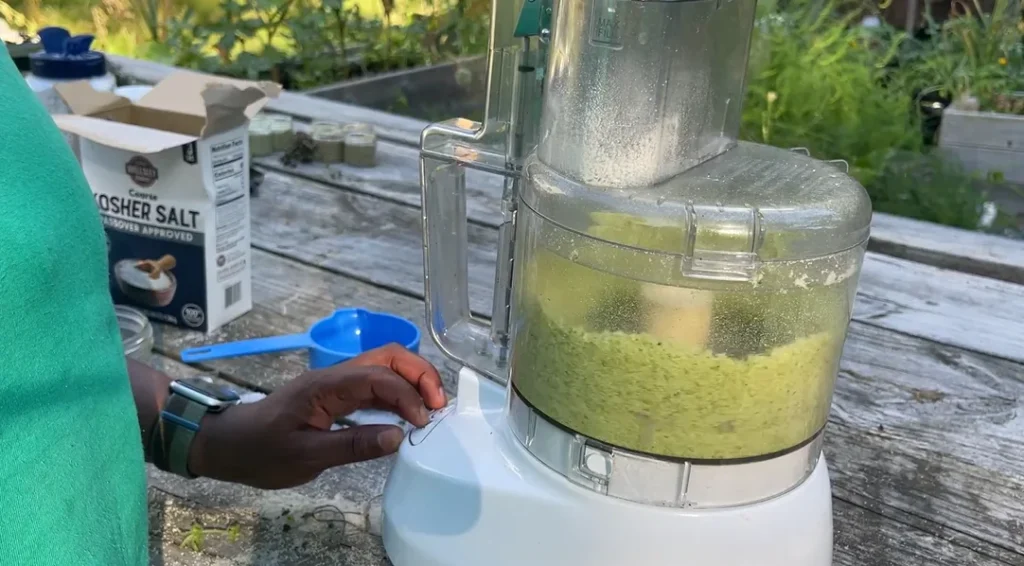
The mixture should be green and slightly moist, with a texture similar to damp sand. Avoid continuous processing because the mixture may become a wet paste.
Step 3: Spread the Mixture
Preheat the oven to 220°F (105°C).
Line a large baking sheet with parchment paper. Spread the basil salt into an even layer approximately ⅛–¼ inch thick.
Break up any large, wet clumps so the mixture dries evenly.
Step 4: Dry the Basil Salt
Place the baking sheet on the center oven rack and dry for 15 minutes.
Remove the baking sheet and gently stir the mixture to redistribute any moist areas. Return it to the oven for another 10–15 minutes.
The total drying time is usually 25–30 minutes, but it may vary depending on the moisture in the basil and the performance of your oven.
The seasoning is ready when it feels completely dry, crumbly, and slightly brittle, with no soft, sticky, or damp areas.
If needed, continue drying in 5-minute intervals. Avoid increasing the oven temperature because high heat may brown the basil and weaken its fresh flavor.
Step 5: Cool and Store
Allow the dried basil salt to cool completely to room temperature.
Return it to a clean, dry food processor and pulse 5–8 times to break up any clumps.
Keep the texture slightly coarse for a finishing salt, or pulse a few more times for a finer all-purpose seasoning.
Transfer the seasoning to a clean, completely dry glass jar and seal it with an airtight lid.
Expert Tips
- Dry the washed basil thoroughly before processing to reduce excess moisture and drying time.
- Spread the mixture in a thin, even layer so no damp areas remain.
- Use the texture rather than the exact baking time to judge doneness. The salt should be completely dry and crumbly before storage.
- Stir halfway through drying to expose moist areas and break up clumps.
- Let the seasoning cool completely before sealing the jar because trapped warmth may create condensation.
How to Use Basil Lemon Herbal Salt
Use this herbal salt during cooking or sprinkle it over food just before serving for a fresh basil aroma.
It pairs well with pasta, tomatoes, caprese salad, avocado toast, grilled corn, roasted vegetables, seafood, steak, watermelon, salads, eggs, and popcorn.
Start with a small pinch and taste before adding more because this is a concentrated salt-based seasoning.
Flavor Variations
- Rosemary salt: Replace the basil with fresh rosemary for a stronger, earthy flavor.
- Thyme or tarragon salt: Use fresh thyme or tarragon for a fragrant herbal variation.
- Citrus herb salt: Replace the lemon zest with orange or lime zest.
- Chili-lime salt: Add lime zest and a small amount of dried chili flakes for mild heat.
Different herbs contain different amounts of moisture, so adjust the drying time as needed. Always make sure the seasoning is completely dry before cooling and storing.
Storage
Store Basil Lemon Herbal Salt in a clean, airtight container in a cool, dark, and dry place. Keep the jar away from direct sunlight, heat, steam, and moisture to preserve its color, texture, and fresh basil aroma.
Always use a clean, dry spoon when removing the seasoning. Moisture can cause clumping and may affect its storage quality.
For the best color and flavor, use the herbal salt within 3 months. If it was dried completely and stored properly, it may remain usable for up to 6 months, although the basil color and aroma may gradually fade.
Discard the seasoning if you notice visible moisture, mold, an unusual smell, or other signs of spoilage.
Nutrition Insight
Basil Lemon Herbal Salt adds concentrated basil and citrus flavor, so a small amount is usually enough.
Because this is mainly a salt-based seasoning, use it in moderation and adjust the amount according to your taste and dietary needs.
Nutrition values may vary depending on the salt brand, crystal size, lemon zest, and serving size. Treat automatically calculated nutrition information as an estimate.
Frequently Asked Questions
Which Salt Works Best for Basil Lemon Herbal Salt?
Coarse kosher salt works best because its larger crystals blend evenly with the fresh basil and create a light, slightly coarse texture.
Coarse sea salt can also be used. Avoid replacing kosher salt with the same volume of fine table salt because fine crystals pack more tightly and may make the seasoning taste much saltier.
Can You Use Dried Basil Instead of Fresh Basil?
Fresh basil is recommended because it provides the vibrant color and fresh, herbaceous flavor intended for this recipe.
Do not replace fresh basil with the same amount of dried basil. Dried herbs are more concentrated and contain much less moisture, so they require a different ratio.
Can You Use a Blender Instead of a Food Processor?
A food processor is preferred because it provides better control over the texture and distributes the basil evenly throughout the salt.
A high-speed blender may work, but process in short pulses and scrape down the sides as needed. Avoid over blending because the mixture may become too fine or turn into a wet paste.
How Do You Know When Basil Salt Is Completely Dry?
The seasoning should feel dry, crumbly, and slightly brittle, with no soft, sticky, or damp areas.
If moisture remains, return the baking sheet to the oven and continue drying in 5-minute intervals. Allow the salt to cool completely before transferring it to an airtight jar.
How Long Does Homemade Basil Salt Last?
For the best green color and fresh basil aroma, use homemade basil salt within 3 months.
When completely dried and stored in an airtight container away from heat, light, and moisture, it may remain usable for up to 6 months, although its color and flavor may gradually become less vibrant.
Final Thoughts
This Basil Lemon Herbal Salt is a simple way to preserve extra fresh basil and turn it into a versatile homemade seasoning. Coarse kosher salt creates a light, granular texture, while optional lemon zest adds a fresh citrus aroma without adding extra liquid.
For the best results, dry the basil thoroughly before processing, spread the mixture in a thin layer, and keep it in the oven until no damp areas remain. Allow the seasoning to cool completely before sealing it in a clean, dry jar.
Use a small pinch to add fresh herbal flavor to pasta, tomatoes, salads, seafood, grilled vegetables, steak, eggs, popcorn, and other everyday dishes.



Can I use an air fryer for this?
yes