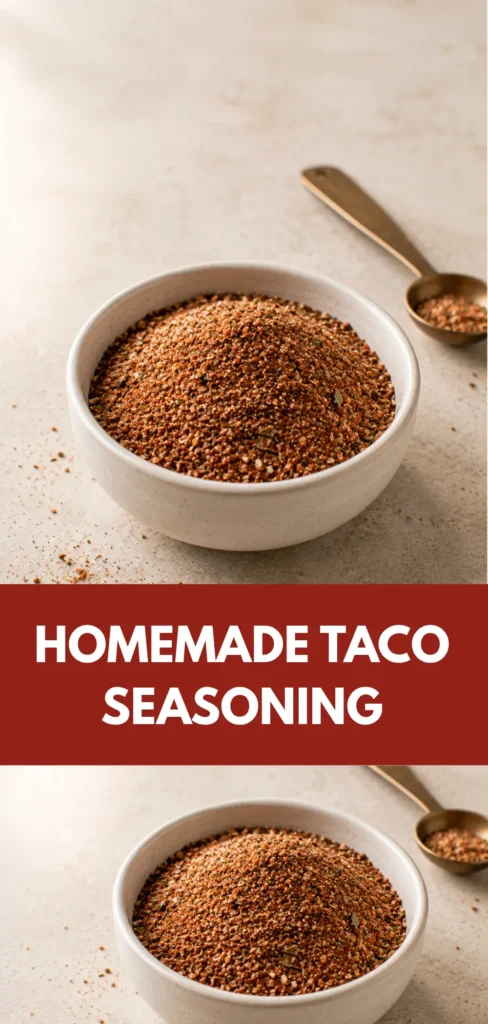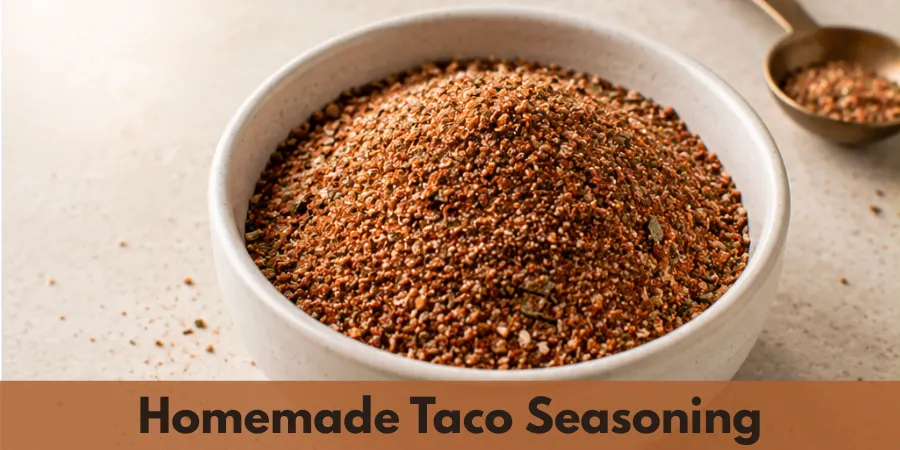
If you enjoy Mexican recipes, homemade taco seasoning is a quick and easy way to add bold flavor without depending on store-bought blends. I’ve found that making your own allows you to adjust the spices for mild or spicy dishes while creating the right balance of flavor and heat for your recipes.
Homemade taco seasoning also gives you more control over the ingredients used in your food. Instead of choosing prepackaged seasoning mixes, you can control the salt, spice level, and overall flavor while using the spices you already have available in your pantry. It can also help save money over time compared with buying individual seasoning packets.
Homemade Taco Seasoning-The Short Answer
For Taco Tuesday or everyday dishes, this homemade blend makes it simple to add classic taco seasoning flavor with very little effort. Homemade taco seasoning gives you the flexibility to adjust the seasoning according to your preference, whether you want a mild blend for family meals or a spicier version for dishes with more heat.
Once prepared, keep the BEST homemade blend in an airtight container, and it will be ready whenever you want to season tacos, soups, casseroles, and other favorite recipes.
What Makes Taco Seasoning Different?
When I make homemade taco seasoning, I prefer a balanced savory spice blend made from simple pantry ingredients. This spice blend creates a combination of warm flavor, spicy notes, and smoky depth that works well in tacos, soups, casseroles, and other dishes.
A good taco seasoning should enhance the food rather than overpower it. I like keeping the seasoning warm, spicy, and smoky while maintaining balance between the individual spices. Making it homemade and from scratch is useful because you can adjust the blend depending on the recipe and the ingredients you have available.
Store-bought options offer convenience, but store-bought packets and seasoning mixes provide less control over the final blend. I prefer checking labels and understanding the ingredients included in packaged options before choosing them.
Instead of going to the store to buy another packet, I use this simple recipe at home to create my own blend. Making your own mix is worth it because you control each ingredient, the brand choices, the price, and the final flavor rather than relying only on packaged shortcuts.
Why Homemade Taco Seasoning Is Better
Making your own DIY taco seasoning gives you more control than using a store-bought taco seasoning packet. You can choose your own ingredients, adjust ingredient amounts, and control the sodium level according to your preferences and cooking needs.
It can also be cheaper in the long run, especially when you already have basic spices on your spice rack. I like using a spice grinder for whole cumin seeds or dried peppers when I want a fresher and more aromatic blend.
Fresh grinding is completely optional, but it can add extra flavor and allows you to create a signature seasoning blend. You can adjust the final result from mild to spicy depending on your taste and the type of dishes you are preparing.
Another advantage is knowing exactly what goes into your spice blend. You can increase chili powder for extra heat, keep the mixture mild, or adjust individual spices without relying on unnecessary preservatives, fillers, added sugar, or additives.
Choosing high-quality spices also gives you better control over the final flavor and overall quality of the seasoning. Once mixed, store the seasoning in an airtight jar in a cool, dry, dark place.
When made with fresh spices and stored properly, the best flavor generally lasts about:
- 3–6 months
How Much Homemade Taco Seasoning Equals One Packet?
For most recipes, 3 tablespoons of homemade taco seasoning is typically the same amount as 1 packet of store-bought seasoning.
I use 3 tablespoons when replacing a packet because commercial taco seasoning brands can vary in their packet sizes, spice levels, salt content, and ingredient ratios. This homemade blend works as an easy substitute while giving you more control over the final flavor.
If a recipe calls for one packet, this DIY taco seasoning provides the familiar taco seasoning taste while allowing you to adjust the seasoning according to your preference. You can increase the heat, reduce the salt, or slightly change the spice balance depending on the dish you are preparing.
Ingredients Needed
A good homemade taco seasoning starts with a simple blend of spices that creates a balanced Mexican-inspired flavor. Each ingredient has a specific purpose, helping build the warm, savory, smoky, and slightly spicy profile that makes taco seasoning useful for tacos, soups, casseroles, and other dishes.
For one batch, use:
- 4 tablespoons chili powder
- 2 tablespoons ground cumin
- 1 tablespoon paprika
- 1½ teaspoons fine salt
- 1 teaspoon black pepper
- 1 teaspoon garlic powder
- 1 teaspoon onion powder
- 1 teaspoon dried oregano
For extra heat, add:
- ½ teaspoon crushed red pepper flakes
Chili Powder
Chili powder creates the main foundation of this seasoning blend and provides the primary chili flavor.
You can use store-bought chili powder for convenience or create your own chili mixture by grinding dried peppers when you want more control over the flavor, heat level, and overall character of the blend.
Depending on the brand, chili powder may contain different combinations of dried chiles such as ancho, pasilla, or cayenne. Checking the ingredient label helps you choose a chili powder that matches whether you prefer a milder seasoning or a spicier version.
Ground Cumin
Ground cumin is an essential ingredient because it provides an earthy, warm, and slightly nutty flavor.
It gives taco seasoning its recognizable depth and adds the savory quality that works especially well with meat, beans, vegetables, soups, and other Mexican-inspired dishes.
Paprika
Paprika adds color and a subtle sweetness to the seasoning blend.
If you prefer a deeper smoky flavor, smoked paprika can be used instead. It creates a richer smoky note while keeping the overall balance of the seasoning intact.
Garlic Powder and Onion Powder
Garlic powder and onion powder build the savory foundation of the taco seasoning.
Together, they create the familiar garlic and onion flavor that helps connect the individual spices and makes the blend taste more complete.
Dried Oregano
Dried oregano adds a slightly bitter and herbal note that balances the stronger spices.
Mexican oregano can be used when available because it provides a brighter flavor that pairs especially well with Mexican-style dishes and spice blends.
Salt, Black Pepper, and Heat Adjustments
Fine sea salt, kosher salt, and freshly cracked black pepper can all be used according to your taste and preference.
The amount of heat can also be adjusted depending on how spicy you want the final blend to be. For extra heat, add:
- ½ teaspoon crushed red pepper flakes
A pinch of cayenne or chipotle powder can also be added when you want a hotter, smokier, or more Mexican-style flavor profile.
Optional Cornstarch
Cornstarch is an optional ingredient and is not a required part of the dry spice blend.
When taco seasoning is cooked with liquid, cornstarch can act as a thickening agent and help create a thicker sauce that coats ground meat more evenly.
For everyday cooking, I prefer leaving it out unless a thicker taco filling is desired. The seasoning blend can still be adjusted to taste without changing the core balance of the spices.
Simple Step-by-Step Instructions
Making Homemade Taco Seasoning is a simple process because it only requires combining the spices together until they are evenly distributed. The main goal is to create a consistent blend where every spoonful contains the right balance of chili powder, cumin, herbs, salt, and other seasonings.
Before mixing, gather all of the ingredients and measure each spice carefully. Preparing everything first helps maintain the intended balance of flavors and makes the process quick and organized.
Combine the Spices
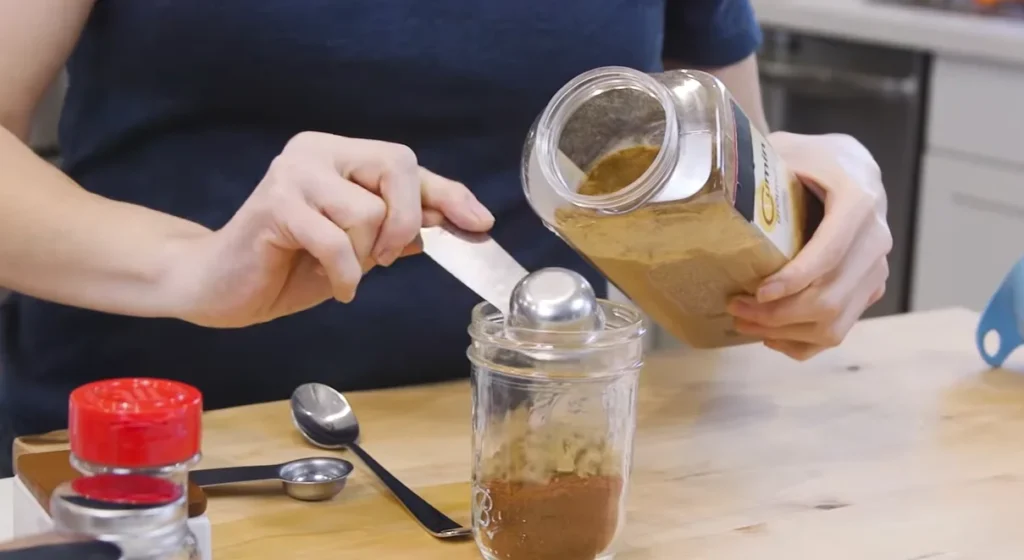
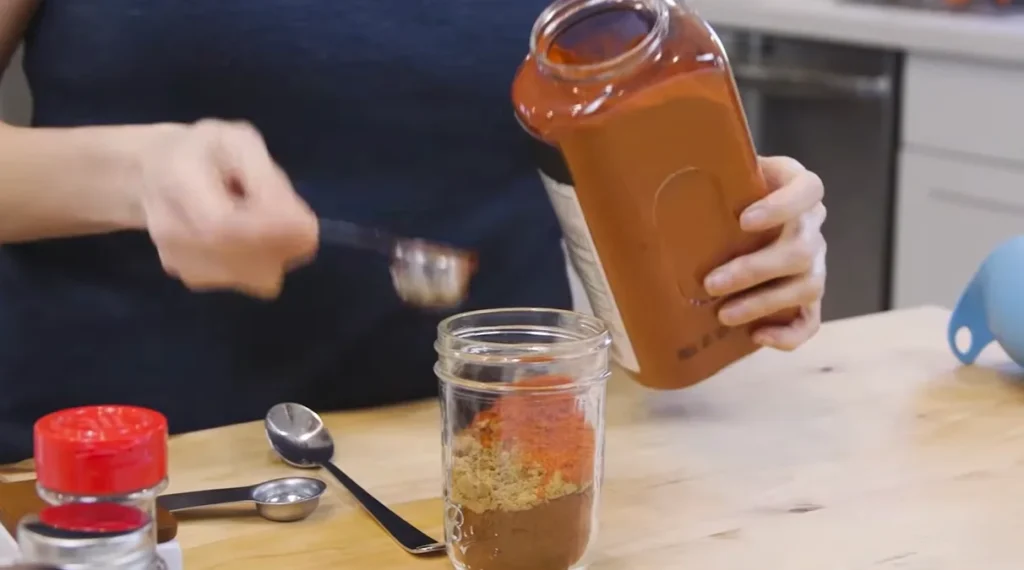
Add the following ingredients to a small bowl:
- Chili powder
- Ground cumin
- Salt
- Black pepper
- Paprika
- Garlic powder
- Onion powder
- Crushed red pepper flakes, if using
- Dried oregano
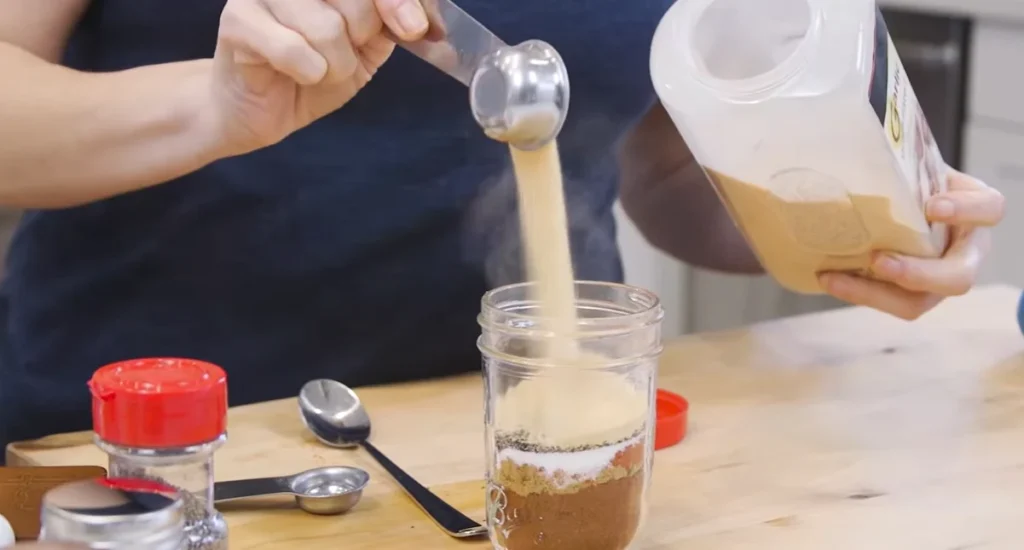
Stir or whisk everything together until the spices are evenly combined.
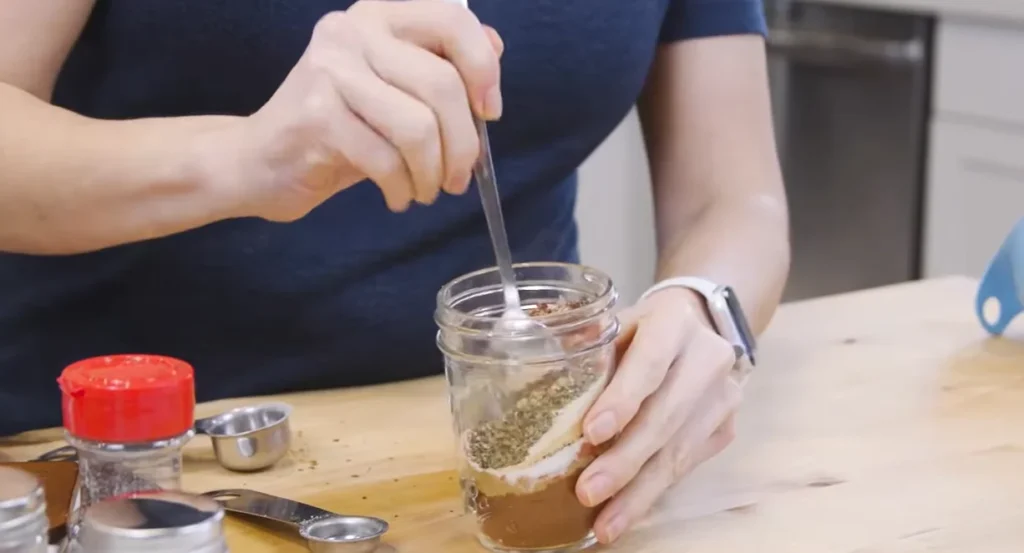
I find that using a bowl with enough room to move the spices around makes this step easier. It also helps prevent any seasoning from being left unmixed at the bottom of the bowl, which can affect the balance of flavor in each use.
A thorough mix ensures that the seasoning has an even distribution of savory spices, warmth, color, and heat throughout the entire batch.
Transfer and Store the Seasoning
Once the seasoning blend is fully combined, transfer it to:
- An airtight container
- Spice jar
Keep the container sealed and store the blend in a cool, dark place to help preserve its flavor and aroma.
Proper storage protects the spices from moisture, heat, and light, which can gradually reduce their freshness and intensity.
When made with fresh spices and stored correctly, the seasoning has its best flavor for approximately:
- 3–6 months
Shelf Life and Storage
Homemade taco seasoning keeps its best quality when it is stored properly from the beginning.
For longer storage, transfer the blend to an airtight container with a tight-fitting lid, such as a jar or small spice container. A secure container helps protect the seasoning from moisture and keeps the individual spices fresh.
Keep it in a:
- Cool
- Dry
- Dark place
such as a pantry, and avoid storing it near heat sources, direct light, or areas with excess moisture.
This simple storage method works especially well when making a larger batch for regular use because it helps preserve the aroma, flavor, and freshness of the spices over time.
For the best flavor, aim to use the seasoning within:
- 3–6 months
especially when it is made with fresh spices.
The blend may remain usable beyond this period, but the aroma and flavor will gradually become weaker as the spices age. In my experience, checking the smell before use is a simple way to judge the quality of the seasoning.
As long as the blend has been kept dry, tightly sealed, and still has a pleasant aroma, it can continue to be useful even after the peak flavor window.
Notes
For ground meat, use:
- 2 tablespoons of homemade taco seasoning per pound
as a practical starting point for tacos.
Unlike commercial or packaged seasoning blends, homemade taco seasoning allows you to control each ingredient and adjust the final flavor according to your preference.
Some packaged mixes contain a thickening agent that helps create a thicker cooking sauce around the meat. If you prefer a similar texture, cornstarch can be added as an optional ingredient.
When included, cornstarch supports the sauce texture without changing the core seasoning blend or the balance of the spices.
Nutrition Insight
The nutrition information for homemade taco seasoning is an estimate and can vary depending on the exact ingredients, spice brands, and measurements used in the final blend.
For a serving size of:
- 1 teaspoon
homemade taco seasoning provides approximately:
- 6–7 kcal
- 1 g carbohydrates
- 0.2 g protein
- 0.3 g fat
It also contains approximately:
- 0.3–0.4 g fiber
- 0.1 g sugar
- 130–140 mg sodium
If optional cornstarch is included, a:
- 1 teaspoon
serving provides approximately:
- 6–7 kcal
- 1 g carbohydrates
- 0.2 g protein
- 0.3 g fat
- 0.3–0.4 g fiber
- 130–140 mg sodium
These values are approximate and may change depending on the brands and exact ingredients used. Different chili powders, salts, and spice blends can affect the final nutrition profile, especially the sodium content.