Nacho cheese sauce is one of those foods that feels especially satisfying with tortilla chips. I used to reach for the familiar orange sauce from a jar, but the long ingredient lists and heavily processed style made me prefer making a homemade version.
Creating this sauce from scratch with simple ingredients gives you a delicious cheesy flavor while allowing more control over what goes into the recipe.
Nacho Cheese Sauce Recipe-The Short Answer
What I enjoy most about this homemade nacho cheese sauce is how versatile it is when a craving hits. It works well for game day, parties, movie nights, or casual gatherings, whether you serve it as a dip or use it with other savory snacks.
The finished sauce is smooth, creamy, cheesy, and rich, with a little heat and a flavor similar to the sauce often served at stadiums and ballparks. That classic nacho experience of enjoying a warm cheese sauce over tortilla chips is part of what makes it so appealing.
This homemade version brings that same fun, saucy experience to the table while giving you different ways to serve it. It is a simple way to enjoy nacho cheese with a homemade touch.
What Is Nacho Cheese Sauce?
Nacho cheese sauce is a stabilized cheese emulsion with a thinner and more consistent texture than regular melted cheese. It is designed to stay smooth when warm, making it suitable for dipping and pouring.
Commercial versions may use emulsifying salts to maintain stability, while a homemade version uses a properly prepared roux and controlled heat to create a creamy sauce that stays smooth without separating.
Why You’ll Love Nacho Cheese Sauce
I always find nacho cheese sauce useful when I want to make simple foods feel more special. The cheese melts into a smooth, creamy sauce that works well as a condiment for tortilla chips, fries, vegetables, and other favorite snacks.
The roux and whole milk create a smooth, pourable base, while the cheese provides the main flavor and creamy body. I especially like making it at home because the texture is easy to control while the sauce is still warm.
Optional additions like minced jalapeños, cilantro, and scallions can add extra Tex-Mex character without changing the main cheese base. These additions give the sauce more flavor while keeping the creamy, cheesy texture that makes it enjoyable.
Ingredients Needed
- 2 tablespoons unsalted butter
- 2 tablespoons all-purpose flour
- 1¼ cups (300 ml) whole milk
- 2 cups freshly grated medium cheddar cheese
- 1 teaspoon chili powder
- ½ teaspoon ground cumin
- ½ teaspoon fine salt
- ⅛ teaspoon cayenne pepper (optional)
Ingredients Notes
The base of this nacho cheese sauce starts with butter, flour, and whole milk. Butter and flour combine to create a roux, which thickens the milk and creates a smooth foundation for the cheese. I prefer unsalted butter because it gives better control over the final salt level.
Whole milk adds richness and helps create the creamy, pourable texture needed for dipping. Use 1¼ cups (300 ml) of whole milk so the base stays thick enough to carry the cheese while still pouring easily.
Medium cheddar cheese provides the main cheesy flavor and helps create the smooth body of the sauce. Use 2 cups of freshly grated cheddar cheese for the main formula. Grating the cheese yourself is helpful because pre-shredded cheese can contain additives that affect how it melts.
Freshly grated cheese generally melts more evenly and helps reduce the chance of a gritty texture. Other cheeses can be used for variations. Monterey Jack, Colby, or American cheese can change the flavor and melting profile depending on the texture and taste you want. However, the main recipe uses medium cheddar as the primary cheese choice.
The seasoning blend keeps the flavor simple while adding warmth and depth. Use 1 teaspoon chili powder, ½ teaspoon ground cumin, and ½ teaspoon fine salt. This combination creates an earthy, smoky, mildly spicy flavor without covering the cheese taste.
For extra heat, add ⅛ teaspoon cayenne pepper. Cayenne can be adjusted gradually depending on your preferred spice level. Adding heat in small amounts helps keep the cheese flavor as the main focus of the sauce.
For the smoothest result, grate the cheese before starting and let it sit at room temperature for about 10–15 minutes. Add the cheese in small portions after the sauce base has thickened, whisking after each addition.
Optional additions like minced jalapeños, scallions, cilantro, or pickled jalapeños can be used for variations, but they do not change the main formula.
How To Cook Nacho Cheese Sauce
Build the Sauce Base
To make nacho cheese sauce from scratch, start with a small pot or saucepan over medium heat. Melt the butter, then add the flour and whisk for about 60–90 seconds to create a roux.
Continue whisking until the mixture is smooth and lightly bubbling. The roux should cook through while staying light in color because it creates the thickening base for the sauce.
Slowly add the milk while continuing to whisk. Adding the milk gradually helps the flour blend evenly and prevents lumps from forming.
Stir in the chili powder, cumin, salt, and cayenne pepper if using, mixing until the seasoning is evenly distributed. Let the mixture simmer gently for about 1–2 minutes, whisking, until it becomes slightly thickened and coats the back of a spoon.
The sauce base should remain fluid and smooth rather than becoming too thick before the cheese is added.
Add the Cheese
Once the sauce base has thickened, reduce the heat to low and turn off the heat briefly before adding the shredded cheddar cheese.
Add the cheese in small batches, one handful at a time, whisking after each addition until it melts completely. This gradual method helps the cheese incorporate smoothly and keeps the sauce creamy instead of becoming grainy.
Adjust the Final Texture
If the nacho cheese sauce becomes too thick, add more milk a little at a time. Whisk after each addition until the desired pourable consistency returns.
Small adjustments give better control than adding a large amount of milk at once. I find that making these texture adjustments while the sauce is still warm gives the smoothest result.
Taste the sauce and adjust the salt or cayenne pepper if needed. Serve the homemade nacho cheese sauce while warm for the best creamy texture.
Variations To Try
A basic nacho cheese recipe is easy to customize because the seasonings and toppings can be adjusted based on your preference. For a spicy version, increase the heat with cayenne pepper, hot sauce, or diced jalapeños. You can also change the seasoning profile by using different blends.
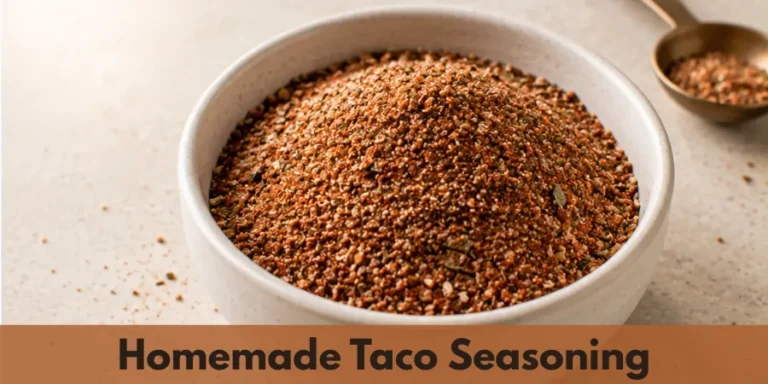
A chili powder seasoning blend, taco seasoning, or homemade fajita seasoning can add a different flavor while keeping the same cheese base. If using a seasoning blend, start with a small amount, such as 2 teaspoons, then adjust as needed.
Other seasonings can also change the flavor of the sauce. Garlic powder, onion powder, ground coriander, paprika, and cumin can add more depth without changing the main recipe structure. These additions allow you to experiment with the flavor while keeping the creamy cheese foundation.
The finished sauce can also be customized with toppings and mix-ins. Diced fresh tomatoes, jalapeños, green onions, pico de gallo, and bacon bits add different textures and flavors. Salsa can provide a fresh flavor and chunky texture, while diced tomatoes and green chiles can create a style similar to Rotel dip.
For a heartier option, serve the cheese sauce with shredded rotisserie chicken, cooked crumbled ground beef, turkey, or chorizo sausage. For a meatless option, drained and rinsed black beans work well. These additions are serving variations rather than changes to the main cheese sauce formula.
The base can also be adjusted for different styles. Cornstarch can be used instead of a butter and flour roux when making a gluten-free version.
For Spicy Nacho Cheese, add jalapeño, cayenne, or hot sauce. For White Nacho Cheese, replace cheddar with white cheddar or Monterey Jack. A Beer Cheese Version can replace part of the milk with light beer, while a Tex-Mex style can use cumin and chili powder for a deeper flavor.
Texture is just as important as flavor when making these variations. A grainy sauce can develop from high heat, cooking too long, or overheating the cheese. To fix a grainy nacho cheese sauce, remove it from the heat, add warm milk, and continue whisking until smoother.
If the sauce separates from overcooking or overheating, add a splash of warm milk and whisk well. An immersion blender can help bring the sauce back together if needed.
If the sauce is too thick because the roux was too firm or too much cheese was added, loosen it gradually with warm milk. If it is too thin because of excess liquid, simmer gently and add extra cheese if needed.
If the flavor seems bland, check the seasoning before making changes. Add salt gradually, then adjust with chili powder or cumin in small amounts. Mix well and taste before adding more seasoning.
Expert Tips
For a delicious nacho cheese sauce with a smooth consistency, start with freshly grated cheese. I prefer grating my own cheese because pre-shredded cheese can contain additives that prevent clumping but may affect how smoothly it melts. These additives can sometimes contribute to a gritty texture.
Medium cheddar is a good choice because it melts smoothly while providing a strong cheesy flavor. Aged cheddar or old cheddar can become grainy when cooked into a sauce.
Keep the heat gentle and turn off the heat before adding cheese to reduce the chance of a gritty, grainy, or split texture. Add the cheese gradually and whisk between each addition so the sauce stays smooth.
If the cheese needs more help melting, return the pan to low heat briefly and continue whisking. Avoid high heat because it can cause the cheese proteins to separate and make the sauce unstable.
If using acidic ingredients such as jalapeño brine, add only small amounts. Too much acidity can affect the stability of the cheese sauce.
Serve warm rather than boiling because overheating can break the emulsion and change the texture. A whisk works better than a spoon during the cheese incorporation stage because steady whisking helps keep the sauce evenly combined. These small techniques help maintain a smooth and creamy homemade nacho cheese sauce.
How to Store and Reheat Nacho Cheese Sauce
Nacho cheese sauce is easy to prepare ahead and stores well when kept properly. Transfer any leftover sauce to an airtight container and refrigerate it for up to 4 days. The sauce will thicken as it cools, but this is normal and it will loosen again when reheated.
For the smoothest result, reheat the sauce gently instead of using high heat. In the microwave, use a heatproof container and warm it in short intervals, stirring between each round. Avoid heating continuously on high because too much heat can affect the texture.
On the stovetop, warm the sauce in a saucepan over low heat while stirring constantly. If it becomes too thick, add extra milk one tablespoon at a time and whisk until the desired consistency returns. Adding milk gradually helps restore the smooth texture without overheating the cheese.
I do not recommend freezing nacho cheese sauce because freezing can cause the texture to separate. Once reheated, serve it while warm for the best creamy and pourable consistency.
Easy Ways to Use It
When using nacho cheese sauce, I usually start with tortilla chips because they make an easy dipping snack. This versatile sauce also works well as a dip for vegetables, soft pretzels, and fries.
For a different cheesy option, drizzle it over cooked broccoli, pasta, baked potatoes, chicken, chili, burgers, or omelets. It is also a natural fit for Tex-Mex dishes such as nachos, quesadillas, tacos, burritos, and enchiladas.
You can use it as a dipping sauce or as a topping whenever a creamy cheese addition fits the dish. The easiest approach is to pair it with foods you already enjoy. Serve it with fried chicken, add it to fries, or use it with nuggets. Nacho cheese dip works well with foods that benefit from a creamy, cheesy addition while keeping its smooth texture.
How Do You Serve Nacho Cheese Sauce?
When I serve nacho cheese sauce, I like using it in more than one way. It works well as a dip for tortilla chips, soft pretzels, fries, and vegetables.
When the sauce is warm and fluid, it can also be drizzled over baked potatoes, broccoli, tater tots, and omelets. The sauce also fits naturally into Tex-Mex dishes such as nachos, quesadillas, tacos, burritos, and enchiladas.
For the best experience, keep the sauce warm and pourable rather than allowing it to become too thick.
Notes
Nacho cheese sauce is best served immediately because it can firm up as it cools. If you need to keep it warm for a short time, use a slow cooker, fondue pot, or another warming dish on very low heat. Make sure the sauce does not boil because high heat can affect the texture.
Although freshly made sauce gives the best result, leftovers can be stored for up to 4 days in the refrigerator. To reheat, transfer the sauce to a small pot over low heat, add a little milk if needed, and whisk gently until it becomes smooth and fluid again.
For the smoothest result, grate your own cheese instead of using pre-shredded cheese. Pre-shredded cheese may contain additives that prevent clumping but can interfere with melting and contribute to a gritty texture.
Medium cheddar works well because it melts smoothly and provides a strong cheesy flavor. Aged cheddar may become grainy when cooked into a sauce.
To avoid a gritty or split texture, turn off the heat before adding cheese and work it in while stirring. If more heat is needed, return the sauce to low heat briefly and whisk constantly rather than overheating it.
Nutrition Insight
For a quick nutrition check, one ¼-cup serving of this Nacho Cheese Sauce Recipe provides about:
- 150 kcal
- 3.3 g carbohydrates
- 7.5 g protein
- 11.9 g total fat
- 7.5 g saturated fat
- 170 mg sodium
These figures are approximate because the nutrition profile can change slightly depending on the brands and types of cheddar, butter, milk, and seasonings used. The values are calculated from the full recipe divided into approximately 9 servings. The nutrition information is based on the sauce itself and does not include additional foods served with it.
Frequently Asked Questions
Which Cheese Is Best?
Medium cheddar is the main cheese choice in this recipe because it provides a strong cheesy flavor while melting smoothly. Mild cheddar can also work well, while aged cheddar may become oily or grainy if overheated.
Other options include American cheese, Monterey Jack, and Colby when you want to change the flavor or melting profile. Velveeta melts easily and creates a familiar processed cheese texture. For homemade nacho cheese sauce, freshly grated cheese is preferred because it melts more evenly than many pre-shredded products.
How Do You Fix Raw Flour Taste?
A raw flour taste usually means the flour has not cooked enough in the roux. After combining the melted butter and flour, cook and whisk the mixture for about 60–90 seconds. The roux should become smooth and lightly bubbly while remaining pale.
This short cooking stage helps remove the flour-like taste before adding the milk. Whisking continuously also keeps the base smooth and helps prevent lumps.
Can You Make It Without Flour?
The engineered recipe uses flour as part of the roux, so the main formula is built around a flour-thickened base.
The butter coats the flour, and the mixture combines with milk to create the smooth foundation for the cheese. Keeping the flour-based roux provides the intended thickness and pourable consistency.
How Do You Prevent Grainy Cheese?
Freshly grated cheese is important because it melts more evenly than many pre-shredded products. Excessive heat, prolonged cooking, and overheated cheese can all contribute to a grainy texture.
If the sauce becomes grainy, remove it from the heat and whisk in a tablespoon of warm milk. Avoid boiling the sauce after adding cheese. Add cheese gradually and whisk after each addition to maintain a smooth consistency.
Pinterest Pins