One Christmas Eve, my family gathered in the kitchen to prepare dishes inspired by traditional Thai cuisine. We had previously explored foods from Germany, the Philippines, India, Italy, Spain, France, and Brazil, but this meal introduced me to a completely different combination of flavors.
I had often ordered curry at Thai restaurants, but tasting creamy Thai peanut sauce with fresh spring rolls quickly gave me a new favorite. Its rich peanut flavor, tangy finish, gentle sweetness, and spicy kick made it difficult to stop dipping.
After several test batches, I found a simple balance of peanut butter, soy sauce, lime juice, rice vinegar, sweetener, and Sriracha. This easy no-cook sauce comes together in about 5 minutes and works as a dip, drizzle, noodle sauce, or flavorful addition to many everyday meals.
Thai Peanut Sauce Recipe-The Short Answer
If you enjoy making homemade dipping sauces, you’ll also love Yum Yum Sauce | Easy Homemade Japanese Steakhouse Recipe. Like this Thai peanut sauce, it’s quick to prepare and adds restaurant-style flavor to grilled meats, seafood, vegetables, and rice bowls.
Why This Recipe Stands Out
- Ready in 5 minutes: Simply combine and whisk the ingredients until smooth. No cooking is required.
- Creamy and flavorful: Peanut butter creates a rich base, while lime juice, rice vinegar, soy sauce, and Sriracha add tangy, savory, sweet, and spicy flavors.
- Easy to customize: Adjust the sweetener, spice, acidity, and consistency according to your taste.
- Useful in many meals: Serve it with spring rolls, chicken satay, noodles, vegetables, salads, wraps, shrimp, or grilled meats.
- Easy to make ahead: Prepare the sauce in advance and store it in the refrigerator until needed.
- Simple ingredients: The recipe uses familiar ingredients that are easy to combine without complicated preparation.
- If homemade sauces are a regular part of your kitchen, Sweet Chili Sauce Recipe Easy With 1-Pot Method is another versatile option. Its sweet, tangy, and mildly spicy flavor pairs well with appetizers, grilled meats, and stir-fried dishes.
What Ingredients Will You Need?
This simple peanut sauce uses a balance of creamy, savory, tangy, sweet, and spicy ingredients. Warm water is added gradually at the end, making it easy to adjust the sauce for dipping, drizzling, or tossing with noodles.
Main Ingredients
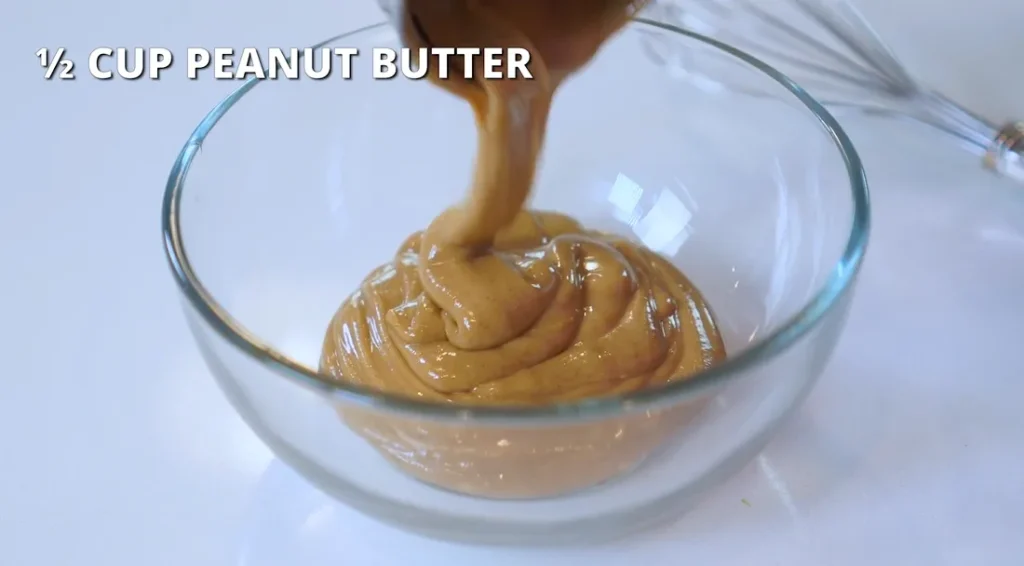
½ cup creamy peanut butter: Creates the rich, smooth base of the sauce.
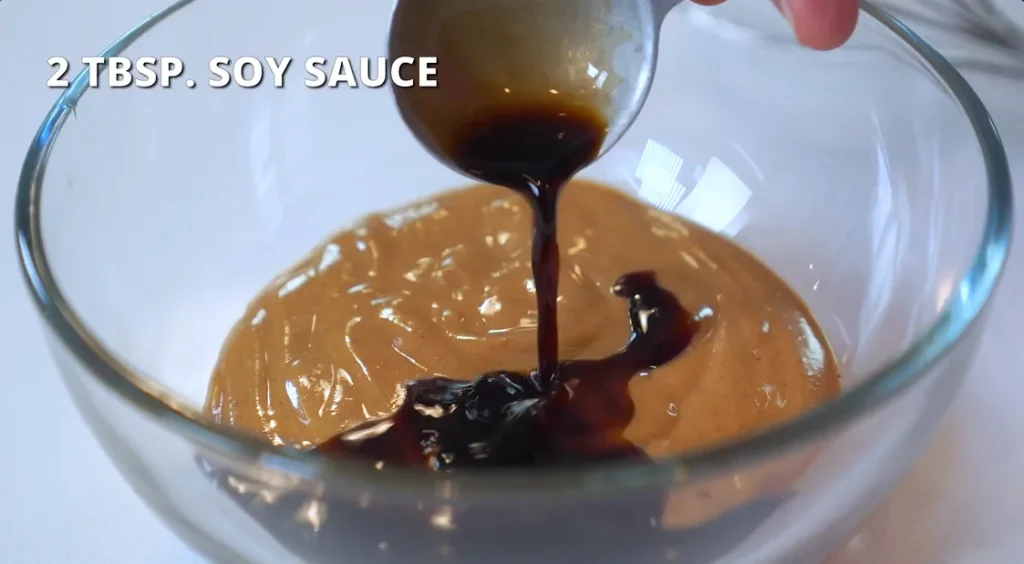
- 2 tablespoons soy sauce or tamari: Adds salty, savory flavor and balances the sweetness of the peanut butter.
- 1 tablespoon rice vinegar: Adds mild acidity and helps brighten the rich peanut flavor.
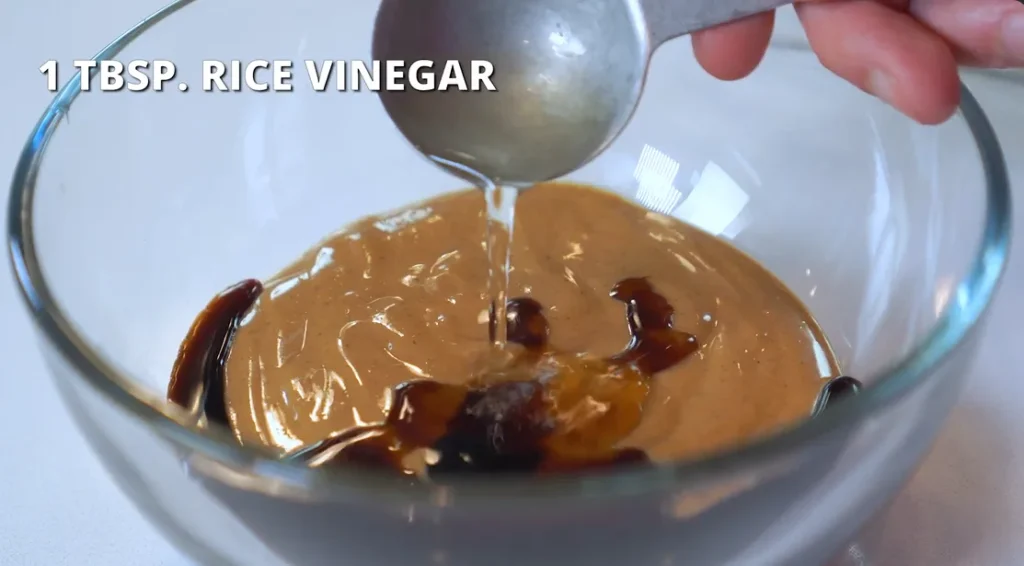
- 1 tablespoon fresh lime juice: Gives the sauce a fresh, tangy finish.
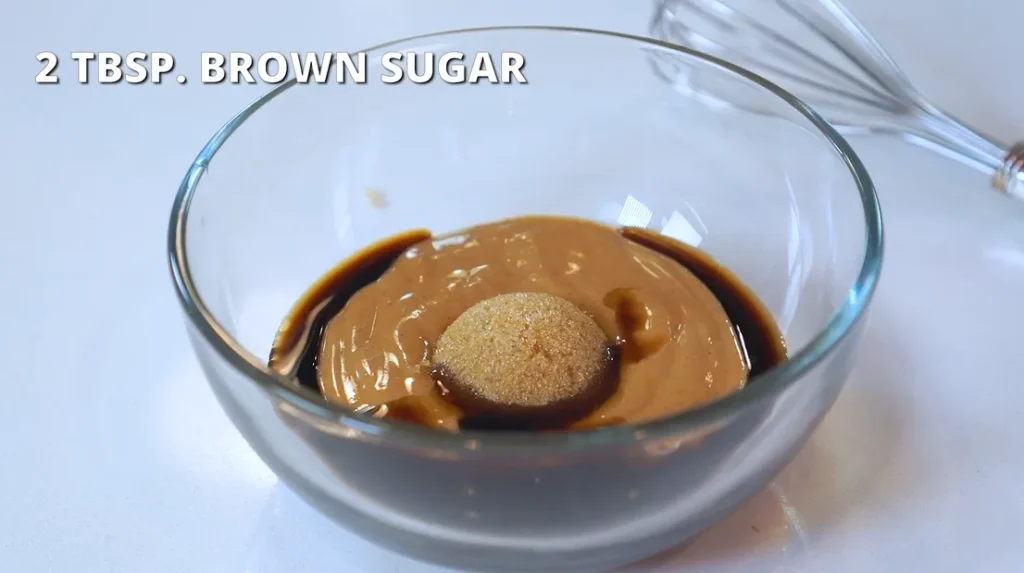
- 2 tablespoons brown sugar, honey, or maple syrup: Adds sweetness and balances the salty, tangy, and spicy ingredients.
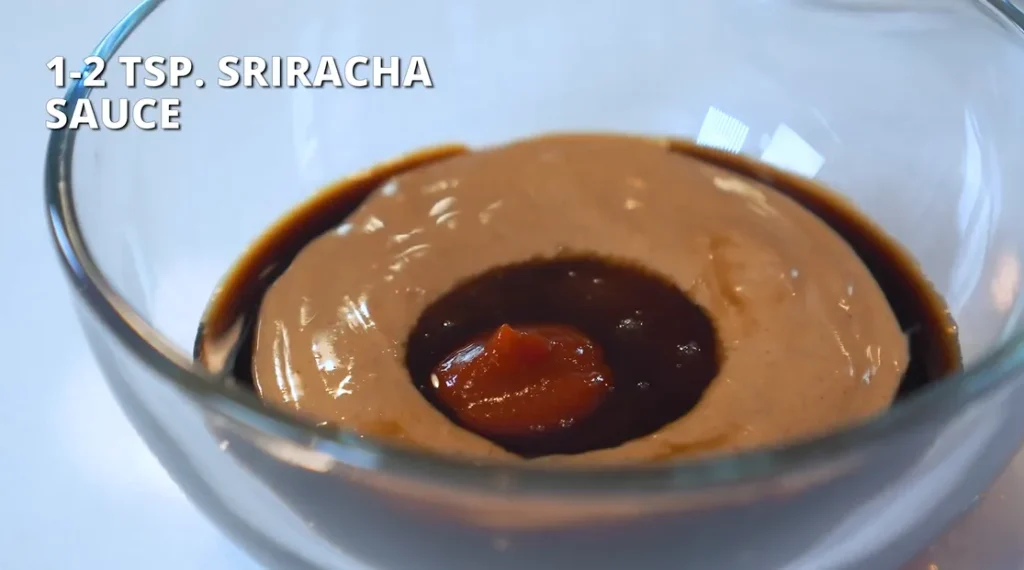
- ½–1 teaspoon Sriracha: Adds gentle heat. Adjust the amount according to your preferred spice level.
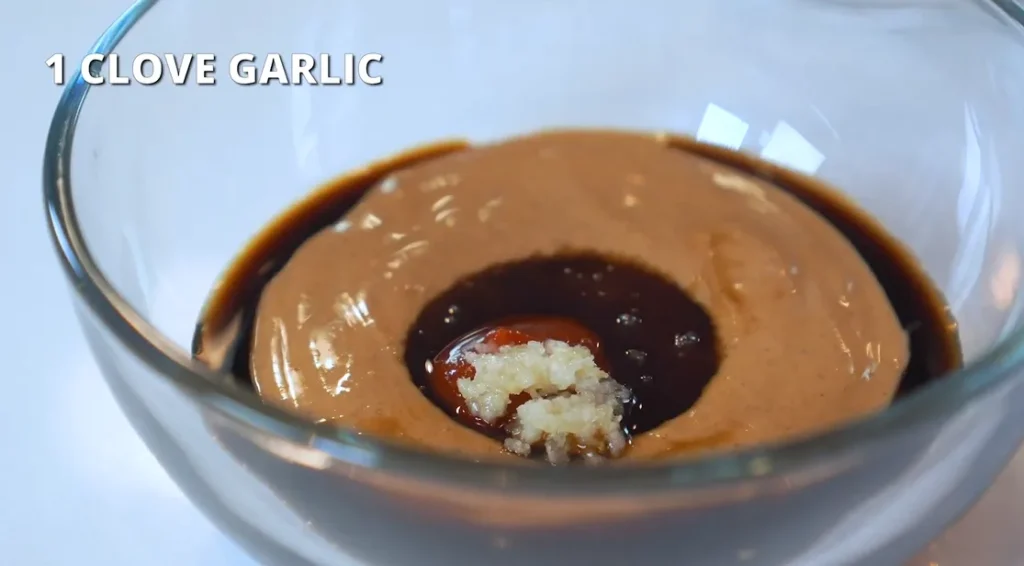
- 1 small garlic clove, finely minced or grated: Adds fresh, savory flavor
- 3–6 tablespoons warm water: Thins the sauce to the desired consistency.
Optional Flavor Additions
- 1 teaspoon freshly grated ginger: Adds a warm, fresh flavor.
- Lime zest: Strengthens the fresh citrus flavor without adding extra liquid.
- ¼–½ teaspoon crushed red pepper flakes: Adds more heat and a slightly stronger chili flavor.
- Chopped fresh cilantro: Adds fresh color and flavor when stirred in shortly before serving.
- Additional hot sauce: Use a small amount if you prefer a spicier sauce.
Ingredient Notes and Substitutions
Peanut Butter
Creamy peanut butter creates the smoothest and most consistent sauce. Regular shelf-stable peanut butter is easy to whisk and usually produces a creamy texture without requiring much adjustment.
Natural peanut butter can also be used, but stir it thoroughly before measuring because the oil may separate. Depending on its consistency, you may need to adjust the amount of warm water.
If you enjoy keeping homemade condiments on hand, Hot Honey Mustard Sauce (Sweet Heat in 10 Minutes!) is another quick recipe that combines sweet, tangy, and spicy flavors for sandwiches, chicken, and dipping.
Crunchy peanut butter works if you prefer more texture, although the finished sauce will not be completely smooth.
Soy Sauce
Soy sauce adds saltiness and savory depth. Regular or reduced-sodium soy sauce can be used depending on your preference.
Tamari is a useful alternative when a gluten-free option is needed, but always check the product label to confirm that it meets your dietary requirements.
Coconut aminos can be used as a soy-free alternative. It is usually sweeter and less salty than soy sauce, so taste the sauce before adding the full amount of sweetener.
Rice Vinegar and Lime Juice
Rice vinegar provides mild acidity, while fresh lime juice adds a brighter citrus flavor. Using both creates a more balanced tangy finish.
If you only have one available, you can use additional rice vinegar or lime juice. Add it gradually and taste as you go because the acidity may be slightly different.
Fresh lime juice provides the brightest flavor. Lime zest can also be added when you want a stronger citrus taste without making the sauce thinner.
Sweetener
Brown sugar gives the sauce a deeper sweetness and dissolves easily during whisking. Honey adds a smooth floral sweetness, while maple syrup provides a slightly different flavor.
Start with less sweetener if your peanut butter or coconut aminos already contain added sugar. Taste the finished sauce and add more only if needed.
A preferred sugar alternative may also be used when suitable for your dietary needs. Since sweetness levels vary, begin with a small amount and adjust gradually.
Sriracha and Other Spices
Sriracha adds both heat and a mild tangy sweetness. Start with ½ teaspoon for gentle heat, then add more if you prefer a spicier sauce.
Crushed red pepper flakes or another preferred hot sauce can be used instead. Add spicy ingredients gradually so they do not overpower the peanut flavor.
Fresh ginger adds warmth, while garlic gives the sauce a stronger savory flavor. If fresh garlic is unavailable, replace one small garlic clove with about ⅛ teaspoon garlic powder.
Warm Water
Warm water loosens the peanut butter and helps the ingredients blend into a smooth sauce. Add it 1 tablespoon at a time because the amount needed depends on the type of peanut butter and how you plan to serve the sauce.
Use less water for a thick spring roll or chicken satay dip. Add more for noodles, salads, bowls, or a light drizzling sauce.
Fresh Herbs
Fresh cilantro adds color and a bright herbal flavor. Stir it into the sauce shortly before serving for the freshest taste.
If you do not enjoy cilantro, leave it out or use a small amount of chopped green onion as an alternative.
How To Cook It Perfectly
This 5-minute Thai peanut sauce requires no cooking. The ingredients are simply whisked together, then adjusted with warm water until the sauce reaches the right consistency.
Step 1: Combine the Base Ingredients
Add the creamy peanut butter, soy sauce or tamari, rice vinegar, lime juice, sweetener, Sriracha, and minced garlic to a medium mixing bowl.
If using fresh ginger, add it at this stage. Make sure the garlic and ginger are finely minced or grated so they blend evenly into the sauce.
If the peanut butter is very thick, warm it in the microwave for 10–15 seconds. It should soften slightly but does not need to become hot.
Step 2: Whisk Until Smooth
Whisk the ingredients together until the mixture becomes smooth and evenly combined.
The sauce may look thick or slightly uneven at first. Continue whisking until the peanut butter blends completely with the other ingredients.
Scrape the sides and bottom of the bowl as needed to make sure no thick peanut butter remains unmixed.
Step 3: Adjust the Consistency
Add warm water 1 tablespoon at a time, whisking well after each addition.
For a thick dipping sauce, start with about 3 tablespoons of water. This consistency works well with fresh spring rolls, chicken satay, vegetables, or grilled meats.
For noodles, salads, wraps, or grain bowls, gradually add more water until the sauce becomes smooth and easy to pour.
Avoid adding all the water at once. Different peanut butter brands vary in thickness, so you may need more or less water than the recipe suggests.
Step 4: Taste and Adjust
Taste the sauce once it is smooth. Adjust one flavor at a time so the peanut flavor remains balanced.
Add a little more lime juice or rice vinegar if the sauce tastes too rich or sweet. Add a small amount of sweetener if it tastes too salty or acidic.
For more heat, add extra Sriracha or a small pinch of crushed red pepper flakes. If the sauce becomes too spicy, whisk in a little more peanut butter or sweetener.
Step 5: Add Fresh Herbs and Serve
Stir in chopped fresh cilantro shortly before serving, if using. You can also add a small amount of lime zest for a brighter citrus flavor.
Serve the sauce immediately, or cover and refrigerate it until needed. Stir well before serving because the sauce may thicken as it rests.

How to Adjust the Consistency
The ideal consistency depends on how you plan to use the sauce. Always add warm water gradually because it is easier to thin a thick sauce than to fix one that has become too watery.
For Spring Rolls and Dipping
Keep the sauce thick enough to coat the food without dripping too quickly.
Start with about 3 tablespoons of warm water. Add another small amount only if the sauce is difficult to stir or dip into.
For Chicken Satay
Use a creamy, spoonable consistency that clings well to grilled chicken.
The sauce should be smooth enough for dipping but thick enough to stay on the chicken. Add warm water 1 teaspoon at a time near the end for better control.
For Noodles
Thin the sauce until it pours easily and can coat the noodles evenly.
Warm noodles may absorb some of the sauce, so keep a little warm water nearby. Add more as needed while tossing.
For Salads and Bowls
Add enough warm water to create a light, pourable dressing.
For extra brightness, add a small splash of lime juice or rice vinegar after thinning. Taste before adding more because too much acidity can overpower the peanut flavor.
How to Balance the Flavor
Taste the peanut sauce after all the ingredients are fully combined. Since peanut butter, soy sauce, Sriracha, and sweeteners vary by brand, small adjustments may be needed.
- If the sauce is too salty, add a little more peanut butter, warm water, or lime juice.
- If it is too sweet, add a small amount of lime juice or rice vinegar.
- If it tastes too tangy, mix in a little more peanut butter or sweetener.
- If it is too spicy, add more peanut butter or a small amount of sweetener.
- If the flavor seems flat, add a little lime juice, garlic, ginger, Sriracha, or soy sauce, depending on what is missing.
Make only one adjustment at a time, then whisk and taste again. This helps maintain a balanced combination of creamy, savory, sweet, tangy, and spicy flavors.
Expert Tips
- Use creamy peanut butter for the smoothest texture. If using natural peanut butter, stir it thoroughly before measuring.
- Add warm water gradually because different peanut butter brands vary in thickness.
- Use fresh lime juice for a brighter flavor.
- Finely grate or mince the garlic and ginger so they blend evenly into the sauce.
- Taste the sauce before adding extra soy sauce because it may already be salty enough.
- Add Sriracha gradually so the heat does not overpower the peanut flavor.
- Stir in fresh cilantro shortly before serving to preserve its fresh color and flavor.
Common Mistakes to Avoid
Avoid adding all the warm water at once because the sauce can quickly become too thin. Add it gradually and whisk well after each addition.
Do not add extra soy sauce or Sriracha before tasting the finished sauce. The saltiness and heat can vary depending on the brands used.
If using natural peanut butter, stir it thoroughly before measuring. Separated oil can affect the texture and make the sauce difficult to balance.
Avoid leaving large pieces of garlic or ginger in the sauce. Finely minced or grated ingredients distribute more evenly and prevent overly strong bites.
Remember that peanut sauce naturally thickens after resting in the refrigerator. Stir it well and add a small amount of warm water before serving if needed.
Recipe Variations
This Thai peanut sauce is easy to customize depending on how you plan to serve it. Keep the basic balance of creamy, savory, sweet, tangy, and spicy flavors, then adjust the ingredients gradually.
Creamy Coconut Peanut Sauce
For a richer sauce, replace some or all of the warm water with coconut milk. Start with 2–3 tablespoons and add more until the sauce reaches your preferred consistency.
Coconut milk gives the sauce a smoother, creamier texture and softens the salty, tangy, and spicy flavors. This variation works especially well with chicken satay, warm noodles, shrimp, and grilled vegetables.
Spicy Peanut Sauce
Increase the Sriracha or add a small pinch of crushed red pepper flakes for more heat.
Add the spice gradually and taste after each addition. This keeps the chili flavor from overpowering the peanut butter, lime juice, and other ingredients.
Garlic-Ginger Peanut Sauce
Add 1 teaspoon of freshly grated ginger and an extra small clove of garlic for a bolder flavor.
Finely grate both ingredients so they blend evenly into the sauce. This variation pairs well with noodles, spring rolls, vegetables, and grilled chicken.
Peanut Salad Dressing
Add warm water 1 tablespoon at a time until the sauce becomes light and pourable.
For a brighter dressing, add a small splash of lime juice or rice vinegar. Taste after thinning because additional liquid can soften the other flavors.
Peanut Noodle Sauce
Thin the sauce with warm water until it pours easily, then toss it with freshly cooked noodles.
Warm noodles may absorb the sauce quickly, so add a little extra water as needed. Top with chopped cilantro, green onions, crushed peanuts, or a squeeze of fresh lime juice.
If you’re serving this sauce with seafood, Ultimate Fish Seasoning Recipe for Any Fish is another helpful recipe that adds bold flavor before grilling, baking, or pan-searing your favorite fish.
Best Ways to Serve Thai Peanut Sauce
Thai peanut sauce can be served as a dip, dressing, drizzle, or noodle sauce. Its creamy texture and sweet, savory, tangy flavor pair well with both fresh and cooked dishes.
Serve it as a dipping sauce with fresh spring rolls, chicken satay, shrimp, grilled chicken, beef skewers, lettuce wraps, or crisp vegetables.
For a quick meal, toss the sauce with warm noodles and add vegetables, chicken, shrimp, or tofu. Add warm water gradually if the noodles absorb too much sauce.
You can also drizzle it over rice bowls, grain bowls, salads, roasted vegetables, wraps, or grilled meats. For a lighter salad dressing, thin it with warm water and add a small amount of lime juice or rice vinegar.
This sauce also works surprisingly well with pasta-based meals. Try it with Roasted Veggie Feta Pasta | Easy Dinner in 30 Minutes for a fresh vegetable dinner, or serve it alongside Easy Spaghetti Salad Recipe with Italian Dressing for Summer when you’re planning a picnic, potluck, or summer gathering with several side dishes.
Make-Ahead Instructions
Thai peanut sauce can be prepared ahead, making it convenient for quick meals, appetizers, and meal prep.
Prepare the sauce as directed, then transfer it to an airtight container and refrigerate. For the freshest flavor and texture, add chopped cilantro shortly before serving rather than mixing it in during storage.
The sauce will become thicker as it chills. Before serving, stir it thoroughly and add warm water 1 teaspoon at a time until it returns to the desired consistency.
Taste the sauce again after thinning. Add a small amount of lime juice, Sriracha, or sweetener only if needed.
How to Store Thai Peanut Sauce
Store homemade Thai peanut sauce in an airtight container in the refrigerator for up to 5–7 days.
The sauce may thicken or separate slightly during storage. Stir it well before serving, then whisk in a small amount of warm water if needed.
If the sauce contains fresh cilantro, its color and texture may change over time. For the freshest result, store the cilantro separately and add it just before serving.
For longer storage, freeze the sauce in a freezer-safe container for up to 2 months. Leave a little space at the top because the sauce may expand as it freezes.
Thaw frozen peanut sauce overnight in the refrigerator. The texture may separate slightly after thawing, but whisking it thoroughly with a small amount of warm water can help restore a smoother consistency.
Smart Nutrition Insight
One small serving of this Thai peanut sauce contains approximately 75 calories, 5 grams of carbohydrates, 3 grams of protein, and 5 grams of fat.
The sauce may also provide small amounts of fiber, potassium, calcium, iron, and Vitamins A and C. The exact values depend on the peanut butter, soy sauce, sweetener, serving size, and optional ingredients used.
Using coconut milk, extra peanut butter, or additional sweetener will change the nutrition values. These figures are estimates only. For specific dietary or medical guidance, consult a qualified healthcare professional or registered dietitian.
More Sauces and Flavorful Recipes to Try
If you enjoy making homemade sauces and flavor boosters from scratch, these recipes are worth trying next. From creamy dipping sauces to classic tomato sauces and steakhouse favorites, they make it easy to add more flavor to everyday meals.
- Roasted Tomato Sauce | Easy Homemade With Garlic and Basil — A rich homemade tomato sauce that works beautifully with pasta, pizza, meatballs, and baked Italian dishes.
- Sweet Chili Sauce Recipe Easy With 1-Pot Method — An easy sweet-and-spicy sauce for dipping, glazing, and stir-fry recipes.
- Steakhouse Secret: Irresistible Roquefort Sauce — A creamy blue cheese sauce that’s perfect with steak, burgers, roasted potatoes, and grilled vegetables.
- Roux vs Beurre Manié: The Secret to Perfect Sauces — Learn when to use each thickening method for silky gravies, soups, and homemade sauces.
- Hot Honey Mustard Sauce (Sweet Heat in 10 Minutes!) — A quick sweet-and-spicy condiment for chicken tenders, sandwiches, burgers, and wraps.
Frequently Asked Questions
What Is the Difference Between Peanut Sauce and Satay Sauce?
The terms peanut sauce and satay sauce are often used interchangeably, especially when the sauce is served with grilled skewers.
Recipes vary by region and preparation. Some satay sauces are cooked with ground peanuts, coconut milk, spices, and other seasonings, while this easy Thai-style peanut sauce uses peanut butter and comes together without cooking.
Can I Make Thai Peanut Sauce Without Coconut Milk?
Yes. Coconut milk is not needed for this 5-minute version.
Warm water thins the peanut butter while keeping the sauce creamy and easy to adjust. Coconut milk can be added as an optional variation when you want a richer texture and milder flavor.
Why Is My Peanut Sauce Too Thick?
Peanut butter naturally creates a thick sauce, and the mixture can become even thicker after resting in the refrigerator.
Whisk in warm water 1 teaspoon at a time until the sauce reaches the desired consistency. Avoid adding too much water at once.
How Do I Thicken Peanut Sauce?
If the sauce becomes too thin, whisk in a small amount of peanut butter until the texture improves.
Allowing the sauce to rest for a few minutes may also help because peanut sauce often thickens naturally over time.
Can I Make Peanut Sauce Without Soy Sauce?
Yes. Coconut aminos can be used as a soy-free alternative when suitable for your dietary needs.
Coconut aminos are generally sweeter and less salty than soy sauce, so start with less sweetener and adjust the flavor after mixing.
Can I Use Natural Peanut Butter?
Yes. Natural peanut butter can be used, but stir it thoroughly before measuring because the oil may separate.
The final consistency can vary by brand, so add warm water gradually until the sauce becomes smooth.
What Dishes Go Well With Peanut Sauce?
Serve peanut sauce with fresh spring rolls, chicken satay, noodles, shrimp, grilled chicken, beef skewers, vegetables, lettuce wraps, salads, rice bowls, or grain bowls.
It can also be used as a dip for crisp vegetables or as a creamy drizzle for wraps and roasted vegetables.
Can I Make Thai Peanut Sauce Ahead of Time?
Yes. Prepare the sauce in advance and store it in an airtight container in the refrigerator.
Stir it well before serving and add a small amount of warm water if it has become too thick.
How Long Does Homemade Peanut Sauce Last?
Homemade peanut sauce can be stored in an airtight container in the refrigerator for up to 5–7 days.
Always use clean utensils and discard the sauce if you notice an unusual smell, appearance, or signs of spoilage.
Final Thoughts
This easy Thai peanut sauce combines creamy peanut butter with soy sauce, rice vinegar, fresh lime juice, sweetener, garlic, and Sriracha. It comes together in about 5 minutes without cooking and can be adjusted for dipping, drizzling, salads, or noodles.
Serve it with fresh spring rolls, chicken satay, vegetables, grilled meats, or noodle bowls. Adjust the warm water, sweetness, acidity, and spice to create the flavor and consistency that work best for your meal.
If you enjoy making simple homemade flavor boosters, don’t stop with this recipe. Basil Lemon Salt | Easy 3-Ingredient Homemade Seasoning is another easy kitchen staple that adds fresh herbal flavor to grilled vegetables, seafood, chicken, pasta, and salads.