
If you have never made roasted tomato sauce before, this is a great recipe to start with. Roasting fresh tomatoes brings out their natural sweetness and creates light caramelization for a rich, concentrated flavor that stovetop sauces cannot easily match.
Combined with garlic, fresh herbs, and olive oil, the roasted tomatoes turn into a smooth homemade sauce with a bright, fresh taste.
This recipe is simple enough for beginners yet versatile enough for experienced home cooks. Use it as a pasta sauce, pizza sauce, soup base, or anywhere a recipe calls for crushed tomatoes.
Roasted Tomato Sauce–The Short Answer
Unlike many homemade tomato sauces, this recipe is designed to be enjoyed fresh or frozen for later use. Store it in the refrigerator for 5–7 days or freeze it for longer storage.
Since this recipe contains olive oil and garlic, freezing is the recommended preservation method because it has not been developed or tested for water bath canning.
Why You’ll Love This Sauce
Roasting is what makes this roasted tomato sauce stand out. As the tomatoes cook, their moisture slowly evaporates, concentrating their flavor while creating a naturally sweet, rich sauce with a smooth texture.
The garlic becomes mellow and buttery, while the herbs add fresh aroma without overpowering the tomatoes.
Another reason this recipe is a favorite is its flexibility. Blend it until silky smooth or leave it slightly chunky for a more rustic texture.
It pairs well with pasta, pizza, lasagna, soups, casseroles, roasted vegetables, and many other dishes, making it a reliable sauce to keep on hand throughout the week.
With only a handful of fresh ingredients and very little hands-on work, this recipe delivers homemade flavor without complicated techniques. Whether you’re cooking with garden tomatoes or fresh tomatoes from the market, you’ll end up with a sauce that’s richer and fresher than most store-bought options.
Ingredients
Great ingredients are the foundation of a flavorful roasted tomato sauce. Paste tomatoes such as Roma, San Marzano, or plum tomatoes are the best choice because they contain more flesh, less water, and fewer seeds.
This recipe also works well with other ripe tomatoes, including heirloom, cherry, grape, and vine-ripened varieties.
For this recipe, you’ll need:
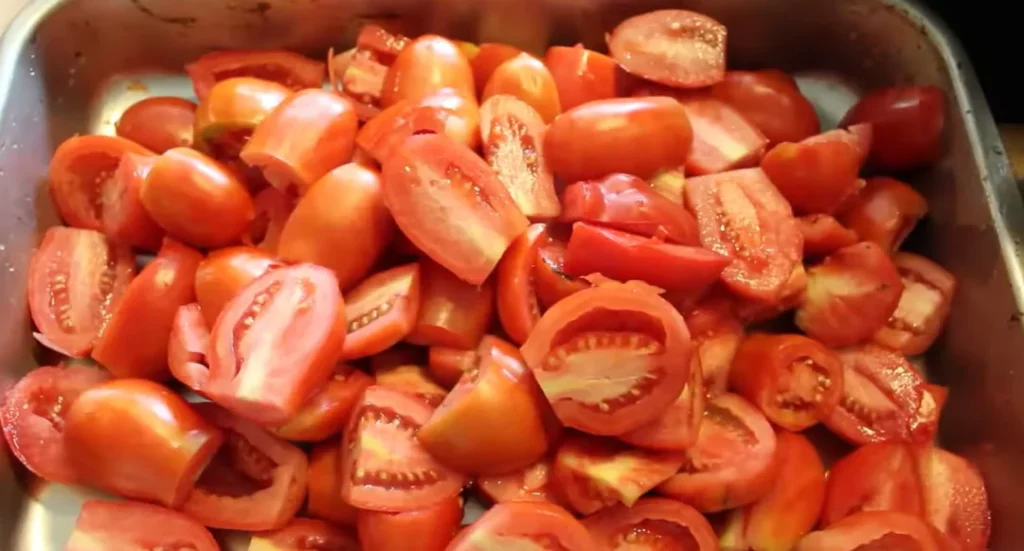
- 3½ pounds (about 1.6 kg) ripe tomatoes
- 3 tablespoons extra-virgin olive oil
- 1 tablespoon balsamic vinegar
- 6 fresh garlic cloves
- 1 medium shallot (optional)
- ¼ cup fresh basil
- 1 tablespoon fresh thyme
- 1 tablespoon fresh oregano
- 1½ teaspoons kosher salt
- ½ teaspoon freshly ground black pepper
If your tomatoes taste more acidic than sweet, stir in ½–1 teaspoon sugar after blending to balance the flavor.
Fresh herbs give the sauce its signature aroma, while roasted garlic adds mellow sweetness that dried garlic cannot match. Extra-virgin olive oil enhances every ingredient, and balsamic vinegar adds depth without making the sauce taste sweet.
Ingredient Notes and Substitutions
Tomatoes
Roma, San Marzano, and other paste tomatoes produce the thickest sauce because of their low moisture content. If you have a mixture of garden tomatoes, use them together for a deeper, more complex flavor.
Cherry and grape tomatoes add natural sweetness, while heirloom tomatoes contribute extra richness without changing the recipe.
Garlic
Fresh garlic is strongly recommended because roasting transforms its sharp flavor into a mellow, buttery sweetness.
If necessary, substitute about 1 teaspoon garlic powder, although the finished sauce will not have quite the same depth of flavor.
Fresh Herbs
Fresh basil, thyme, and oregano create a classic Italian-style flavor. Rosemary, sage, marjoram, or Italian seasoning also work well.
For the freshest herb flavor, stir delicate herbs like basil into the sauce after roasting or just before blending.
Olive Oil
Extra-virgin olive oil provides the richest flavor and helps the tomatoes roast evenly. Avocado oil is an excellent alternative if you prefer a more neutral flavor.
Balsamic Vinegar
A small amount of balsamic vinegar balances the tomatoes’ natural acidity and adds subtle richness. If needed, replace it with 1–2 teaspoons of red wine vinegar.
Optional Additions
Roast a small onion, extra garlic, carrot, or red bell pepper with the tomatoes for extra flavor.
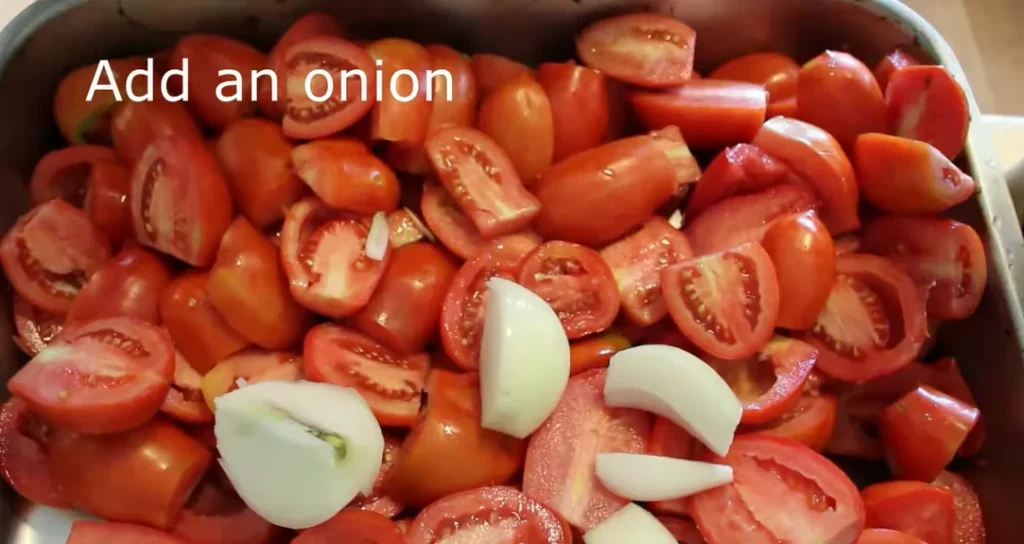
If you enjoy a little heat, add ¼–½ teaspoon crushed red pepper flakes before roasting.
How to Make This Sauce
Making roasted tomato sauce requires very little hands-on work. As the tomatoes roast, their natural sugars caramelize while the garlic becomes soft and mellow, creating a rich homemade sauce with deep flavor.
Step 1: Prepare the Tomatoes
Preheat the oven to 425°F (220°C) and position the oven rack in the center.
Wash the tomatoes thoroughly, remove the stem cores and any blemishes, then cut large tomatoes into halves or quarters. Cherry or grape tomatoes can be left whole or halved.
If the tomatoes are especially juicy, gently pat them dry with a paper towel to encourage better caramelization during roasting.
Step 2: Season the Tomatoes
Arrange the tomatoes in a single layer in a large roasting pan or deep baking dish.
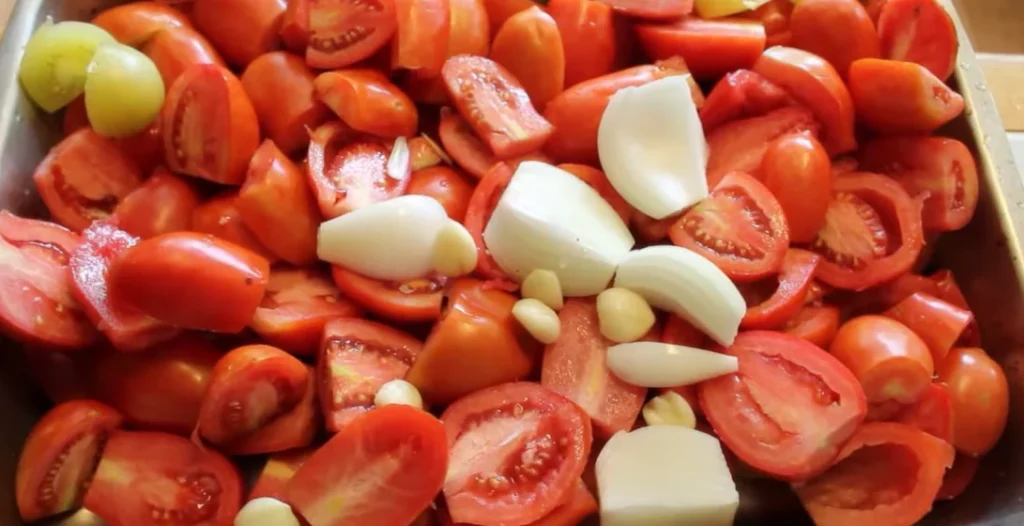
Scatter the whole garlic cloves and chopped shallot between the tomatoes, then add the fresh basil, thyme, and oregano.
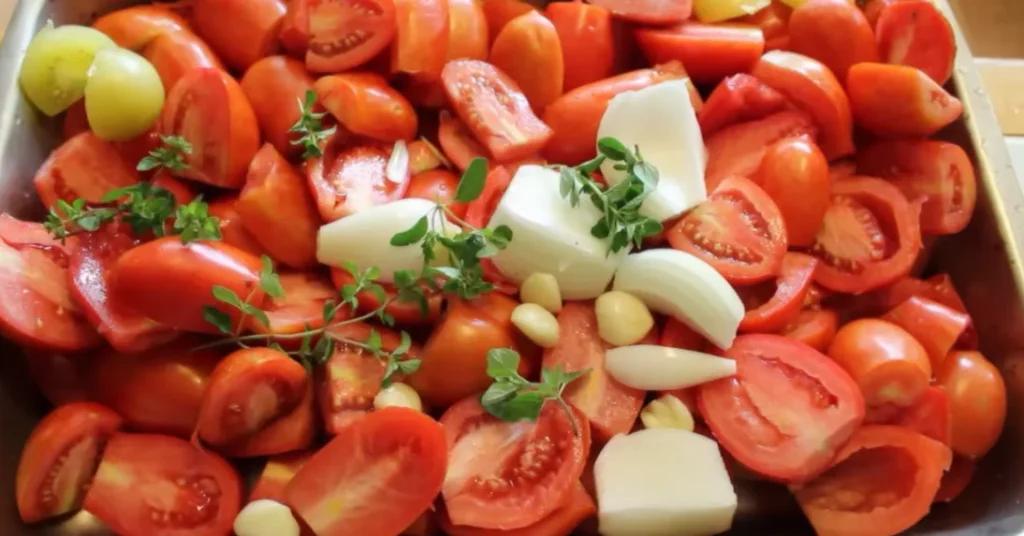
Drizzle with extra-virgin olive oil and balsamic vinegar before seasoning with kosher salt and black pepper.
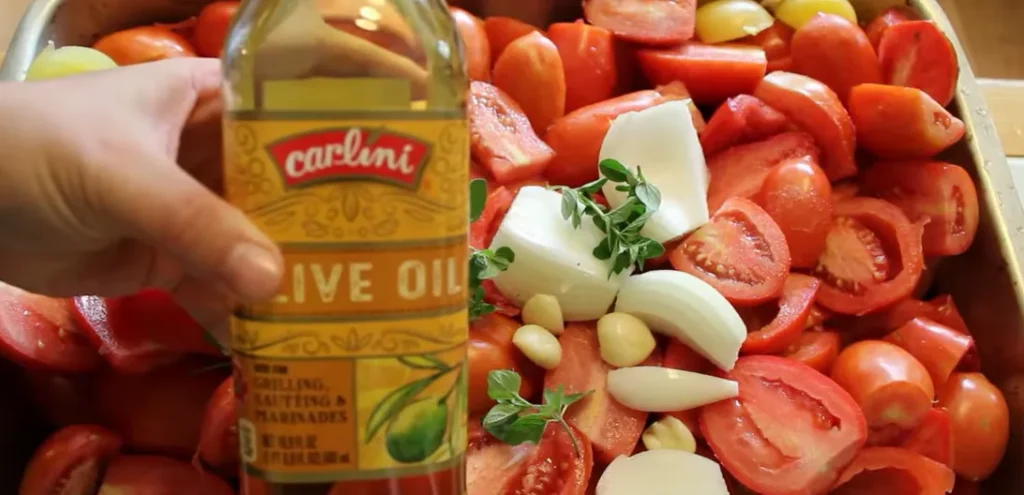
Leave a little space between the tomatoes so they roast instead of steam.
Step 3: Roast
Roast for 50–60 minutes, or until the tomatoes are soft, lightly charred, and caramelized around the edges.
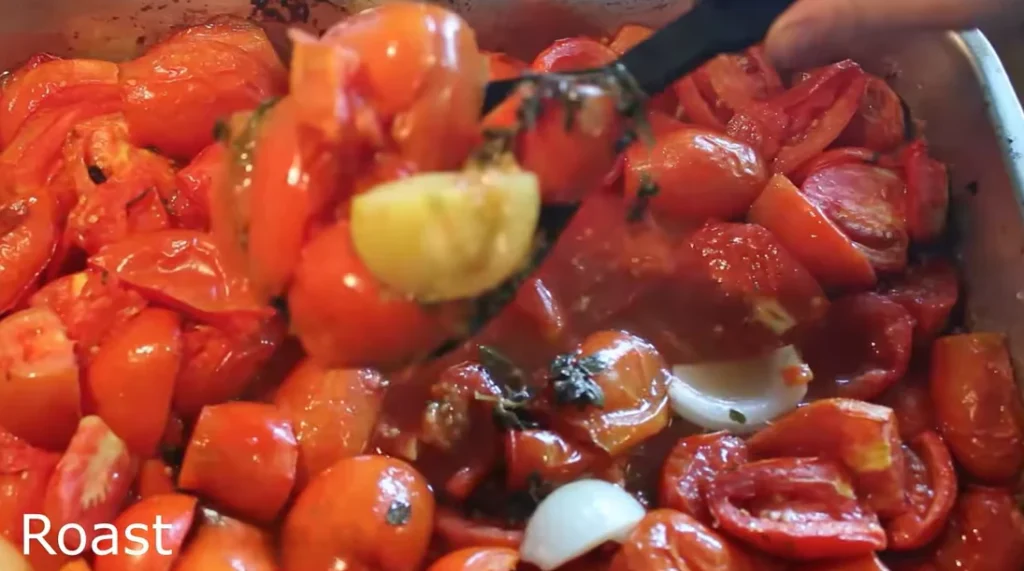
If you prefer a fresher basil flavor, stir it into the pan during the last few minutes of roasting instead of adding it at the beginning.
Remove the pan from the oven and allow everything to cool for 15–20 minutes before blending.
Step 4: Blend the Sauce
Transfer the roasted tomatoes, garlic, shallot, herbs, and all of the flavorful pan juices to a blender or food processor.
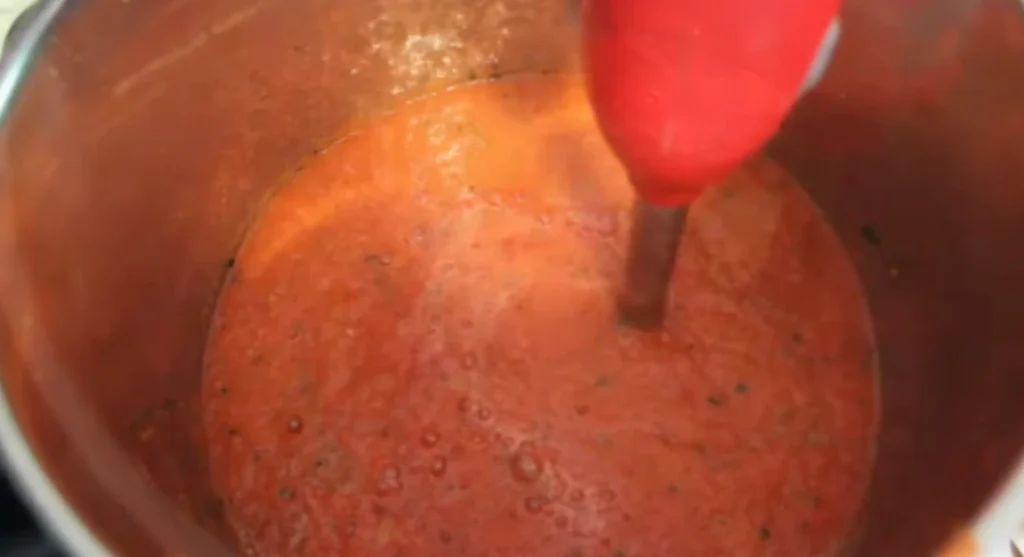
Blend until smooth, or use an immersion blender if you prefer. For a chunkier, rustic sauce, mash the tomatoes with a potato masher or fork instead of blending completely.
If you like an extra-smooth sauce, strain it through a fine-mesh sieve after blending. This step is optional.
Step 5: Adjust the Flavor
Taste the finished sauce before making any adjustments.
If the tomatoes are more acidic than sweet, stir in ½–1 teaspoon sugar. If the sauce is thinner than you prefer, simmer it over medium-low heat for 10–15 minutes until it reaches your desired consistency.
Serve immediately, refrigerate, or freeze for later use.
Storage
Allow the roasted tomato sauce to cool completely before transferring it to storage containers. Storing it while hot can create condensation that affects the texture.
Refrigerate the sauce in an airtight glass container or jar for 5–7 days. Always use a clean spoon when serving to help maintain freshness.
For longer storage, freeze the sauce in freezer-safe containers, heavy-duty freezer bags, or wide-mouth mason jars. If using glass jars, leave about 1 inch (2.5 cm) of headspace to allow for expansion.
Label each container with the freezing date. For the best flavor and texture, use frozen sauce within 3–4 months, although it remains safe for up to 1 year when continuously frozen at 0°F (-18°C).
Other Uses
One of the best things about roasted tomato sauce is its versatility. Its rich, concentrated flavor works well in far more than just pasta dishes.
Use it as a classic pasta sauce, spread it over homemade pizza, or stir it into baked ziti, lasagna, stuffed shells, and vegetable casseroles. It also makes an excellent base for tomato soup by simply adding vegetable or chicken broth and a splash of cream.
This sauce is equally delicious in shakshuka, where eggs are gently poached in the sauce with spices. It can also be used as a braising sauce for chicken, meatballs, or Italian sausage, and works beautifully in chili, curries, ratatouille, and recipes that call for crushed or pureed tomatoes.
Expert Tips
Use the ripest tomatoes you can find because naturally sweet tomatoes produce a richer, more flavorful sauce after roasting.
Paste tomatoes such as Roma or San Marzano create the thickest sauce, but using a mixture of tomato varieties adds extra depth and complexity.
Arrange the tomatoes in a single layer and avoid overcrowding the roasting pan. Leaving space between them allows excess moisture to evaporate, encouraging caramelization instead of steaming.
Blend the sauce while it is warm rather than piping hot for a smoother texture and safer handling. If you prefer a rustic sauce, use an immersion blender or potato masher instead of blending it completely smooth.
Taste the sauce before adjusting the seasoning. Depending on the sweetness of the tomatoes, you may not need any sugar. If the sauce is thinner than you prefer, simmer it gently for 10–15 minutes until it reaches your desired consistency.
Freeze the finished sauce in meal-sized portions so you only thaw what you need. This helps reduce waste and makes weeknight cooking much more convenient.
Notes
This roasted tomato sauce is designed to be enjoyed fresh or frozen rather than water bath canned. Because it contains olive oil and garlic, it has not been tested as a canning-safe recipe, so freezing is the recommended method for long-term storage.
Small tomatoes such as cherry or grape tomatoes can be roasted whole or halved. Since they cook faster than larger tomatoes, begin checking them after 35–40 minutes. Their skins soften during roasting and blend smoothly into the finished sauce.
For the richest flavor, make the sauce a day ahead and refrigerate it overnight. The flavors continue to develop as the sauce rests, making it even better the next day.
Nutrition
The nutrition values below are approximate and may vary depending on the tomato variety and other ingredients used.
Per ½-cup serving:
- Calories: 70–90 kcal
- Carbohydrates: 8–10g
- Protein: 1–2g
- Total Fat: 4–5g
- Saturated Fat: 0.5–1g
- Fiber: 2–3g
- Sugar: 5–7g
- Sodium: 180–260mg
- Potassium: 350–500mg
Frequently Asked Questions
Is Roasted Tomato Sauce with Garlic and Oil Safe to Can?
No. Since this recipe contains olive oil and garlic, it has not been tested for water bath canning. Freezing is the safest and recommended method for long-term storage.
How Long Does Roasted Tomato Sauce Last in the Freezer?
For the best flavor and texture, use frozen roasted tomato sauce within 3–4 months. When stored continuously at 0°F (-18°C), it remains safe for up to 1 year.
Do I Need to Peel the Tomatoes Before Roasting?
No. The tomato skins soften during roasting and blend smoothly into the sauce. If you prefer an extra-smooth texture, strain the blended sauce through a fine-mesh sieve after blending.
Which Tomatoes Make the Best Roasted Tomato Sauce?
Paste tomatoes such as Roma, San Marzano, and Amish Paste produce the thickest sauce because they contain less water and more flesh. However, any ripe tomatoes, including plum, heirloom, cherry, grape, or vine-ripened varieties, work well.
Can I Use This Sauce for Pizza?
Yes. This roasted tomato sauce makes an excellent pizza sauce and can be used straight from the refrigerator or after thawing from the freezer. It also works well in pasta, lasagna, baked ziti, soups, and many other recipes.
What Can I Use Instead of a High-Speed Blender?
A regular countertop blender, food processor, or immersion blender all work well. For a chunkier texture, mash the roasted tomatoes with a potato masher or fork instead of blending them completely.
What Is the Difference Between Roasted Tomato Sauce and Marinara?
Traditional marinara is usually made by simmering crushed tomatoes on the stovetop. Roasted tomato sauce is made by roasting fresh tomatoes first, which concentrates their natural sweetness and creates a deeper, richer flavor.
Can I Make This Sauce Ahead of Time?
Yes. Roasted tomato sauce is an excellent make-ahead recipe. Prepare it a few days in advance and refrigerate it until needed, or freeze it in meal-sized portions for quick and convenient homemade meals.



Awesome 👍🏻