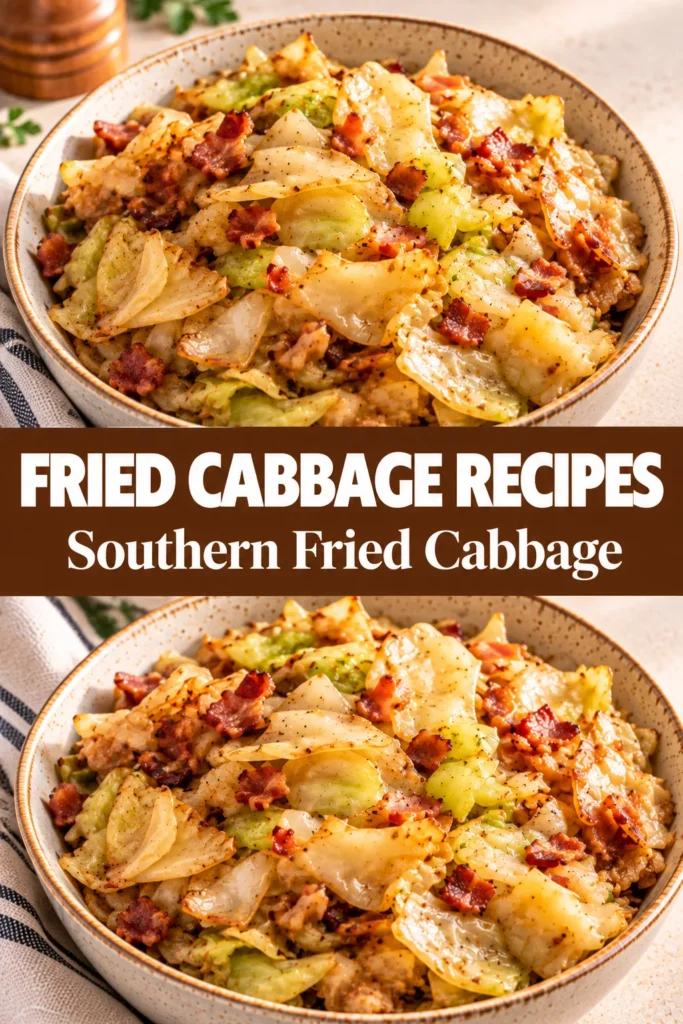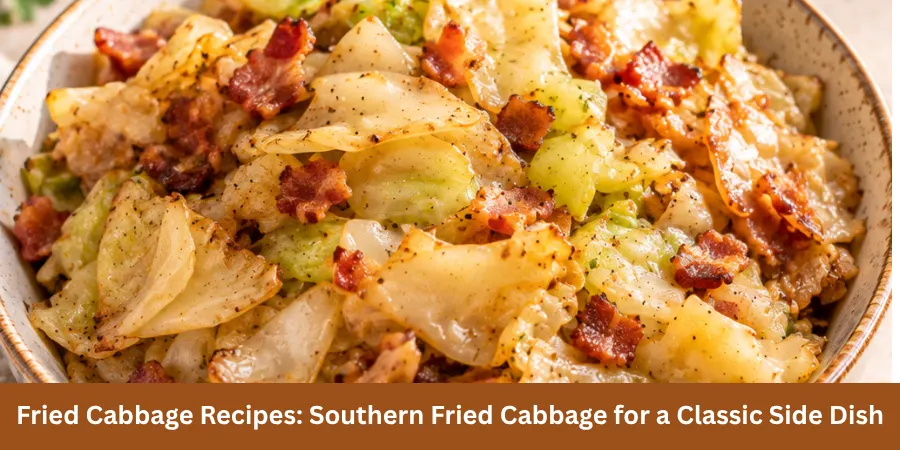
Fried Cabbage with Onions and Bacon is a classic Southern comfort dish that transforms simple cabbage into a flavorful and satisfying recipe.
Cooking tender cabbage with crisp-edged bacon, onions, and garlic creates a savory combination without requiring complicated ingredients.
This Southern Fried Cabbage recipe uses smoky bacon, yellow onions, red pepper flakes, and simple seasonings to build rich flavor while keeping the preparation easy.
Fried Cabbage Recipes-The Short Answer
This method keeps fried cabbage tender yet firm by controlling moisture, heat, and bacon fat. The result is smoky, balanced flavor without a greasy or watery texture, making each step worth following.
The result is a budget-friendly dish that works well when you want a familiar homemade side dish without a long ingredient list.
The cabbage cooks until tender while still keeping some texture, and the bacon is added at the very end so it can keep some of its crunch. A little heat from the red pepper flakes balances the natural sweetness of the cabbage and onions.
The key is avoiding overcooking the cabbage or leaving too much bacon fat in the pan because both can affect the final texture and make the dish feel heavy.
This old-fashioned Southern recipe pairs naturally with cornbread, biscuits, roast chicken, pork chops, and other comforting meals.
It works especially well as a flavorful side dish, but it can also become a more filling meal when served with smoked sausage or another protein.
Recipe at a Glance
- Serves: 4–6 (about 4 cups cooked, roughly 550–650 g)
- Cooking time: about 30 minutes
- Pan: deep sauté pan or Dutch oven, at least 4–5 qt (about 4–5 L), with a lid that fits
Why You’ll Love This Fried Cabbage
What makes this dish special is how a few simple ingredients create a lot of flavor.
Smoky bacon combines with tender cabbage, onions, and garlic to create a savory dish that is easy to prepare and full of comfort food flavor.
This recipe is practical for busy weeknight meals because it uses everyday ingredients and does not require complicated steps.
It is also budget-friendly, making it an easy option when you want a satisfying dish without spending a lot.
Fresh cabbage provides the best texture, especially when cut into similar-sized pieces so everything cooks evenly.
Using about 900 g of trimmed green cabbage creates the right balance between tender pieces and a slight bite.
Thick-cut bacon provides much of the smoky flavor. Cooking it slowly over medium heat allows the fat to render while helping the bacon pieces become crisp.
A portion of the rendered fat is used to cook the vegetables, adding flavor without making the finished dish overly greasy.
The onion is softened first, followed by garlic, before adding the cabbage. Adding cabbage in batches prevents overcrowding and helps it cook more evenly.
A small amount of sugar balances the cabbage’s natural bitterness and the salty smoky seasoning without making the dish taste sweet.
Using a deep sauté pan or Dutch oven of at least 4–5 qt gives the cabbage enough space to cook properly.
The cabbage is covered briefly to soften, then cooked uncovered so excess moisture can evaporate.
The bacon is added back at the end to help maintain its texture.
This simple method creates a comforting dish that works well as a side or as part of a more complete meal.
What Does Southern Fried Cabbage Taste Like?
This dish is smoky, savory, and lightly spicy. The bacon gives the first flavor you notice, followed by soft sweet onion and a clear hint of garlic.
The Cajun seasoning and red pepper flakes add a mild heat that stays in the background. It is warm, not hot.
The cabbage itself is tender with a slight bite in the thicker pieces. The bacon flavor is strong, but the dish should never feel like cabbage sitting in bacon grease.
Ingredients Needed
- 900 g trimmed green cabbage
- 170 g thick-cut bacon (about 6 slices)
- 150 g yellow onion
- 12 g fresh garlic
- 3 g Cajun seasoning
- 1 g black pepper
- 0.5 g red pepper flakes
- Up to 1.5 g fine salt (add after tasting)
- 14 g unsalted butter (1 tablespoon)
- 4 g granulated sugar
- 15 ml chicken broth or water (if needed)
Ingredients Notes
Green cabbage is the main ingredient and provides the tender texture that defines this dish. Use about 900 g trimmed green cabbage, which is roughly one medium head after removing the tough outer leaves and core.
Cut the cabbage into similar-sized pieces, around 2.5–3 cm, so it cooks evenly.
Keeping the pieces consistent helps the cabbage become tender while still maintaining a slight bite instead of turning soft and mushy.
Rinse the cut cabbage and dry it well before cooking. Extra water on the surface adds to the moisture in the pan and can make the dish watery.
Thick-cut bacon creates the main smoky and savory flavor. Use 170 g bacon, which is about 6 slices depending on thickness.
Cut the bacon into bite-sized pieces before cooking so the fat renders evenly and the pieces become crisp.
Keep about 2 tablespoons of the rendered bacon fat in the pan for cooking the vegetables. This adds flavor without making the finished dish overly greasy.
Butter adds extra richness while keeping the bacon fat from becoming the only cooking fat. Use 14 g unsalted butter, which is about 1 tablespoon. It is used in a small amount to complement the smoky flavor from the bacon.
Yellow onion builds the aromatic base of the dish. Use 150 g yellow onion, which is about one medium-large onion, thinly sliced.
Cooking the onion in the rendered bacon fat softens it and develops its natural sweetness.
Fresh garlic adds another layer of savory flavor. Use 12 g fresh minced garlic, which is about three large cloves.
Add the garlic after the onion has softened and cook briefly because heavy browning can create a bitter flavor.
Cajun seasoning, black pepper, and red pepper flakes provide the main seasoning.
Use:
- 3 g Cajun seasoning (about 1 teaspoon)
- 1 g black pepper
- 0.5 g red pepper flakes
These seasonings add savory depth and mild heat while allowing the cabbage and bacon flavors to remain noticeable.
Fine salt should be added carefully after tasting. Use up to 1.5 g salt, but adjust based on the salt level of the bacon and Cajun seasoning.
Both ingredients can already contribute sodium, so adding salt at the end gives better control over the final flavor.
If you use low-sodium bacon or a salt-free Cajun seasoning and the dish still tastes flat, increase the salt in small steps of 0.5 g.
Granulated sugar helps balance the natural bitterness of cabbage. Use 4 g sugar, which is about 1 teaspoon.
It does not make the dish sweet. Instead, it helps balance the salty, smoky seasoning and creates a more rounded flavor.
Chicken broth or water can be added during the covered cooking stage if needed. Use 15 ml only when additional moisture is necessary. The cabbage releases its own liquid while cooking, so only a small amount is needed. A deep sauté pan or Dutch oven of at least 4–5 qt (about 4–5 L) with a lid that fits works best for this recipe.
A shallow 12-inch skillet is too small for 900 g of cut cabbage, and the lid will not close properly.
The pan should provide enough space for the cabbage to cook evenly without excessive crowding.
This helps create tender cabbage with a better texture instead of a watery finished dish.
Why These Quantities Work
Every amount in this recipe is measured by weight so the result stays the same each time you cook it. A kitchen scale makes this easy, but spoon measurements are included if you do not have one.
900 g cabbage to 170 g bacon gives a ratio of about 1 to 5.3. This is enough bacon for a clear smoky flavor without letting the fat and salt take over.
The onion is about 16.7% of the cabbage weight, which adds sweetness without making the dish onion-heavy.
One tablespoon of broth or water is enough to start steam during the covered stage. Cabbage is mostly water and releases plenty of liquid as it cooks, so adding more would make the dish watery.
How to Make Fried Cabbage with Bacon
Step 1: Cook the Bacon
Start by adding the chopped bacon to a cold deep sauté pan or Dutch oven and turn the heat to medium. Cook for about 7–10 minutes, stirring occasionally, until the fat has rendered and the bacon becomes golden-brown.
Remove the cooked bacon with a slotted spoon and transfer it to a bowl.
Leave about 2 tablespoons of rendered bacon fat in the pan. If there is significantly more fat, carefully drain the excess.
If your bacon renders less than 2 tablespoons, make up the difference with a neutral oil.
Keeping the right amount of bacon fat gives the cabbage smoky flavor without making the finished dish greasy.
Step 2: Cook the Onion and Garlic
Add the butter and sliced yellow onion to the pan with the bacon fat. Cook for 4–5 minutes, stirring occasionally, until the onion becomes soft and lightly translucent.
Add the minced garlic and cook for 30–45 seconds until fragrant. Avoid cooking the garlic too long because heavy browning can make it taste bitter.
Step 3: Prepare and Cook the Cabbage
Remove the core from the cabbage, cut it into evenly sized bite-size pieces, then rinse and dry it well. Add the cabbage to the pan in 2–3 batches.
Toss each addition for about 2–3 minutes so it begins to wilt without overcrowding the pan.
Adding the cabbage gradually helps it cook more evenly and prevents excess moisture from building up.
The goal is tender cabbage that still keeps some texture.
Step 4: Season and Steam
Add the Cajun seasoning, black pepper, red pepper flakes, sugar, and the broth or water if you are using it. Toss well so the seasonings coat the cabbage evenly.
Reduce the heat to medium-low. Cover the pan with a lid and cook for 5 minutes.
This covered stage helps the cabbage soften while maintaining its texture. Remove the lid, raise the heat to medium, and continue cooking uncovered.
The total cooking time after all the cabbage is in the pan, including the 5 covered minutes, is about 9–10 minutes for cabbage that is tender with some bite. For softer cabbage, cook for about 11–12 minutes total.
Stir every 1–2 minutes so the bottom does not brown too much.
If liquid collects at the bottom of the pan, keep cooking uncovered until only a thin glaze remains. Go by the glaze, not only the clock.
The cabbage should be tender but not mushy or watery.
Step 5: Finish the Dish
Turn off the heat and return the cooked bacon to the pan. Toss everything together for about 30 seconds.
This combines the flavors while helping the bacon keep some of its crunch. For the crispest bacon, save a few pieces and sprinkle them on top when serving.
Taste the cabbage before adding salt. The bacon and Cajun seasoning may already provide enough sodium. Adjust the seasoning if needed.
If desired, add a little hot sauce before serving. Serve the fried cabbage warm while the cabbage is tender and the bacon still has some crispness.
How to Know the Fried Cabbage Is Done
The finished cabbage should be tender, hold its shape, and have a glossy but not greasy coating with only a thin glaze of liquid left in the pan.
Press a thick piece with your spoon. It should give easily but not fall apart. If liquid is still pooling at the bottom, keep cooking uncovered for another 1–2 minutes.
Variations To Try
Fried cabbage is easy to adjust depending on how you plan to serve it. For a more filling meal, smoked sausage can be served alongside the cabbage.
Kielbasa or another protein option can also make the dish more substantial while keeping the same cabbage preparation.
The basic recipe keeps the cabbage tender with some bite instead of allowing it to become soft or watery.
The small amount of sugar included in the recipe helps balance the cabbage’s natural bitterness and the salty smoky seasoning.
Avoid replacing the sugar with another sweetener or removing it completely because this small amount helps maintain the intended flavor balance.
Serving Fried Cabbage
Fried cabbage makes a flavorful side dish that pairs well with many comforting meals. Serve it with cornbread or biscuits for a classic Southern combination.
It also works well alongside roast chicken, meatloaf, pork chops, or steak. For a more complete meal, serve the cabbage with smoked sausage or kielbasa.
Adding another protein makes it more filling while keeping the smoky bacon flavor as the main feature.
For the best experience, serve the cabbage while it is still warm. This helps the bacon flavor stand out and allows the cabbage to maintain its tender texture.
Tips for Better Fried Cabbage
Cut the bacon into about 1-inch pieces before cooking. This helps it cook more evenly and allows the rendered fat to add smoky flavor to the cabbage.
Use a deep sauté pan or Dutch oven of at least 4–5 qt with a lid that fits.
A heavy-bottomed pan helps with even cooking and provides enough surface area for a large batch without overcrowding.
Cook the cabbage until it is tender but still has a slight bite. Avoid overcooking because cabbage can become soft and watery.
The goal is a texture where the cabbage is cooked through but still holds its shape.
If the cabbage needs extra moisture during cooking, add a small amount of chicken broth or water.
The cabbage releases its own moisture, so only a small amount of additional liquid is usually needed. Season carefully before serving.
Bacon and Cajun seasoning can already add saltiness, so adjust salt gradually. For more heat, add crushed red pepper flakes based on your spice preference.
For an easy one-pan meal, serve the cabbage with sliced smoked sausage or kielbasa. This adds extra protein without changing the basic cabbage preparation.
Troubleshooting
If the cabbage turns watery, the usual causes are too much added liquid, cabbage that was not dried after washing, or an uncovered stage that was not hot enough. Dry the cabbage well, use only 15 ml of liquid, and finish uncovered over medium heat until only a thin glaze remains.
If the cabbage is still too firm, add 1 tablespoon of water or broth, cover the pan for another 2 minutes, then check again.
If the cabbage is tender but too wet, cook it uncovered over medium heat for 1–2 minutes.
If the cabbage is browning too quickly, reduce the heat to low (or to medium-low if it is on medium) and add 1 tablespoon of water or broth.
Storage
Allow leftover fried cabbage to cool before storing. Place it in an airtight container and keep it refrigerated for 3–4 days.
For the best texture when reheating, warm the cabbage gently instead of using prolonged high heat. This helps prevent the cabbage from becoming overly soft.
Notes
For the best flavor, keep about 2 tablespoons of bacon grease in the pan after cooking the bacon. Use this rendered bacon fat to sauté the onion, garlic, and cabbage.
It gives the vegetables a rich smoky flavor while keeping the dish balanced.
Cook the cabbage until it is tender but still slightly firm. Keeping some texture helps prevent the cabbage from becoming mushy.
Sausage can also be served alongside the cabbage when you want a more filling protein option.
For extra heat, add crushed red pepper flakes near the end of cooking and adjust them according to your preference.
A deep sauté pan, large pot, or Dutch oven of at least 4–5 qt provides enough space for the cabbage to cook evenly without overcrowding.
Reheat in a skillet over medium-low heat until hot. If you saved some bacon, add it while reheating so it stays crisp.
Nutrition Insight
For a practical look at the nutrition of this fried cabbage recipe, the serving size is based on 6 servings.
Each serving contains approximately:
- 170 kcal
- 12.6 g carbohydrates
- 5.7 g protein
- 10.7 g fat
- 4.5 g saturated fat
- 4.0 g fiber
- 6.5 g sugar
- 720 mg sodium
- 470 mg potassium
These values are calculated estimates based on the recipe ingredients rather than laboratory measurements.
The final nutrition can vary depending on the brand of bacon, Cajun seasoning, chicken broth, and the amount of rendered bacon fat left in the pan.
Questions Readers Ask Most
How Many People Does This Serve?
This recipe serves 4–6 as a side dish. The 900 g of raw cabbage cooks down to about 4 cups, so each serving is roughly 2/3 to 1 cup. For a larger meal, add smoked sausage or kielbasa.
Can I Make Fried Cabbage Ahead of Time?
Yes. The cabbage can be prepared earlier in the day and reheated gently before serving.
For better texture, keep some of the cooked bacon separate and add it during reheating instead of storing all of it mixed into the cabbage.
How Do I Keep Fried Cabbage From Becoming Mushy?
Avoid overcooking the cabbage or cutting it too small. Cook it until it is tender but still holds its shape, with a slight bite remaining in the thicker pieces.
How Much Bacon Grease Should I Leave in the Pan?
Keep about 2 tablespoons of rendered bacon fat in the pan. Drain the excess so the cabbage gets the smoky bacon flavor without becoming overly greasy.
How Do I Keep the Bacon Crisp?
Add the bacon back after turning off the heat and toss for only about 30 seconds. Moist cabbage softens bacon quickly, so for the crispest result, sprinkle a few pieces on top when serving.
Can I Add Smoked Sausage or Other Meat?
Yes. Smoked sausage or kielbasa can be served alongside the cabbage, which makes the dish more filling and suitable as a one-pan meal.
How Do I Prevent Fried Cabbage From Becoming Watery?
Use only a small amount of added broth or water when needed.
Dry the cabbage well after washing and finish cooking uncovered so excess moisture can evaporate.
The cabbage releases plenty of its own moisture while cooking.
What Is the Best Way to Reheat Fried Cabbage?
Reheat the cabbage gently in a skillet over medium-low heat until warmed through. Avoid prolonged high heat because it can make the cabbage overly soft.
How Long Can I Store Cooked Fried Cabbage?
Store cooled leftovers in an airtight container in the refrigerator. The cooked cabbage can be kept for 3–4 days.
Pinterest Pins