This cornbread recipe is a family favorite because it creates a soft, rich, and balanced side dish with simple ingredients. The combination of butter and oil helps keep the batter moist, while sugar and honey add gentle sweetness without making it taste like dessert.
Unlike dry cornbread, this version has a tender crumb with a delicious balance of sweet and savory flavors. Using yellow cornmeal with all-purpose flour creates the right texture, giving the cornbread a classic corn flavor while keeping it light and easy to enjoy.
Cornbread Recipe-The Short Answer
Baked in a hot cast iron skillet, this homemade cornbread develops crispy golden edges while staying soft and moist in the center. It is perfect served with chili, soups, hearty meals, or simply topped with butter and honey butter for extra richness.
Why You’ll Love This Cornbread Recipe
This one-bowl cornbread recipe is simple to prepare and delivers reliable results every time. The combination of yellow cornmeal, flour, butter, oil, honey, and buttermilk creates a moist texture with a tender crumb and rich homemade flavor.
You’ll love this recipe because:
- Easy to Make: Everything comes together in one bowl with simple pantry ingredients.
- Soft and Moist Texture: Butter, oil, and buttermilk help prevent dry cornbread while creating a tender crumb.
- Balanced Flavor: Honey and sugar add sweetness without making it taste like dessert.
- Cast Iron Crust: Baking in a hot skillet creates crispy golden edges with a soft center.
- Easy to Customize: Add cheddar, jalapenos, or homemade honey butter for different flavor variations.
From my experience, using honey with heavy cream creates a richer flavor and helps keep the cornbread tender and moist. The recipe can also be adjusted with different milk options or gluten-free flour depending on your baking preferences.
Homemade Cornbread Ingredients
A great cornbread recipe depends on the right balance of ingredients to create a moist center, tender crumb, and classic homemade flavor. This recipe combines yellow cornmeal with all-purpose flour to give the cornbread a noticeable corn taste while keeping the texture light.
For the best results, measure the flour using the spoon-and-level method to avoid adding too much flour, which can make the cornbread dense. The dry ingredients include:
- 1 cup all-purpose flour
- 3/4 cup yellow cornmeal
- 1/2 teaspoon kosher salt
- 2 teaspoons baking powder
These ingredients create the structure of the cornbread while helping it rise properly and maintain a soft texture.
Wet Ingredients
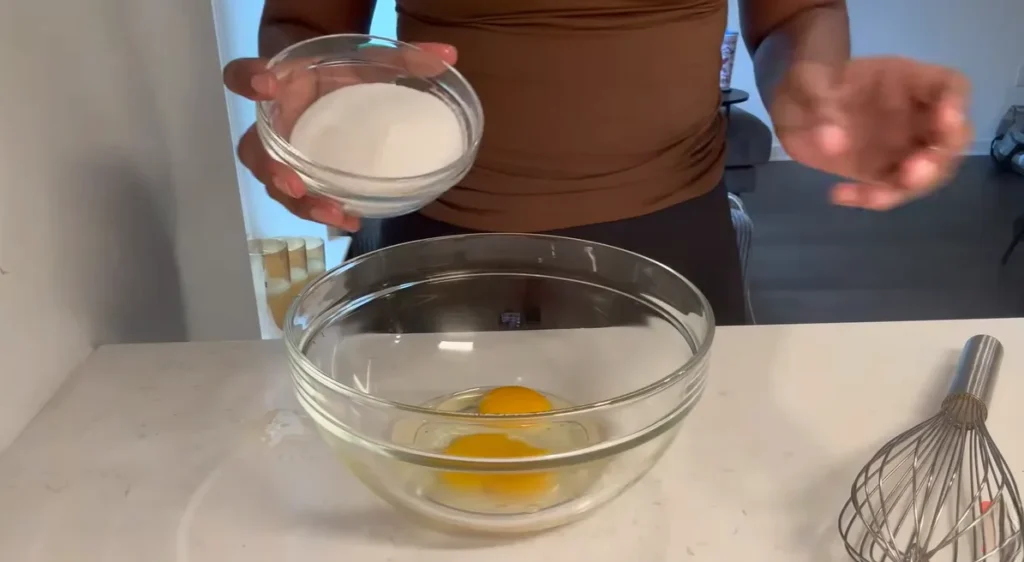
The wet ingredients are what make this cornbread flavorful, moist, and tender. A combination of butter and vegetable oil adds both richness and moisture, while sugar and honey create a balanced sweetness.
The recipe uses:
- 1/2 cup butter
- 1/4 cup vegetable oil
- 1 cup granulated sugar
- 1/3 cup honey
- 1 and 1/4 cups buttermilk
- 2 large eggs
- 1 egg yolk
- 1 teaspoon vanilla extract
Buttermilk adds a slight tangy flavor and helps create a softer crumb. If regular buttermilk is unavailable, homemade buttermilk can be prepared by adding white vinegar or lemon juice to milk and allowing it to rest before use.
For homemade buttermilk, add 4 teaspoons of white vinegar or lemon juice to a measuring cup, then add enough milk to reach the 1¼-cup mark. Stir and let it sit for 5 minutes before mixing the batter.
Ingredient Notes
The combination of butter and oil is what helps this cornbread stay moist while still providing a rich buttery flavor. Butter adds depth, while oil helps maintain a soft texture even after cooling.
Honey enhances the natural corn flavor and adds sweetness without overpowering the savory side of the recipe. Fresh baking powder, accurate measurements, and properly mixed batter all help create consistent results with every batch.
Flavor Additions and Variations
This cornbread recipe is easy to customize depending on the flavor and texture you prefer. Simple ingredient swaps can create a richer, lighter, sweeter, or more savory version while keeping the same soft and tender texture.
Rich and Moist Cornbread Variation
For a richer cornbread with a softer crumb, replace the buttermilk with 1 cup heavy cream. This creates a more indulgent texture and adds extra richness to the flavor.
You can also use whole milk, 2% milk, or other milk options depending on what you have available. Keep in mind that different dairy choices may slightly change the texture and richness of the final cornbread.
Oil and Butter Variation
The combination of butter and oil helps create the best balance of flavor and moisture.
If preferred, you can replace:
- 1/2 cup butter with 1/4 cup vegetable oil for a softer texture.
- Vegetable oil with canola oil or another neutral-flavored oil.
Butter provides a rich, buttery taste, while oil helps keep the cornbread moist for longer.
Less Sweet Cornbread Variation
If you prefer a more traditional or less sweet cornbread, reduce the sweetness by using:
- 1/4 cup white sugar instead of 1 cup granulated sugar.
This creates a more savory-style cornbread while still maintaining a tender texture.
Cheddar Jalapeno Cornbread
For a savory variation, add:
- 1 cup shredded cheddar cheese
- Chopped jalapenos or green chilies
The cheese adds richness, while jalapenos provide a mild spicy flavor that pairs well with chili, soups, and barbecue dishes.
Honey Butter Cornbread
For extra sweetness, serve warm slices with homemade honey butter.
A drizzle of honey on top adds a finishing touch and enhances the natural sweetness from the honey already used in the batter.
How To Cook
Preparing the Batter and Pan
A good cornbread starts with balancing moisture, flavor, and texture. The combination of butter and oil helps keep the bread soft, while butter adds a rich homemade flavor. Buttermilk adds a slight tang and works together with honey to create the signature taste of this recipe.
Before mixing the batter, prepare the dry ingredients separately from the wet ingredients.
In a small mixing bowl, combine:
- 1 cup all-purpose flour
- 3/4 cup yellow cornmeal
- 1/2 teaspoon kosher salt
- 2 teaspoons baking powder
Mixing the dry ingredients first helps distribute the baking powder and seasoning evenly throughout the batter.
A few small lumps are completely fine when mixing the batter. Avoid overworking the mixture because too much stirring can create a tougher texture.
Preparing the Cast Iron Skillet
For the best crust, preheat the oven with a cast iron skillet inside.
A hot skillet helps create crispy golden edges while keeping the center soft and moist. This traditional method gives the cornbread a classic homemade texture.
If you do not have a cast iron skillet, you can also bake this recipe in an 8×8-inch or 9×9-inch square pan.
Mixing and Baking the Cornbread
Start by preparing the wet mixture.
Melt the butter and combine it with vegetable oil, granulated sugar, and honey. Add the eggs, egg yolk, vanilla extract, and buttermilk, then whisk until everything is well combined.
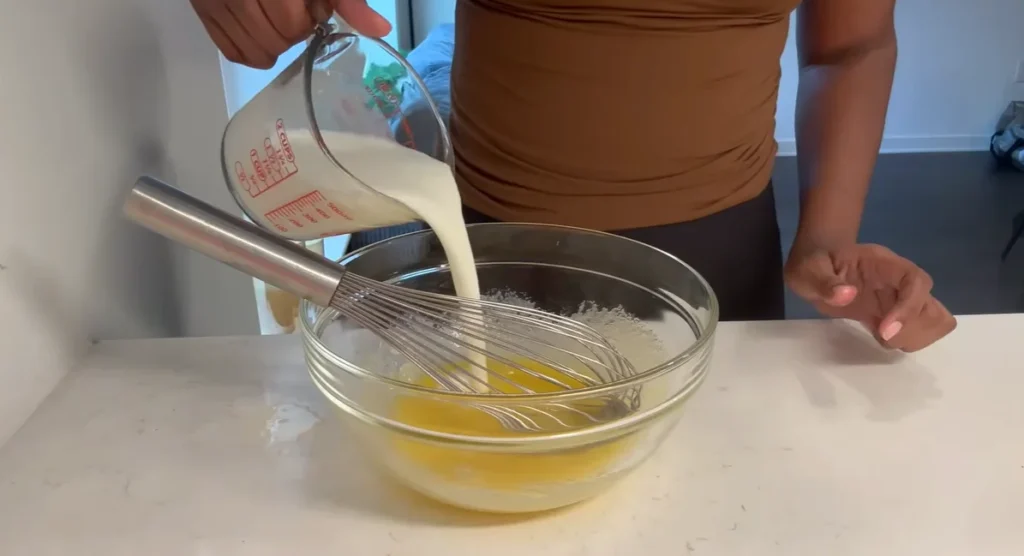
Slowly add the wet ingredients to the dry mixture. Stir gently with a wooden spoon or spatula until the batter comes together.
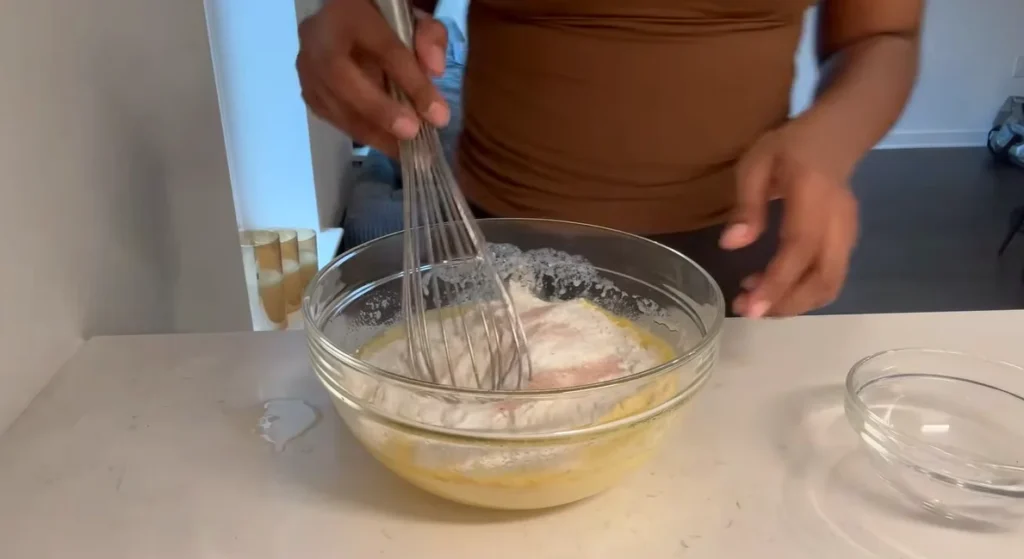
Avoid mixing too much because overmixing can affect the soft, tender texture of the finished cornbread.
Baking the Cornbread
Carefully remove the hot skillet from the oven and grease the bottom and sides with butter.
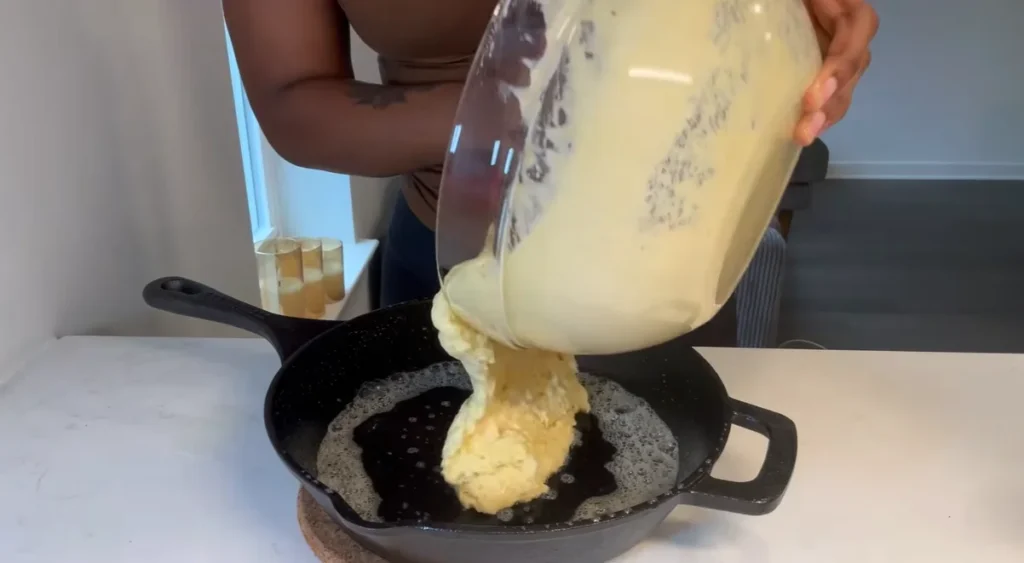
Pour the batter into the hot pan, smooth the surface, and carefully return it to the oven using oven mitts or hot pads.
Bake until the top is golden brown and the edges begin pulling away from the pan.
To check if it is done, insert a toothpick into the center. It should come out clean or with a few moist crumbs.
If the center still feels wobbly when you gently shake the skillet, continue baking for a few more minutes.
Avoid overbaking because too much baking time can remove the moisture that keeps the cornbread soft and flavorful.
Cooling and Serving
Allow the cornbread to cool for a few minutes before slicing.
Serving it warm with butter, honey, or homemade honey butter enhances the flavor and keeps the texture soft.
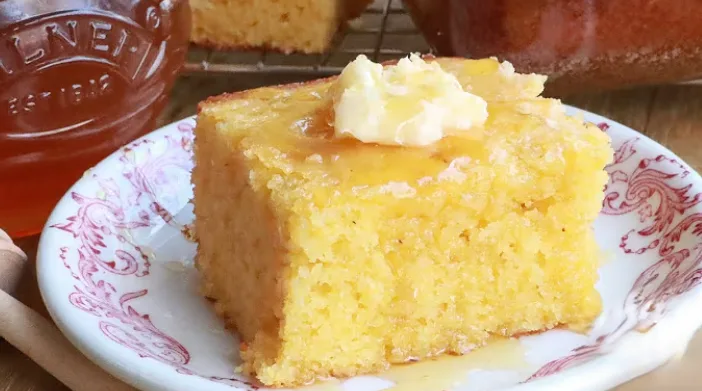
This cornbread pairs perfectly with:
- Chili
- Soups
- Stews
- Barbecue meals
- Holiday dinners
Removing The Cornbread
To remove cornbread easily, prepare the pan with parchment paper and leave an overhang on two sides.
This makes lifting the cornbread easier without breaking the slices.
If needed, loosen the edges with a thin spatula or knife, then use a wide flat spatula to lift each piece carefully.
For larger pieces, support the cornbread underneath while transferring it to a plate.
For another baking option, this cornbread can also be baked in a 9×9-inch baking pan at 400°F (200°C).
Follow the same ingredient measurements and mixing method, then bake until a toothpick inserted into the center comes out clean.
Storage
To keep this cornbread recipe tasting fresh, allow it to cool completely before storing. Proper storage helps maintain its soft texture, rich flavor, and moist crumb.
Place the cooled cornbread in an airtight container or wrap it tightly with plastic wrap. If storing individual slices, place parchment paper between the pieces and add a paper towel inside the container to help absorb extra moisture.
Cornbread can be stored:
- At room temperature for up to 2 days
- In the refrigerator for up to 1 week
- In the freezer for up to 3 months
For the best texture, avoid leaving the cornbread uncovered because it can dry out quickly.
How To Reheat Cornbread
When you are ready to enjoy leftover cornbread, thaw frozen pieces at room temperature or in the refrigerator before reheating.
For the best results, place slices in a 350°F (175°C) oven for 5–10 minutes, or until warmed through.
If you need a quicker option, microwave individual slices for 20–30 seconds.
Adding a small amount of butter or honey butter before serving can help restore moisture and bring back the fresh-baked flavor.
Tips and Tricks
Use a Hot Skillet for Crispy Edges
A cast iron skillet is one of the best choices for this recipe because it retains heat well and helps create crispy golden edges while keeping the center soft and tender.
Preheating the skillet before adding the batter gives the cornbread its classic crust and improves the overall texture.
If you do not have a cast iron skillet, you can also use an 8×8-inch, 9×9-inch, or 9×13-inch baking pan. The shape and texture may vary slightly depending on the pan you choose.
Do Not Overmix the Batter
Mix the batter gently until the ingredients are just combined.
A few small lumps are completely normal and help create a softer texture. Overmixing can develop too much gluten from the flour, resulting in cornbread that is dense instead of tender.
Measure Flour Correctly
Too much flour can make cornbread dry and heavy.
Use the spoon-and-level method by lightly spooning flour into the measuring cup and leveling the top with a knife. This helps create more accurate results.
Avoid Overbaking
Overbaking is one of the easiest ways to lose moisture.
The top should be golden brown, the edges should begin pulling away from the pan, and a toothpick inserted into the center should come out clean or with a few moist crumbs.
The internal temperature should be close to 200°F when fully baked.
Let the Cornbread Rest Before Slicing
Allow the cornbread to cool for at least 15 minutes before slicing.
This short resting time helps the crumb set, making it easier to remove clean slices without breaking.
Notes
Small baking details can make a big difference when making this cornbread recipe.
If using an 8×8-inch or 9×9-inch square pan, follow the same ingredient measurements and baking method, but keep an eye on the baking time because it may vary slightly depending on your pan and oven.
Always preheat the oven before baking and lightly prepare the pan to prevent sticking. After baking, let each piece rest for a few minutes so it slices neatly and keeps its soft texture.
Flavor Mix-Ins
You can easily personalize homemade cornbread by adding your favorite mix-ins.
Popular options include:
- 1 cup shredded cheddar cheese
- Medium cheddar
- Sharp cheddar
- Parmesan
- Pepper Jack
- Pickled jalapenos
- Canned chopped green chilies
- Diced red peppers
- Cooked bacon or crispy bacon
For a sweeter finish, drizzle honey over the top and serve each slice with homemade honey butter.
These additions allow you to create different versions of the same base recipe while keeping the soft, moist texture.
Nutritional Value
The nutritional values below are estimates for one serving of cornbread and may vary depending on the ingredients, brands, and preparation methods used.
Based on a recipe that makes 8 servings, one serving contains approximately:
- Calories: 366 kcal
- Carbohydrates: 45 g
- Protein: 5 g
- Total Fat: 18 g
- Saturated Fat: 8 g
- Polyunsaturated Fat: 4 g
- Trans Fat: 0.4 g
- Cholesterol: 75 mg
- Sodium: 157 mg
- Potassium: 100 mg
- Fiber: 1 g
- Sugar: 23 g
- Vitamin A: 387 IU
- Vitamin C: 0.1 mg
- Calcium: 99 mg
- Iron: 1 mg
These values are estimates and may change depending on ingredient brands, substitutions, and serving size. Use them as a general guide rather than an exact measurement.
FAQ
What is Southern cornbread?
Southern cornbread is a traditional type of cornbread that is known for being not sweet. A classic recipe usually contains only 2 teaspoons of sugar for the whole pan. It is baked in a preheated skillet coated with hot bacon grease, creating super crispy edges while staying thin, about 1 inch tall. This style is popular across the South because of its crisp crust and rich corn flavor.
The first time I made it at my house, my friend Jen took one bite and quickly moved it from her mouth to the garbage, right beside a few Reese’s wrappers. She thought it was dry, almost dry as a bone, while others absolutely love this traditional style. If you feel something is missing, adding a little butter before serving may suit your taste better.
What is Northern Corn Bread?
Northern cornbread has a softer, slightly sweeter texture than traditional cornbread. A Northern recipe, including versions from Cook’s Illustrated, often uses 4 teaspoons of sugar for the whole pan. It is baked in a normal 8×8 inch pan, as opposed to a skillet, which helps it bake taller and fluffier with fewer crispy edges.
In my opinion, this version is a better choice if you enjoy a softer texture. Some people still find it dry or bland, but many home bakers prefer its light crumb.
What type of cornmeal is recommended for sweet cornbread?
The best type of cornmeal depends on the result you want. White cornmeal is often used for Southern, less sweet recipes, while yellow cornmeal is commonly recommended for sweet cornbread in many Northern and sweeter varieties.
There is no single right answer. Every category of baker has a favorite, and some people even argue until they are breathless. Personally, I enjoy using yellow cornmeal because it gives this recipe a balanced flavor and a beautiful golden color.
Should cornbread be refrigerated?
Fresh cornbread can be stored at room temperature for a couple of days, but it will last longer if refrigerated in the fridge. It may dry out slightly, although it should remain fresh for about one week.
If you make it in advance, let it cool completely before you store it in an airtight container. Before serving, warm it in the oven and lightly brush the top with melted butter to help keep it moist.
What makes cornbread moist?
Several ingredients help create homemade cornbread with a super moist texture. The key ingredient is buttermilk, whose acidity produces a soft, tender texture. If you do not have buttermilk, cheater buttermilk made with milk and vinegar gives a very similar effect.
Another secret ingredient is oil. Since it is 100% fat, it helps lock in moisture better than using regular milk alone. Together, these ingredients add incredible moistness and help every slice stay moist.
How to know when cornbread is done?
To check if the cornbread is done, insert a toothpick into the center. If it comes out without wet batter, gently shake the skillet. If the center still feels wobbly, bake it for a couple more minutes.
The top should be golden brown, the edges should pull away from the pan, and the internal temperature should be close to 200 degrees.
How do I know when cornbread is done baking?
When it is done baking, the top should have a light golden color. A toothpick inserted into the center should come out clean or with a few crumbs instead of wet batter.
Watch carefully near the end of baking and do not overbake cornbread, because extra baking time can quickly dry it out.
Can I make this cornbread in a cast-iron skillet?
Absolutely! A cast-iron skillet is one of the best choices for this recipe. A helpful tip is to preheat the skillet in the oven, add a small amount of butter, and then begin pouring the cornbread batter into the hot pan.
This simple step creates a crispy, golden crust while keeping the inside tender and moist, making it one of the easiest ways to improve homemade cornbread.