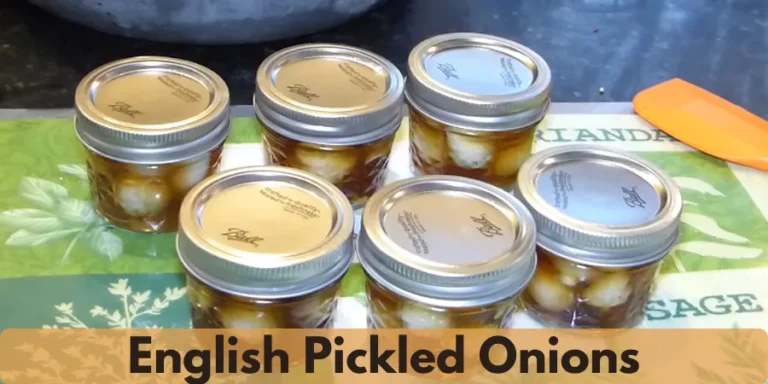
Making refrigerator pickles at home is one of the easiest ways to enjoy fresh, crisp pickles without traditional canning. Instead of using a water bath or special equipment, fresh cucumbers are soaked in a simple vinegar brine and stored in the refrigerator.
These homemade pickles develop a tangy, slightly sweet flavor while staying crunchy. The quick refrigerator method saves time and creates a fresher taste compared to many store-bought pickles.
Also known as icebox pickles or no-cook refrigerator pickles, this recipe uses everyday ingredients like cucumbers, vinegar, salt, sugar, garlic, dill, and celery seed. The same brine can also be used for vegetables like green beans, carrots, cauliflower, and peppers.
Refrigerator Pickles-The Short Answer
One of the best parts of this recipe is that the flavor continues to improve as the pickles rest. They are ready after 24 hours, but the taste becomes even better after 2 to 3 days when the cucumbers absorb more of the brine.
Serve these refrigerator pickles straight from the jar or enjoy them with burgers, sandwiches, wraps, grilled meals, and everyday snacks. They are simple to prepare and easy to customize with your favorite flavors.
Why You’ll Love These Refrigerator Pickles
These refrigerator pickles are quick to prepare and require no special canning equipment. A simple vinegar brine transforms fresh cucumbers into crisp, flavorful pickles you can enjoy at home.
The recipe uses basic pantry ingredients like vinegar, salt, sugar, garlic, and dill to create a classic homemade pickle flavor. You can also adjust the seasonings to make them spicy, garlicky, or slightly sweet.
Unlike traditional canned pickles, this refrigerator method keeps the process simple. Just prepare the brine, combine it with the cucumbers, and let the flavors develop in the refrigerator.
They are perfect for adding crunch and tangy flavor to sandwiches, burgers, barbecue meals, salads, and snack plates.
How to Make Refrigerator Pickles
Making refrigerator pickles is simple and requires only a few basic ingredients. Start by washing the cucumbers thoroughly to remove any dirt, then slice them into your preferred shape, such as rounds, spears, or slices.
For the best texture, use fresh, firm cucumbers because they stay crisp longer. If adding vegetables like onions, green beans, carrots, or cauliflower, prepare them at the same time so everything is ready before making the brine.
Prepare the Brine
Combine vinegar, water if using, sugar, and salt in a bowl or saucepan. Heat the mixture gently until the sugar and salt dissolve completely, then allow the brine to cool to room temperature.
Add garlic, dill, celery seed, mustard seeds, peppercorns, or other seasonings you prefer. Pour the cooled brine over the prepared vegetables, making sure everything is fully covered.
Pack and Refrigerate
Place the cucumbers and seasonings into a clean glass jar or another non-reactive container. Pour in the brine until the vegetables are fully submerged, then seal the container tightly.
Refrigerate the pickles for at least 24 hours before serving. The flavor becomes stronger after 2 to 3 days as the cucumbers absorb more of the brine.
Always keep the jar refrigerated and use a clean fork or tongs when removing pickles to help maintain freshness and crisp texture.
Ingredients
Fresh, simple ingredients are all you need to make crisp and flavorful refrigerator pickles. Using firm cucumbers and the right vinegar-to-brine ratio helps create the best texture and classic pickle flavor.
Main Ingredients
Pickling Cucumbers
Use 8 cups of pickling cucumbers, about 4–5 medium cucumbers, sliced into ¼-inch rounds or spears. Pickling cucumbers are ideal because they stay crisp longer than softer varieties.
Choose cucumbers that are firm, fresh, and free from soft spots. Even slices help the pickles absorb the brine evenly.
White Vinegar
Use 2 cups of white vinegar for a classic pickle flavor. White vinegar provides the familiar tangy taste that works well with garlic, dill, and spices.
For a slightly milder flavor, you can replace some or all of the white vinegar with apple cider vinegar.
Water
Use 2 cups of water if you prefer a milder vinegar flavor. For a sharper pickle taste, you can use all vinegar instead.
Adjusting the vinegar-to-water ratio allows you to control how strong and tangy the final pickles taste.
Salt and Sugar
Use 2 tablespoons of pickling salt or kosher salt and ⅓ cup granulated sugar. Salt helps season the pickles, while sugar balances the acidity of the vinegar without making them overly sweet.
Pickling salt or kosher salt is preferred because it dissolves easily and helps keep the brine clear.
Garlic, Dill, and Spices
Add 5–6 garlic cloves, ¼ cup fresh dill or 8–10 dill sprigs, mustard seeds, black peppercorns, and celery seed for classic homemade pickle flavor.
These seasonings create a balanced combination of savory, fresh, and slightly spicy notes that make refrigerator pickles taste like traditional homemade pickles.
Optional Flavor Additions
One of the best things about homemade refrigerator pickles is how easy they are to customize. A few extra spices or vegetables can completely change the flavor while using the same simple vinegar brine.
Spicy Refrigerator Pickles
Add 1 teaspoon red pepper flakes, 1 sliced jalapeño, or a small amount of cayenne pepper for extra heat.
The spicy flavor becomes stronger as the pickles rest in the refrigerator, creating a bold and flavorful version that pairs well with burgers, sandwiches, and grilled foods.
Bread and Butter Pickles
For a sweeter version, increase the sugar to ¾ cup and reduce the salt to 1 teaspoon. Add turmeric, mustard seeds, and sliced sweet onions for a classic bread and butter pickle flavor.
This variation creates sweet, tangy pickles with a golden color and a slightly richer taste.
Garlic Refrigerator Pickles
If you love a stronger savory flavor, increase the garlic and fresh dill. Extra garlic adds a bold homemade taste while keeping the pickles fresh and crunchy.
This simple variation is perfect for garlic lovers who enjoy a stronger pickle flavor.
Mixed Vegetable Pickles
The same refrigerator pickle brine works well with vegetables beyond cucumbers. Try adding cauliflower, carrots, green beans, bell peppers, or sliced onions.
These vegetables absorb the tangy brine while adding extra color, crunch, and variety to each jar.
Vinegar Options
White vinegar creates the classic pickle flavor with a sharp and traditional tang. It is the most common choice for homemade refrigerator pickles.
Apple cider vinegar gives a slightly milder and sweeter flavor with a subtle fruity taste. You can also combine white vinegar and apple cider vinegar to create a more balanced brine.
Choosing the vinegar depends on your preferred flavor. A stronger vinegar taste works well for classic dill pickles, while apple cider vinegar creates a softer, slightly sweeter result.
Notes
These simple tips help create crisp, flavorful refrigerator pickles while avoiding common mistakes.
Choose the Right Cucumbers
Use fresh, firm pickling cucumbers for the best crunch. Pickling cucumbers stay crisp longer than many regular garden or English cucumbers.
Wash all vegetables thoroughly before slicing, and cut the cucumbers evenly so they absorb the brine at the same rate.
Use the Right Salt
Pickling salt or kosher salt works best because it dissolves easily and helps maintain a clear brine. Avoid iodized salt because it can affect the appearance of the pickles and make the liquid cloudy.
Cool the Brine Before Adding
Heat the brine only until the sugar and salt dissolve completely. Allowing it to cool before pouring over the vegetables helps maintain a crisp texture.
Hot brine can soften cucumbers, so letting it reach room temperature creates better results.
Store Properly
Always use a clean glass jar or another non-reactive container. Keep the vegetables completely submerged in the brine and seal the container tightly before refrigerating.
Refrigerate the pickles for at least 24 hours before serving. The flavor continues to improve after 2–3 days as the cucumbers absorb more of the seasoning.
Serving Suggestions
Refrigerator pickles are a simple way to add crunchy, tangy flavor to everyday meals. Their fresh texture makes them a great addition to sandwiches, burgers, wraps, and grilled dishes.
Serve them alongside barbecue meals, pulled pork sandwiches, grilled chicken, or picnic favorites for a refreshing contrast to richer foods.
They also work well on snack boards with cheese, crackers, vegetables, and dips. The bright vinegar flavor helps balance creamy or savory foods.
For a quick snack, enjoy them straight from the jar whenever you want something crisp, tangy, and refreshing.
Storage Tips
Keep refrigerator pickles stored in the refrigerator at all times because they are not shelf-stable canned pickles. Always use a clean fork or tongs when removing pickles from the jar to help maintain freshness.
For the best flavor and texture, enjoy them within 2–3 weeks. The cucumbers may continue absorbing flavor over time, but their crisp texture can gradually soften.
The pickle brine can be reused for one additional batch only if it remains clear, smells fresh, and shows no signs of spoilage. Discard the pickles if you notice mold, an off smell, sliminess, or unusual discoloration.
Nutrition
The nutritional values of refrigerator pickles can vary depending on the ingredients, serving size, and the amount of sugar and salt used in the brine. Since this is a homemade recipe, you can easily adjust the sweetness and seasoning based on your preference.
Estimated Nutrition (Per Serving – about ⅓ cup):
- Calories: 20 kcal
- Carbohydrates: 4g
- Protein: 0.5g
- Total Fat: 0.2g
- Saturated Fat: 0g
- Fiber: 1g
- Sugar: 2g
- Sodium: 900mg
- Potassium: 75mg
These values are estimates and may change depending on the type of cucumbers, vinegar, salt, sugar, and optional ingredients used.
Homemade refrigerator pickles allow you to control the ingredients, making it easy to adjust the flavor by reducing sugar, changing spices, or using different vegetables.
Frequently Asked Questions
How long do refrigerator pickles take to be ready?
Refrigerator pickles are ready to eat after about 24 hours, but the flavor improves after 2 to 3 days. During this time, the cucumbers absorb more of the vinegar brine and develop a stronger tangy flavor.
How long do refrigerator pickles last?
When stored in a clean, airtight container and kept refrigerated, refrigerator pickles have the best flavor and texture for about 2 to 3 weeks.
Always keep the jar chilled and use clean utensils when removing pickles to help maintain freshness.
Do refrigerator pickles need to be canned?
No. Refrigerator pickles do not require traditional canning methods, a water bath, or pressure canner.
They are stored in the refrigerator because they are not shelf-stable like canned pickles.
Can I reuse the pickle brine?
Yes, you can reuse the brine for one additional batch if it remains clear, smells fresh, and shows no signs of spoilage.
For the best flavor and quality, prepare a fresh brine after reusing it once.
Why are my refrigerator pickles soft?
Soft pickles are usually caused by using older cucumbers, storing them too long, or using cucumbers that do not stay crisp well.
For the best texture, choose fresh, firm pickling cucumbers and keep the pickles properly refrigerated.
Can I use vegetables other than cucumbers?
Yes. This brine also works well with vegetables like green beans, carrots, cauliflower, onions, and bell peppers.
Firmer vegetables may benefit from a quick blanch before pickling so they absorb the flavors while keeping a good texture.
Can I reduce the sugar in refrigerator pickles?
Yes. You can adjust the amount of sugar according to your taste.
Keep in mind that sugar helps balance the sharpness of vinegar and contributes to the overall flavor of the pickles.
How do I know if refrigerator pickles have gone bad?
Discard the pickles if you notice mold, an unpleasant smell, sliminess, unusual discoloration, or any other signs of spoilage.
When in doubt, it is safest to throw them away and prepare a fresh batch.
Final Thoughts
Refrigerator pickles are one of the easiest homemade recipes to make when you want fresh, crunchy pickles without the extra work of traditional canning.
With simple ingredients like cucumbers, vinegar, garlic, dill, and spices, you can create a flavorful batch that is easy to customize with your favorite flavors.
Whether you prefer classic dill pickles, spicy versions, bread and butter pickles, or mixed vegetables, this refrigerator method makes it simple to enjoy homemade pickles anytime.
Keep a jar ready in the fridge for sandwiches, burgers, grilled meals, or a quick snack whenever you want a crisp and tangy bite.