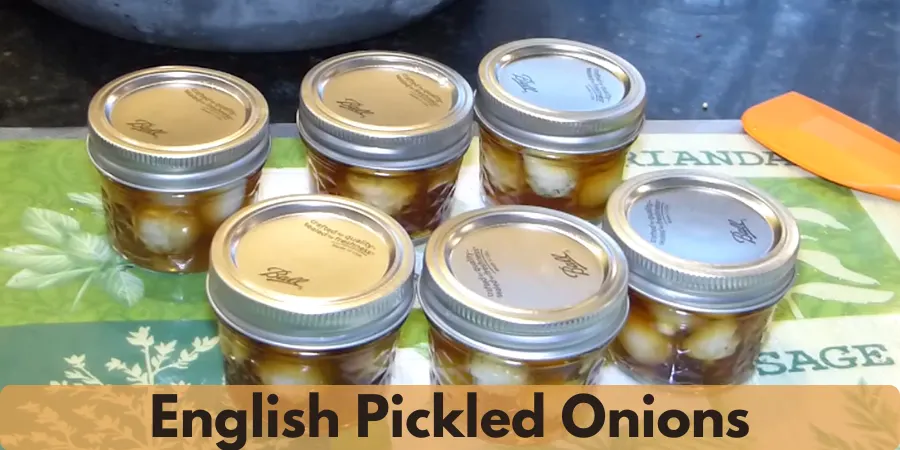
English pickled onions are a classic British pub favorite made with small pearl or pickling onions, rich malt vinegar, and traditional pickling spices. Dry salting helps the onions maintain a firm texture, while the cooled spiced brine gives them their distinctive sharp and tangy flavor.
Although the preparation is simple, these onions need time to develop their best flavor. Keep them refrigerated and allow them to mature for at least 4 weeks. For a deeper and more balanced malt vinegar taste, wait about 6 weeks before opening the jar.
Serve these crisp pickled onions with mature cheddar cheese, cold ham, crusty bread, pork pies, or a traditional Ploughman’s lunch. They also add bold flavor to sandwiches, burgers, salads, and savory snack boards.
English Pickled Onions — The Short Answer
What Are English Pickled Onions?
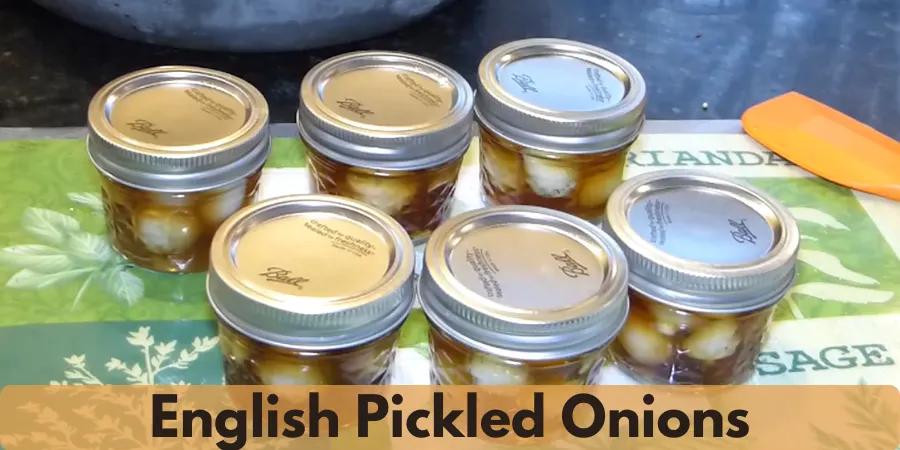
English pickled onions are small whole onions preserved in seasoned malt vinegar. They are known for their firm texture, sharp tangy flavor, dark color, and traditional British pub-style character.
Unlike quick-pickled onions, which may be ready within hours or days, English pickled onions are usually left to mature for several weeks. This resting time allows the whole onions to gradually absorb the malt vinegar and aromatic spices.
Traditional versions are often served as a pub snack or as part of a Ploughman’s lunch with mature cheddar cheese, cold ham, crusty bread, pickle relish, and fresh vegetables.
The onions can also be served with pork pies, sandwiches, burgers, baked potatoes, potato salad, or pasta salad. Enjoy them whole, slice them into salads, or finely chop them to make a tangy relish.
Why This Recipe Works
- Small whole onions: Pearl or pickling onions retain their shape and develop a satisfying texture after several weeks in the brine.
- Dry-salting method: Coating the onions with salt helps draw out excess moisture before pickling.
- Traditional malt vinegar: Malt vinegar gives the onions their distinctive British-style flavor and characteristic dark color.
- Cooled pickling brine: Allowing the vinegar mixture to cool before pouring it over the onions helps prevent unnecessary softening.
- Balanced sweetness: Granulated sugar and a small amount of honey soften the sharp acidity without making the onions overly sweet.
- Aromatic pickling spices: Coriander seeds, mustard seeds, black peppercorns, bay leaves, allspice, cloves, and ginger add warmth and depth.
- Optional mild heat: A dried chile pepper adds a gentle spicy note without overpowering the malt vinegar flavor.
- Simple preparation: Most of the time is inactive while the onions salt overnight and mature in the refrigerator.
Why Malt Vinegar Works Best
Malt vinegar is the traditional choice for English pickled onions because it creates a rich, distinctive flavor that pairs well with small whole onions.
Made from malted barley, it has earthy, toasted, and lightly caramel-like notes. Its deeper flavor gives the finished onions the familiar character associated with classic British pub-style pickles.
Malt vinegar also gives the onions and brine their characteristic dark color. White vinegar creates a lighter and sharper result, while apple cider vinegar adds a fruitier flavor.
For consistent acidity, use quality malt vinegar labeled with at least 5% acidity. Avoid reducing the amount of vinegar or increasing the water content because this recipe relies on the vinegar for its intended acidity and flavor.
Because malt vinegar is made from barley, it may not be suitable for people who need to avoid gluten. Check the product label and choose an appropriate alternative if necessary.
How Sweet Should Pickled Onions Be?
Traditional English pickled onions should remain tangy and vinegar-forward rather than tasting like sweet pickles.
In this recipe, granulated sugar softens the sharpness of the malt vinegar, while a small amount of honey adds subtle depth. The sweetness balances the brine without hiding its rich malt flavor.
If you prefer sharper pickled onions, use the recipe amounts as written and allow the onions enough time to mature. The flavor generally becomes more balanced as the onions rest in the refrigerator.
For a sweeter brine, add 1–2 additional tablespoons of granulated sugar. Keep the amount of malt vinegar unchanged so the original vinegar balance is maintained.
Why Salt Onions Before Pickling?
Dry salting helps draw excess moisture from the onions before they are covered with the malt vinegar brine. This traditional preparation also helps season the onions and supports a firm final texture.
Place the peeled onions in a large bowl, sprinkle the salt evenly over them, and toss gently until they are lightly coated.
Leave the salted onions for approximately 12 hours or overnight. Avoid leaving them in salt much longer than recommended because extended salting may make them overly salty and can affect their final texture.
The next day, rinse the onions thoroughly under cold water to remove excess surface salt. Drain them well and gently pat them dry before packing them into clean jars.
Use dry salt rather than soaking the onions in salt water. This keeps the preparation simple and avoids adding unnecessary water before the malt vinegar brine is added.
Ingredients Needed
For this English pickled onion recipe, you will need:
Onions and Salt
- 2 pounds (900g) fresh, firm pearl onions or small pickling onions
- 1½ tablespoons kosher salt, sea salt, or pickling salt
Malt Vinegar Brine
- 3 cups (720ml) quality malt vinegar with at least 5% acidity
- ⅓ cup (65g) granulated sugar
- 1 tablespoon honey
Pickling Spices
- 1 teaspoon whole coriander seeds
- 1 teaspoon mustard seeds
- ½ teaspoon whole black peppercorns
- ¼ teaspoon ground ginger
- 2 bay leaves
- 2 whole allspice berries
- 2 whole cloves
- 1 dried chile pepper, lightly crumbled, optional
Ingredient Notes
Pearl or Pickling Onions
Choose fresh, firm pearl or small pickling onions that are similar in size. Evenly sized onions will mature at a more consistent rate and fit more easily into the jars.
Avoid onions that feel soft, have damaged areas, or are beginning to sprout.
Keep the onions whole rather than cutting them into pieces. When trimming, remove only a small amount from the root end because leaving most of the root intact helps hold the onion layers together.
Salt
Kosher salt, sea salt, or pickling salt can be used for dry salting.
Avoid heavily iodized salt when possible because it may affect the appearance or flavor of the brine. The amount may vary slightly by salt type and crystal size, so use the listed measurement as the recipe guide.
The onions are rinsed after salting, which removes excess salt before they are added to the jars.
Malt Vinegar
Use real malt vinegar with at least 5% acidity. The malt vinegar provides the main flavor and gives the onions their traditional dark appearance.
Do not dilute the vinegar with additional water. Use the full amount listed in the recipe.
Sugar and Honey
Granulated sugar balances the acidity without making the onions excessively sweet.
Honey adds a mild depth of flavor and complements the earthy notes of the malt vinegar. If you prefer not to use honey, replace it with a small amount of additional granulated sugar.
Whole Pickling Spices
Coriander seeds add a light citrus-like aroma, while mustard seeds provide traditional pickling flavor.
Black peppercorns add gentle warmth, and the bay leaves, allspice, cloves, and ground ginger create a deeper aromatic flavor as the onions mature.
Use the spices in moderate amounts so they complement rather than overpower the malt vinegar.
Dried Chile Pepper
The dried chile pepper is optional. Lightly crumble it before adding it to the brine for a mild spicy note.
Leave it out if you prefer traditional tangy pickled onions without additional heat.
How to Make English Pickled Onions
Making English pickled onions is simple, but the process requires patience. The onions are peeled, dry-salted overnight, covered with a cooled spiced malt vinegar brine, and refrigerated for several weeks to develop their traditional pub-style flavor.
Step 1: Prepare and Peel the Onions
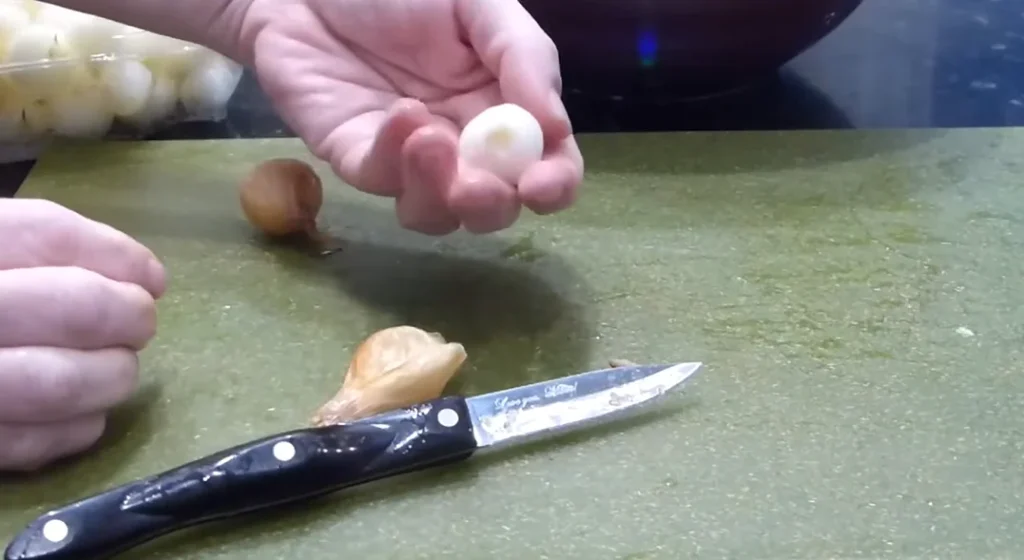
Choose fresh, firm pearl or small pickling onions that are similar in size. Avoid onions that are soft, damaged, or beginning to sprout.
Lightly trim the top and root ends with a small sharp knife. Remove only a thin portion of the root because keeping most of it intact helps hold the onion layers together during pickling.
Place the trimmed onions in a large heatproof bowl and carefully pour boiling water over them until fully covered.
Allow the onions to stand in the hot water for 1–2 minutes. Drain immediately, then rinse them under cold water to stop the heat from softening them.
Gently remove the loosened skins while keeping the onions whole. Use a small knife to remove any stubborn pieces of skin without cutting deeply into the onions.
Step 2: Salt the Onions Overnight
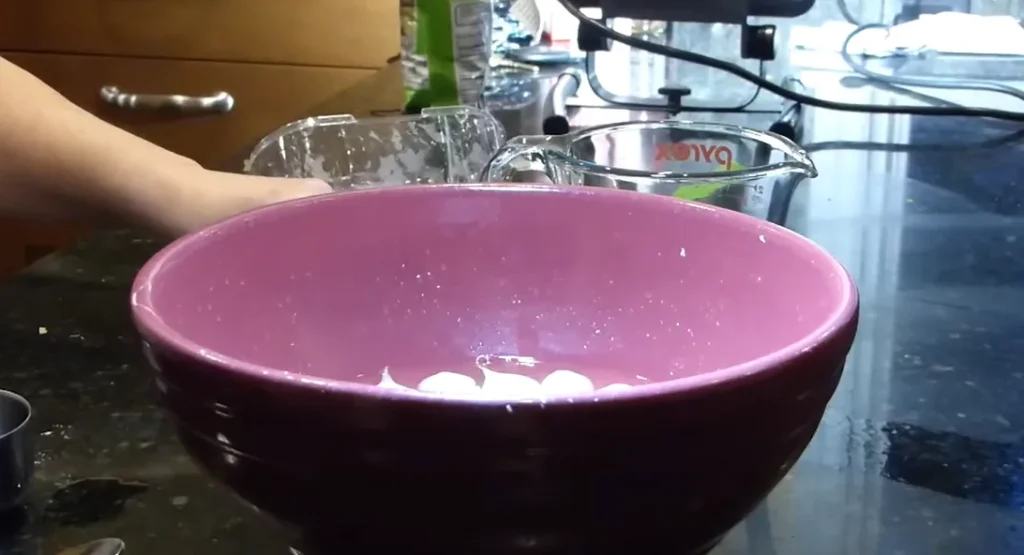
Transfer the peeled onions to a large non-reactive bowl.
Sprinkle 1½ tablespoons of salt evenly over the onions. Toss gently until each onion is lightly coated.
Cover the bowl loosely with a clean kitchen towel or plate. Leave the onions at room temperature for approximately 12 hours or overnight.
Avoid leaving the onions in the salt much longer than recommended. Extended salting may make them overly salty and can affect their final texture.
The next day, rinse the onions thoroughly under cold running water to remove the excess surface salt.
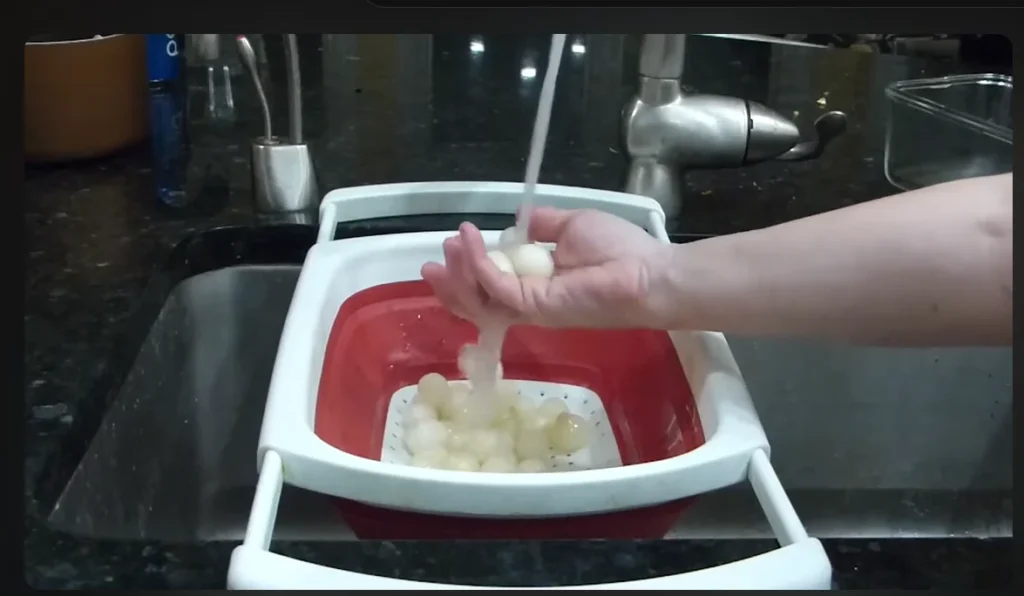
Transfer them to a colander and allow them to drain well. Gently pat the onions dry with a clean kitchen towel before placing them in the jars.
Step 3: Prepare the Malt Vinegar Brine
Before preparing the brine, gather the onions and remaining ingredients.
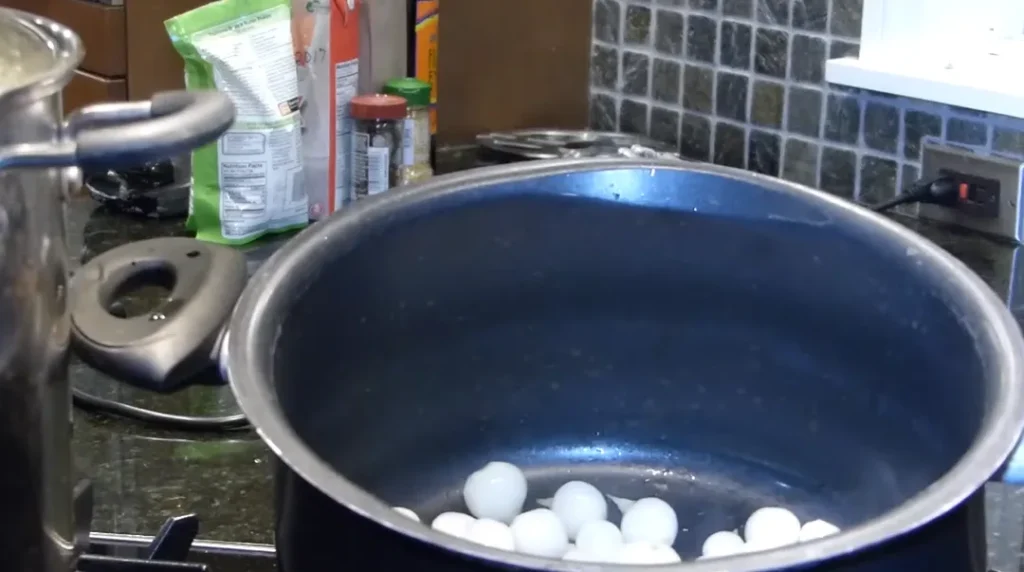
Add the following ingredients to a medium non-reactive saucepan:
- 3 cups (720ml) malt vinegar
- ⅓ cup (65g) granulated sugar
- 1 tablespoon honey
- 1 teaspoon whole coriander seeds
- 1 teaspoon mustard seeds
- ½ teaspoon whole black peppercorns
- ¼ teaspoon ground ginger
- 2 bay leaves
- 2 whole allspice berries
- 2 whole cloves
- 1 lightly crumbled dried chile pepper, optional
Place the saucepan over low-to-medium heat.
Warm the mixture gently, stirring occasionally until the sugar and honey have completely dissolved.
Do not allow the brine to boil. Gentle heating is enough to dissolve the sweeteners and help the spices release their aroma.
Remove the saucepan from the heat and allow the spices to infuse in the warm vinegar for approximately 5 minutes.
Set the brine aside until it has cooled completely to room temperature. Pouring hot brine over the onions may begin to soften them, while a cooled brine helps maintain a firmer texture.
Step 4: Prepare the Jars
Wash the glass jars and lids thoroughly with hot, soapy water. Rinse them well and keep them clean until ready to fill.
Use clean, heat-safe jars without cracks, chips, or damaged rims.
Have several jars ready because the exact number will depend on the size of the onions and how closely they fit inside.
Cleaning or sanitizing the jars does not make this refrigerator recipe safe for room-temperature storage. The finished pickled onions must remain refrigerated.
Step 5: Pack the Onions into the Jars
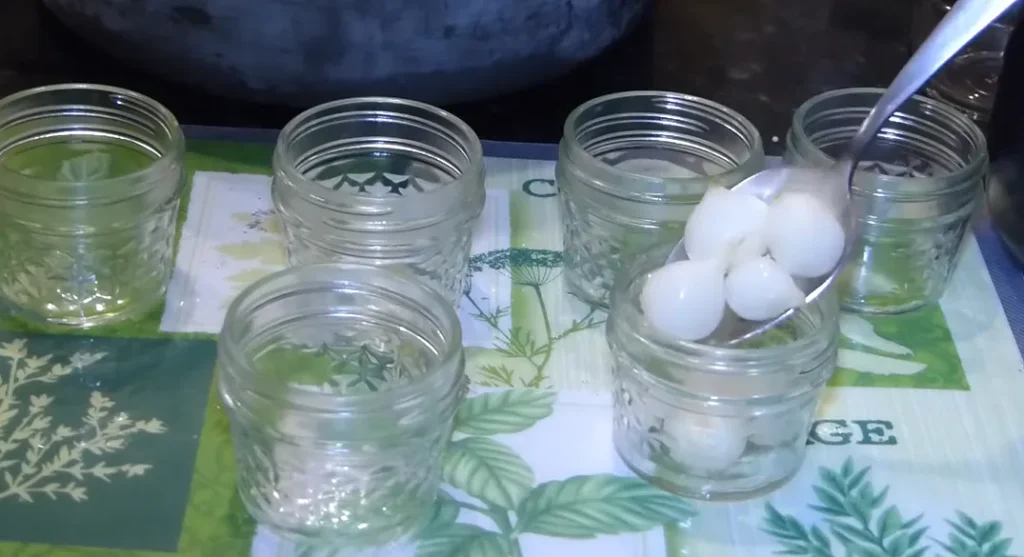
Place the prepared onions into the clean jars.
Arrange them closely but avoid crushing, forcing, or tightly compressing them. Leave enough room for the brine to move between the onions.
Divide the whole spices and bay leaves evenly among the jars.
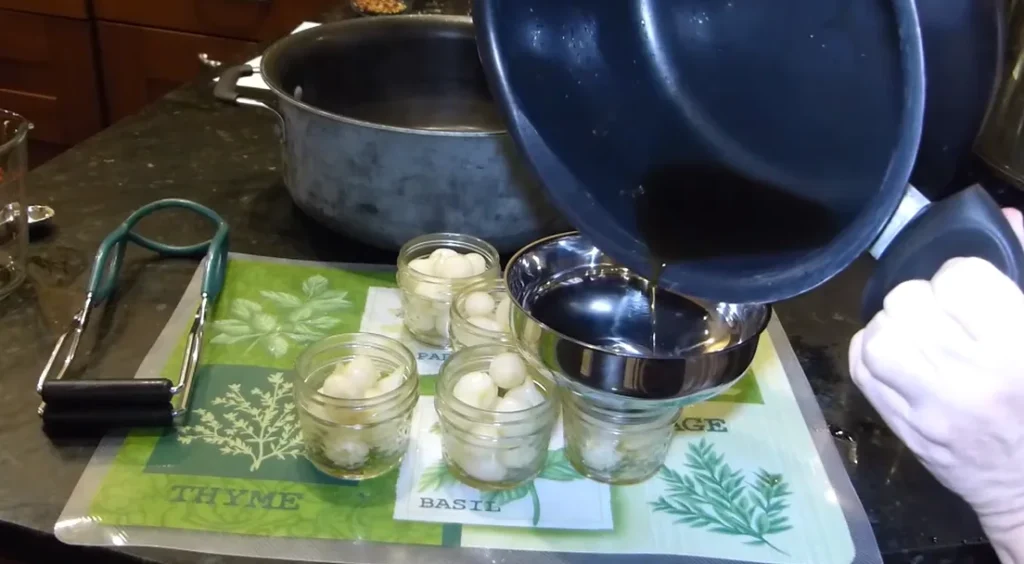
Slowly pour the completely cooled malt vinegar brine over the onions until they are fully covered.
Run a clean, non-metallic utensil around the inside edges of each jar to release trapped air bubbles.
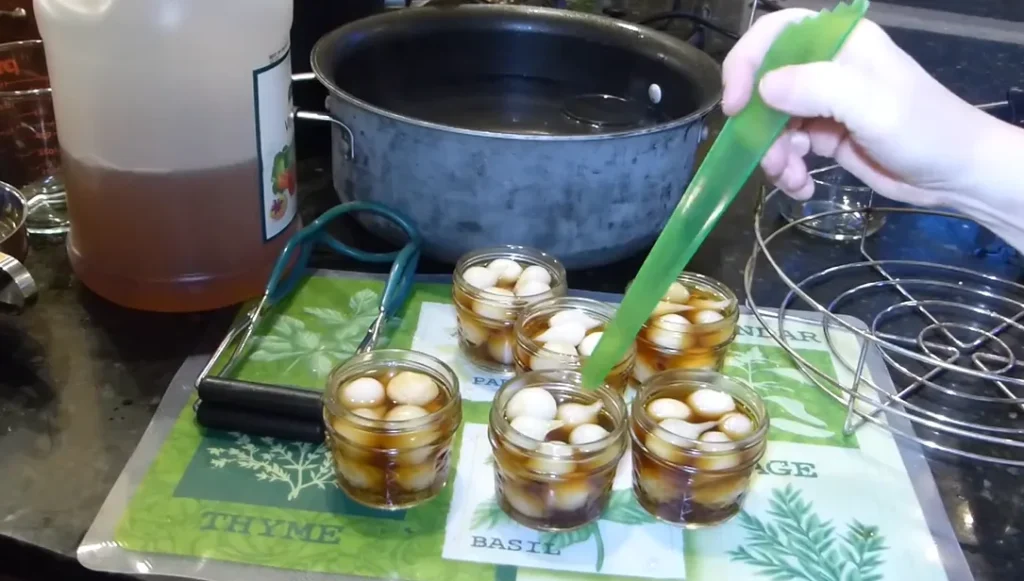
If the liquid level drops after the air bubbles are removed, add more brine until all the onions are submerged.
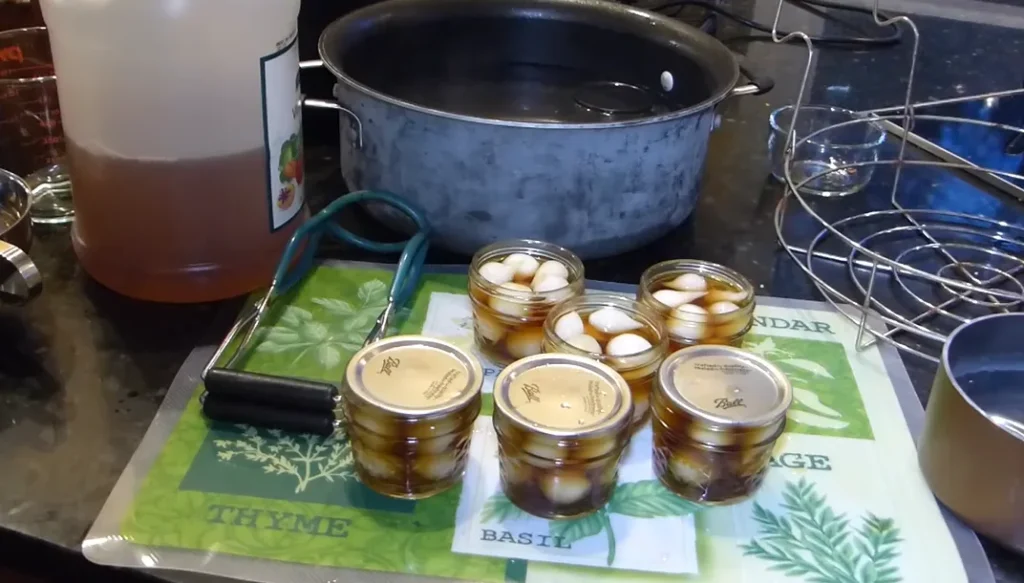
Wipe the jar rims with a clean, damp cloth. Place the lids on the jars and close them securely until hand-tight.
Step 6: Refrigerate and Allow the Onions to Mature
Place the sealed jars in the refrigerator immediately.
Allow the onions to mature for at least 4 weeks before eating. During this time, the whole onions gradually absorb the malt vinegar and aromatic pickling spices.
For a deeper and more balanced British pub-style flavor, allow the onions to mature for approximately 6 weeks.
Keep the onions fully submerged beneath the brine throughout maturation and storage.
The flavor may taste very sharp during the early stages. As the onions continue to rest, the vinegar, sweetness, and spices become more balanced.
How Long Should English Pickled Onions Mature?
English pickled onions need more time than quick-pickled sliced onions because the vinegar brine must gradually penetrate the small whole onions.
- After 1–2 weeks: The onions may still taste very sharp, and the center may not be fully flavored.
- After 4 weeks: The onions will have developed a noticeable malt vinegar flavor and can be served.
- After approximately 6 weeks: The flavor becomes deeper and more balanced as the onions absorb more of the seasoned brine.
Waiting longer does not always mean better texture. For the best balance of flavor and firmness, begin checking the onions after the recommended maturation period.
Keep the jars refrigerated during the entire maturation process.
Expert Tips
- Choose fresh, firm pearl or small pickling onions that are similar in size so they mature evenly.
- Avoid onions that feel soft, have damaged areas, or show signs of sprouting.
- Trim only a small amount from the root end. Keeping most of the root intact helps prevent the onion layers from separating.
- Soak the trimmed onions in boiling water for only 1–2 minutes to loosen the skins without cooking the onions.
- Use dry salt rather than soaking the onions in salt water.
- Salt the onions for approximately 12 hours or overnight, then rinse them thoroughly to remove excess surface salt.
- Allow the onions to drain well before packing them into jars. Excess water may unnecessarily dilute the brine.
- Use quality malt vinegar labeled with at least 5% acidity.
- Warm the vinegar gently and avoid boiling it. The sugar and honey only need enough heat to dissolve.
- Allow the malt vinegar brine to cool completely before pouring it over the onions.
- Keep the onions fully submerged throughout maturation and storage so they remain evenly pickled.
- Use clean utensils whenever removing onions from the jar.
- Wait about 6 weeks if you prefer a deeper and more developed pub-style flavor.
Common Mistakes to Avoid
Do not use soft, damaged, or sprouting onions. Fresh and firm onions provide the best final texture.
Avoid choosing onions with very different sizes. Larger onions may take longer to absorb the brine than smaller ones.
Do not remove too much of the root end while trimming. Cutting deeply into the root can cause the onion layers to separate during pickling.
Avoid leaving the onions in boiling water for too long. The brief soak is only intended to loosen the skins, not cook the onions.
Do not leave the onions coated in salt much longer than overnight. Extended salting may make them overly salty and can affect their texture.
Avoid skipping the rinsing step after dry salting. Excess salt left on the onions may make the finished brine too salty.
Do not add extra water to the malt vinegar brine. Use the vinegar amount as written and choose malt vinegar labeled with at least 5% acidity.
Avoid boiling the brine. Gentle heating is enough to dissolve the sugar and honey and release the aroma of the spices.
Do not pour hot brine directly over the onions. Allow it to cool completely to room temperature before filling the jars.
Do not leave any onions above the brine. Keep them fully submerged during maturation and refrigerator storage.
Do not expect the finished flavor after only a few days. Whole pickled onions need several weeks to absorb the seasoned malt vinegar brine.
Do not store these jars at room temperature. This is a refrigerator-pickling recipe and has not been tested for shelf-stable storage.
How to Store English Pickled Onions
Keep the sealed jars in the refrigerator throughout the maturation and storage period. This is a refrigerator-pickling recipe and should not be stored at room temperature.
Make sure the onions remain fully submerged beneath the malt vinegar brine. If some onions float, gently reposition them with a clean utensil or use a suitable food-safe weight to keep them below the liquid.
Always use clean tongs, a clean fork, or a clean spoon when removing onions from the jar. Avoid using fingers or utensils that have touched other foods because they may introduce contaminants into the brine.
For the best flavor and texture, use the refrigerated pickled onions within approximately 2–3 months. The onions may gradually soften as they continue to mature in the brine.
Discard the entire jar if you notice mold, an unusual or unpleasant smell, unexpected bubbling, a leaking lid, or other signs of spoilage. When in doubt, do not taste the onions.
Is This Recipe Safe for Water-Bath Canning?
No. This English pickled onion recipe is designed for refrigerator storage and has not been tested for shelf-stable water-bath canning.
Washing or sanitizing the jars does not make the finished onions safe for room-temperature storage. The jars must remain refrigerated during maturation and after opening.
If you want to preserve pickled onions for shelf-stable storage, follow a scientifically tested canning recipe from a trusted home-preservation source. Use the exact vinegar strength, ingredient quantities, jar size, and processing time provided in that recipe.
Do not use the refrigerator method as a substitute for tested water-bath canning instructions. Changes to the vinegar strength, acidity, processing method, or ingredient amounts may affect safety.
Traditional Ways to Serve English Pickled Onions
English pickled onions are traditionally served with simple, savory foods. Their sharp malt vinegar flavor and firm texture help balance rich cheese, cold meats, and hearty meals.
Serve them as part of a classic Ploughman’s lunch with mature cheddar cheese, cold ham, crusty bread, pickle relish, lettuce, tomatoes, and apples.
They also pair well with pork pies, sausage rolls, Scotch eggs, cold roast beef, pâté, crackers, and cheese boards.
For everyday meals, add whole or sliced pickled onions to sandwiches, burgers, baked potatoes, potato salad, pasta salad, or savory grain bowls.
Finely chop the onions and mix them with a small amount of the brine to create a quick tangy relish for cheese sandwiches, grilled meats, or cold cuts.
You can also serve the onions as a simple pub-style snack with cheese, bread, and other pickled vegetables.
Recipe Variations
The traditional malt vinegar version provides the most familiar British pub-style flavor, but small adjustments can create different results.
- For a spicier version, add one dried chile pepper or a small amount of crushed red pepper flakes to the brine.
- For a warmer spice profile, add a small cinnamon stick or one additional allspice berry. Use strong spices in moderation so they do not overpower the malt vinegar.
- For a sweeter brine, add 1–2 additional tablespoons of granulated sugar while keeping the amount of malt vinegar unchanged.
- For a sharper flavor, use the original sugar and honey amounts and allow the onions enough time to mature.
- For a lighter-colored pickle, use an appropriate clear vinegar with at least 5% acidity. The finished onions will not have the same traditional malt flavor or dark appearance.
- For a fruitier flavor, use apple cider vinegar with at least 5% acidity. This creates a different style of pickled onion rather than the classic English malt vinegar version.
Nutrition Insight
The nutrition values for homemade pickled onions can vary depending on the serving size and the amount of salt, sugar, honey, and malt vinegar brine absorbed by the onions.
Because most of the pickling liquid remains in the jar rather than being consumed, calculations based on the full amount of brine may overestimate the sugar and sodium in each serving.
If you add extra sugar, use a different vinegar, or serve additional brine with the onions, the estimated nutrition values will also change.
Treat automatically calculated nutrition information as an estimate rather than an exact measurement.
More Pickles, Sauces, and Flavorful Recipes
If you enjoy homemade pickles and bold flavors, explore more easy pickle, condiment, sauce, and seasoning recipes.
- Asian Pickled Onions | Easy Tangy Homemade Recipe
- Peach Feta Salad Recipe | Easy Summer Salad
- Peach Burrata Salad | Easy Fresh Summer Recipe
- Pickled Banana Peppers | Easy Refrigerator Brine Recipe
Frequently Asked Questions
How Long Should English Pickled Onions Mature Before Eating?
Allow the onions to mature in the refrigerator for at least 4 weeks before serving.
For a deeper and more balanced malt vinegar flavor, wait approximately 6 weeks. The exact timing may vary depending on the size of the onions and your preferred level of sharpness.
Why Do You Salt Onions Before Pickling?
Dry salting helps draw excess moisture from the onions before they are covered with the vinegar brine.
It also seasons the onions and supports a firm final texture. After salting overnight, rinse the onions thoroughly to remove excess surface salt.
Why Did My Pickled Onions Become Soft?
Soft onions may result from using older onions, soaking them in boiling water for too long, pouring hot brine over them, or storing them for an extended period.
For the best texture, use fresh, firm onions, keep the hot-water soak brief, and allow the brine to cool completely before filling the jars.
Can I Use Regular Onions Instead of Pearl Onions?
Small pearl or pickling onions work best because they remain whole and develop the traditional appearance and texture.
Larger onions can be cut into pieces, but they will pickle more quickly and will not have the same classic pub-style character.
Can I Use White Vinegar Instead of Malt Vinegar?
Yes, but the flavor and appearance will be different.
White vinegar creates a lighter-colored pickle with a cleaner and sharper taste. Malt vinegar provides the deeper, earthy flavor traditionally associated with English pickled onions.
Choose vinegar labeled with at least 5% acidity and avoid diluting it with additional water.
Can I Use Apple Cider Vinegar?
Yes. Apple cider vinegar creates a slightly fruitier flavor and a lighter result than malt vinegar.
Use apple cider vinegar labeled with at least 5% acidity. Keep in mind that the finished onions will not have the same traditional British pub-style flavor.
Can I Make English Pickled Onions Without Sugar?
You can reduce or omit the sugar, but the brine will taste noticeably sharper.
Sugar balances the acidity of the malt vinegar rather than making the onions strongly sweet. If you prefer a very tangy pickle, reduce the sweetness gradually while keeping the amount of vinegar unchanged.
Do English Pickled Onions Need to Be Refrigerated?
Yes. This recipe is designed for refrigerator storage and has not been tested for shelf-stable canning.
Keep the jars refrigerated during the entire maturation period and after opening.
Why Should the Brine Be Cooled Before Adding It to the Onions?
Cooled brine helps protect the firm texture of the onions.
Pouring hot vinegar directly over the onions may begin to cook and soften the outer layers. Allow the brine to cool completely before filling the jars.
Can I Reuse the Leftover Malt Vinegar Brine?
Reusing old brine for another full batch of pickled onions is not recommended because its acidity, salt, sweetness, and flavor may have changed after contact with the onions.
If the brine still looks and smells fresh, you may use a small amount in salad dressings, sauces, or marinades. Keep it refrigerated and discard it if you notice mold, unusual bubbling, an off smell, or other signs of spoilage.
Are English Pickled Onions Gluten-Free?
Traditional malt vinegar is made from barley and may not be suitable for people who need to avoid gluten.
Check the vinegar label carefully. If necessary, use an appropriate gluten-free vinegar with at least 5% acidity, but expect the flavor to differ from the traditional malt vinegar version.
Final Thoughts
These English pickled onions combine small pearl or pickling onions with rich malt vinegar, balanced sweetness, and aromatic pickling spices for a classic British pub-style flavor.
Dry salting the onions overnight and allowing the brine to cool before filling the jars helps maintain a firm texture. The preparation is simple, but the onions need several weeks in the refrigerator to develop their best flavor.
Wait at least 4 weeks before serving, or allow approximately 6 weeks for a deeper and more balanced taste. Enjoy them with mature cheddar, cold meats, crusty bread, pork pies, sandwiches, salads, or a traditional Ploughman’s lunch.