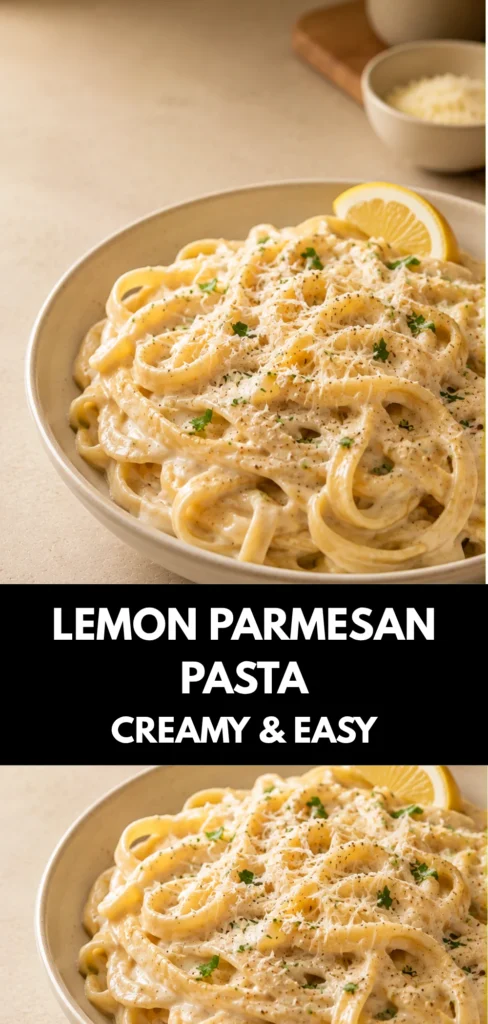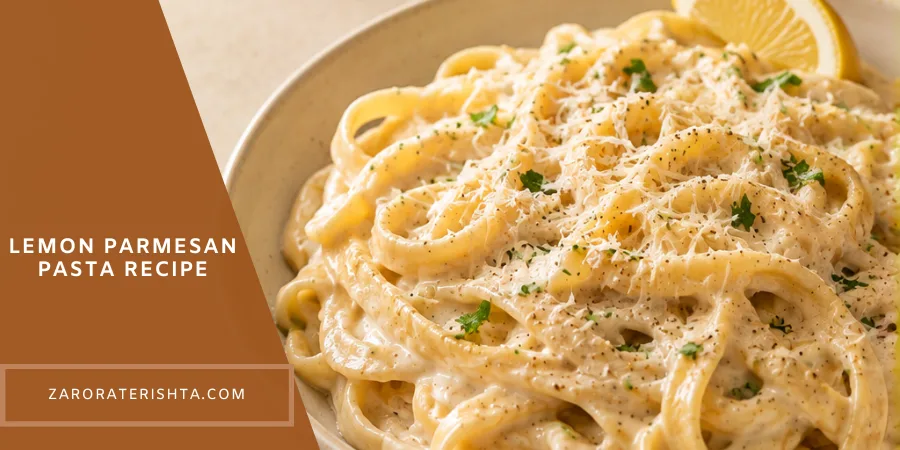
On a cold or busy evening, creamy pasta can be one of the easiest meals to make without feeling plain. This Lemon Parmesan Pasta combines tender pasta with a creamy garlic and Parmesan sauce, while fresh lemon juice and lemon zest add brightness to the rich base.
Gently cooking the garlic first builds a warm aroma without overpowering the other flavors. Finely grated Parmesan adds savory depth and helps create the smooth texture that makes this pasta sauce satisfying.
Creamy Lemon Parmesan Pasta-The Short Answer
The sauce comes together quickly while staying balanced rather than overly heavy. The cream provides the rich base, while lemon cuts through that richness and gives the dish a fresh finish.
The goal is a smooth, glossy sauce that coats the pasta without becoming too thick. Finishing the pasta directly in the sauce helps the ingredients combine properly and gives every strand an even coating.
This recipe makes 2 generous servings and takes approximately 22–25 minutes from start to finish, making it practical for a comforting weeknight dinner.
What I especially like about this recipe is that it relies on familiar ingredients but still feels like an impressive meal. The combination of creamy richness, fresh lemon, garlic, Parmesan, and pasta creates a comforting dish with a clear balance of savory and bright flavors.
It is simple enough for a relaxed home dinner while still polished enough to serve when you want a cozy pasta dish that feels a little special.
Why This Lemon Parmesan Pasta Works
This is the kind of pasta to make when you want something comforting without spending much time in the kitchen. A simple combination of olive oil, garlic, cream, Parmesan, and lemon juice creates a smooth, rich sauce with a fresh citrus flavor.
The method is straightforward, but small details make the final result better. Cooking the garlic gently prevents bitterness, adding Parmesan gradually helps it melt smoothly, and finishing with pasta water allows the sauce to cling properly to the noodles.
The lemon cream sauce works well with linguine, spaghetti, or fettuccine because these pasta shapes allow the creamy sauce to coat each bite evenly. Inspired by pasta al limone, this version focuses on practical home cooking while keeping the balance of creamy richness and fresh lemon flavor.
Ingredients
This Lemon Parmesan Pasta uses a short list of ingredients, but each one has an important role in creating a creamy sauce with fresh lemon flavor and a smooth Parmesan finish.
For the pasta base, use:
- 200 grams dried pasta, such as linguine, spaghetti, or fettuccine
- Approximately 2 liters water
- 18 grams fine salt
- 120 ml reserved pasta water
The pasta shape can be adjusted depending on preference, but keeping the amount at 200 grams helps maintain the correct sauce-to-pasta ratio. Cooking the pasta in properly salted water builds flavor from the beginning, while reserved pasta water provides starch that helps loosen the sauce and allows it to cling evenly to the noodles.
For the garlic flavor base, use:
- 15 ml extra-virgin olive oil
- 3 medium garlic cloves, finely minced
The garlic should be cooked gently until fragrant without browning. This creates a warm aromatic base while allowing the lemon and Parmesan flavors to remain noticeable instead of being overwhelmed by strong garlic flavor.
For the creamy Parmesan sauce, use:
- 180 ml heavy cream
- 50 grams finely grated Parmesan cheese
The heavy cream creates the rich, stable base of the sauce, while Parmesan adds savory depth and helps give the sauce body. Adding the cheese gradually over low heat allows it to melt smoothly into the cream rather than forming clumps.
For the lemon and seasoning, use:
- 45 ml fresh lemon juice
- 2 grams finely grated lemon zest
- 1 gram freshly ground black pepper
Fresh lemon juice adds brightness and balances the richness of the cream, while lemon zest provides a fresh citrus aroma without adding excessive acidity. Black pepper adds a mild warmth that complements the garlic, Parmesan, and lemon flavors.
For serving, use:
- 15–20 grams finely grated Parmesan
- 1 gram additional lemon zest
- Freshly cracked black pepper
These finishing ingredients add extra savory flavor, freshness, and a simple final touch to the creamy pasta.
How to Make Creamy Lemon Pasta
Start by bringing approximately 2 liters of water to a boil in a large pot. Add 18 grams fine salt, then cook 200 grams pasta according to the package instructions.
Cook the pasta approximately 1 minute less than the recommended time so it can finish cooking in the sauce without becoming soft. Before draining, reserve 120 ml pasta water because the starch-rich water helps adjust the final sauce consistency.
While the pasta cooks, heat 15 ml extra-virgin olive oil in a large skillet over medium heat. Add 3 finely minced garlic cloves and cook for 1–2 minutes until fragrant.
Keep the garlic moving gently and avoid browning it. The goal is to create a warm garlic aroma without introducing bitterness that can overpower the fresh lemon and Parmesan flavors.
Reduce the heat to medium-low and add 180 ml heavy cream. Bring the cream to a gentle simmer with only light bubbling.
Do not allow the cream to reach a rolling boil because high heat can affect the texture of the sauce.
Lower the heat and add 50 grams finely grated Parmesan in 3 additions. Stir after each addition and allow the cheese to melt before adding the next portion.
Adding the Parmesan gradually over low heat helps it incorporate smoothly into the cream instead of forming clumps.
Add 60 ml reserved pasta water and 1 gram black pepper. Stir until the sauce becomes smooth and pourable.
Let it gently cook for approximately 1–2 minutes. If the sauce becomes too thick, add another 15–30 ml pasta water to loosen the consistency.
Transfer the drained pasta directly into the skillet. Toss continuously for approximately 30–60 seconds so the sauce coats the pasta evenly.
Add 45 ml fresh lemon juice and toss over low heat for another 30–60 seconds. Do not bring the sauce to a boil after adding the lemon juice.
The pasta should become glossy and evenly coated while the sauce remains slightly loose in the skillet. This allows the sauce to reach the ideal serving consistency because it will continue thickening slightly as it cools.
Turn off the heat and taste the pasta. Add salt only if needed because the Parmesan and salted pasta water already contribute seasoning.
If the sauce looks thicker than desired, add 15 ml pasta water at a time and toss until the texture becomes smooth and silky.
Serve immediately with 15–20 grams additional Parmesan, approximately 1 gram lemon zest, and freshly cracked black pepper.
The finished sauce should cling to the pasta while still looking slightly loose in the skillet. This balance helps prevent the pasta from becoming dry as the sauce continues to thicken after serving.
Recipe Variations
This pasta is easy to adjust while keeping the same creamy lemon and Parmesan base.
- Use linguine, spaghetti, or fettuccine depending on preference. Keep the amount at 200 grams dried pasta so the sauce ratio remains balanced.
- Increase the garlic from 3 medium cloves to 4 medium cloves for a stronger garlic flavor. Avoid adding much more because the garlic can overpower the lemon and Parmesan.
- Increase lemon zest from 2 grams to 3 grams for a stronger citrus aroma without making the sauce too acidic.
- Add approximately 225 grams cooked chicken or 200 grams cooked shrimp during the final tossing stage for a more substantial meal.
- Serve with roasted broccoli, asparagus, or a simple green salad for a vegetarian-friendly option.
These variations work best when treated as additions or adjustments rather than replacements to the main formula, since changing the balance of cream, Parmesan, lemon, and pasta can affect the final sauce texture.
Tips And Tricks
When I make lemon parmesan pasta, I pay close attention to the small details because they make the pasta taste much better.
For a good parmesan, I prefer a block that I can grate myself; it melts smoother than pre-shredded parmesan. Refrigerated shredded parmesan can work, but freshly grated cheese gives the smoothest result.
I also reserve extra pasta water and scoop out enough to loosen the sauce if it becomes too thick. For the best bright flavor, use fresh lemon juice instead of bottled lemon juice.
Keep the garlic cooking until fragrant; browned garlic or burnt garlic can taste bitter. If you notice blue garlic after adding lemon juice, it is a natural reaction, especially with older garlic, and it is safe to eat.
I also recommend cooking the pasta al dente. Slightly undercooking the spaghetti helps prevent it from becoming mushy when mixed with the hot sauce.
Add pasta water slowly because the goal is a smooth, glossy sauce that coats the pasta rather than a watery, overly saucy pasta.
For a healthier version, try whole wheat pasta or combine it with regular pasta for extra fiber, keeping in mind that the texture may be slightly different.
For meal prep, the recipe can be prepared as a larger batch, but use a large skillet or work in batches so the pasta can be tossed evenly with the sauce.
Common Mistakes to Avoid
Do not let the cream reach a rolling boil. Once it goes into the skillet, keep it at a gentle simmer so the sauce stays smooth when the Parmesan and lemon are added later.
Keep an eye on the garlic while it cooks. It only needs about 1–2 minutes in the olive oil to become fragrant, and it should stay pale rather than turning brown. Overcooked garlic can bring a bitter flavor to the finished sauce.
Add the lemon juice near the end rather than mixing it into the hot cream early. The 45 ml lemon juice goes in during the final pasta stage over low heat, which keeps the lemon flavor fresh and gives the cream-based sauce a better chance of staying smooth.
Give the Parmesan time to melt into the sauce. Adding all 50 grams at once can make it harder to incorporate evenly, so add the finely grated cheese in three additions and stir between each one while keeping the heat low.
Reserve the pasta water before draining the pasta. You need only 60–120 ml for this recipe, but that small amount gives you useful control over the sauce. Add it gradually instead of putting all of it into the skillet at once.
Do not cook the pasta until it is completely soft before it reaches the sauce. Cooking it about one minute less than the package recommendation gives it enough time to finish cooking while being tossed with the creamy lemon sauce.
Keep the sauce a little looser than you want it to be on the plate. The Parmesan and cream continue to thicken as the pasta cools, so a sauce that looks perfect in the skillet can become too thick by the time it reaches the table.
Taste before adding extra salt. The Parmesan and salted pasta water already add seasoning, so the optional ¼ teaspoon fine salt should only be used if the finished pasta actually needs it.
Once the pasta is evenly coated, turn off the heat rather than leaving it over the burner. A short final toss is enough to bring everything together, and unnecessary cooking can make the sauce thicker and less smooth.
Troubleshooting
My sauce split after adding the lemon juice
This usually happens when the sauce gets too hot while the lemon is being added. Keep the heat low, add the 45 ml lemon juice during the final pasta stage, and toss it through immediately. Avoid bringing the sauce back to a boil once the lemon has been added.
My sauce is too thick
Add reserved pasta water 15–30 ml at a time and toss the pasta well after each addition. The starch helps loosen the cream and Parmesan while keeping the sauce glossy. Stop as soon as the sauce coats the pasta easily without looking watery.
My sauce is too thin
Keep the pasta over low heat and continue tossing for another 30–60 seconds. The Parmesan will continue to give the sauce body while the pasta releases some starch. It is better to thicken it gently this way than to use high heat to rapidly reduce the cream.
The Parmesan is clumping
Finely grated Parmesan melts more evenly than larger shreds. If the cheese is clumping, keep the heat low and add it gradually rather than adding the remaining cheese all at once. Stir until each addition has incorporated before adding the next.
The pasta looks dry
The sauce may have reduced too much before serving. Add a small splash of reserved pasta water and toss again while the pasta is still hot. The sauce should have a slightly loose, glossy appearance in the skillet because it thickens as it cools.
The lemon flavor is too sharp
The lemon should brighten the cream without taking over the sauce. If the finished pasta tastes too acidic, add a little more Parmesan and a small splash of pasta water, then toss over low heat. This helps bring the creamy and citrus flavors back into balance.
The garlic tastes bitter
The garlic probably cooked for too long or browned in the olive oil. For this recipe, it only needs to become fragrant before the cream is added. If the garlic has developed a deep brown color and a bitter taste, adding more lemon will not correct the flavor.
The pasta tastes bland
Taste the pasta before changing the seasoning because the Parmesan and salted pasta water already provide a good amount of salt. If it still needs more seasoning, add the optional fine salt gradually and finish with black pepper and lemon zest to strengthen the overall flavor.
The pasta is too soft
The pasta may have been cooked for the full package time before being added to the skillet. For a firmer texture, cook it about one minute less than the package recommendation so it can finish cooking during the short final toss with the sauce.
Make Ahead, Storage, And Reheating
For make ahead preparation, garlic and parmesan cheese can be prepared during prep and stored separately in the fridge until you are ready to cook.
For storage, let leftovers cool before placing them in an airtight container in the refrigerator for up to 3 days.
For reheating, warm the leftovers in a skillet over low heat with a splash of water or extra pasta water to loosen the sauce.
A microwave also works; cover it, heat in short bursts, and keep stirring between each burst.
If the sauce has thickened in the refrigerator, add a small splash of water or milk before reheating to help bring back its creamy consistency.
What to Serve with Lemon Parmesan Pasta
Lemon parmesan pasta works well as a pasta dish for either a main course or side dish.
Keep it vegetarian and serve it with a light side salad for a simple vegetarian meal, or add your favorite protein when you want something more filling.
Fresh veggies such as asparagus, spinach, or cherry tomatoes pair naturally with the lemon and parmesan.
For a heartier plate, serve it with chicken breast, your favourite cut of chicken, shrimp, seared scallops, or steak as a separate addition to the finished pasta.
Creamy Sauce Notes
The most important part of this Lemon Parmesan Pasta is controlling the sauce consistency. The recipe makes 2 generous servings, and the sauce should be creamy enough to coat the pasta without becoming heavy or pasty.
Heavy cream provides the stable base needed for the lemon and Parmesan. The Parmesan adds body and savory depth, while reserved pasta water supplies starch that helps loosen the sauce and improve its glossy texture.
Temperature control is equally important when making the sauce. Keep the cream at a gentle simmer and avoid aggressive boiling because high heat can affect the texture of the dairy and Parmesan.
When Parmesan is added over low heat in several additions, it has a better chance of melting evenly into the cream. Adding the cheese gradually also helps prevent clumps and creates a smoother sauce.
The lemon juice should be added near the end of cooking. Keeping the heat low at this stage helps preserve the fresh lemon flavor and reduces the chance of the cream sauce splitting.
The pasta water should always be reserved before draining, even if the sauce initially looks perfect. The starch-rich water gives you control over the final consistency and helps the sauce cling to the pasta.
Add pasta water gradually rather than all at once because too much liquid can make the sauce unnecessarily thin. Small additions allow you to adjust the texture without losing the creamy consistency.
Freshly grated Parmesan is preferred because it melts more smoothly than many pre-grated varieties. Finely grated cheese incorporates faster and helps create a more uniform sauce.
The finished sauce should look slightly looser in the skillet than the final serving consistency. Cream and Parmesan continue to thicken as the pasta rests, so reducing the sauce until it looks very thick in the pan can result in dry pasta when served.
Nutrition Insight
One serving provides approximately:
- Calories: 805 kcal
- Carbohydrates: 83 g
- Protein: 27 g
- Total Fat: 42 g
- Saturated Fat: 21 g
- Fiber: 4 g
- Sugar: 6 g
- Sodium: 1,080 mg
- Cholesterol: 110 mg
These figures are based on dividing the complete recipe into 2 generous servings.
The calculation includes 200 grams dried pasta, 180 ml heavy cream, 50 grams Parmesan in the sauce, 15 ml olive oil, 18 grams salt used in the pasta water, and 15–20 grams additional Parmesan for serving.
Nutrition values are approximate and can vary depending on the pasta, cream, Parmesan, and other brands used. Actual sodium intake can also vary because not all of the salt added to the pasta water remains in the finished dish.
Recipe FAQs
How can I keep the lemon cream sauce smooth?
Keep the heat low when adding the lemon juice and add it toward the end of cooking. Stir it in well and avoid bringing the sauce to a boil afterward. The combination of high heat and lemon juice can cause the cream sauce to split. This is why the engineered method adds the lemon during the final pasta stage over low heat.
What should I do if the sauce is too thin?
If the sauce is too thin, keep the pasta over low heat and toss it for another 30–60 seconds. The starch from the reserved pasta water helps the cream and Parmesan come together and gives the sauce a smoother texture. Avoid reducing the sauce too much since it will naturally thicken as the Parmesan and cream cool.
What type of cream works best for this pasta?
Heavy cream is the best choice for this recipe because it provides a rich and stable base that works well with lemon juice. The recipe is designed around heavy cream rather than lighter dairy, which helps the sauce maintain its creamy texture while the lemon adds brightness.
How long can I keep creamy lemon pasta in the refrigerator?
This pasta is best served fresh, but leftovers can be kept in a shallow airtight container in the refrigerator for up to 3 days. When reheating, add 15–30 ml of water or milk and warm the pasta gently over low heat while tossing. If needed, add another small amount of liquid to loosen the sauce and avoid overheating because the sauce can separate.
Pinterest Pins