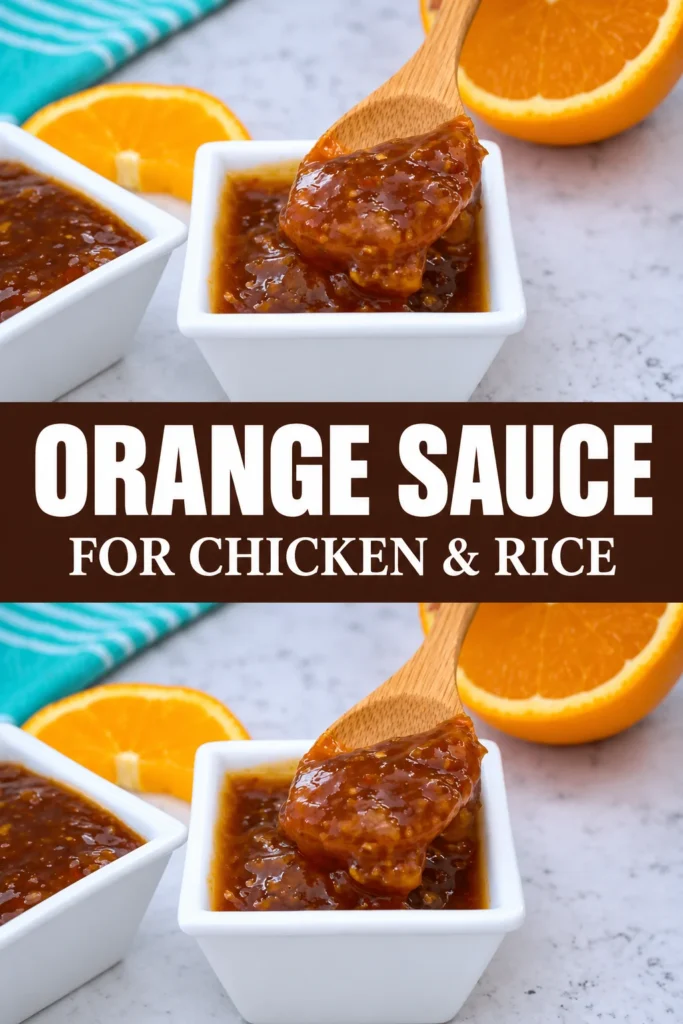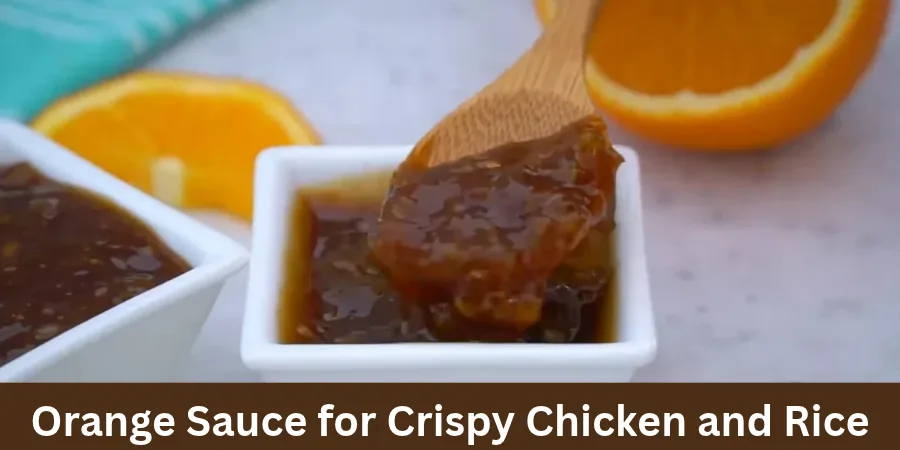
A good orange sauce can turn a simple stir-fry into a flavorful meal. Fresh orange juice and orange zest provide a bright citrus flavor, while sugar, ginger and garlic add sweetness and depth. A pinch of red pepper flakes brings mild heat and balances the citrus flavor.
This homemade orange sauce takes approximately 15–18 minutes to prepare and cook, making it a practical option for busy days. Its glossy texture helps coat ingredients evenly and adds a balance of sweet, tangy and savory flavors.
Orange Sauce-The Short Answer
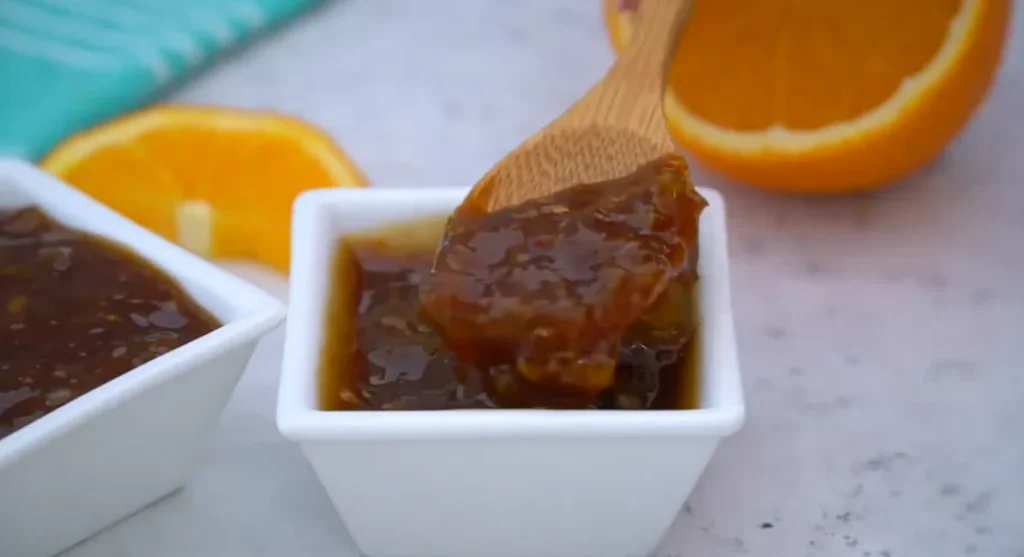
This homemade orange sauce recipe combines fresh citrus flavor with a balanced sweet and tangy taste. Learn how simple ingredients and proper cooking techniques create a smooth, glossy sauce that enhances chicken, vegetables and everyday meals.
The sauce pairs well with chicken, shrimp, tofu and stir-fried vegetables. Serve it as a dipping sauce, toss it with cooked ingredients or spoon it over rice. It is especially delicious with orange chicken and offers a homemade alternative to bottled takeout-style sauces.
You can adjust the sweetness and tanginess to suit your taste. Add a little more sugar for sweetness or a small amount of rice vinegar for extra tang. This versatile sauce adds fresh citrus flavor to everyday meals.
About This Sauce
This homemade orange sauce uses common ingredients to add fresh citrus flavor to everyday meals. Its balanced sweet and tangy taste works particularly well with chicken and vegetables.
Serve it with Orange Chicken or fried chicken because the sauce coats the ingredients well and adds plenty of flavor. It also pairs with stir-fried vegetables, rice and rice bowls as a homemade alternative to store-bought or takeout-style sauces.
The recipe makes approximately 1¼ cups, although the final yield depends on how much the sauce reduces during cooking. You can double the ingredients while keeping the same proportions to prepare a larger batch for family meals or save some for another serving.
Why You’ll Love This Orange Sauce Recipe
This orange sauce takes approximately 10 minutes of preparation followed by 5–8 minutes of cooking. Garlic, ginger and chili flakes create a savory base, while orange juice, white sugar, brown sugar and vinegar bring sweetness and tanginess.
Soy sauce adds savory depth, and sesame oil provides richness with a subtle nutty aroma. Together, these ingredients create a bright citrus flavor with gentle heat that you can adjust to suit your taste.
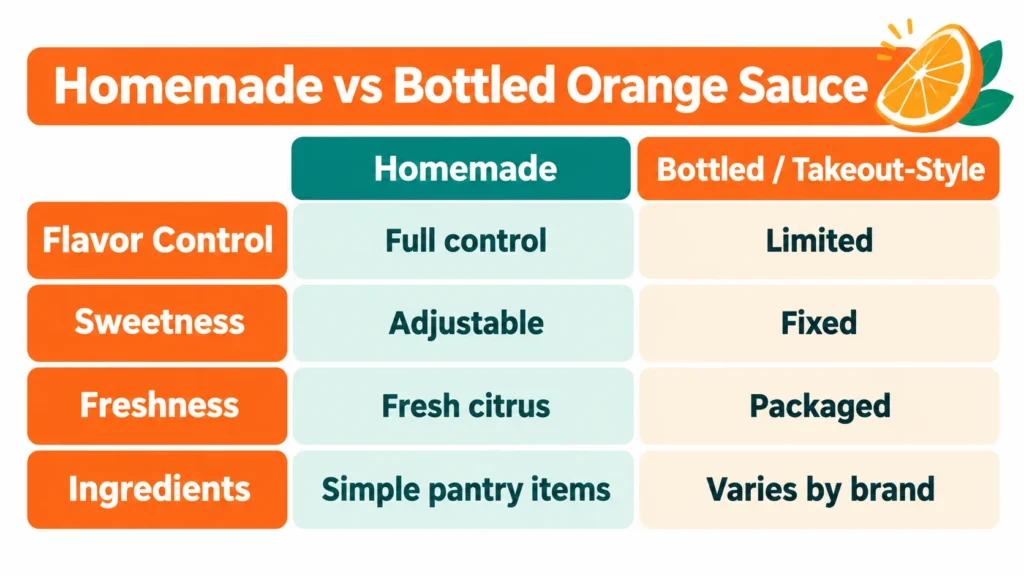
Making the sauce from scratch gives you more control over its flavor than using bottled sauce. It works well with crispy fried chicken, shrimp, tofu and vegetables. You can also serve it as a dipping sauce, add it to a stir-fry or brush it over meat near the end of roasting.
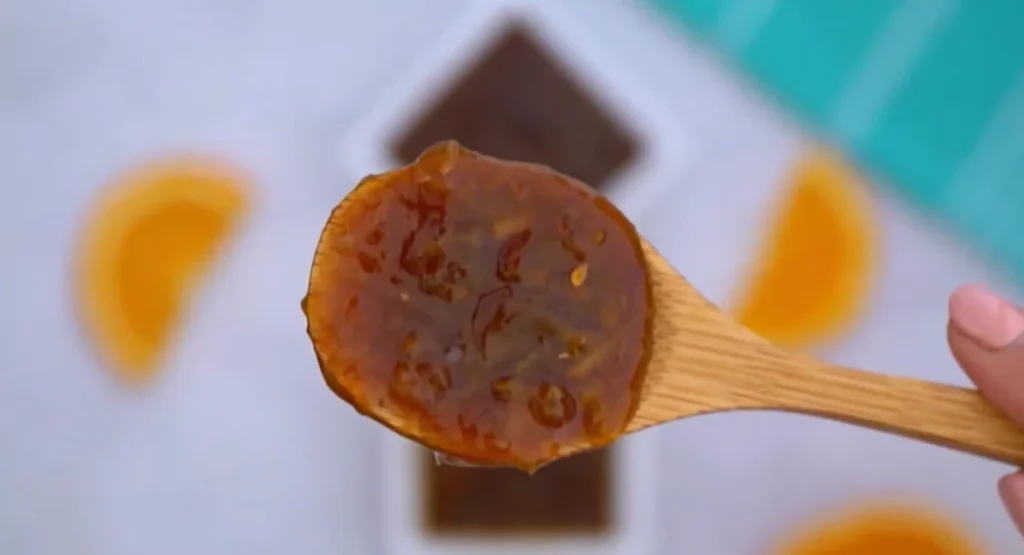
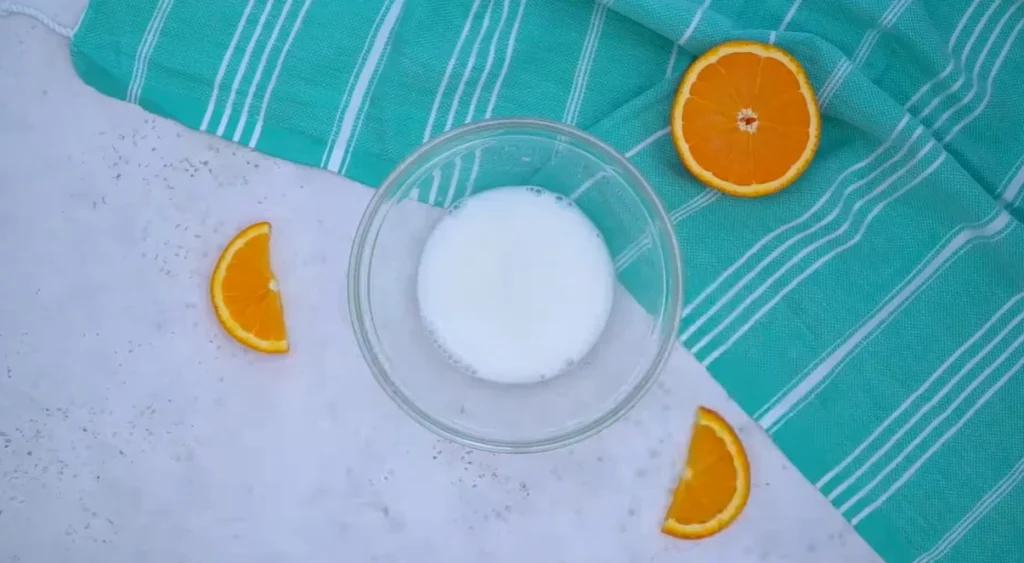
Cornstarch creates a smooth, glossy texture that clings to food. Mix it with cold water to make a slurry before adding it to the sauce. Stir continuously and cook for 30–60 seconds until the sauce thickens.
If the sauce becomes too thick, add a little orange juice or water to adjust the consistency. Cooking everything in one saucepan makes cleanup easier, although you will need a separate bowl to prepare the slurry.
Ingredients Needed
- 1 cup orange juice (240 ml), from approximately 3 medium oranges if squeezing fresh
- 1 teaspoon finely grated orange zest (approximately 2 g)
- 2 tablespoons granulated sugar (25 g)
- 1 tablespoon light brown sugar (12–13 g)
- 2 tablespoons unseasoned rice vinegar (30 ml)
- 2 tablespoons low-sodium soy sauce (30 ml)
- 2 garlic cloves, finely minced (approximately 6 g)
- 1 teaspoon finely minced fresh ginger (approximately 2 g)
- ¼ teaspoon red pepper flakes (approximately 0.5 g)
- 1 teaspoon neutral cooking oil (5 ml)
- ½ teaspoon sesame oil (2.5 ml), optional
- 1 tablespoon cornstarch (approximately 8 g)
- 1 tablespoon cold water (15 ml)
- 1 tablespoon honey, optional variation (when using honey, reduce the granulated sugar to 1 tablespoon)
- 1 tablespoon sliced green onion (approximately 5 g), optional garnish
Ingredients Notes
Orange Juice: Freshly squeezed orange juice gives the sauce a bright citrus flavor. You will need approximately 3 medium oranges to get 1 cup (240 ml) of juice. Fresh navel orange juice can turn bitter when heated, so Valencia oranges or not-from-concentrate bottled 100% orange juice are safer choices. Use 1 cup (240 ml) as the base.
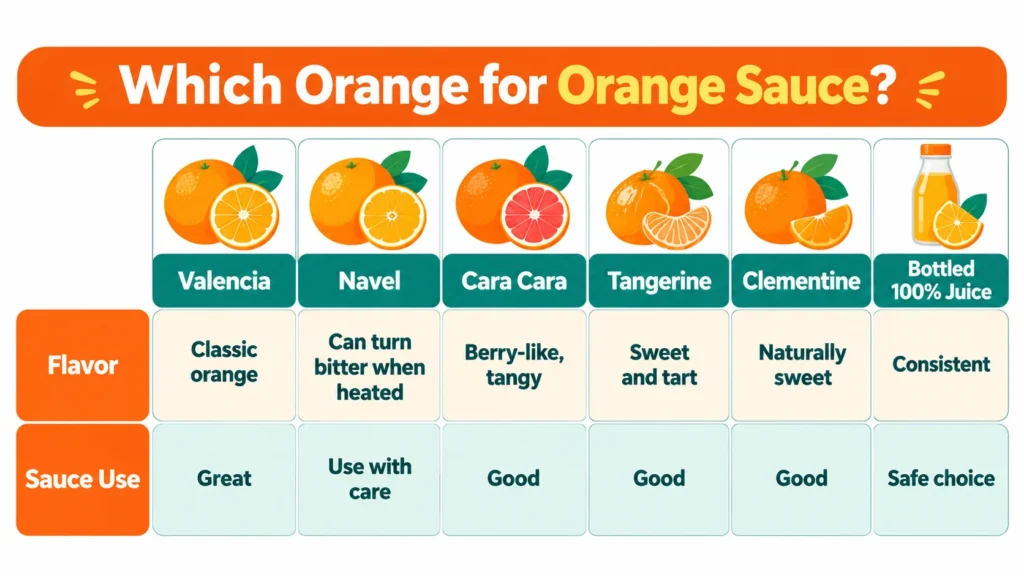
Orange Zest: Add 1 teaspoon finely grated orange zest for extra citrus aroma. If you are squeezing fresh oranges, grate the zest before juicing because the peel is difficult to grate afterward. Avoid the bitter white pith because it can affect the sauce’s flavor.
Granulated and Brown Sugar: Granulated sugar adds sweetness, while light brown sugar provides a hint of molasses. Together, they balance the tanginess of the vinegar.
Rice Vinegar: Use 2 tablespoons (30 ml) unseasoned rice vinegar to balance the sweetness. Do not use seasoned rice vinegar because it already contains sugar and salt, which can upset the balance of the sauce.
Low-Sodium Soy Sauce: Use 2 tablespoons (30 ml) for savory depth and saltiness. Extra salt is usually unnecessary because the soy sauce already adds saltiness.
Garlic and Ginger: Use 2 finely minced garlic cloves and 1 teaspoon minced fresh ginger. These ingredients create a fragrant, savory base for the sauce.
Red Pepper Flakes: Add ¼ teaspoon for mild heat. Increase the amount to ½ teaspoon if you prefer a spicier variation.
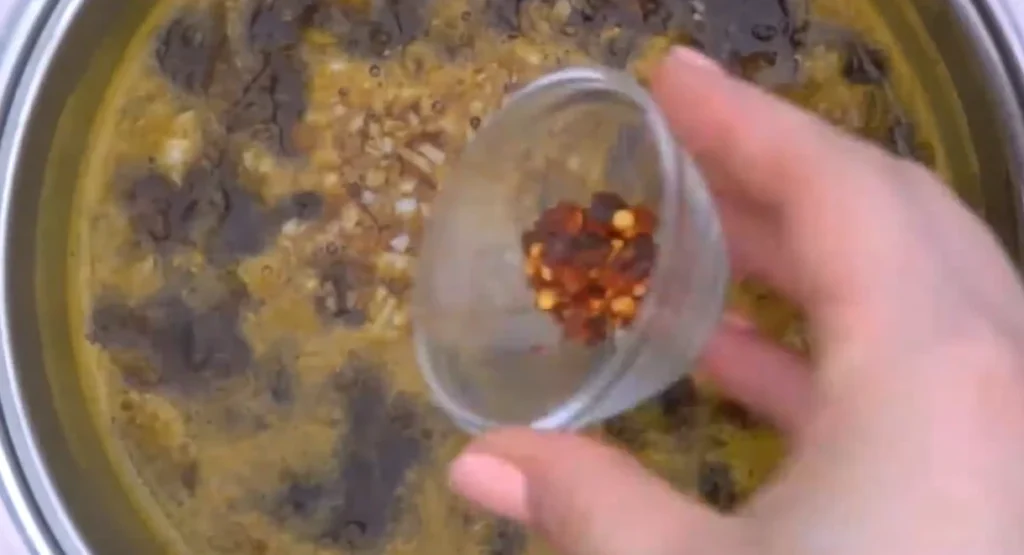
Neutral Cooking Oil: Use 1 teaspoon to sauté the garlic and ginger without overpowering their flavor.
Sesame Oil: Add ½ teaspoon at the end for a subtle nutty aroma. It is optional.
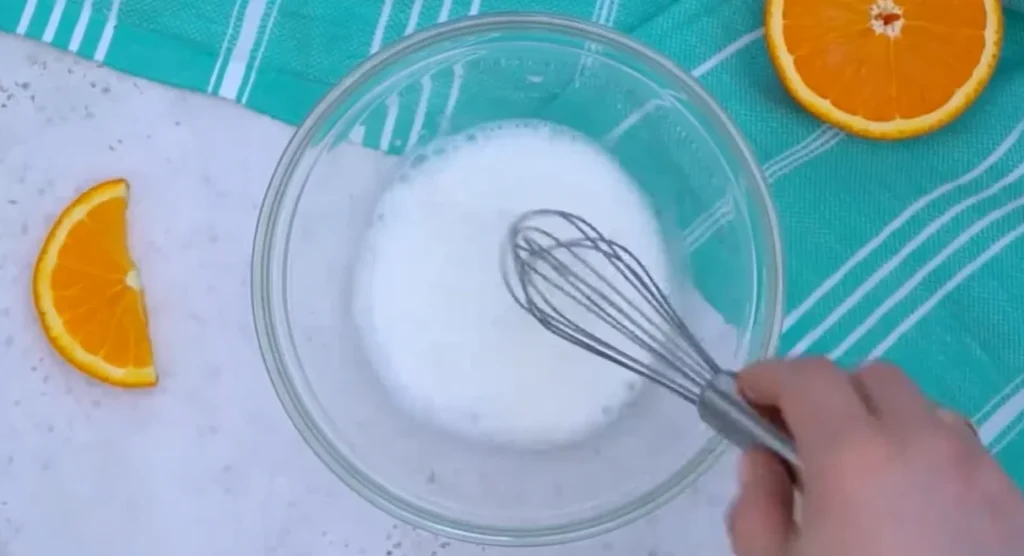
Cornstarch and Cold Water: Mix 1 tablespoon cornstarch with 1 tablespoon cold water to make a smooth slurry. This thickens the sauce and helps prevent lumps.
Honey: For a honey variation, reduce the granulated sugar to 1 tablespoon and add 1 tablespoon honey. Honey adds a mild floral flavor.
Green Onion: Use 1 tablespoon sliced green onion as an optional garnish for extra color and freshness.
Alternative Thickener: Arrowroot powder may replace cornstarch, but this substitution has not been tested in the original recipe. The final texture may vary.
How to Cook Orange Sauce
Step 1: Prepare the Ingredients
If you are using fresh oranges, grate the zest first, avoiding the white pith, and then squeeze the juice. Measure out 1 cup (240 ml) of juice and 1 teaspoon of zest.
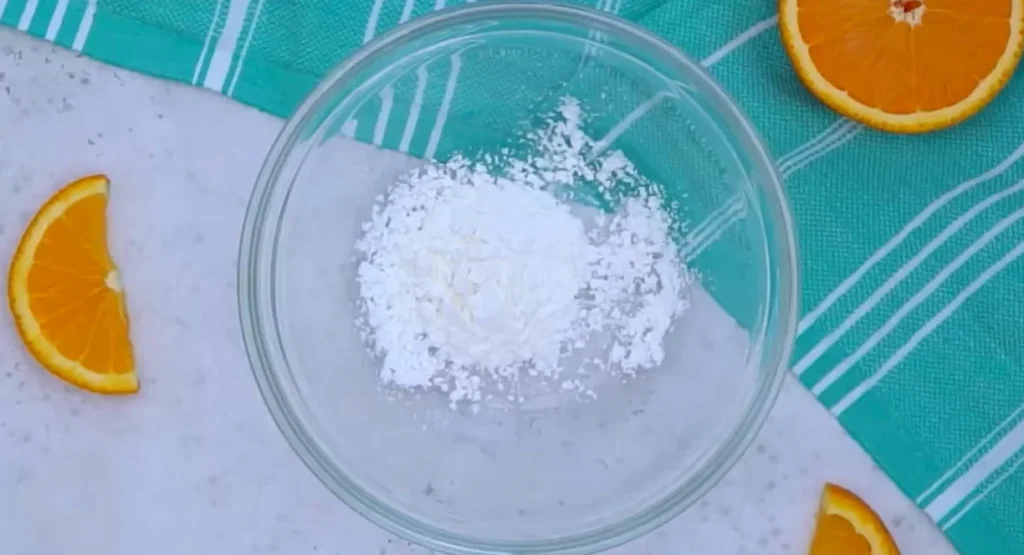
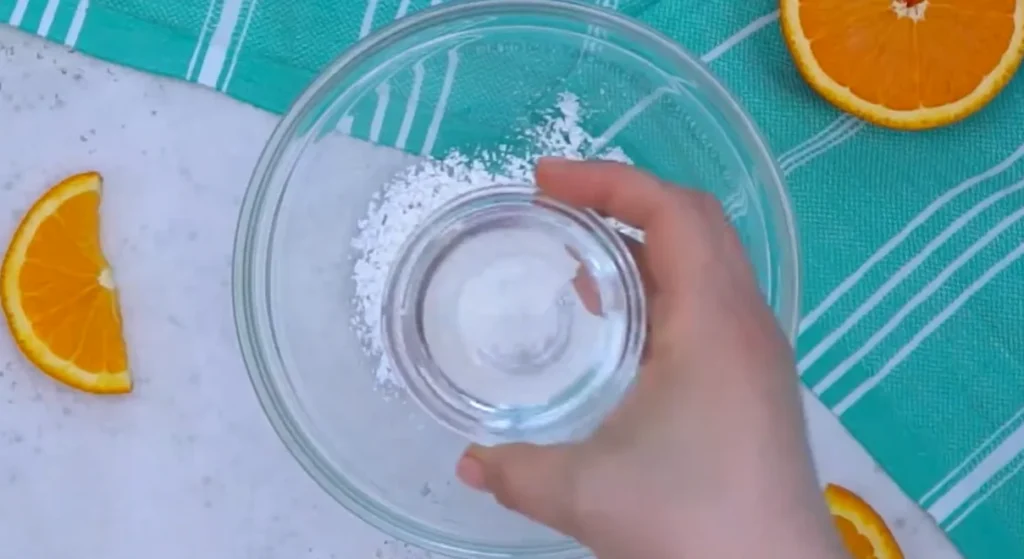
Finely mince the garlic and ginger. In a small bowl, mix 1 tablespoon cornstarch with 1 tablespoon cold water until no dry lumps remain. Preparing everything first helps prevent the garlic from overcooking once the pan is on the heat.
Step 2: Sauté the Garlic and Ginger
Heat 1 teaspoon neutral cooking oil in a small saucepan over medium heat. Add the minced garlic, minced ginger and optional ¼ teaspoon red pepper flakes.
Sauté for 20–30 seconds, stirring constantly until fragrant. Avoid browning the garlic because it can make the sauce taste bitter.
Step 3: Add the Sauce Ingredients
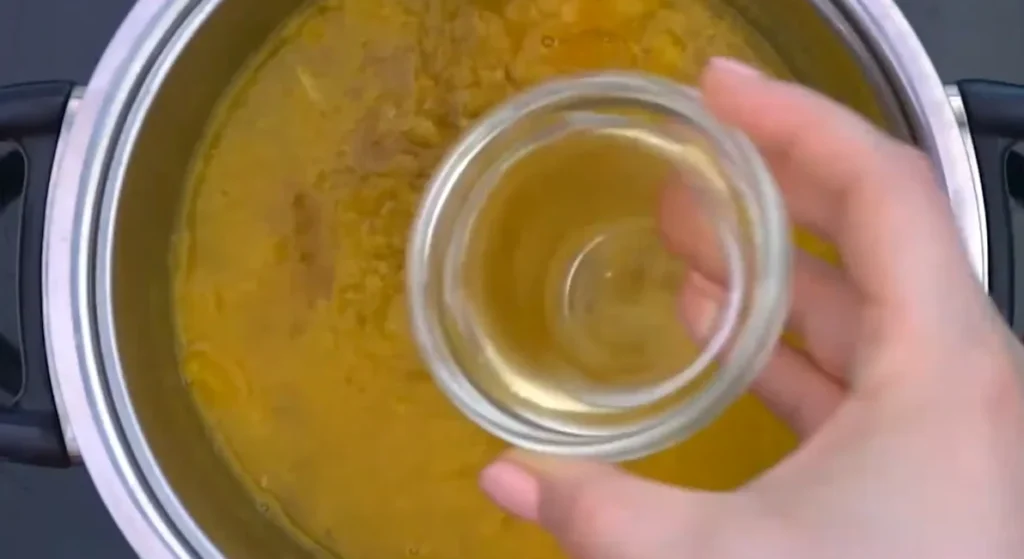
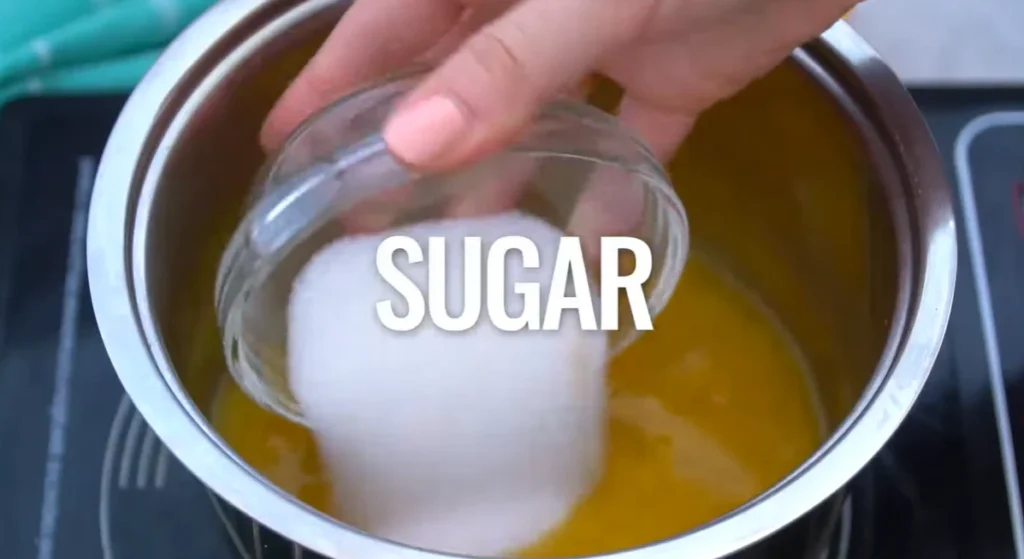
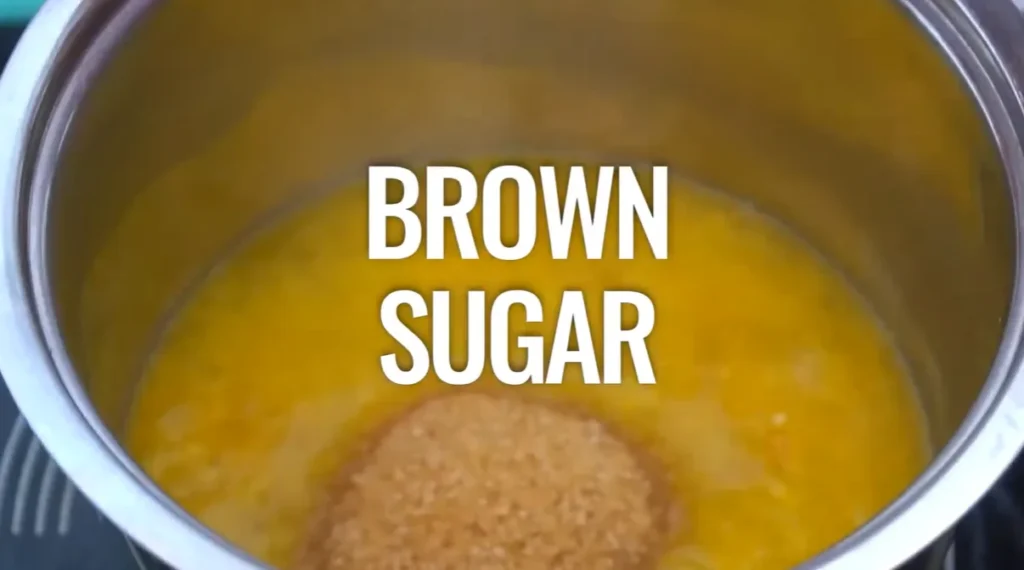
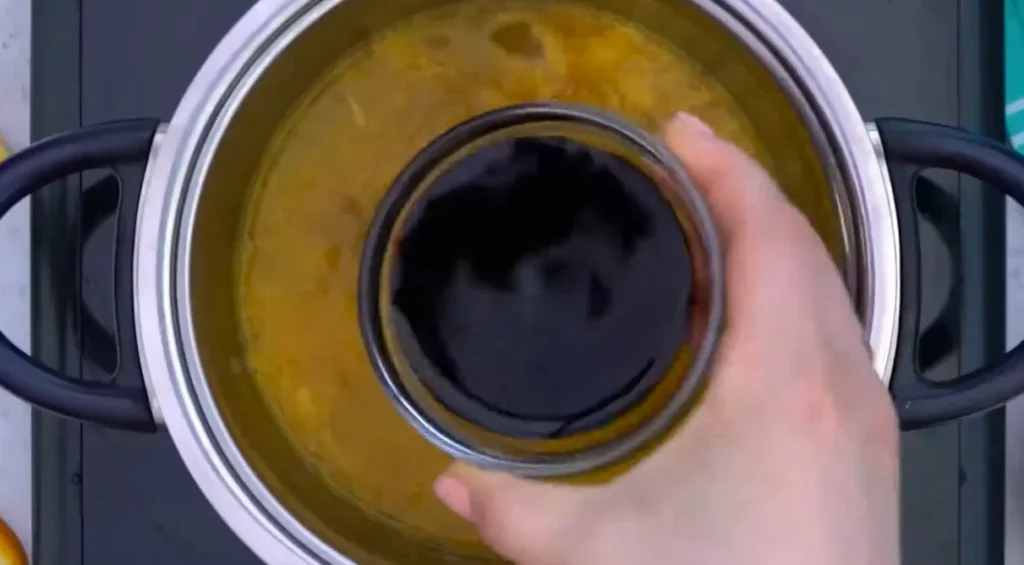
Add 1 cup orange juice, 2 tablespoons granulated sugar, 1 tablespoon light brown sugar, 2 tablespoons unseasoned rice vinegar and 2 tablespoons low-sodium soy sauce.
Stir well until the sugars dissolve. Bring the mixture to a gentle simmer, with small, steady bubbles around the edges rather than a rolling boil, and cook for 1–2 minutes, stirring occasionally to help the flavors blend.
Step 4: Add the Cornstarch Slurry
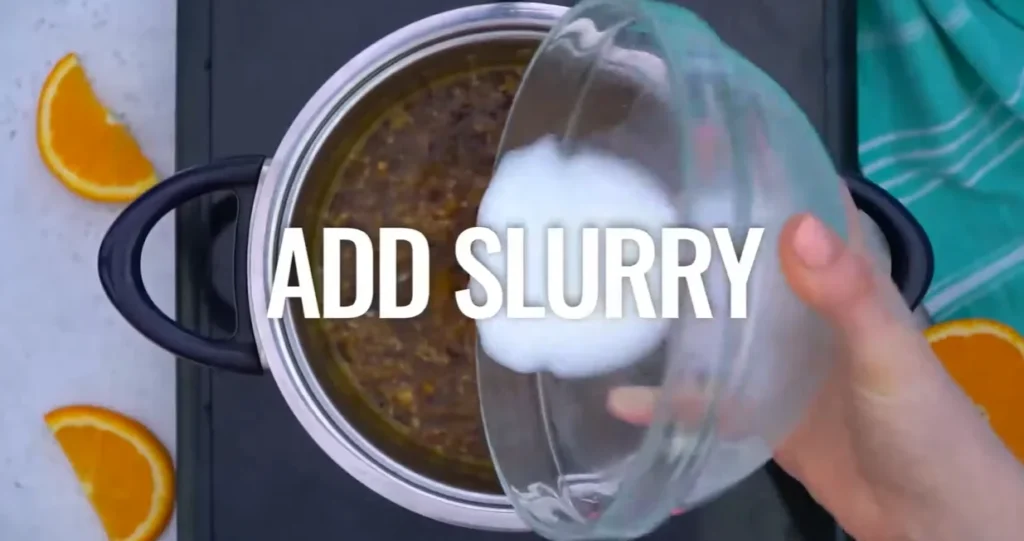
Stir the slurry again just before adding it because the cornstarch can settle at the bottom.
Slowly pour it into the simmering sauce while whisking continuously. This helps prevent lumps and creates a smoother texture.
Step 5: Thicken the Sauce
Cook for 30–60 seconds, or until the sauce becomes glossy and coats the back of a spoon. As soon as it thickens, turn off the heat. Avoid cooking it for too long after it thickens because the acid in the orange juice and vinegar can weaken the cornstarch’s thickening ability and make the sauce thin again.
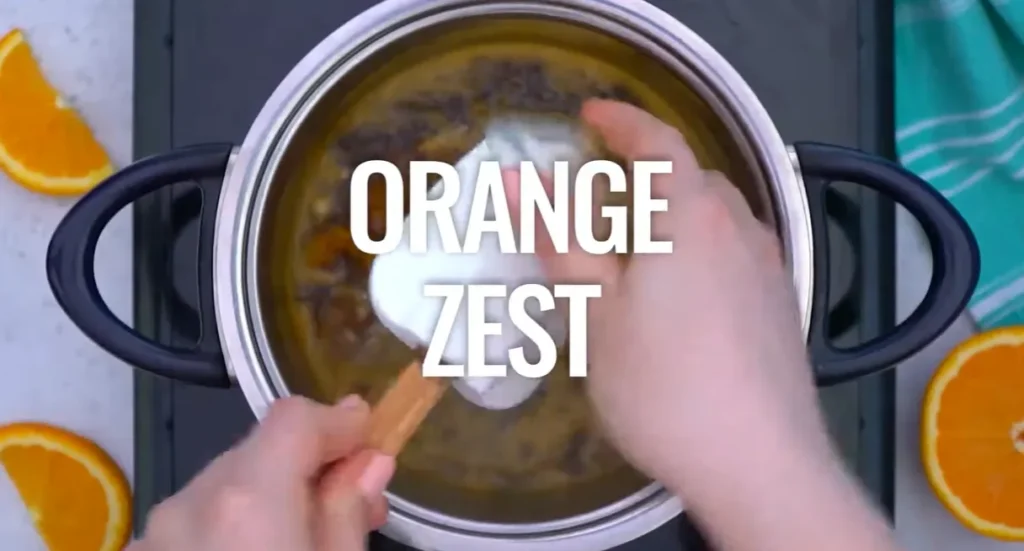
Remove the saucepan from the heat and stir in 1 teaspoon orange zest to preserve its fresh citrus aroma. Add ½ teaspoon sesame oil if you prefer a light nutty flavor.
If the sauce becomes too thick, loosen it with 1 tablespoon orange juice or water. If it is too thin, let it simmer briefly before adding more slurry if needed.
Step 6: Taste and Adjust
Taste the sauce and adjust it in small steps:
- Too sweet: Add ½ teaspoon rice vinegar at a time.
- Too tangy: Add ½ teaspoon sugar or honey at a time.
- Too salty: Add a little orange juice or water, then check the thickness again.
Taste after each adjustment so you do not overcorrect.
Step 7: Serve the Sauce
Serve the sauce warm. This recipe is enough to coat approximately 450 g (1 lb) of cooked chicken.
For crispy or breaded chicken, toss it in the sauce just before serving to help keep the coating crisp rather than soggy. For a stir-fry, cook your protein and vegetables first, then add the sauce at the end and toss briefly until evenly coated. Avoid cooking the sauce for long at high heat because it can reduce too much.
You can also serve it as a glaze over chicken, other proteins or vegetables, or in a separate bowl as a dipping sauce. Add sliced green onions as an optional garnish and serve immediately while the sauce is warm and glossy.
Step 8: Store Leftovers
Allow the sauce to cool before transferring it to a clean, airtight container or jar. Refrigerate it and use it within 3–5 days.
Reheat gently in a saucepan over low heat, stirring occasionally. If the sauce has thickened during storage, add a little water or orange juice. Avoid bringing it to a hard boil because gentle reheating helps maintain its texture.
Recipe Variations and Add-Ins
You can adjust this orange sauce to suit your taste without changing its basic flavor balance.
For a Spicier Sauce: Increase the red pepper flakes to ½ teaspoon (approximately 1 g), or stir in 1 teaspoon (approximately 5 ml) sriracha sauce. Start with this amount and taste before adding more. This adds heat while balancing the natural sweetness of the oranges.
For a Sweeter Sauce: Reduce the granulated sugar to 1 tablespoon and add 1 tablespoon honey. Honey adds a mild floral flavor, so taste before adding more sweetener.
For a Stronger Citrus Flavor: Use 2 teaspoons (approximately 4 g) orange zest in total and add it near the end of cooking. This helps preserve its fresh fragrance and enhances the orange flavor.
Make one adjustment at a time so you can control the sweetness, tanginess and heat while keeping the sauce balanced.
Serving Suggestions
Orange sauce pairs well with chicken, seafood, tofu and vegetables. Serve it with crispy fried chicken or homemade orange chicken for a quick meal in less than 30 minutes.
Chicken thighs give a juicy result, while boneless, skinless chicken breast pieces work well too. Shrimp and tofu are also good options for different tastes and budgets. The sauce’s sweet, tangy citrus flavor adds a delicious glaze to these dishes.
Use the sauce as a dip for egg rolls, fish fingers, coconut shrimp, chicken tenders or chicken nuggets. It also works well with chicken wings, creating a sticky coating that clings to the surface.
For the best texture, add the sauce to crispy chicken just before serving so the coating stays crisp. You can also use it in stir-fries, including Hunan chicken and chicken and broccoli stir-fry, for a fresh citrus twist.
For an easy meal, serve orange chicken over rice or cauliflower rice with stir-fried vegetables. Broccoli, snap peas, bell peppers and bok choy pair well with the sauce.
Add green onions, sesame seeds or red pepper flakes for extra flavor and texture. These toppings complement the sweet and tangy glaze without overpowering it.
Orange sauce also pairs well with salmon, pork chops and tofu. Brush it over salmon near the end of cooking to create a glossy citrus finish.
Pan-fried or baked tofu develops a crisp surface that holds the sauce well. You can also serve the sauce with your favorite vegetables or roasted cauliflower to add variety to everyday meals.
How to Store Orange Sauce
Let the sauce cool before transferring it to a clean, airtight container or sealed jar. Refrigerate it and use it within 3–5 days.
The sauce may thicken after refrigeration, which is normal for a cornstarch-thickened sauce. Warm it gently in a saucepan over low heat and stir in a small splash of water or orange juice until it reaches your preferred consistency.
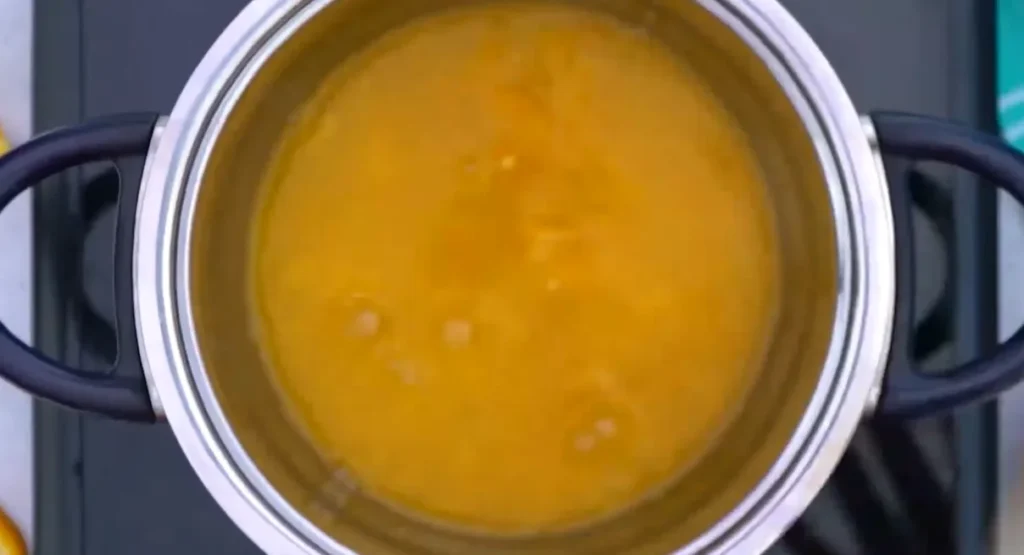
You can also reheat it in the microwave using short intervals, stirring between each one to ensure even heating.
Freezing is not recommended because the sauce may separate or develop a grainy texture after thawing. For the best results, prepare a fresh batch when needed or keep a small amount refrigerated.
When reheating leftovers, use gentle heat and add a little water or orange juice if the sauce becomes too thick. This helps restore its smooth texture and fresh orange flavor.
Tips for the Best Orange Sauce
Choose the right oranges to get the flavor you want. Valencia oranges are a good choice for fresh juice, while Cara Cara oranges offer a berry-like flavor with a tangy kick.
Tangerines are sweet and tart and are usually seedless and easy to peel. Clementines, also known as Halos or Cuties, are mandarin oranges with naturally sweet juice. Different varieties affect the sauce’s sweetness, tanginess and bitterness.
Before zesting, wash the oranges well and check that their skins are bright orange and free of blemishes. Taste the fruit before juicing it because some oranges can be more bitter or sour than others.
When zesting, grate only the colored outer peel and avoid the white pith, which can make the sauce bitter. This helps preserve the fresh citrus aroma and improve the final flavor.
For the best results, follow these preparation tips:
Choose the juice carefully: Use fresh orange juice for a bright citrus flavor. Bottled 100% orange juice is also a good option.
Cook garlic and ginger briefly: Sauté them for about 20–30 seconds until fragrant. Do not let the garlic brown, as this can affect the flavor.
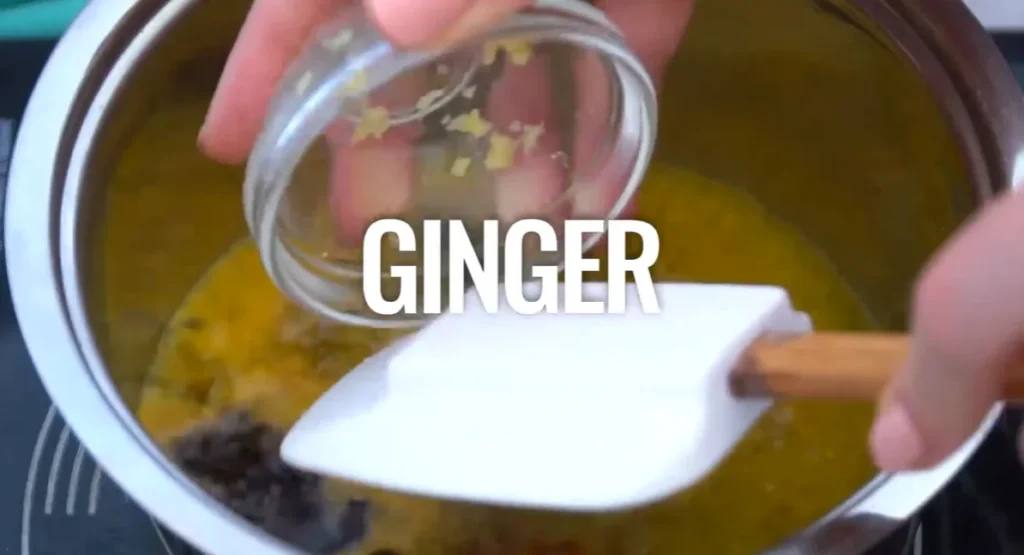
Prepare the cornstarch slurry properly: Mix cornstarch with cold water and stir it again just before adding it to the sauce. Pour it in gradually while stirring constantly to prevent lumps and create a smooth, glossy texture.
- Simmer gently: Avoid a hard boil, which can cause the sauce to reduce too quickly, become too thick or develop a sharper flavor.
- Adjust the taste: Taste the sauce and adjust its sweetness, tanginess, saltiness or consistency as needed. It should have a balanced, slightly bold flavor before you add the chicken.
- Add the sauce just before serving: Toss chicken in the warm sauce right before serving to help keep its coating crispy. Leaving it coated for too long can soften the texture.
Notes
For the best flavor, use fresh orange juice to give the sauce a bright, natural citrus taste. Cook the garlic briefly until fragrant, but do not let it turn dark brown because this can make the sauce bitter.
To thicken the sauce smoothly, mix cornstarch with cold water to prepare a slurry. Stir the slurry just before adding it to prevent settling, then whisk continuously while adding it to prevent lumps. This helps the sauce develop a smooth consistency and glossy finish.
For the crispiest result, toss the sauce with protein right before serving so the coating does not become soggy. Store leftover sauce in an airtight container in the refrigerator and use it within 3–5 days.
When reheating, add a splash of water if the sauce has become too thick. Stir gently until smooth to help maintain its flavor and texture.
Nutrition Information
These values are estimates for one serving of the base recipe. Exact values vary with the brand of soy sauce, the type of orange juice and the final yield.
Serving size: ¼ cup (60 ml) | Servings: about 5 (from approximately 1¼ cups of sauce)
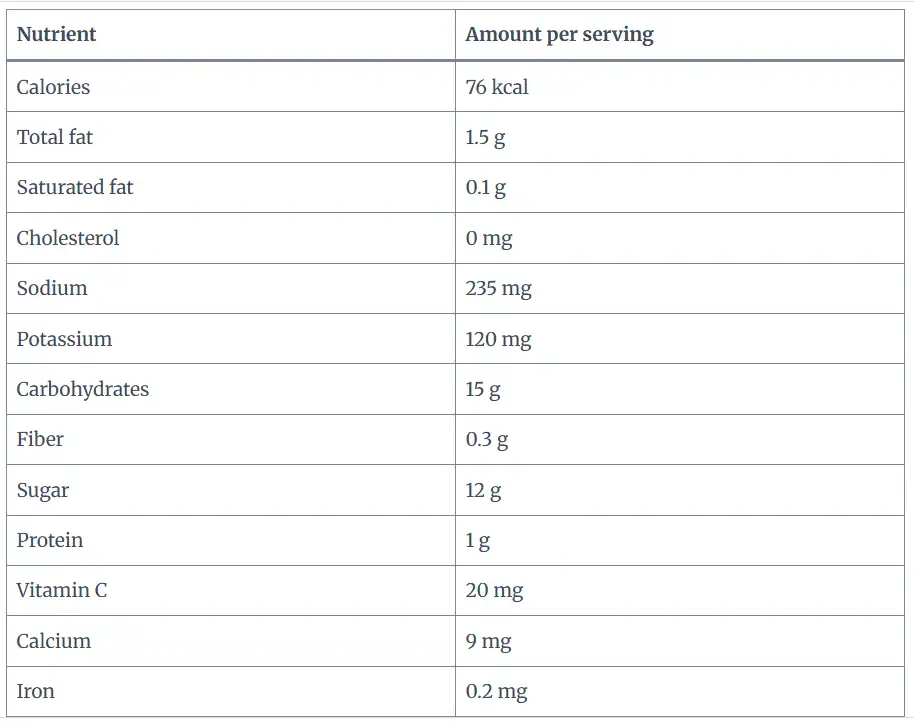
The estimate is based on the base recipe, including the optional sesame oil and green onion garnish, and does not include the honey variation or any other variation. For exact values, enter your own ingredients and brands into a nutrition calculator.
Frequently Asked Questions
Why Is My Orange Sauce Bitter?
Orange sauce can taste bitter because of limonin, a naturally occurring compound found in citrus fruits, especially navel oranges. The natural flavor of the fruit can affect the final taste, so taste the orange before squeezing the juice.
When using orange zest, avoid the white pith because it can add a strong bitter flavor. For more consistent results, use Valencia oranges or not-from-concentrate bottled 100% orange juice instead of fresh navel orange juice.
Bitterness can also come from garlic that browned or burned during sautéing, or from a sauce that has reduced too much. Cook the garlic only until fragrant and simmer the sauce gently. Extra sugar will not fully remove bitterness caused by burnt garlic or too much pith.
Why Is My Orange Sauce Not Thickening?
If the sauce is too thin, it may need more cooking time or additional cornstarch. Let it simmer gently for another 30–60 seconds first.
If it remains thin, mix 1 teaspoon cornstarch with 1 tablespoon cold water to make a smooth slurry. Add it gradually while stirring continuously and stop once the sauce reaches your preferred consistency.
My Orange Sauce Is Too Thick. How Do I Fix It?
Add orange juice or water 1 tablespoon at a time. Stir well after each addition and check the consistency before adding more.
This gradual adjustment helps loosen the sauce without making it watery.
What Is the Difference Between Orange Sauce and Sweet and Sour Sauce?
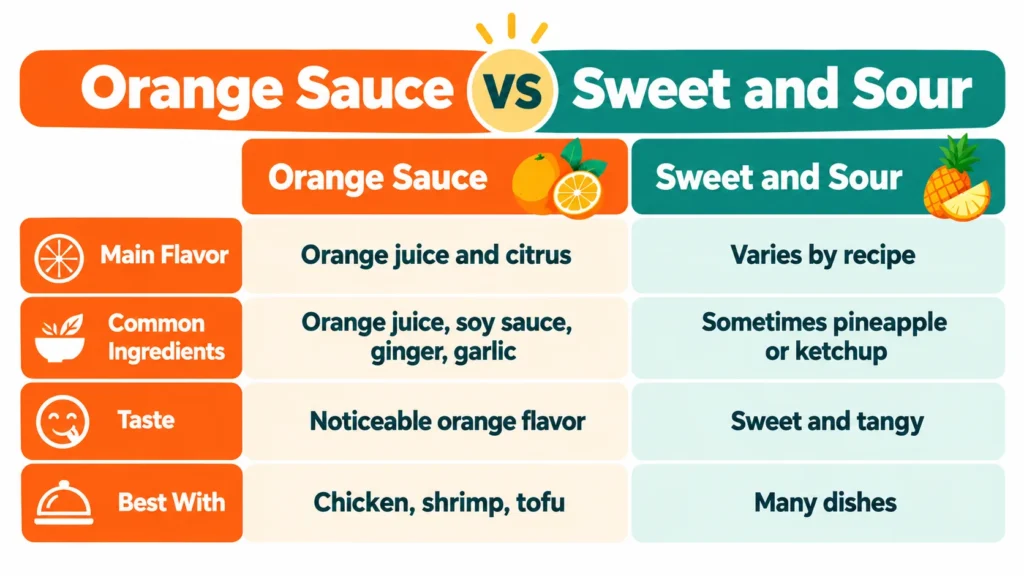
Orange sauce gets its main flavor from orange juice, giving it a distinct citrus taste with balanced sweetness and tanginess. Sweet and sour sauce varies by recipe and may use pineapple or ketchup, although some versions do not.
Both sauces pair well with different dishes, but orange sauce has a more noticeable orange flavor.
What Is Orange Sauce?
Orange sauce is a sweet and tangy citrus sauce often served with orange chicken and other Chinese-American dishes. It commonly contains orange juice, sugar, vinegar, soy sauce, garlic and ginger.
A thickener gives it a smooth, glossy texture that helps it coat chicken and other foods. Its citrus, sweet and savory flavors also complement rice, vegetables and other meals.
What Is Orange Sauce Made Of?
This recipe uses orange juice, white sugar, brown sugar, rice vinegar, soy sauce, garlic, ginger, chili flakes and a cornstarch slurry, with optional sesame oil.
Together, these ingredients create a sweet, savory and citrusy flavor. Cornstarch thickens the sauce, while garlic, ginger and sesame oil add depth. It can be served with chicken, shrimp or vegetables.
Is Orange Sauce the Same as Orange Chicken Sauce?
Yes. Orange chicken sauce is orange sauce used to coat crispy chicken. However, orange sauce can also be served with shrimp, tofu, salmon, vegetables or rice bowls.
Its sweet citrus flavor makes it useful for more than one dish.
How Long Does Homemade Orange Sauce Last?
Store homemade orange sauce in an airtight container in the refrigerator for 3–5 days. Reheat it gently on the stove over low heat.
If it thickens during storage, add a little water or orange juice and stir until smooth. Avoid high heat to help maintain its texture.
Can I Use Orange Marmalade Instead of Orange Juice?
Orange marmalade may work as a substitute, but it changes the sauce’s sweetness and texture. Because marmalade is thicker and sweeter than orange juice, you may need to adjust the other ingredients.
This substitution has not been tested in the original recipe, so try a small batch first and taste it before preparing a larger amount. For a fresher citrus flavor, orange juice remains the preferred option.
Pinterest Pins