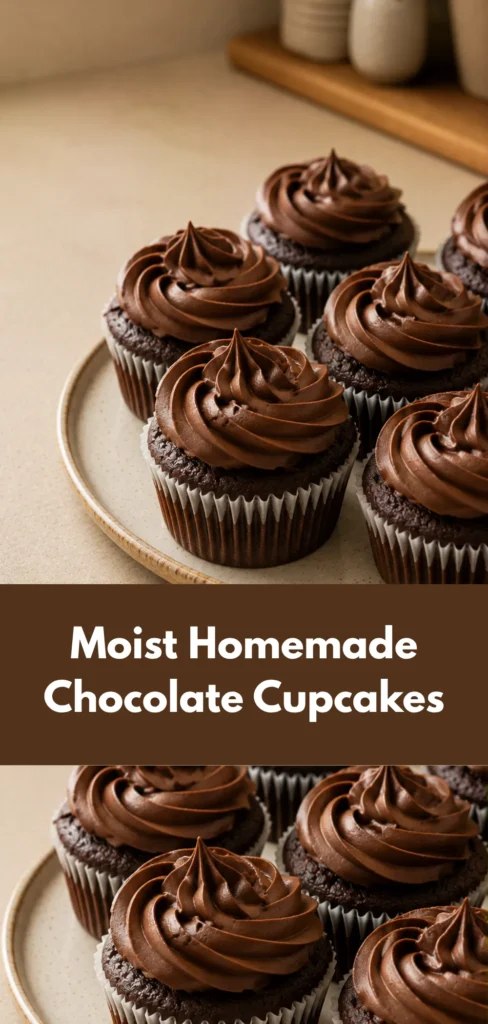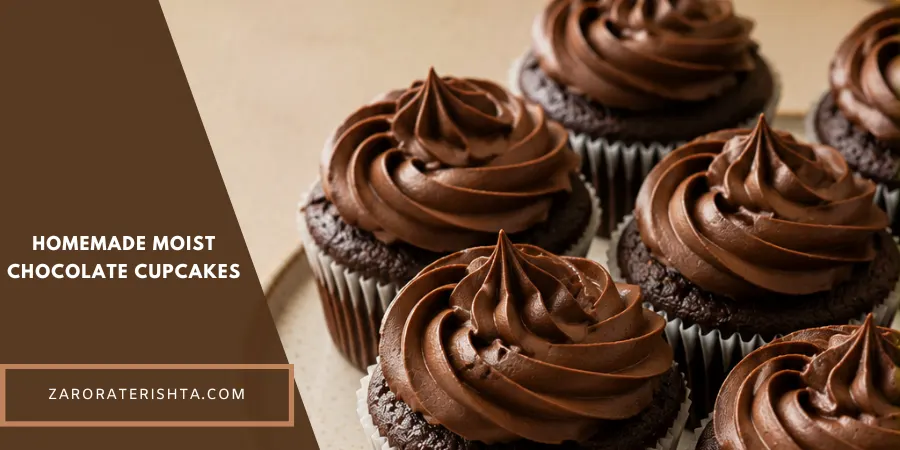
These homemade chocolate cupcakes are made from scratch with simple everyday ingredients while still delivering the deep chocolate flavor expected from a good chocolate cupcake. The combination of natural unsweetened cocoa powder, buttermilk, and oil creates a moist, tender crumb without making the preparation complicated.
Unlike traditional butter-based cupcake recipes, this formula does not require a creaming step. The oil-based batter comes together by combining wet and dry ingredients separately, which keeps the process simple while helping maintain a soft texture after baking.
Homemade Moist Chocolate Cupcakes-The Short Answer
Natural cocoa powder provides the main chocolate character, while buttermilk contributes moisture and acidity that supports the tender crumb. A small amount of espresso powder enhances the chocolate flavor without making the cupcakes taste like coffee.
Each cupcake is portioned evenly for consistent baking, with approximately 51 g batter per cupcake from the complete 610 g batter yield. The controlled portion size helps the cupcakes bake at a similar rate and creates a reliable batch of 12 standard cupcakes.
These cupcakes are practical for birthdays, holiday gatherings, potlucks, or everyday desserts. They can be served plain when you want the rich cocoa flavor and soft crumb to stand alone, or finished with chocolate frosting after they have completely cooled.
Why This Recipe Works
When making chocolate cupcakes, the goal is a cake that stays soft, moist, and flavorful without requiring complicated techniques. This recipe uses a balanced combination of natural cocoa powder, oil, buttermilk, sugar, and eggs to create a tender crumb with a rich chocolate profile.
The oil helps maintain moisture because it remains liquid at room temperature, allowing the cupcakes to stay soft even after cooling. Buttermilk adds moisture and acidity, which works with the baking soda to support the texture. Natural cocoa provides the main chocolate flavor, while espresso powder deepens the chocolate notes without becoming the dominant flavor.
The leavening system is carefully balanced. Baking powder provides additional lift, while baking soda works with the acidity from the buttermilk and natural cocoa powder. This combination helps create cupcakes that rise properly while maintaining a soft and tender structure.
The mixing method is another important part of the formula. Since this is an oil-based batter, there is no need to cream butter and sugar or use a mixer. The wet and dry ingredients are combined gently, and mixing stops once the dry ingredients disappear. This prevents unnecessary gluten development and helps keep the finished cupcakes tender rather than tough.
The complete batter weighs approximately 610 g and is divided into 12 standard cupcake liners, with about 51 g batter per cupcake. Keeping the portions consistent helps maintain the intended baking time, texture, and final yield.
Chocolate Cupcake Ingredients
These chocolate cupcakes use a simple ingredient list, but each ingredient has a specific role in creating the moist crumb, balanced chocolate flavor, and reliable texture.
For the dry ingredients, use:
- 125 g all-purpose flour
- 40 g natural unsweetened cocoa powder
- 4 g baking powder
- 2 g baking soda
- 1.5 g fine salt
- 2 g instant espresso powder
The flour provides the main structure of the cupcakes, while natural cocoa powder creates the chocolate flavor and contributes to the final crumb. Natural cocoa is important in this formula because its acidity works with the baking soda and buttermilk.
The espresso powder is optional but recommended because it enhances the depth of the chocolate flavor without making the cupcakes taste like coffee. The baking powder and baking soda work together to provide controlled lift while keeping the texture soft.
For the wet ingredients, use:
- 150 g granulated sugar
- 100 g whole egg from 2 large eggs
- 60 g vegetable or canola oil
- 120 g buttermilk
- 5 g pure vanilla extract
The sugar contributes sweetness while also helping retain moisture in the cupcake crumb. The eggs provide structure and help hold the batter together, while room-temperature eggs and buttermilk allow the ingredients to combine more evenly.
The oil is the primary fat in this recipe and is responsible for maintaining the soft, moist texture. Because oil remains liquid at room temperature, it helps the cupcakes stay tender after cooling without requiring a butter creaming step.
Buttermilk provides both liquid and acidity. Its acidity works with the baking soda while also contributing to the tender texture that makes these cupcakes soft and moist.
The complete ingredient balance works as one system. The 125 g flour and 40 g cocoa provide the dry structure, while 150 g sugar, 100 g egg, 60 g oil, and 120 g buttermilk provide the sweetness, moisture, fat, and structure needed for the final crumb.
For optional finishing, use:
- Chocolate buttercream frosting or another preferred frosting
Frosting is a separate component and should only be applied after the cupcakes have cooled completely. It is not included in the locked cupcake batter formula or nutrition calculation.
The locked formula yields 12 standard cupcakes with approximately 610 g total batter, or about 51 g batter per cupcake. Keeping these quantities unchanged helps maintain the intended baking time, texture, and final result.
How to Make Chocolate Cupcakes from Scratch
Start by preparing the oven and pan. Preheat the oven to 350°F (175°C) and allow it to fully preheat before baking. Line a standard 12-cup muffin pan with paper cupcake liners.
In a large mixing bowl, whisk together 125 g all-purpose flour, 40 g natural unsweetened cocoa powder, 4 g baking powder, 2 g baking soda, 1.5 g fine salt, and 2 g instant espresso powder.
Whisk the dry ingredients for approximately 20–30 seconds so the cocoa powder, salt, and leavening agents are evenly distributed throughout the mixture. This helps create a consistent texture and prevents concentrated pockets of cocoa or leavening.
In a separate medium bowl, whisk together 100 g whole egg, 150 g granulated sugar, 60 g vegetable or canola oil, 120 g room-temperature buttermilk, and 5 g pure vanilla extract.
Mix until the wet ingredients are smooth and evenly combined. Room-temperature eggs and buttermilk help the ingredients blend more easily and create a more uniform batter.
Create a well in the center of the dry ingredients. Pour the wet mixture into the dry mixture in two additions, gently whisking after each addition.
Mix only until the flour and cocoa are incorporated. Do not continue mixing to make the batter completely smooth. A few small lumps are acceptable.
The finished batter should be relatively thin and pourable. This consistency is normal for an oil-and-buttermilk chocolate cupcake batter and helps create the intended moist texture.
Divide the batter evenly among the 12 prepared cupcake liners. Use approximately 51 g batter per liner, filling each liner about halfway.
The halfway fill is intentional because the batter expands during baking. Overfilling the liners can lead to uneven tops, excessive spreading, or sinking after baking.
Place the muffin pan on the center oven rack and bake at 350°F (175°C) for 18–21 minutes.
Avoid repeatedly opening the oven during the first part of baking because temperature changes can affect how the cupcakes rise. Begin checking around 18 minutes by inserting a toothpick into the center of a cupcake.
The cupcakes are finished when the toothpick comes out clean or with a few moist crumbs attached, but there should be no wet batter.
Remove the pan from the oven and allow the cupcakes to rest in the pan for 5 minutes. Transfer them to a wire cooling rack and allow them to cool completely before adding frosting or storing.
If using chocolate buttercream or another frosting, prepare it separately and apply it only after the cupcakes are completely cool. Frosting quantities are not included in the locked cupcake formula or nutrition values.
For storage, keep completely cooled unfrosted cupcakes in an airtight container at room temperature for up to 2 days, or refrigerate them for up to 4 days. Allow refrigerated cupcakes to sit at room temperature for approximately 20–30 minutes before serving for a softer texture.
Variations
The base chocolate cupcake formula is designed to stay balanced, but the finished cupcakes can be customized through optional toppings and serving styles.
- Chocolate Buttercream Finish: Add chocolate buttercream after the cupcakes have cooled completely. This creates a richer dessert-style cupcake without changing the original cupcake texture.
- Simple Chocolate Frosting: Use a lighter frosting layer when you want the cocoa flavor of the cupcake itself to remain more noticeable.
- Plain Chocolate Cupcakes: Serve the cupcakes without frosting when you want the moist crumb and natural cocoa flavor to stand on their own.
- Decorative Finish: Add sprinkles, chocolate shavings, or other decorations after frosting for birthdays, holidays, or special occasions.
These variations are finishing options rather than changes to the cupcake batter. Keeping the original formula unchanged preserves the intended moist texture, chocolate flavor, and consistent 12-cupcake yield.
Notes and Baking Tips
For the best moist chocolate cupcakes, keep the wet and dry ingredients separate until the mixing stage. Combining them gently helps maintain a tender crumb and prevents unnecessary gluten development.
Measure the flour and cocoa accurately whenever possible. A food scale gives the most reliable results, while the spoon-and-level method is preferred when measuring by volume because scooping directly from the container can add excess dry ingredients.
Use natural unsweetened cocoa powder for this locked formula. Its acidity works together with the baking soda and buttermilk, while the cocoa provides the main chocolate flavor.
The 2 g instant espresso powder, approximately 1 teaspoon depending on the product, enhances the chocolate flavor without making the cupcakes taste like coffee. Increasing the amount is not recommended because it can distract from the cocoa profile.
Use room-temperature eggs and buttermilk so the wet ingredients combine evenly. The oil should remain at normal liquid room temperature and does not need to be heated.
Avoid overmixing the batter after the dry ingredients are added. Once the flour and cocoa disappear, stop mixing. The batter should remain relatively thin rather than becoming thick or elastic.
Fill each cupcake liner halfway with approximately 51 g batter. This formula is designed around this portion size, and filling the liners more heavily can affect the rise and final shape.
Bake the cupcakes at 350°F (175°C) for 18–21 minutes and begin checking around 18 minutes. A toothpick with a few moist crumbs is acceptable, while wet batter indicates the cupcakes need more time.
After baking, allow the cupcakes to rest for 5 minutes in the pan before transferring them to a cooling rack. Let them cool completely before frosting because warm cupcakes can soften the frosting and affect the final appearance.
For make-ahead preparation, bake the cupcakes up to 1 day in advance, allow them to cool completely, and store them tightly covered at room temperature. Unfrosted cupcakes can also be frozen for up to 2 months.
Useful tools include a 12-count muffin pan, cupcake liners, glass mixing bowls, whisk, silicone spatula, food scale, icing knife, and cupcake carrier. A food scale is especially useful for dividing the approximately 610 g batter evenly between the 12 cupcakes.
Nutrition
For one unfrosted chocolate cupcake, based on dividing the complete 12-cupcake batch into 12 equal servings, the estimated nutrition is:
- Calories: 155 kcal
- Total Fat: 6.4 g
- Saturated Fat: 1.1 g
- Total Carbohydrates: 23 g
- Dietary Fiber: 1.1 g
- Total Sugars: 13 g
- Protein: 3.1 g
- Cholesterol: 31 mg
- Sodium: 135 mg
These values are estimates based on the locked cupcake formula and standard food-composition data. Actual nutrition can vary slightly depending on the specific brands and ingredients used.
Chocolate buttercream, sprinkles, and other optional toppings are not included in these nutrition calculations because they are separate finishing options rather than part of the locked cupcake batter formula.
How to Store Chocolate Cupcakes
Allow the cupcakes to cool completely before placing them in an airtight container. Storing warm cupcakes can trap condensation, which may affect the surface texture and make the crumb less desirable.
For short-term storage, keep completely cooled unfrosted cupcakes in an airtight container at room temperature for up to 2 days. Store the container away from direct sunlight and excessive heat to help maintain the soft texture.
If longer storage is needed, refrigerate the cupcakes in an airtight container for up to 4 days. Before serving, allow refrigerated cupcakes to sit at room temperature for approximately 20–30 minutes so the crumb can soften and return closer to its original texture.
If the cupcakes are decorated with frosting, keep them covered and avoid stacking them directly against one another so the frosting remains intact and the decoration stays clean.
Can You Freeze Chocolate Cupcakes?
Yes, chocolate cupcakes can be frozen. For the best texture and easiest storage, freeze them unfrosted after they have cooled completely.
Individually wrap each cupcake and place the wrapped cupcakes in a freezer-safe container or bag. Freeze for up to 2 months.
When ready to use, transfer the cupcakes to the refrigerator and allow them to thaw gradually. Once thawed, bring them to room temperature before adding frosting and serving.
For the best result, frost the cupcakes after they have completely thawed rather than freezing them with frosting already applied. This keeps the cupcake formula separate from optional toppings and helps maintain the intended moist texture.
Frequently Asked Questions
Can I Use Dutch-Process Cocoa Instead of Natural Cocoa Powder?
This recipe is designed around natural unsweetened cocoa powder because its acidity works with the baking soda and buttermilk in the formula.
Using a different type of cocoa may change the flavor, color, and how the leavening system behaves. For the most predictable result, use natural cocoa powder as written in the recipe.
Why Are My Chocolate Cupcakes Dry?
Dry cupcakes are usually caused by inaccurate measurements, overbaking, or adding too much flour or cocoa.
This formula is designed around 125 g flour, 40 g cocoa powder, 60 g oil, and 120 g buttermilk to create a moist crumb. Measuring the ingredients accurately and removing the cupcakes when the toothpick shows clean crumbs rather than waiting for a completely dry result helps preserve the soft texture.
Can I Make These Cupcakes Ahead of Time?
Yes, these cupcakes can be prepared ahead. Bake them up to 1 day in advance, allow them to cool completely, and keep them tightly covered at room temperature.
For longer storage, freeze the unfrosted cupcakes for up to 2 months. Add frosting only after the cupcakes have thawed completely.
Why Should I Not Overmix the Batter?
Overmixing develops more gluten, which can make the cupcakes tougher and less tender.
This recipe uses an oil-based batter, so there is no need for extended mixing. Once the flour and cocoa disappear, the batter is ready. A few small lumps are acceptable and help maintain the intended soft crumb.
Can I Frost the Cupcakes While They Are Still Warm?
No. The cupcakes should cool completely before frosting.
Warm cupcakes can soften the frosting, cause it to slide, and affect the final appearance. Cooling also allows the crumb structure to finish setting properly.
Pinterest Pins