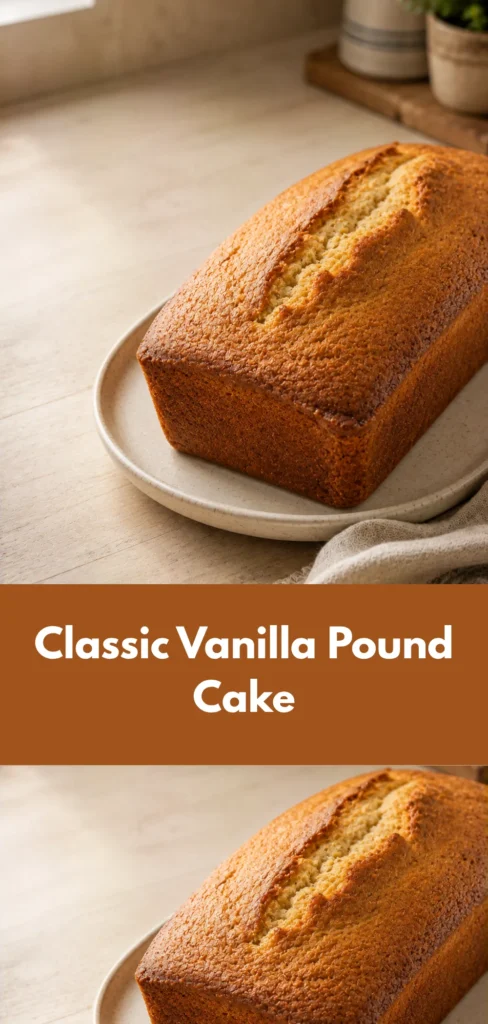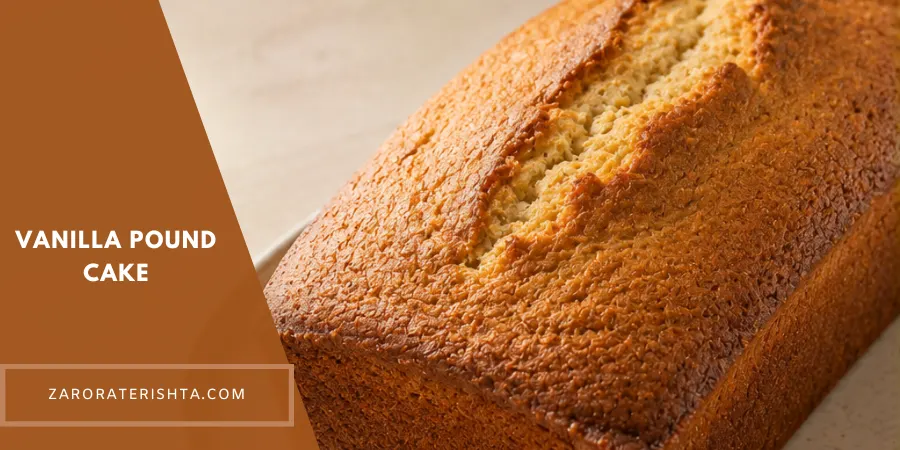
A vanilla pound cake is a classic cake made with butter, sugar, eggs, flour, and vanilla. This version uses a carefully balanced formula and a straightforward preparation method, making it practical for home baking while maintaining the rich character expected from a traditional pound cake.
Properly creamed butter and sugar help incorporate air into the batter, while the eggs provide structure, moisture, and additional natural lift. The finished cake has a rich buttery flavor with a naturally dense pound-cake crumb, but it remains tender and moist rather than dry or tough
Vanilla Pound Cake-The Short Answer
.
The sweetness is balanced so the vanilla and buttery flavors stay noticeable without becoming overwhelming. Each slice has the familiar richness of a classic pound cake while still feeling soft enough to enjoy on its own.
A slice can be served simply with coffee or tea for breakfast or an afternoon snack, or it can be paired with fresh berries, whipped cream, vanilla ice cream, or a little maple syrup for a more indulgent dessert.
This loaf-style pound cake is also practical for gatherings because it can be prepared ahead, sliced neatly, and stored well. The combination of a tender crumb, balanced sweetness, and clear vanilla flavor makes it a dependable recipe that feels familiar enough for everyday serving while still being special enough for dessert.
Why You’ll Love This
You can bake this classic pound cake in a loaf pan, making it easy to prepare, serve, and enjoy. The recipe is not complicated, but the finished cake still feels special, especially when paired with a simple vanilla glaze.
The buttery crumb gives every slice a rich texture, while the carefully controlled mixing method helps maintain a tender structure. The cake relies on properly creamed butter and sugar along with gradual egg incorporation rather than chemical leaveners, creating the traditional pound cake texture.
Pound cake is also wonderfully adaptable. It can be served simply, paired with berries and whipped cream, or enjoyed alongside coffee. Small flavor additions, such as citrus zest or a little almond extract, can create different variations without changing the underlying structure of the cake.
The finished loaf can also be frozen for up to three months when properly wrapped, making it a practical option for preparing ahead while maintaining good texture.
Ingredients Needed
A reliable vanilla pound cake depends on keeping the main ingredients in the correct proportions. This locked formula uses carefully measured ingredients to create a rich, buttery cake with a dense but tender crumb.
For the pound cake batter, use:
- 240 g all-purpose flour
- 300 g granulated sugar
- 227 g unsalted butter
- 200 g large eggs without shells
- 15 g pure vanilla extract
Measuring these ingredients by weight helps keep the formula consistent and reduces the variation that can come from different cup measurements.
The butter should be softened to approximately 18–21°C and remain soft rather than melted. It should be pliable enough for a finger to leave a small indentation but should not look greasy or oily.
Room-temperature eggs help the creamed butter mixture form a smoother emulsion. The sugar contributes sweetness while also supporting the creaming process, and the eggs provide structure, moisture, emulsification, and natural lift.
The flour provides the main structural framework of the cake. This formula intentionally contains no baking powder or baking soda because the cake relies on air incorporated during creaming and the natural leavening contribution of the eggs rather than chemical leaveners.
For the vanilla glaze, use:
- 43 g unsalted butter
- 120 g powdered sugar
- 10 g pure vanilla extract
- 35 g whole milk
The vanilla glaze provides a smooth finishing layer for the cooled cake. The butter is melted for the glaze, while the milk is added gradually so the consistency can be controlled.
The finished glaze should be smooth, thick, and pourable rather than watery. It should only be applied after the cake has completely cooled so it stays on the surface instead of becoming thin or sliding off.
Variations You’ll Love
A pound cake is easy to adapt while keeping the basic structure of the recipe unchanged.
- Citrus Variation: Add finely grated lemon or orange zest directly to the batter while keeping the 15 g vanilla extract unchanged. The zest adds a brighter aroma without introducing enough additional liquid to affect the formula.
- Almond Variation: Add 2.5 g pure almond extract while keeping the vanilla extract at 15 g. This creates a subtle almond bakery-style flavor without overpowering the vanilla.
- Fresh Berry Serving Variation: Serve fresh berries alongside the finished cake instead of folding them into the batter. Wet fruit can introduce additional moisture and interfere with the established crumb structure.
- Loaf Pan Variation: The primary formula is designed for an 8½ × 4½-inch loaf pan. A 9 × 5-inch loaf pan can also be used with the same approximately 982 g cake batter, but begin checking earlier because the wider pan creates a shallower batter depth.
These variations are best treated as optional adjustments rather than changes to the locked formula. Keeping the original ingredient balance helps preserve the intended rich texture and tender pound cake crumb.
How to Make Vanilla Pound Cake
Start by preparing the oven and pan. Preheat the oven to 350°F (177°C) and position the rack in the center. Grease an 8½ × 4½-inch loaf pan thoroughly, then line it with parchment paper so the cake can be removed easily after baking.
Measure the flour and keep it ready before beginning the batter. This helps prevent overmixing later because the flour can be added efficiently once the wet ingredients are properly combined.
Add 227 g softened unsalted butter and 300 g granulated sugar to a stand mixer bowl fitted with a paddle attachment. Beat on medium speed for approximately 8 minutes.
The mixture should become lighter in color, increased in volume, and creamy in texture. Scrape down the bowl and paddle as needed during mixing to ensure the butter and sugar combine evenly.
This creaming stage is important because the air incorporated into the butter provides much of the cake’s lift. Since the recipe does not use baking powder or baking soda, properly creaming the butter and sugar is essential for the final texture.
Add 200 g room-temperature eggs gradually, adding small amounts at a time while mixing on medium-low speed. Allow each addition to incorporate before adding more.
Scrape down the bowl halfway through the egg addition process. The batter may appear slightly separated at certain points, but it should become smoother as the eggs continue to blend with the butter mixture.
Add 15 g pure vanilla extract and mix briefly until evenly combined. The vanilla should distribute throughout the batter without excessive mixing.
Reduce the mixer speed to low and add 240 g all-purpose flour in 2–3 additions. Mix only until the flour disappears and the batter becomes smooth.
Avoid overmixing after the flour is added because excessive mixing can develop gluten and make the finished cake tougher rather than tender.
Transfer the batter into the prepared loaf pan and smooth the surface with a spatula. The batter should be evenly distributed so the cake rises and bakes consistently.
Place the pan on the center oven rack and bake for approximately 60–70 minutes.
Begin checking around the 60-minute mark. The cake is ready when the top is golden brown, the center feels firm, and a wooden skewer inserted into the middle comes out clean or with a few dry crumbs attached.
If the top begins browning too quickly before the center is fully baked, loosely cover the loaf with aluminum foil and continue baking until done.
Remove the cake from the oven and allow it to cool in the pan for 15 minutes. Then carefully lift it out using the parchment paper and transfer it to a wire rack.
Allow the cake to cool completely for approximately 60–90 minutes before adding the glaze.
For the vanilla glaze, melt 43 g unsalted butter and allow it to cool slightly. Add 120 g powdered sugar, 10 g pure vanilla extract, and 35 g whole milk gradually while whisking until the glaze becomes smooth.
Adjust the consistency if needed with small amounts of milk or powdered sugar. The glaze should be thick enough to coat the cake while remaining pourable.
Pour the glaze over the completely cooled cake and allow it to set briefly before slicing.
Expert Tips for the Best Vanilla Pound Cake
The most important step in this recipe is properly creaming the butter and sugar. The butter should be softened but not melted, because melted butter cannot hold and create the same air structure needed for a traditional pound cake texture.
Take the full 8 minutes for the creaming stage rather than relying only on appearance. The mixture should become lighter, fluffier, and increased in volume. This incorporated air helps the cake rise because the formula does not rely on chemical leaveners.
Room-temperature eggs are also important for maintaining a smooth batter. Cold eggs can cause the creamed butter mixture to tighten and may make it harder to create an even emulsion. Adding the eggs gradually helps the mixture stay stable.
Avoid rushing the flour stage. Once the flour is added, mix only until the batter is combined. Overmixing can develop gluten and create a denser, tougher texture instead of the tender crumb expected from pound cake.
Use an accurate oven temperature and avoid opening the oven door too early. The cake needs consistent heat during the first part of baking so the structure can develop properly.
The cake should not be judged only by the color of the crust. Use the skewer test and check that the center is fully baked. A golden exterior with an underbaked center can lead to a gummy texture.
Allow the cake to cool completely before glazing. Adding glaze while the loaf is still warm can cause the glaze to become thin and absorb into the cake instead of creating a smooth finishing layer.
For the cleanest slices, use a sharp knife and wipe it between cuts. The pound cake texture becomes easier to slice once fully cooled and rested.
Notes
For the best texture, allow the vanilla pound cake to cool completely before slicing and storing. The crumb continues to settle as the cake cools, and cutting it too early can affect the clean slice and tender texture.
Store the cooled cake in an airtight container or wrap it tightly to protect it from drying out. At room temperature, the cake maintains good quality for up to 5 days.
If the environment is warm or humid, refrigeration can help extend freshness. When refrigerated, allow slices to come closer to room temperature before serving because the butter in the cake firms as it chills and the texture becomes softer once warmed slightly.
The finished pound cake can also be frozen for up to 3 months. To freeze, wrap the completely cooled cake tightly in plastic wrap and place it in a freezer-safe container or bag.
For best results after freezing, thaw the cake overnight in the refrigerator or allow it to thaw at room temperature before serving. Avoid adding the vanilla glaze before freezing if you want the cleanest appearance, because the glaze texture may change during thawing.
For serving, this pound cake is delicious on its own with coffee or tea. It can also be paired with fresh berries, whipped cream, vanilla ice cream, maple syrup, or other simple toppings.
For cleaner slices, use a sharp knife and wipe the blade between cuts. This helps maintain the smooth crumb and keeps the glaze from dragging across the surface.
Frequently Asked Questions
Why Does Pound Cake Not Need Baking Powder or Baking Soda?
This vanilla pound cake is designed without chemical leaveners because it relies on the air incorporated during the butter and sugar creaming process along with the natural structure provided by the eggs.
Proper creaming creates tiny air pockets in the butter mixture. During baking, these air pockets expand and contribute to the cake’s rise while helping create the traditional pound cake texture.
Why Is My Pound Cake Dense or Heavy?
A pound cake should have a rich, dense texture, but it should still remain tender rather than heavy or dry.
A cake that feels unusually dense can result from insufficient creaming, adding eggs too quickly, overmixing after adding flour, or inaccurate ingredient measurements.
Following the full creaming time, incorporating eggs gradually, and mixing the flour only until combined helps maintain the intended texture.
How Do I Know When Vanilla Pound Cake Is Done?
The cake is ready when the top is golden brown, the center feels firm, and a wooden skewer inserted into the middle comes out clean or with a few dry crumbs attached.
Begin checking around the 60-minute mark because oven temperatures and pan materials can affect the exact baking time.
If the top browns too quickly before the center is finished, loosely cover the loaf with aluminum foil and continue baking until fully set.
Can I Make This Pound Cake Ahead of Time?
Yes, this pound cake is suitable for preparing ahead. Once completely cooled, it can be stored at room temperature for up to 5 days when properly wrapped.
For longer storage, the baked cake can be frozen for up to 3 months. Thaw before serving and allow it to return closer to room temperature for the best texture.
How Should I Serve Vanilla Pound Cake?
Vanilla pound cake can be served simply as a slice alongside coffee or tea, or dressed up with toppings.
Fresh berries, whipped cream, vanilla ice cream, maple syrup, or a simple glaze can all complement the buttery vanilla flavor without changing the cake’s structure.
Nutrition Information
For 1 serving, based on the complete vanilla pound cake recipe divided into 10 servings, the approximate nutrition is:
- Calories: 482 kcal
- Carbohydrates: 61 g
- Protein: 5.4 g
- Total Fat: 24.1 g
- Saturated Fat: 14.8 g
- Fiber: 0.9 g
- Sugar: 39 g
- Sodium: 20 mg
- Cholesterol: 118 mg
These values are approximate and based on the complete recipe formula, including the vanilla glaze. Actual nutrition can vary depending on the specific brands of butter, flour, sugar, eggs, vanilla extract, powdered sugar, and milk used.
The estimate is calculated from the finished cake divided into 10 equal servings. Serving size, glaze amount, and ingredient variations can slightly change the final nutritional values.
Pinterest Pins