My favorite way to welcome fall is with a warm bowl of roasted butternut squash soup. Every year, when the weather turns cooler, I make this recipe because roasting the vegetables brings out their natural sweetness and creates a rich, velvety soup without needing much cream.
The combination of roasted butternut squash, garlic, onion, and fresh herbs creates a deep homemade flavor that feels comforting and satisfying. Roasting the vegetables adds natural caramelized notes, giving the soup a richer taste than simply simmering the ingredients.
Roasted Butternut Squash Soup-The Short Answer
This roasted butternut squash soup is simple to make, naturally creamy, and perfect for weeknight dinners, holiday meals, or meal prep. Serve it with crusty bread, homemade croutons, or a crisp salad for a cozy meal that often tastes even better the next day.
Why You’ll Love This Roasted Butternut Squash Soup
This roasted butternut squash soup is a comforting fall recipe made with simple ingredients and naturally creamy roasted vegetables. The roasting process brings out the squash’s sweetness while garlic, onion, sage, thyme, and ginger add warmth and depth.
You’ll love this recipe because:
- Easy to Make: Roasting the vegetables creates rich flavor while keeping the preparation simple.
- Naturally Creamy: The blended squash creates a smooth texture without relying on flour or heavy thickeners.
- Perfect for Fall: Warm spices and fresh herbs make it ideal for cooler days, holiday meals, and cozy dinners.
- Flexible Recipe: Choose heavy cream, full-fat coconut milk, or cashew cream depending on your preference.
- Meal Prep Friendly: The flavors develop even more after resting, making it a great make-ahead soup.
Whether you serve it as a starter or a complete meal with bread and toppings, this soup delivers a balanced combination of sweet roasted vegetables, savory herbs, and creamy texture in every spoonful.
Ingredients
A great roasted butternut squash soup starts with fresh, simple ingredients that allow the natural sweetness of the squash to shine. Each ingredient adds flavor, texture, or richness while helping create the smooth, comforting consistency of the finished soup.
Butternut Squash
Choose 1 medium to large butternut squash (about 3 pounds). Peel the squash, remove the seeds, and cut it into evenly sized cubes so it roasts evenly.

Roasting the squash helps develop a deep caramelized flavor and brings out its natural sweetness. The seeds can also be roasted separately and used as a crunchy garnish before serving.
Aromatics and Herbs
For the soup base, use:
- 2 tablespoons extra-virgin olive oil
- 1 large yellow onion
- 1 whole head of garlic
Yellow onion becomes naturally sweet when roasted, while roasted garlic adds a mellow, rich flavor that blends smoothly into the soup.
Fresh sage is the main herb, supported by thyme and a small amount of rosemary. Grated fresh ginger and ground nutmeg add warmth, while sea salt and freshly ground black pepper balance the overall flavor.
Broth and Creamy Ingredients
Use 4 cups of low-sodium vegetable broth to blend the roasted vegetables into a smooth and creamy soup.
If needed, chicken broth can be used instead.
For extra richness, choose one creamy addition after blending:
- Heavy cream
- Full-fat coconut milk
- Cashew cream
Using only one creamy option helps maintain the right balance of flavor and texture. Finish the soup with 1 tablespoon of butter for added richness.
Add maple syrup only if the roasted squash needs a little extra sweetness, since naturally ripe butternut squash is already sweet.
Garnishes and Serving Ingredients
For serving, finish each bowl with:
- Roasted pumpkin seeds
- Chopped fresh parsley or sage
- Freshly cracked black pepper
Homemade croutons or slices of crusty bread also make an excellent addition and turn this soup into a more complete and satisfying meal.
Ingredient Notes
For the best results, choose a butternut squash that feels heavy for its size and has firm, unblemished skin. A ripe squash will provide better natural sweetness and create a richer soup flavor.
Cut the squash into evenly sized pieces so all the vegetables roast at the same rate. This helps prevent some pieces from becoming overcooked while others remain underdone.
The combination of roasted vegetables, fresh herbs, broth, and a creamy finish creates a smooth soup without needing flour or other thickeners.
How to Make This Roasted Butternut Squash Soup
This roasted butternut squash soup comes together in a few simple steps. Roasting the vegetables first creates a deeper flavor, while blending everything together creates the smooth and velvety texture that makes this soup so comforting.
Roast the Vegetables
Preheat the oven to 400°F (205°C) and line a rimmed baking sheet with parchment paper.
Peel the butternut squash, remove the seeds, and cut it into evenly sized cubes. Slice the onion into large wedges, then place the squash and onion on the prepared baking sheet.
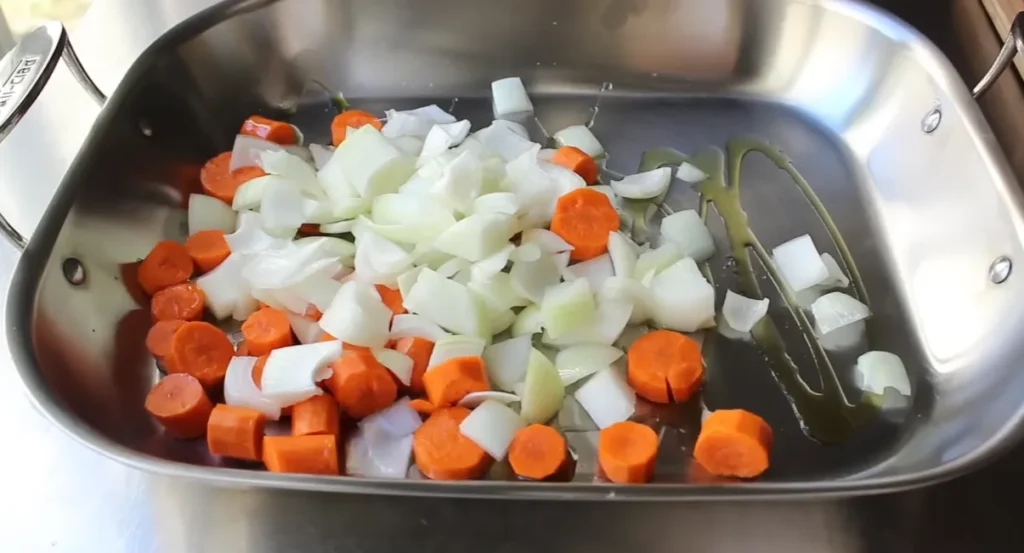
Toss the vegetables with olive oil, salt, black pepper, fresh sage, and thyme until lightly coated. Arrange everything in a single layer so the vegetables roast properly instead of steaming.
Trim the top off the garlic head, drizzle it with a small amount of olive oil, wrap it in foil, and place it on the baking sheet with the vegetables.
Roast for 35–45 minutes, turning the squash halfway through, until the vegetables are fork-tender and lightly caramelized. Roasting brings out the natural sweetness of the squash and creates the rich flavor that gives this soup its signature taste.

Blend Until Smooth
Allow the roasted vegetables to cool for a few minutes before handling.
Squeeze the softened garlic cloves from their skins and transfer them to a stand blender along with the roasted squash, onion, vegetable broth, fresh ginger, and seasonings.
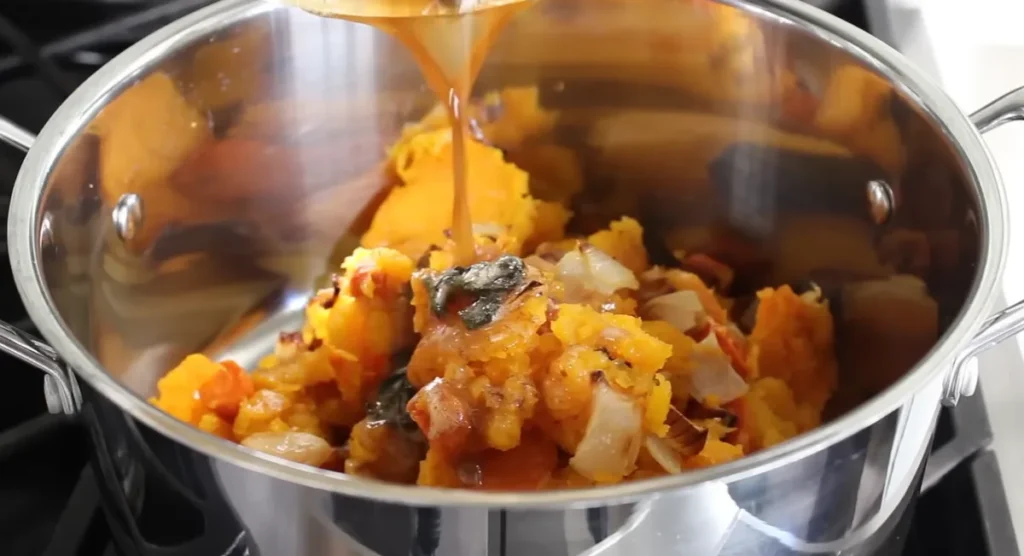
Blend until completely smooth and velvety, working in batches if needed.
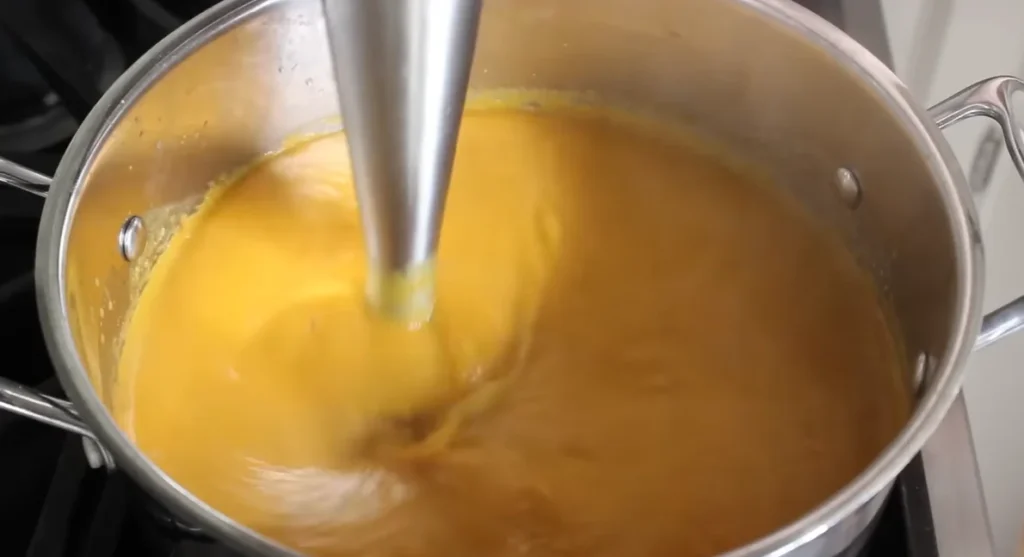
If using a high-powered blender, avoid filling it above the recommended level when blending hot ingredients. Keep the lid slightly vented and cover it with a folded kitchen towel to help release steam safely while preventing splatters.
For a thinner soup, add a little more vegetable broth while blending until you reach your preferred consistency.
Finish the Soup
Pour the blended soup into a large pot and warm it gently over medium-low heat.
Stir in one creamy option based on your preference:
- Heavy cream
- Full-fat coconut milk
- Cashew cream
Avoid adding multiple creamy ingredients together because one option is enough to create a smooth, rich texture.
Add 1 tablespoon of butter for extra richness, then taste the soup and adjust the seasoning if needed.
If the squash is not naturally sweet enough, add a small amount of maple syrup to balance the flavor.
Serve the Soup
Ladle the roasted butternut squash soup into bowls and finish with your favorite toppings.
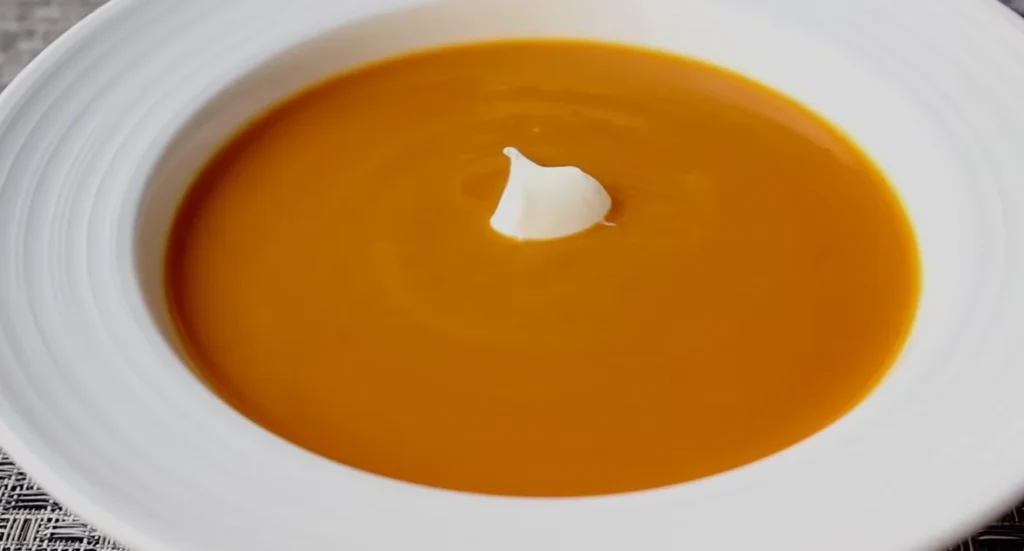
Recommended toppings include:
- Roasted pumpkin seeds
- Chopped fresh parsley or sage
- Freshly cracked black pepper
- Homemade croutons
Serve warm with crusty bread or a crisp salad for a comforting meal that works well for lunch, dinner, or holiday gatherings.
Notes and Cooking Tips
Choose the Right Squash
Select a butternut squash that feels heavy for its size and has firm, unblemished skin. A ripe squash will have better natural sweetness and create a richer tasting soup.
Cut Vegetables Evenly
Cut the squash into similar-sized cubes so all the vegetables roast at the same rate.
Uneven pieces may cause some vegetables to become too soft while others remain undercooked.
Avoid Overcrowding the Baking Sheet
Spread the vegetables in a single layer with enough space between pieces.
Overcrowding can cause the vegetables to release moisture and steam instead of developing the caramelized flavor that makes roasted squash soup special.
Handle Hot Soup Safely
When blending hot ingredients, work carefully to prevent pressure buildup from steam.
Blend in batches if necessary, avoid overfilling the blender jar, and keep the lid slightly vented while covering it with a kitchen towel.
Add Cream After Blending
Add heavy cream, coconut milk, or cashew cream after the soup has been blended.
Keep the heat low and avoid boiling after adding dairy or cream alternatives to maintain a smooth texture.
Adjust Sweetness and Seasoning
The sweetness of butternut squash can vary depending on the size and ripeness of the squash.
Taste the soup before serving and add maple syrup only if needed. Adjust salt, pepper, and herbs according to your preference.
Storage
This roasted butternut squash soup is a great make-ahead recipe because the flavors often become even better after resting. The roasted vegetables, herbs, and seasonings have more time to blend together, creating an even richer flavor the next day.
Allow the soup to cool completely before storing. Transfer it to an airtight container and keep it in the refrigerator for up to 4–5 days.
For the best texture, store toppings separately. Keep roasted pumpkin seeds, fresh herbs, and croutons in separate containers and add them just before serving to maintain their freshness and crunch.
Freezing Roasted Butternut Squash Soup
This soup freezes well, making it a convenient option for meal prep or busy days.
Allow the soup to cool completely, then transfer it into freezer-safe containers, leaving some space at the top for expansion.
Freeze for up to 2–3 months.
For the best results, consider freezing the soup before adding heavy cream, coconut milk, or cashew cream. Add your preferred creamy ingredient after thawing and reheating to maintain the smoothest texture.
When ready to serve, thaw the soup overnight in the refrigerator. Reheat gently on the stovetop over medium-low heat, stirring occasionally.
If the soup becomes thicker after storage, add a small amount of vegetable broth until it reaches your preferred consistency.
Serving Suggestions
This roasted butternut squash soup is comforting on its own, but simple additions can turn it into a complete meal.
Serve it with:
- Crusty bread for dipping into the creamy soup.
- Homemade croutons for extra texture.
- A crisp green salad to balance the richness.
- Roasted vegetables for a hearty fall meal.
- A grilled sandwich for a cozy lunch combination.
For a beautiful presentation, finish each bowl with roasted pumpkin seeds, chopped fresh sage or parsley, and freshly cracked black pepper.
Nutrition
The nutritional values below are estimates and may vary depending on the ingredients and creamy option you choose. Using heavy cream, coconut milk, or cashew cream will slightly change the calorie and fat content.
Nutrition Per Serving:
- Calories: 154
- Total Fat: 6.8g
- Saturated Fat: 2.4g
- Cholesterol: 7.6mg
- Sodium: 1,244.8mg
- Carbohydrates: 24.3g
- Fiber: 3.7g
- Total Sugars: 6.9g
- Protein: 2.7g
This roasted butternut squash soup is naturally rich in vitamin A and also provides vitamin C, iron, calcium, potassium, magnesium, and several B vitamins.
The roasted squash provides most of the fiber and nutrients, while the vegetables create a naturally creamy texture without needing flour or other thickeners.
Nutrition values are estimates and may vary depending on brands, substitutions, and serving size.
Frequently Asked Questions
Can I make roasted butternut squash soup ahead of time?
Yes. This soup is a great make-ahead recipe and often tastes even better the next day as the roasted vegetables, herbs, and seasonings continue to develop.
Store it in an airtight container in the refrigerator and gently reheat before serving.
Can I freeze butternut squash soup?
Yes. Roasted butternut squash soup freezes well for up to 2–3 months.
For the best texture, freeze the soup before adding heavy cream, coconut milk, or cashew cream. Add your preferred creamy ingredient after thawing and reheating.
How can I make this soup creamier?
The blended roasted squash naturally creates a smooth and creamy texture without needing flour or thickeners.
For extra richness, add one option after blending:
- Heavy cream
- Full-fat coconut milk
- Cashew cream
Can I make butternut squash soup without cream?
Yes. This soup is naturally creamy because of the roasted squash.
You can skip the cream completely or use coconut milk or cashew cream if you prefer a dairy-free option.
How can I thicken roasted butternut squash soup?
If the soup is thinner than you prefer, simmer it uncovered for a few minutes to allow some liquid to evaporate.
You can also blend additional roasted squash into the soup to create a thicker texture.
Can I use frozen butternut squash?
Yes. Frozen butternut squash can be used when fresh squash is unavailable.
However, roasting fresh squash usually creates deeper caramelized flavor because the natural sugars develop during roasting.
Final Thoughts
This roasted butternut squash soup is a simple recipe that turns everyday ingredients into a comforting homemade meal. Roasting the vegetables creates deep flavor, while fresh herbs, garlic, and creamy additions create a smooth and satisfying texture.
The best part about this soup is how flexible it is. You can adjust the creaminess, choose different toppings, prepare it ahead, and customize it based on your preferences.
Whether you serve it during fall, prepare it for a holiday meal, or enjoy it as a cozy weeknight dinner, this roasted butternut squash soup is a recipe worth making again and again.