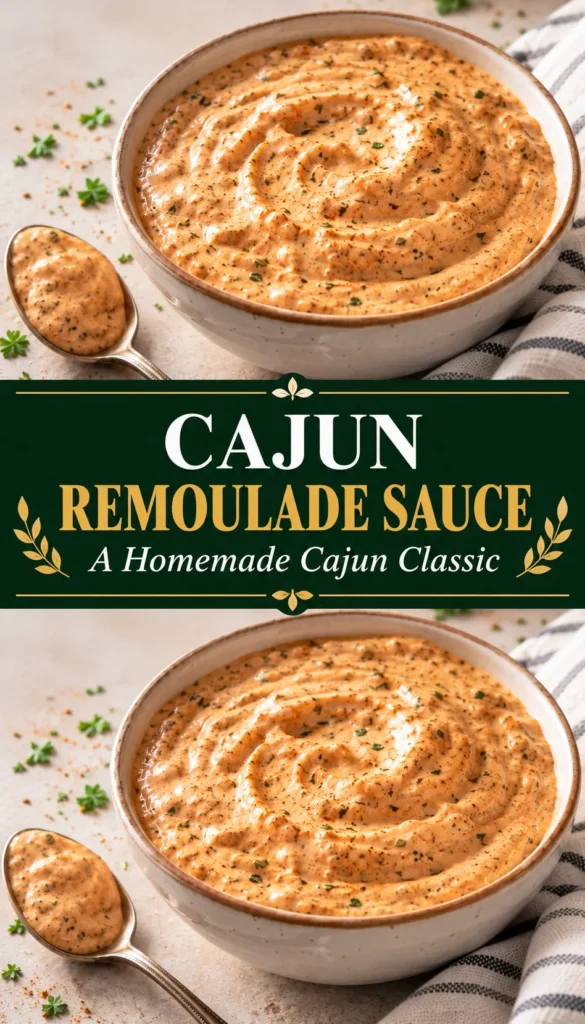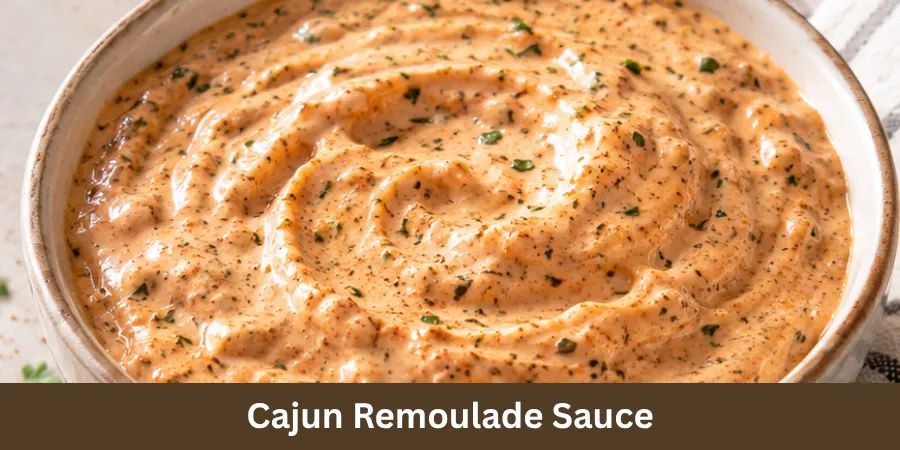
This Cajun Remoulade Sauce is an easy way to add rich Cajun flavor to everyday meals. It has a creamy base with a pleasant kick from Cajun seasoning, horseradish, and hot sauce, while mustard, lemon juice, and Worcestershire sauce help keep the flavor balanced.
In my experience with making sauces, the best remoulade has enough spice and sharpness to complement the main dish without overpowering it.
Cajun Remoulade Sauce-The Short Answer
Serve this remoulade sauce as a condiment or dipper with fried fish, crab cakes, shrimp, fries, and fried pickles. It also works well on sandwiches, burgers, and other seafood dishes.
The sauce can be served immediately when needed, but refrigerating it for 1–2 hours gives the garlic, mustard, horseradish, and spices time to blend with the creamy base. This makes the flavor more rounded and gives the sauce a better texture for spreading or dipping.
Why You’ll Love It
A quick remoulade recipe makes it easy to bring the bold flavors of Louisiana to your home kitchen.
Years ago, I made shrimp po’boys for my mom and served them with homemade remoulade. I’ve adjusted the recipe over time until it reached the balance I wanted. The result is a zesty and creamy sauce with plenty of flavor for seafood and shrimp.
This mayonnaise-based sauce gets its creamy texture from mayonnaise, while mustard, prepared horseradish, garlic, Worcestershire sauce, lemon juice, Cajun seasoning, smoked paprika, cayenne, hot sauce, and parsley build its flavor. The Cajun seasoning provides the main Cajun character, while smoked paprika adds warm color and subtle smoky depth. Lemon juice balances the richness, and horseradish adds the sharpness that gives the sauce its distinctive kick.
Cajun Remoulade Sauce is a versatile condiment that works well as a dip or spread. It pairs naturally with shrimp, fried seafood, po’boys, sandwiches, and other dishes where a creamy sauce with bold Cajun flavor fits well.
The sauce can also be chilled before serving so the garlic, mustard, horseradish, Worcestershire sauce, and spices have time to blend into the mayonnaise base.
Ingredients Needed
- 1 cup mayonnaise
- 2 tablespoons Creole or whole-grain mustard
- 1 small garlic clove, finely minced or grated
- 1 tablespoon prepared raw horseradish
- 1 teaspoon Worcestershire sauce
- 1 teaspoon fresh lemon juice
- 1 teaspoon Louisiana-style hot sauce
- ½ teaspoon Cajun seasoning
- ½ teaspoon smoked paprika
- ⅛ teaspoon cayenne
- 1 tablespoon finely chopped fresh parsley
Ingredients Notes
The base of this Cajun Remoulade Sauce starts with mayonnaise. Use 1 cup mayonnaise to create the creamy texture and smooth consistency of the sauce. Hellmann’s and Duke’s both work well for this recipe.
Mustard adds tang, acidity, and depth to the sauce. Use 2 tablespoons Creole or whole-grain mustard. Creole mustard adds a slightly sharper flavor, while whole-grain mustard provides texture from the mustard seeds.
Fresh garlic adds savory depth, while prepared raw horseradish provides the characteristic sharp flavor associated with remoulade. Use 1 small garlic clove, finely minced or grated, and 1 tablespoon prepared raw horseradish. Raw prepared horseradish is preferred over creamy horseradish sauce because it provides the intended sharpness without changing the texture of the recipe. If fresh garlic isn’t available, substitute ¼ teaspoon garlic powder or garlic granules for the 1 small clove.
Worcestershire sauce adds concentrated savory depth. Use 1 teaspoon Worcestershire sauce to enhance the flavor without overpowering the other ingredients. It works with the mustard, garlic, and Cajun seasoning to create a more balanced sauce.
Fresh lemon juice helps balance the richness of the mayonnaise. Use 1 teaspoon fresh lemon juice to add brightness and acidity.
Louisiana-style hot sauce adds pepper heat and acidity, with 1 teaspoon used in the base recipe. The amount can be adjusted later depending on your preferred spice level.
Cajun seasoning creates the main Cajun flavor of the sauce. Use ½ teaspoon Cajun seasoning along with ½ teaspoon smoked paprika. The smoked paprika adds warm color and subtle smoky depth, while Cajun seasoning provides the signature seasoning profile.
Use ⅛ teaspoon cayenne for controlled background heat. Cayenne can be omitted if you prefer a milder version. Adding it in a small amount allows the sauce to have spice without overpowering the creamy base.
Finish the sauce with 1 tablespoon finely chopped fresh parsley. Parsley adds freshness and visual contrast while helping balance the richer ingredients.
Taste the finished sauce before adding extra salt because Cajun seasoning and Worcestershire sauce can already contribute sodium.
How to Make Cajun Remoulade
Making Cajun Remoulade from scratch is simple when the ingredients are added in stages.
Start with full-fat mayonnaise, Creole or whole-grain mustard, and prepared raw horseradish in a medium mixing bowl. Whisk them together until the mixture becomes smooth and evenly blended.
Next, add the minced garlic, Worcestershire sauce, lemon juice, Cajun seasoning, smoked paprika, cayenne, hot sauce, and parsley. Mix everything together until the sauce is uniform and the seasonings are well distributed throughout the creamy base.
Give the sauce a taste before making any adjustments. If it needs more acidity, add a small amount of lemon juice. For extra heat, use a little more hot sauce or cayenne. If the Cajun flavor feels too mild, add a small amount of additional Cajun seasoning. If the horseradish or mustard tastes too sharp, mix in a tablespoon of mayonnaise to soften the flavor.
The engineered recipe does not call for adding salt automatically, so it is better to taste the sauce first and adjust only when needed. This helps maintain a balanced flavor without making the sauce too salty.
Once the texture and flavor are right, transfer the sauce to an airtight container. Cover it and refrigerate for at least 1 hour. Although it can be served sooner, chilling it for 1–2 hours gives the garlic, mustard, horseradish, Worcestershire sauce, and spices more time to blend into the mayonnaise base.
Once chilled, check the texture before serving. The sauce should be thick and spoonable, spread easily, and cling to fried seafood rather than run off. There shouldn’t be any watery separation on top. If it has firmed up slightly in the fridge, just stir it gently before serving.
I prefer preparing it in the morning when I know it will be served at dinner, but it can also be made closer to serving time. The sauce can be served immediately when time is limited, but resting it in the refrigerator gives the flavor a more integrated character.
When needed, serve the sauce with seafood, sandwiches, or other dishes that pair well with its creamy, tangy, and spicy profile. The resting time helps create a smoother texture and a more balanced flavor throughout the sauce.
A quick food-safety note: since this is a mayonnaise-based sauce with fresh garlic and parsley, don’t leave it sitting out at room temperature for more than 2 hours.
Variations of This Recipe
When making this recipe, I recommend preparing it as written the first time so you can understand the intended taste and balance. Once you know the flavor, it is simple to adjust the sauce based on your preference.
If Creole mustard is difficult to find where you live, whole-grain mustard is a good option. You can also use grainy mustard for a slightly different texture and flavor.
For a less zesty sauce, reduce the amount of horseradish, mustard, Cajun seasoning, or hot sauce. For a more zesty version with extra kick, increase these ingredients gradually. Adding strong ingredients in small amounts helps maintain the balance of the sauce without allowing one flavor to overpower the others.
If you want to adjust the heat without adding more cayenne, a couple of dashes of hot sauce can be used instead. This gives you more control over the spice level while keeping the creamy base and Cajun character intact.
For extra texture, try adding a few stir-ins in small amounts. Minced pickles can add extra tang and texture while keeping the Cajun flavor profile. Make these variations gradually, then taste and adjust as needed.
Serving Suggestions
One of my favorite ways to serve remoulade sauce is with seafood, sandwiches, and other crispy foods. It pairs especially well with shrimp po’boys, chicken sandwiches, burgers, crab cakes, fried fish, and fried oysters. It also works with blackened fish and breaded seafood, making it a useful sauce for both meals and appetizers.
As a dip, it goes well with French fries, fried pickles, and fried green tomatoes. I especially like it with fried shrimp because the creamy sauce balances the crisp coating. For a casual spread, it can also be served with seafood sandwiches or shrimp appetizers.
For individual dipping, about 1 tablespoon per person is a practical serving amount. Use 1–2 tablespoons per sandwich or with a serving of crab cakes or seafood. When serving it as part of a shared appetizer, start with about ¼ cup and add more if needed.
Storage
When I make remoulade sauce ahead, I store it in an airtight container and keep it refrigerated.
You can make this sauce 1–2 days ahead, then cover it well and keep it chilled until needed. For the best quality, use it within 5–7 days, since this recipe contains fresh garlic and parsley. Keep it covered between uses and always use clean utensils when serving.
For freezing, I do not recommend freezing this sauce. The mayonnaise-based mixture can potentially separate during freezing and thawing, which may affect its smooth texture. Refrigerator storage is the better option for maintaining the intended consistency.
Expert Tips
- For dipping, about 1 tablespoon per person is a practical serving size.
- For seafood or crab cakes, 1–2 tablespoons per serving is usually enough.
- This recipe makes approximately 1¼ cups or about 20 tablespoons.
- The batch can be halved for a smaller amount or doubled when more is needed.
- Use raw prepared horseradish rather than creamy horseradish sauce.
- The recipe calls for fresh garlic, but ¼ teaspoon garlic powder or granules can be used as a substitute for 1 small clove when needed.
- Creole mustard or whole-grain mustard both work well.
- Different Cajun seasoning blends can also be used, but check the salt level before adding any extra salt.
- After chilling, check the texture: it should be thick, spoonable, and cling to food rather than run off.
Notes
When using a Cajun seasoning that already contains salt, such as Tony Chachere’s, taste the sauce before adding extra salt. Different brands can have different salt levels, so adjusting after tasting gives you better control over the final flavor.
For the mustard, I use Maille Old Style Mustard, a whole-grain option that adds texture and tang. Creole mustard can be difficult to find depending on your location, so a mustard made from whole seeds is a suitable substitute when needed.
For the horseradish, use raw prepared horseradish rather than creamy horseradish sauce.
Fresh garlic is preferred, but garlic powder or granules can be used when fresh garlic is unavailable — use ¼ teaspoon in place of the 1 small clove.
Any Cajun seasoning blend can work, but check its salt level before making further adjustments.
This sauce is best kept refrigerated and isn’t meant to sit out for long periods — treat it the way you would any mayonnaise-based dressing.
Nutrition
A 1-tablespoon serving of Cajun Remoulade Sauce contains:
- 78 kcal
- 0.5 g carbohydrates
- 0.2 g protein
- 8.5 g total fat
- 1.2 g saturated fat
- 0.1 g fiber
- 0.2 g sugar
- 133 mg sodium
- 5 mg cholesterol
These values are based on the complete recipe divided into 20 equal servings. The nutrition information may vary slightly depending on the specific mayonnaise, mustard, Cajun seasoning, and hot sauce brands used, since ingredient nutrition values can differ between brands.
FAQ’s
What to Make With Remoulade Sauce?
The first thing that may come to mind is crab cakes, but this creamy sauce works with much more than that. Serve it alongside fried seafood such as shrimp, oysters, or fish, or use it as a dipper for fries and other fried foods.
It also pairs well with seafood sandwiches and fried pickles, making it a versatile homemade condiment for different meals.
Why Make Remoulade Sauce Instead of Buying It?
The main benefit of making it yourself is having more control over the final flavor. You choose the ingredients and can control the quality of the sauce while adjusting the salt and spice levels after tasting.
Since Cajun seasoning and Worcestershire sauce can already add sodium, the recipe recommends tasting before adding extra salt. This approach makes it easier to balance the flavor without unnecessarily changing the recipe.
How do I know the sauce turned out right?
After chilling, the sauce should be thick enough to hold its shape on a spoon and spread easily without running. It should cling to fried food rather than sliding off, with no watery separation visible on top.
If it looks slightly firmer straight from the fridge, just give it a gentle stir before serving.
Pinterest Pins