I love fajitas, but I do not always want to stand over a super hot griddle or hot stove to get that restaurant-style experience. It can also fill the kitchen with a smoky smell, which is not always ideal for a relaxed dinner.
For a more practical approach, I make baked fajitas instead. They are mostly hands-off, and roasting the peppers and onions gives them browned edges and some caramelization without requiring constant attention.
Chicken Fajitas-The Short Answer
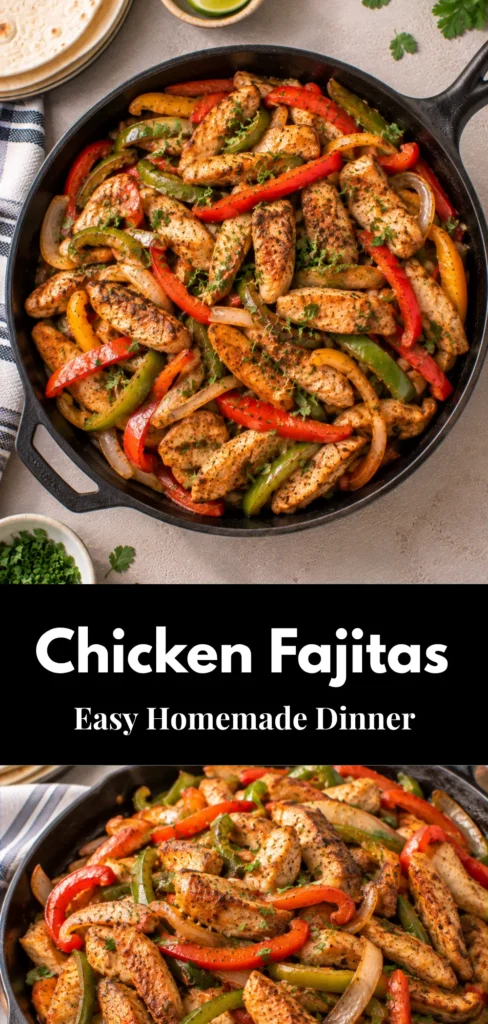
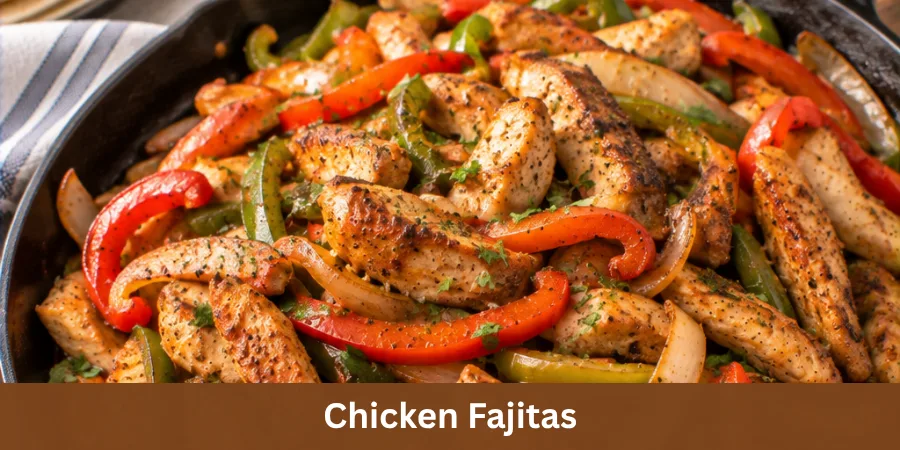
My go-to method is Sheet Pan Chicken Fajitas. It is a one-pan meal made with seasoned chicken and vegetables tossed in a flavorful spice rub and roasted together.
Keeping everything spread out on the pan helps the ingredients brown instead of simply steaming. The chicken is cut into manageable strips so it cooks efficiently, while the vegetables develop the roasted texture that makes this a practical and simple one-pan dinner.
I serve the fajitas in warm flour tortillas with favorite toppings such as sour cream, guacamole, pico de gallo, or shredded cheese. This method does not try to recreate the exact cooking process of restaurant fajitas.
Instead, it offers an easier dinner with less time spent at the stove while still giving you tender chicken, roasted vegetables, and nicely browned edges.
Why You’ll Love
A good weeknight dinner should be simple without tasting rushed. This recipe keeps things practical by roasting seasoned chicken breasts and vegetables together on a sheet pan at high heat.
Cutting the chicken into thin strips helps it cook in a short time, while giving the vegetables enough room on the pan helps them develop browned edges instead of steaming.
From my experience, keeping everything in a single layer makes a noticeable difference in both texture and browning.
It is a quick and easy meal that works for a relaxed fajita night or a larger spread with warm tortillas, rice, beans, and other sides.
You can keep it casual with a few simple toppings or serve it as a more complete dinner. The high-heat cooking method also helps prevent the chicken from becoming dry while the roasted vegetables add flavor and texture.
That flexibility is what makes this a winning dinner when you want something satisfying without a complicated cooking process.
Ingredients Needed
1½ lb boneless, skinless chicken breasts, cut into ½-inch strips
3 medium bell peppers, about 450 g total, cut into ¼-inch strips
1 medium-large yellow onion, about 200 g, sliced into ¼-inch strips
1 medium jalapeño, about 15–20 g, thinly sliced (optional)
2½ tablespoons olive oil, about 37 ml
1 tablespoon chili powder
1½ teaspoons paprika
1½ teaspoons ground cumin
½ teaspoon garlic powder
½ teaspoon onion powder
¼ teaspoon dried oregano
¼ teaspoon cayenne pepper
1 teaspoon kosher salt
½ teaspoon freshly ground black pepper
1 medium lime
¼ cup fresh cilantro, about 10 g, chopped
10 small flour tortillas, preferably 6-inch tortillas
Ingredients Notes
For these chicken fajitas, I use 1½ lb of boneless, skinless chicken breasts. Cut the chicken into ½-inch strips and slice against the grain where practical.
This size works well for a high-heat sheet pan method because the chicken cooks efficiently while still staying tender.
The chicken is seasoned with the fajita spice blend and coated with olive oil before roasting. This helps the seasoning stick to the surface and supports better browning during cooking.
For the vegetables, use 3 medium bell peppers, about 450 grams total.
A mix of red bell peppers, green bell peppers, and yellow bell peppers adds colour variety and creates a balanced roasted flavour.
Remove the seeds and stems, then cut the peppers into ¼-inch strips.
Add 1 medium-large yellow onion, about 200 grams, sliced into ¼-inch strips. The onion develops additional sweetness and browning as it roasts with the peppers.
An optional medium jalapeño can be thinly sliced for extra heat.
The jalapeño is not included in the fixed 650 grams of peppers and onion.
Use 2½ tablespoons olive oil, about 37 ml in total.
Divide the oil between the chicken and vegetables:
- 1½ tablespoons for the chicken
- 1 tablespoon for the vegetables
The oil helps the seasoning coat the ingredients, reduces sticking to the pan, and supports browning as everything roasts.
The seasoning blend uses chili powder, paprika, ground cumin, garlic powder, onion powder, dried oregano, cayenne pepper, kosher salt, and freshly ground black pepper.
This combination creates the classic fajita flavour profile with warm spices, savoury notes, and a mild amount of heat.
The seasoning coats both the chicken and vegetables, helping create browned edges during the high-heat roasting process.
For the fresh finish, use 1 medium lime and ¼ cup fresh cilantro, about 10 grams, chopped.
Use approximately half of the lime for juice after cooking and cut the remaining half into wedges for serving.
The fresh lime juice adds acidity that balances the roasted flavours and keeps the fajitas tasting bright.
The cilantro adds a fresh herbal finish after roasting.
For serving, use 10 small flour tortillas, preferably 6-inch tortillas.
This provides approximately 2 tortillas per serving for 5 servings.
Fill the warm tortillas with the cooked chicken and roasted vegetables, then add toppings such as sour cream, guacamole, pico de gallo, sliced avocado, or shredded cheese.
Additional options include shredded romaine, iceberg lettuce, shredded cheddar, Monterey Jack, Colby, or Mexican blend cheese.
Extra lime wedges can also be served alongside the fajitas.
How to Make Chicken Fajitas
Start by preparing the fajita seasoning.
In a small bowl, combine:
- 1 tablespoon chili powder
- 1½ teaspoons paprika
- 1½ teaspoons ground cumin
- ½ teaspoon garlic powder
- ½ teaspoon onion powder
- ¼ teaspoon dried oregano
- ¼ teaspoon cayenne pepper
- 1 teaspoon kosher salt
- ½ teaspoon black pepper
Mix the spices together until evenly combined.
Cut 1½ lb boneless, skinless chicken breasts into ½-inch strips, cutting against the grain where practical.
Toss the chicken with 1½ tablespoons olive oil and 15 grams of the seasoning mixture until evenly coated.
Let the chicken sit while you prepare the vegetables. This allows the seasoning to coat the chicken while keeping the preparation process efficient.
Wash your hands, knife, and cutting board with hot soapy water after handling the raw chicken before preparing the vegetables.
Cut 3 medium bell peppers and 1 medium-large yellow onion into ¼-inch strips.
Add 1 tablespoon olive oil and the remaining seasoning mixture to the vegetables.
Toss gently until the vegetables are evenly coated.
Spread the vegetables in a single layer on a 13 × 18-inch rimmed sheet pan.
Preheat the oven to 425°F (220°C).
Roast the vegetables for 5 minutes before adding the chicken.
This first roasting stage gives the vegetables a head start so they can begin developing roasted edges instead of releasing too much moisture once the chicken is added.
Arrange the chicken strips between the vegetables without crowding the pan.
Return the sheet pan to the preheated oven and roast for another 10–13 minutes.
Check the chicken around the 8-minute mark and redistribute if needed to help everything cook evenly.
Total cooking time is about 15–18 minutes and may reach 20 minutes if needed depending on the thickness of the chicken strips and oven performance.
Check the thickest piece of chicken with an instant-read thermometer and cook until it reaches 165°F (74°C).
Remove the chicken when it reaches 165°F.
If needed, roast the vegetables for another 2–3 minutes until they reach your preferred level of tenderness and browning.
Squeeze ½ lime over the fajitas and add ¼ cup fresh cilantro, or about 10 grams.
Warm 10 small flour tortillas in foil during the last 5 minutes of cooking.
Serve the chicken and roasted vegetables in the warm tortillas with toppings such as sour cream, guacamole, pico de gallo, shredded cheese, or extra lime wedges.
Store leftovers in the refrigerator for up to 4 days.
Variations To Try
For a meat-free option, vegetarian fajitas can replace the chicken with drained black beans, diced sweet potato, or sliced mushrooms.
These ingredients can be roasted using the same general sheet-pan approach while keeping the vegetables spread in a single layer for better browning.
Mexican rice also works well as a side option.
For a more classic presentation, serve the chicken and roasted vegetables with warm tortillas and your preferred toppings while keeping the seasoning profile consistent with the base recipe.
This keeps the familiar character of traditional fajitas without changing the engineered cooking method.
What Kind of Sheet Pan to Use
For this chicken fajitas recipe, use the largest sheet pan you have so the chicken and vegetables have enough room to spread out.
If the pan is crowded, steam can become trapped around the food and reduce browning. I get better results when the ingredients have enough space to roast with good heat exposure instead of steaming.
The sheet pan size matters for this method. A 13 × 18-inch rimmed baking sheet is preferred because it gives the chicken and vegetables enough room to stay in a single layer.
A large baking dish can also work if it provides similar space. The goal is to give the vegetables enough exposure to dry heat so they develop browned roasted edges without needing deep caramelization.
Toppings
I like to keep these fajitas simple and let the roasted chicken and vegetables stand out.
A squeeze of lime adds brightness, while fresh cilantro gives the dish a fresh finish. Sour cream adds a cool creamy contrast, and shredded cheese works well when you want a richer bite.
For a fresh and creamy finish, guacamole and pico de gallo are also good choices.
I prefer using a few toppings at a time rather than piling on too many so the roasted flavors remain noticeable.
Extra lime and cilantro can be added just before serving for more freshness.
Storage
If you want to make-ahead chicken fajitas, slice the vegetables and cut the chicken, then store them separately in the refrigerator until you are ready to bake.
The dry seasoning can be combined several days in advance.
For longer storage, cool the cooked chicken and vegetables completely before placing them in freezer-safe ziplock bags or containers.
Keep them in the freezer for about 2 months for the best texture.
To use them later, thaw the filling overnight in the refrigerator, then reheat it in a skillet or microwave.
For tender chicken, slice it against the grain and avoid letting it overcook because this can make it dry and chewy.
These make-ahead instructions allow the chicken to be seasoned and refrigerated for up to 1 day.
Some accompaniments can also be prepared in advance, making the meal easier to serve when needed.
For leftovers, keep the cooked chicken and vegetables refrigerated in an airtight container for up to 4 days.
Store the tortillas and toppings separately to help maintain their texture.
Serving Suggestions
I like to serve these sheet-pan fajitas with warm flour tortillas and Mexican rice on the side.
The tortillas can be warmed in the oven during the final 5 minutes while the chicken and vegetables finish cooking.
This makes the meal easy to prepare and keeps everything warm when it is time to eat.
For serving suggestions, add pico de gallo, guacamole, sour cream, shredded cheese, or extra lime wedges.
These toppings bring fresh and creamy flavors to the roasted fajitas without changing the main cooking method.
I especially like pico de gallo with the warm filling because it adds a fresh contrast to the roasted vegetables.
Notes
For an easy variation, vegetarian fajitas can omit chicken and use a can of drained black beans, diced sweet potato, sliced mushrooms, or cooked Mexican rice.
Traditional fajitas are another option for a classic approach, while foil pack fajitas can be useful when you want simple preparation and cleanup.
The crockpot method is different from this sheet-pan recipe, so it should not be presented as the cooking method here.
This recipe uses a large sheet pan with the chicken and vegetables spread in a single layer for high-heat roasting.
The method starts with the vegetables and then adds the chicken after 5 minutes, with the chicken cooked until it reaches 165°F (74°C).
Nutrition Insight
For 1 serving, the nutrition information is automatically calculated and should be treated as an approximation.
Each serving provides:
- 291 kcal
- 11 g carbohydrates
- 32 g protein
- 11 g total fat
- 2 g saturated fat
- 3 g fiber
- 5 g total sugar
- 392 mg sodium
- 129 mg cholesterol
These values are based on one-fifth of the fixed base recipe.
Tortillas and optional toppings are not included in the calculation.
Frequently Asked Questions
Can I use chicken thighs instead of chicken breasts?
Yes. Boneless, skinless chicken thighs can be used instead of chicken breasts. Cut them into similar ½-inch strips so they cook evenly with the vegetables. Check the chicken with an instant-read thermometer and cook until it reaches 165°F (74°C).
Can I make these chicken fajitas without a jalapeño?
Yes. The jalapeño is optional, so you can leave it out if you prefer a milder flavor. The bell peppers and onion will still provide plenty of flavor and texture.
Why do I roast the vegetables before adding the chicken?
The vegetables get a 5-minute head start because they need more time to become tender and develop browned, roasted edges. Adding the chicken afterward helps the thin strips cook without overcooking while the vegetables continue roasting.
How do I keep the chicken from becoming dry?
Cut the chicken into ½-inch strips and avoid overcooking it. The most reliable way to check doneness is with an instant-read thermometer. Remove the chicken when the thickest piece reaches 165°F (74°C).
Can I use different bell pepper colors?
Yes. You can use any combination of red, green, yellow or orange bell peppers. Keep the total amount close to 450 grams so the vegetable quantity stays balanced with the chicken.
Can I prepare chicken fajitas ahead of time?
Yes. The chicken can be cut and seasoned up to 1 day ahead and refrigerated. The vegetables can also be sliced ahead of time and stored separately. Prepare the fajitas when you are ready to bake them for the best results.
Can I use flour tortillas or corn tortillas?
Yes. Small flour tortillas work well with this recipe, but corn tortillas can also be used. Warm the tortillas before serving so they are soft and easy to fill.
What can I serve with sheet pan chicken fajitas?
You can serve them with Mexican rice, black beans, guacamole, pico de gallo, sour cream, shredded cheese or extra lime wedges. Choose a few simple sides and toppings based on how complete you want the meal to be.
How do I reheat leftover chicken fajitas?
Refrigerated leftovers can be reheated in a skillet or microwave until warmed through. Keep the tortillas and fresh toppings separate and add them after reheating for better texture.
How long do chicken fajitas last in the refrigerator?
Cooked chicken fajitas can be stored in an airtight container in the refrigerator for up to 4 days. Store the tortillas and fresh toppings separately so they maintain their texture.
Pinterest Pins