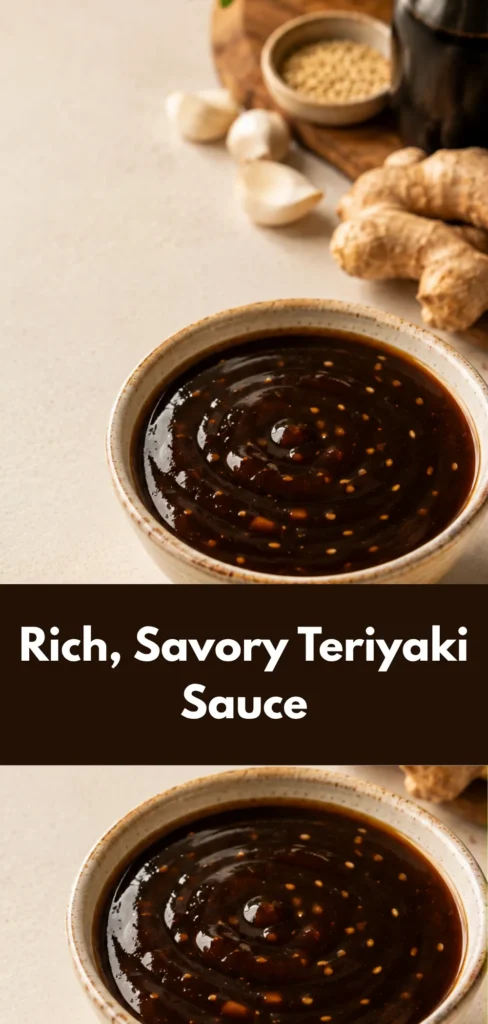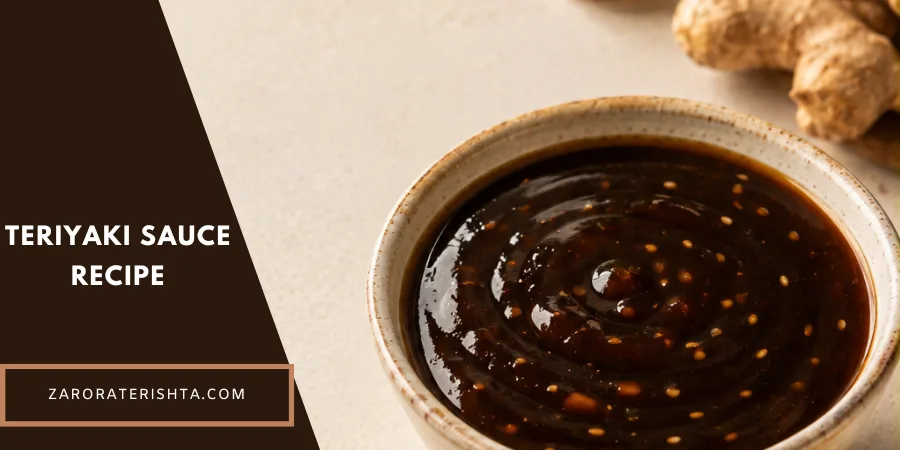
A homemade teriyaki sauce is a simple way to bring a rich Japanese-inspired flavor to everyday meals without making the process complicated. This sauce combines savory soy sauce, balanced sweetness, aromatic ingredients, and a glossy texture to create a versatile glaze that works with many different dishes.
The flavor comes from carefully balancing sweet, savory, acidic, and aromatic elements. Low-sodium soy sauce provides the main umami base, while brown sugar and honey create a rounded sweetness. Mirin adds Japanese-style sweetness and depth, and rice vinegar provides mild acidity to keep the sauce from becoming too heavy.
Teriyaki Sauce-The Short Answer
Fresh garlic and ginger add warmth and aroma, while sesame oil contributes a light nutty finish. A cornstarch slurry helps create the signature glossy consistency, producing a sauce that is thick enough to coat food while remaining easy to pour and use.
This homemade teriyaki sauce makes approximately 300 ml, or about 20 tablespoons (1¼ cups), making it a practical amount for everyday cooking. It can be used with chicken, beef, pork, salmon, seafood, stir-fries, rice bowls, noodles, and dipping applications.
Why This Recipe Works
This teriyaki sauce works because each ingredient has a specific role in creating a balanced final flavor. The soy sauce provides saltiness and umami, while the combination of brown sugar and honey creates a deeper sweetness than using a single sweetener alone.
Mirin adds complexity and traditional Japanese-style sweetness, while rice vinegar provides enough acidity to balance the richer flavors. This prevents the finished sauce from tasting overly sweet or heavy.
The aromatics are added in fresh form because garlic and ginger provide a brighter flavor that is noticeable even after simmering. Sesame oil is used in a small amount so it enhances the sauce without overpowering the other ingredients.
The cornstarch slurry controls the final texture by creating a smooth, glossy glaze. Mixing the cornstarch with cold water before adding it helps prevent lumps and allows the sauce to thicken evenly.
A gentle simmer is important because it allows the ingredients to combine while avoiding excessive reduction. After cooking, the sauce rests briefly so it can thicken slightly more as it cools and reach the intended thick but pourable consistency.
Ingredients Needed
This homemade teriyaki sauce uses a simple combination of savory, sweet, acidic, and aromatic ingredients. Each ingredient contributes to the final balance of flavor and the glossy texture that makes the sauce useful as both a glaze and a finishing sauce.
For the main sauce formula, use:
- ½ cup (120 ml) low-sodium soy sauce
- ½ cup (120 ml) water
- ¼ cup (50 g) packed light brown sugar
- 2 tablespoons (42 g) honey
- 2 tablespoons (30 ml) mirin
- 1 tablespoon (15 ml) rice vinegar
- 1 large garlic clove (approximately 4 g), finely minced
- 1 tablespoon (approximately 6 g) fresh ginger, finely grated
- 1 teaspoon (5 ml) pure sesame oil
Low-sodium soy sauce provides the main savory and umami foundation of the sauce. Regular soy sauce can be used at the same quantity, although the final sauce will usually be saltier because of the higher sodium content.
Brown sugar and honey work together to create a rounded sweetness. Brown sugar adds deeper caramel-like notes, while honey contributes a smoother sweetness and supports the glossy appearance of the finished sauce.
Mirin provides Japanese-style sweetness and additional depth, while rice vinegar adds mild acidity that balances the richer flavors. Together, these ingredients help create a sauce that tastes sweet and savory without becoming overly heavy.
Fresh garlic and ginger provide the main aromatic character. Fresh versions are preferred because they create a brighter, more noticeable flavor. If substitutions are needed, ¼ teaspoon garlic powder can replace fresh garlic, and ½ teaspoon ground ginger can replace fresh ginger. These should be treated as replacements rather than additional ingredients.
Sesame oil is used in a small amount because its nutty aroma is strong. The measured quantity enhances the sauce while allowing the soy sauce, sweeteners, and aromatics to remain balanced.
For the thickening slurry, use:
- 1 tablespoon (8 g) cornstarch
- 2 tablespoons (30 ml) cold water
The cornstarch slurry creates the signature teriyaki glaze texture. Mixing the cornstarch with cold water first helps it dissolve evenly and prevents lumps from forming when added to the hot sauce.
The complete formula produces approximately 300 ml of finished sauce, or about 20 tablespoons (1¼ cups). Keeping these proportions consistent helps maintain the intended thick but pourable glaze consistency.
This teriyaki sauce can be adjusted in small ways while keeping the same overall balance of sweet, savory, and umami flavors.
- Regular Soy Sauce Version: Replace low-sodium soy sauce with regular soy sauce at the same quantity. The finished sauce will have a stronger salty flavor, so additional salt should not usually be needed.
- Tamari Teriyaki Sauce: Replace soy sauce with tamari at the same quantity for a slightly richer umami flavor. This can also work well for those who prefer a gluten-free soy sauce alternative when using a suitable tamari product.
- Less Sweet Version: Reduce the amount of brown sugar or honey slightly if you prefer a less sweet sauce while keeping the other ingredients balanced.
- Spicy Teriyaki Sauce: Add a small amount of chili flakes, sriracha, or another preferred chili ingredient for extra heat while maintaining the original glaze structure.
- Garlic Ginger Variation: Increase the fresh garlic or ginger slightly for a stronger aromatic profile, keeping the sweet and savory base unchanged.
For a marinade version, leave out the cornstarch and the 2 tablespoons (30 ml) slurry water. This keeps the sauce thinner so it can coat meat, poultry, seafood, tofu, or vegetables more evenly.
These variations are optional adjustments rather than changes to the master formula. Keeping the original ingredient balance preserves the intended glossy texture and balanced teriyaki flavor.
Step By Step Instructions
Start by preparing the cornstarch slurry. In a small bowl, whisk 8 grams cornstarch with 2 tablespoons (30 ml) cold water until the mixture becomes completely smooth. This step helps the cornstarch disperse evenly and prevents lumps when it is added to the sauce.
In a medium saucepan, combine 120 ml low-sodium soy sauce, 120 ml water, 50 grams packed light brown sugar, 42 grams honey, 30 ml mirin, 15 ml rice vinegar, 4 grams fresh garlic, 6 grams fresh ginger, and 5 ml sesame oil.
Heat the mixture over medium heat for approximately 1–2 minutes, whisking gently until the brown sugar is mostly dissolved and all ingredients are evenly combined. The goal at this stage is to blend the flavors rather than aggressively cook the sauce.
Stir the cornstarch slurry again before adding it because the starch can settle at the bottom. Slowly pour the slurry into the saucepan while whisking continuously to distribute it evenly throughout the sauce.
Bring the mixture to a gentle simmer and cook for approximately 3–4 minutes, stirring frequently. The sauce should gradually become darker, glossier, and thicker as the cornstarch activates.
Avoid bringing the sauce to a hard boil because excessive evaporation can concentrate the salt and sugar too much. The finished texture should lightly coat the back of a spoon while still remaining easy to pour.
Once the desired consistency is reached, remove the saucepan from the heat and allow the sauce to rest for approximately 5 minutes. The sauce will continue thickening slightly as it cools and develops the final glaze texture.
The finished batch produces approximately 300 ml of homemade teriyaki sauce. It can be used immediately as a glaze, finishing sauce, or dipping sauce.
If storing the sauce, allow it to cool for about 5–10 minutes before transferring it to a clean airtight container. Refrigerate for up to 7 days. When reheating, warm only the amount needed in a small saucepan over low heat and stir gently. If the sauce becomes too thick, add a small amount of water to loosen it.
Variations
This teriyaki sauce can be adjusted in small ways while keeping the same overall balance of sweet, savory, and umami flavors.
- Regular Soy Sauce Version: Replace low-sodium soy sauce with regular soy sauce at the same quantity. The finished sauce will have a stronger salty flavor, so additional salt should not usually be needed.
- Tamari Teriyaki Sauce: Replace soy sauce with tamari at the same quantity for a slightly richer umami flavor. This can also work well for those who prefer a gluten-free soy sauce alternative when using a suitable tamari product.
- Less Sweet Version: Reduce the amount of brown sugar or honey slightly if you prefer a less sweet sauce while keeping the other ingredients balanced.
- Spicy Teriyaki Sauce: Add a small amount of chili flakes, sriracha, or another preferred chili ingredient for extra heat while maintaining the original glaze structure.
- Garlic Ginger Variation: Increase the fresh garlic or ginger slightly for a stronger aromatic profile, keeping the sweet and savory base unchanged.
For a marinade version, leave out the cornstarch and the 2 tablespoons (30 ml) slurry water. This keeps the sauce thinner so it can coat meat, poultry, seafood, tofu, or vegetables more evenly. These variations are optional adjustments rather than changes to the master formula. Keeping the original ingredient balance preserves the intended glossy texture and balanced teriyaki flavor.
How To Use It
This homemade teriyaki sauce is versatile and can be used in several ways depending on the dish. For marinating meat, poultry, seafood, tofu, or vegetables, prepare the sauce without the cornstarch and the 2 tablespoons (30 ml) slurry water so it remains thin enough to coat the ingredients evenly.
For a marinade application, the remaining ingredients can be gently heated together for about 1–2 minutes if desired, then cooled completely before use. Always allow the sauce to cool before adding it to raw proteins.
For grilling, brush the sauce over chicken, beef, or pork during the appropriate stage of cooking so it can develop a glossy caramelized coating. Avoid adding the sauce too early over high heat because the sugar content can burn quickly.
For stir-fries, start with approximately 2–4 tablespoons of sauce for cooked protein and vegetables, then adjust according to taste. The sauce adds sweetness, umami, and a glossy finish without overpowering the other ingredients.
For rice bowls, drizzle the sauce over rice with teriyaki chicken, beef, pork, salmon, tofu, or vegetables. It also works well as a glaze for salmon and other seafood because the sweet and savory balance complements rich flavors.
For noodles, begin with about 2–3 tablespoons and toss with cooked noodles until evenly coated. As a dipping sauce, it can be served with dumplings, spring rolls, and similar appetizers.
Expert Tips for Better Teriyaki Sauce
The texture of teriyaki sauce depends heavily on the cornstarch slurry. Always combine cornstarch with cold water before adding it to the saucepan because adding dry starch directly can create uneven thickening and lumps.
Keep the sauce at a gentle simmer rather than a rapid boil. A controlled simmer allows the ingredients to combine properly while preventing excessive reduction that can make the sauce overly salty or thick.
Stir the sauce frequently while it thickens. This helps distribute the cornstarch evenly and allows you to judge the consistency more accurately as it develops.
Remember that the sauce will continue to thicken slightly after removing it from the heat. Avoid cooking it until it appears extremely thick in the saucepan because it may become too dense after cooling.
Fresh garlic and ginger provide the brightest flavor, so they are preferred over powdered substitutes when possible. If using substitutions, remember that powdered versions should replace the fresh ingredients rather than being added in addition to them.
Taste the sauce after cooking and adjust future batches according to your preference. Different soy sauce brands, honey varieties, and mirin products can slightly change the final balance of sweetness, saltiness, and depth.
For the smoothest reheating, warm only the amount you need over low heat. If the refrigerated sauce has thickened too much, add water gradually until it returns to the desired pourable consistency.
Storage and Usage Notes
Allow the teriyaki sauce to cool completely before transferring it to a clean airtight container. Once cooled and stored properly in the refrigerator, the sauce can be kept for up to 7 days while maintaining its flavor and texture.
When using refrigerated sauce, warm only the amount needed in a small saucepan over low heat. Stir frequently while reheating to help maintain the smooth, glossy consistency.
The sauce may become thicker after chilling because the cornstarch continues to hold the structure as it cools. If the texture is thicker than desired, add 1–2 teaspoons of water at a time while gently warming the sauce until it reaches the consistency you prefer.
For marinade use, prepare the sauce without the cornstarch and the 2 tablespoons (30 ml) slurry water. This keeps the mixture thin enough to coat proteins, seafood, tofu, or vegetables evenly before cooking.
Mirin contributes important Japanese-style sweetness and depth to the sauce. If mirin is unavailable, 2 tablespoons sherry with a small pinch of sugar can be used as a practical substitute while maintaining a similar flavor balance.
Frequently Asked Questions
What Is Teriyaki Sauce Made Of?
Traditional teriyaki sauce is commonly made with soy sauce, mirin, sugar, and sake. This homemade version follows the same general flavor idea while adding garlic, ginger, honey, sesame oil, and rice vinegar for a more rounded everyday cooking sauce.
The combination creates a balance of salty, sweet, savory, and aromatic flavors that works well as a glaze, dipping sauce, or finishing sauce.
Can I Use Regular Soy Sauce Instead of Low-Sodium Soy Sauce?
Yes, regular soy sauce can replace low-sodium soy sauce at the same quantity. However, the final sauce will usually taste saltier because regular soy sauce contains more sodium.
For the best balance, taste the finished sauce before making any additional seasoning adjustments.
Can Homemade Teriyaki Sauce Be Used as a Marinade?
Yes, but the sauce should be adjusted first. Remove the cornstarch and the 2 tablespoons (30 ml) slurry water so the sauce remains thinner and can coat the ingredients more evenly.
Allow the sauce to cool completely before using it as a marinade.
Why Did My Teriyaki Sauce Become Too Thick?
Teriyaki sauce naturally thickens as it cools because of the cornstarch slurry. If the refrigerated sauce becomes thicker than expected, gently warm it and add a small amount of water until the desired consistency returns.
Adding water gradually helps prevent the sauce from becoming too thin.
How Long Does Homemade Teriyaki Sauce Last?
When stored correctly in a clean airtight container in the refrigerator, homemade teriyaki sauce lasts up to 7 days.
Always check the sauce before use and store it properly between servings to maintain the best quality.
Can I Freeze Homemade Teriyaki Sauce?
Freezing is possible, but the texture may change slightly after thawing because of the cornstarch-based thickening. For the best consistency, refrigerated storage within the recommended 7-day period is preferred.
If freezing is necessary, thaw gradually and warm gently while stirring before using.
Nutrition Information
For 1 tablespoon (approximately 15 ml) of homemade teriyaki sauce, the approximate nutrition is:
- Calories: 30 kcal
- Carbohydrates: 6 g
- Protein: 1 g
- Total Fat: 0.3 g
- Saturated Fat: 0.1 g
- Total Sugar: 5 g
- Sodium: 350–450 mg
These values are estimates and can vary depending on the specific brands of soy sauce, honey, mirin, sugar, and other ingredients used.
The sodium level can especially vary between different low-sodium soy sauce brands. The nutrition estimate is based on the finished sauce divided into approximately 20 tablespoons from the complete batch.
Pinterest Pins